
Exploring Kyoto often means visiting ancient temples, but this tour offers something uniquely calming—sutra copying (shakyo)—paired with the gentle ritual of savoring matcha and wagashi amid a stunning landscape. It’s a gentle way to step back from the busy city streets and connect with Japanese traditions in an authentic setting.
What makes this experience stand out? First, the chance to try shakyo in a tranquil, culturally significant temple, often described as meditative and peaceful. Second, the freshly prepared matcha paired with seasonal wagashi, offering a genuine taste of Japanese hospitality. Third, the beautifully designed garden that invites reflection and serenity.
A possible consideration? The tour is designed for those comfortable sitting quietly for a duration, and it’s not suitable for children under 10 or travelers with mobility challenges. It’s best suited for visitors eager for a calming cultural break and keen to learn about Kyoto’s heritage.
- Key Points
- A Closer Look at the Experience
- The Location and Meeting Point
- Visiting the Historic Temple
- Shakyo: Sutra Copying
- Learning and Cultural Insights
- Tea and Wagashi in the Garden
- Cultural and Historical Context
- Practical Details and Value
- Final Thoughts
- FAQ
- More Historical Tours in Kyoto
- More Tour Reviews in Kyoto
- Still browsing? Here are more Kyoto experiences we've covered recently
Key Points
- Authentic cultural activity: Sutra copying in a designated Important Cultural Property site.
- Relaxing atmosphere: Quiet, incense-scented space perfect for reflection.
- Tasty local treats: Matcha and seasonal wagashi served in a garden setting.
- Educational element: Guides share insights into Kyoto’s history and Buddhist traditions.
- Limited group size: Small groups ensure a personalized experience.
- Accessible experience: All materials provided, but not suitable for those with mobility issues or children under 10.
A Closer Look at the Experience
Fascinated by the past? Here are other historical experiences we've covered in Kyoto
The Location and Meeting Point
Starting at the East Gate of Keihan Station, the tour is conveniently located in Kyoto’s historic district. Meeting your guide, easily recognizable with a yellow fluorescent band on their bag, is straightforward. From there, a short 15-minute walk takes you to the temple, adding a gentle prelude to the experience.
Visiting the Historic Temple
The temple itself is a designated Important Cultural Property, which means it’s protected and recognized for its significance. Inside, you’ll find a calm space designed for the shakyo activity—an environment that encourages focus and tranquility. The reviews mention the professionalism of the guide and the peaceful surroundings as significant highlights, with one traveler noting how the gentle scent of incense and the soft sounds of nature fostered an ideal setting for reflection.
Shakyo: Sutra Copying
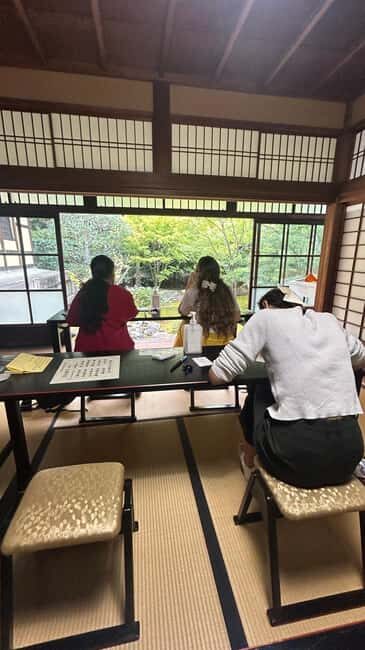
The core of the tour—shakyo—has been practiced in Japan for centuries. Participants are provided with all necessary materials: brushes, paper, and ink. The process usually takes around 60–90 minutes, depending on your pace. It’s a mindful activity requiring patience and concentration, but the guide is there to offer tips and encouragement.
Many reviewers appreciated that the activity wasn’t rushed, calling it “very relaxing” and “a great way to slow down.” One reviewer even described it as a form of meditation, highlighting how it helps quiet the mind amid the busy travel schedule. The setting, with its quiet ambiance, makes it easier to focus and truly connect with the practice.
More Great Tours NearbyLearning and Cultural Insights
Throughout the activity, your guide shares stories and insights about Kyoto’s religious history and the significance of sutra copying in Buddhist tradition. This isn’t just a craft class; it’s an educational experience that enriches your understanding of Japanese culture. One traveler mentioned how the guide shared a lot of historical background, making the activity more meaningful.
- Kyoto: Kiyomizu-dera, Fushimi Inari & Gion Geisha District
- Kyoto: Visit Mario Papas Hometown and Great Lunch⭐️
- Kyoto: Arashiyama Bamboo Grove, Monkey Mountain Walking Tour
- From Kyoto/Osaka: Sagano Train Ride and Guided Day Tour
- Kyoto:Three Gardens Bike Tour
- Taste of Nishiki Market Walking Food Tour With Local Guide
Tea and Wagashi in the Garden
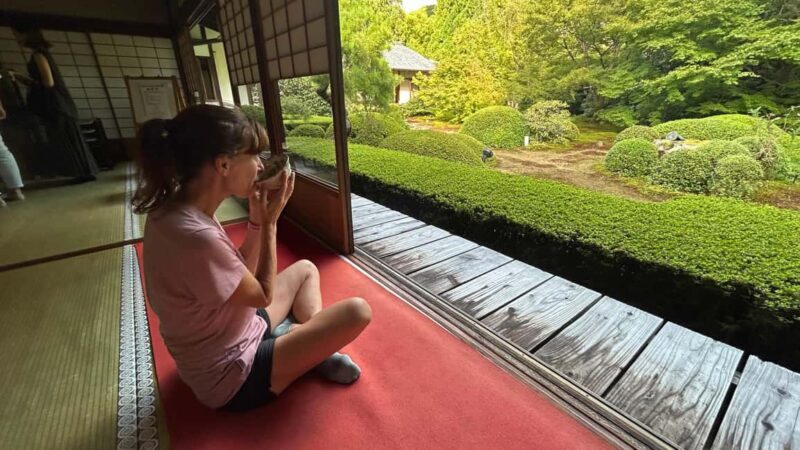
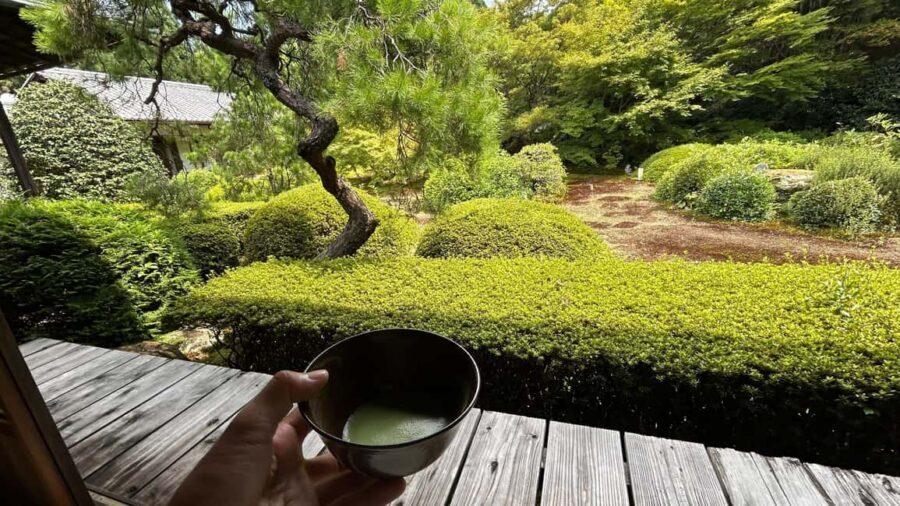
After the shakyo activity, the tour transitions into a delightful tea time. You’ll be served freshly prepared matcha, whisked to perfection, along with seasonal wagashi—those beautifully crafted Japanese sweets. The review from a traveler in France described this part as “wonderful,” noting how the flavorful matcha and the beautiful garden views made for a truly relaxing moment.
The garden itself is designed to evoke harmony and calm, with traditional landscaping that invites quiet contemplation. Many guests mention how this setting offers a perfect backdrop for reflection, especially after the focused activity of shakyo.
Cultural and Historical Context
Beyond the activities, your guide offers insights into Kyoto’s cultural heritage and Buddhist traditions, helping you appreciate not just the moment, but the history behind it. The experience isn’t just about copying sutras or drinking tea; it’s about understanding how these practices have shaped Kyoto’s identity over centuries.
Practical Details and Value
At $35 per person for 2.5 hours, this tour provides excellent value, especially considering the small group size (limited to 10 participants). The price includes all materials, the guide’s expertise, and the tea and sweets—all included. Compared to other cultural experiences in Kyoto, this feels like a genuine opportunity to connect with traditions without excessive cost.
The tour is scheduled at various times, so you can choose a slot that fits your day. It’s perfect for travelers wanting a peaceful, authentic break from sightseeing, though it may not be suitable for those with mobility issues or traveling with very young children.
Final Thoughts
This experience is a wonderful blend of cultural education, relaxation, and sensory delight. It’s especially ideal for those who want to slow down and reflect amid Kyoto’s bustling allure. The knowledgeable guides and stunning garden views make it stand out, with many reviewers praising the professionalism and warmth of their hosts.
While it’s a short experience, the quiet, meaningful moments you’ll take away are likely to stay with you long after your trip. It’s a perfect way to deepen your appreciation for Kyoto’s traditions, especially if you’re interested in Buddhism, Japanese arts, or simply need a peaceful pause in your travel itinerary.
This tour offers a genuine, affordable way to connect with Kyoto’s spiritual side—an experience that balances learning, relaxation, and culture beautifully.
FAQ
Is this tour suitable for children?
The experience isn’t recommended for children under 10, as it involves sitting quietly and focusing on sutra copying, which might be challenging for younger kids.
How long does the shakyo activity take?
Typically around 60 to 90 minutes, depending on your writing speed. The guide will help you pace yourself.
Are all materials provided?
Yes, all necessary materials—brushes, paper, ink—are included in the price.
Can I take photos during the activity?
Photography may be limited inside certain temple areas to preserve the atmosphere, so it’s best to check with your guide during the tour.
What should I wear?
Comfortable clothing suitable for sitting quietly is recommended. No specific dress code, but dress casually and comfortably.
Is the tour accessible for people with mobility issues?
No, the experience is not suitable for those with mobility challenges or wheelchair users.
What language is the tour conducted in?
Guides operate in English, making it accessible for most international visitors.
What’s included in the price?
All materials for shakyo, guide services, and the tea and wagashi are included.
How do I find the meeting point?
Look for the guide with a yellow fluorescent band on their bag at the East Gate of Keihan Station; the exact coordinates are provided.
To sum it up, this tour offers a peaceful, enriching taste of Kyoto’s spiritual and cultural traditions. It’s perfect for travelers seeking a mindful break, those interested in Japanese arts, or anyone wanting to see a different, more contemplative side of Kyoto. The small group size ensures personal attention, and the beautiful garden setting makes it a memorable experience. Whether you’re a seasoned culture seeker or just curious about Japan’s Buddhist practices, this activity is a gentle, authentic introduction that’s well worth the price.
You can check availability for your dates here:More Historical Tours in Kyoto
- Kyoto: Private Cultural and Historical Tour in Spanish
- Kyoto: Bask in the Sacred Nature and Rich History in Kifune
- Kyoto: Roots of the Samurai 1-Day Cultural Tour
- Kyoto/Osaka: Kyoto and Nara World Heritage Day Tour
- The Untold Kyoto Coastline Merchant Heritage – Inaba Honke
- Osaka: Kyoto Cultural Tour with Samurai Experience
More Tour Reviews in Kyoto
Still browsing? Here are more Kyoto experiences we've covered recently
- We Rank Kyoto’s 15 Top Tours & Experiences
- Kyoto Chopsticks Making Workshop
- Kyoto: Traditional Japanese Ikebana Flower Art Experience
- Kyoto: The Hidden Sanctuary of Sanzen-in Temple
- Kyoto:Private Guided Tour on Luxury Vehicle with photography
- Kyoto Private Tour: Nishiki Market, Zen Temples & Sweets
- Samurai Armor Experience 60 minutes in Kyoto
- Discover Kyoto TeamLab Biovortex Experience
- Osaka/Kyoto; Kyoto and Nara customizable Day Tour with Guide
- Half-Day Private Guided Tour to Chikubushima, from Kyoto
- Kyoto: Private Cultural and Historical Tour in Spanish
- From Osaka/Kyoto: Kinkakuji, Arashiyama, FushimiInari, Nara