
Planning a Himalayan adventure often means weighing the thrill of summiting a peak against the complexities of logistics, guides, and acclimatization. The Kyajo Ri Peak Climbing tour, offered by Nepal Guide Treks and Expedition, promises a balanced mix of technical challenge, culture, and awe-inspiring vistas. With a solid 5.0 rating from three reviews, it’s clear many travelers walk away with memorable stories and a sense of achievement.
What makes this trip stand out? First, the expert guidance and knowledgeable Sherpa team make the climb safer and more enjoyable. Second, the stunning views of world-famous peaks like Everest, Lhotse, and Makalu are simply unbeatable. Third, the well-structured itinerary ensures proper acclimatization, reducing risks of altitude sickness. A potential snag? The price, at $3,350 per person, might seem steep, but considering the included services, it’s actually quite reasonable for such an adventure. Ideal for experienced trekkers who crave a genuine mountaineering challenge with cultural depth, this tour suits those ready for an 17-day commitment.
- Key Points
- Starting in Kathmandu: Setting the Stage
- The Flight to Lukla: Gateway to the Himalayas
- Acclimatization in Namche Bazaar: High Altitude Training
- Trek into the Heart of the Mountains: Mende and Kyajo Drangka
- Rest and Acclimatization at Base Camp
- Climbing to Camps and the Final Ascent
- The Final Push: Reaching the Summit
- Descent and Return Journey
- Final Day and Rest in Kathmandu
- Who Will Love This Trip?
- Who Might Want to Consider Alternatives?
- More Hiking & Trekking Tours in Kathmandu
- More Tour Reviews in Kathmandu
- Still browsing? Here are more Kathmandu experiences we've covered recently
Key Points
- Comprehensive itinerary with acclimatization days and technical ascents
- Expert Sherpa guides and support team ensure safety and success
- Breathtaking mountain views of Everest, Lhotse, Makalu, and more
- Cultural experience exploring Sherpa villages and local life
- All-inclusive price covers permits, accommodations, guides, and meals
- Scenic flight from Kathmandu to Lukla adds excitement and convenience
Starting in Kathmandu: Setting the Stage
Your adventure kicks off in Kathmandu, where a Nepal Guide Treks representative will greet you at Tribhuvan International Airport. The welcome is smooth, with transfers to a centrally located hotel. Here, you’ll have the chance to rest after your journey or gather last-minute information about the upcoming trek. The evening’s welcome dinner is a nice touch, allowing new friends to meet and share excitement about the journey ahead.
On Day 2, you’ll spend part of your day exploring UNESCO World Heritage Sites around Kathmandu. This isn’t just sightseeing; it’s a gentle way to prepare for the altitude and get a cultural dose of Nepal’s heritage. The team helps with permit processing and other paperwork, smoothing the bureaucratic bump that often surprises travelers. While you can’t see everything in one day, selecting a few key sites ensures you get a taste of Kathmandu’s history and vibrant life.
Looking for more options in Kathmandu? We've reviewed plenty of other experiences.
The Flight to Lukla: Gateway to the Himalayas
Day 3 marks the beginning of the real adventure— a scenic mountain flight from Kathmandu to Lukla. This short hop is often called one of the world’s most exhilarating flights, with views of snow-capped peaks and rugged terrain. Once in Lukla, the trek begins, passing through lush Sherpa villages, pine forests, and rhododendron thickets—each scene more enchanting than the last.
Expect a steady climb along the Dudh Kosi River, with the trek to Phakding providing a gentle introduction to high-altitude walking. The journey is marked by quaint mani walls and friendly locals, giving you a peek into Sherpa culture from the outset.
Acclimatization in Namche Bazaar: High Altitude Training
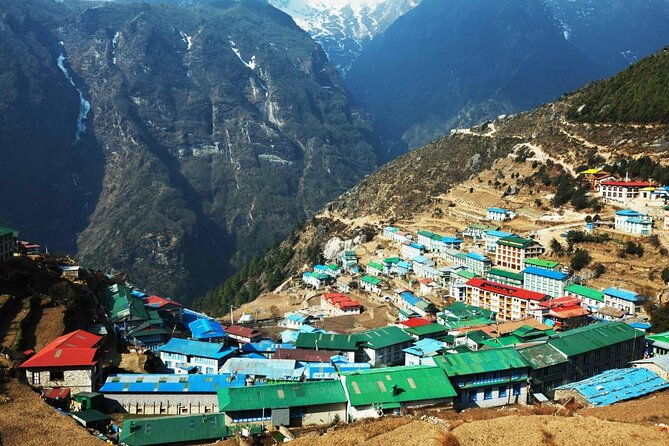
Day 4 takes you to Namche Bazaar, a Sherpa hub and acclimatization spot. Here, you’ll find a lively market, local cafes, and plenty of hiking opportunities. Travelers love the opportunity to explore nearby trails—some hike up to Khunde Hospital, founded by Sir Edmund Hillary, or to Syangboche for sweeping mountain views including Everest and Ama Dablam.
This day is crucial for your body to adjust to higher elevations, reducing the risk of altitude sickness. Reviewers praise the guides for their attentiveness during acclimatization hikes, noting how they check on health and keep spirits high.
Trek into the Heart of the Mountains: Mende and Kyajo Drangka
Leaving Namche, the trek toward the Kyajo Drangka Valley begins. Day 6’s route through the Bhote Khosi Valley offers spectacular views of peaks like Kwangde and cascading waterfalls. The path follows well-maintained trails through dense rhododendron forests, often filled with the aroma of blooming flowers—an enchanting scene for nature lovers.
Day 7’s ascent to Mende and then up to the Kyajo Drangka Valley introduces you to a remote, less-trodden part of Nepal. The climb over passes and the panoramic views of snow-capped giants like Thamserku and Kusum Kangaru make it worth every step. Here, the Sherpa crew sets up the base camp, a crucial logistical milestone.
Rest and Acclimatization at Base Camp
Reaching the base camp around 4,500 meters, you’re in the thick of the mountains’ raw beauty. Days 8 and 10 are dedicated to acclimatization, with gentle hikes around the area offering spectacular vistas of Kyajo Ri and neighboring peaks. Reviewers emphasize the importance of these days, as they help prevent altitude sickness and prepare you physically for the technical climb.
Sherpa guides conduct gear checks and perfect climbing techniques, ensuring everyone is ready for the ascent. You might find the base camp offers views of pristine glaciers and mountain lakes—perfect for photography or just soaking in the pristine wilderness.
- 4 UNESCO World Heritage Site Tour Nepal
- Kathmandu: Private Sightseeing Tour
- Kathmandu: Private/Group 4 UNESCO World Heritage With Lunch
- Kathmandu: 7 UNESCO Sites Private or Group Tour With Lunch
- Kathmandu: Private/Group Tour to 7 UNESCO Sites With Lunch
- Kathmandu: Local Led Cooking Class: Dal Bhat & Momo Making
Climbing to Camps and the Final Ascent
The route from base camp involves a series of camps at progressively higher elevations, with Camp I at 5,200 meters and Camp II near 5,700 meters. During these days, you’ll experience technical sections requiring crampons and fixed ropes, as noted by reviewers who mention the importance of being prepared for rock and glacier climbing.
The ascent from Camp I to Camp II involves steep, rocky terrain, with breathtaking views of Kyajo Ri and surrounding peaks. The Sherpa team meticulously sets up camps and makes safety checks—an effort appreciated by climbers who trust their expertise.
The Final Push: Reaching the Summit
Day 12 is the moment everyone trains for— the summit day. Starting early is key to beat the wind and midday weather changes. The climb includes navigating technical sections with ropes and crampons, and the guides’ instructions are critical for safety.
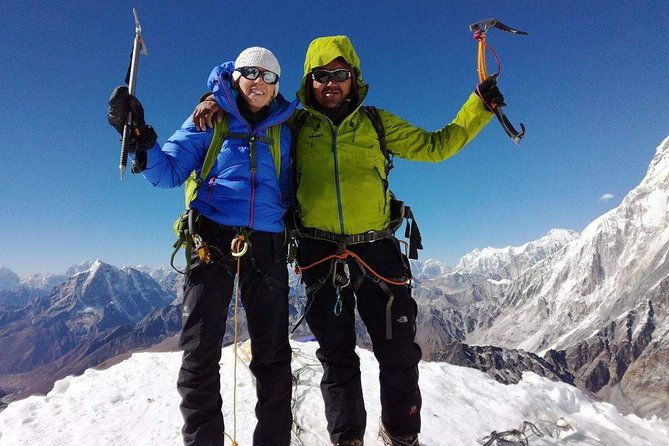
Once atop Kyajo Ri, at 6,186 meters, the vistas are outstanding. Expect panoramic views of Everest, Lhotse, Makalu, and other giants, which many reviewers highlight as a truly unforgettable reward. Spending a short time at the summit, you’ll be able to appreciate the sweeping mountain panorama before beginning the descent.
Descent and Return Journey
Descending from the summit, you’ll retrace your steps back to Camp II and then the base camp, with a focus on safety after the exertion of the ascent. The downhill trek is often faster but just as scenic, with wildflower-filled meadows and forested paths, according to those who have done the trip.
The journey back to Lukla, and eventually Kathmandu, is a mix of relief and celebration— a successful climb paired with a sense of achievement. Reviewers mention the camaraderie that develops during this part of the trek, with shared stories and triumphs.
Final Day and Rest in Kathmandu
Your last day involves a scenic flight back to Kathmandu, offering a final chance to enjoy Himalayan views from above. Once in Kathmandu, you have free time to explore or relax before a farewell dinner, celebrating your accomplishment. Many reviews mention how the trip ends on a high note, with a feeling of fulfillment and cultural enrichment.
While the $3,350 price tag covers a lot—permits, guides, accommodations, meals, and scenic flights—the value here is in the quality of experience and expertise. The guides’ local knowledge and safety focus, combined with the breathtaking scenery, make this a compelling choice for seasoned trekkers and mountaineers ready for a challenge.
The trip’s balance of technical climbing, culture, and cultural sightseeing in Kathmandu offers a well-rounded Himalayan adventure. If you’re seeking a credible guided climb with a focus on safety, stunning vistas, and authentic Sherpa culture, this tour hits the mark.
Who Will Love This Trip?
- Experienced trekkers looking for a technical climb
- Adventure seekers eager to stand atop a 6,186-meter peak
- Travelers interested in Sherpa culture and mountain scenery
- Those prepared for an intensive 17-day commitment
Who Might Want to Consider Alternatives?
- Complete beginners to high-altitude trekking
- Travelers on a tight budget, as the trip is priced higher than some trekking options
- Those preferring a less technical or shorter summit experience
How physically demanding is the Kyajo Ri Peak Climbing tour?
The trek involves high-altitude trekking, technical climbing sections, and multiple days of acclimatization, so you should have good physical fitness and be comfortable with challenging terrains.
What kind of views will I see from the summit?
From the top of Kyajo Ri at 6,186 meters, you’ll enjoy sweeping panoramas of Everest, Lhotse, Makalu, Cho Oyu, Baruntse, Pumori, and Ama Dablam, among others.
Are meals included?
Yes, the package includes breakfast, lunch, and dinner throughout the trip, along with accommodations as per the itinerary.
What is the main benefit of the scenic flight from Kathmandu to Lukla?
It provides a stunning aerial view of the Himalayan range, marking the start of your adventure with a memorable perspective and reducing travel stress compared to land transport.
Does the tour provide gear or do I need to bring my own?
Personal climbing gears are not included, so you’ll need to bring or rent your own equipment necessary for technical sections.
Who are the guides?
The guides are experienced professionals, with reviews mentioning Sherpa guides like Dendi Sherpa, Sona Sherpa, and Lakpa Sherpa, all known for their expertise and care.
What happens if the weather disrupts the flight or climb?
The tour operates in good weather conditions, but if flights are canceled (as noted in one review), the team reschedules or adjusts plans to ensure a safe experience.
The Kyajo Ri Peak Climbing tour offers an excellent blend of adventure, culture, and natural beauty. It’s a well-organized option for those who want a genuine Himalayan mountaineering experience without the crowds of Everest. The trip emphasizes safety, expert guidance, and authentic local culture, making it a rewarding challenge for serious trekkers ready for altitude and technical climbs.
This journey isn’t just about reaching a summit; it’s about enjoying Nepal’s mountain spirit, witnessing some of the world’s most spectacular peaks, and feeling that unforgettable thrill of standing atop a Himalayan peak. If you’re prepared for the physical and technical demands, this is a climb that promises a lifetime of memories and stories.
More Hiking & Trekking Tours in Kathmandu
More Tour Reviews in Kathmandu
Still browsing? Here are more Kathmandu experiences we've covered recently
- Discover 12 Great Airport Transfers In Kathmandu
- 14 Best Tours In Kathmandu
- Which Kathmandu Tours & Experiences To Choose? Our Best 12 Picks
- 5 days Pokhara City Private Tour from Kathmandu
- Kathmandu: Everest Base Camp Helicopter Tour with Breakfast
- Kathmandu to Lukla one way Flight Ticket
- 1 Day Shivapuri Hiking from Kathmandu
- Poon Hill Trek – 5 Day / 4 Night (ex Kathmandu) – Daily Departure
- 11 days Panorama Panchase Homestay Trek
- 2 Days Seven Heritage and Nagarkot Sunrise Tour
- Kathmandu: Khumai Danda Trek with Meals and Guide
- Kathmandu City Tour