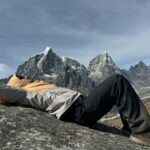
Planning a trek to Everest Base Camp? If you’re a senior or someone seeking a less physically demanding yet equally rewarding adventure, the Kathmandu: Everest Base Camp Trek for Seniors offers a thoughtfully designed route that balances challenge with comfort. We’ve reviewed this experience to help you understand what makes it a unique option for more mature travelers.
What we love most about this trek is the slower pace with shorter daily walks, ensuring you can enjoy the breathtaking scenery without exhaustion. The inclusion of extra acclimatization days highlights the importance of safety and comfort at high altitudes, especially for those wary of altitude sickness. You’ll also appreciate the opportunity to explore Sherpa villages and sacred monasteries, enjoying local culture without feeling rushed. A minor consideration might be the overall cost, which is slightly higher compared to standard treks, but the added comfort and safety measures justify the investment.
This tour is ideal for adventurers aged 50 and above who want a genuine Himalayan experience without the extreme challenge. It suits those who value comfort, safety, and cultural richness over marathon-length days and intense physical effort. With professional guides and balanced itineraries, it’s perfect for those seeking a memorable yet manageable trek.
This experience made our article of What Are The Best Tours & Experiences In Pheriche? Our Top 15 Picks.
- Key Points
- An In-Depth Look at the Everest Base Camp Trek for Seniors
- Starting in Kathmandu: Preparing for the Adventure
- The Flight to Lukla: A Scenic Ascent
- Day-by-Day Trekkings: Balancing Challenge & Comfort
- Cultural Encounters and Scenic Marvels
- Comfort and Logistics
- Food and Gear
- Safety and Flexibility
- Price and Value
- Who Is This Trek Best For?
- Frequently Asked Questions
- Final Thoughts
- The Best Of Pheriche!
- More Hiking & Trekking Tours in Pheriche
- More Tour Reviews in Pheriche
Key Points
 1 / 4
1 / 4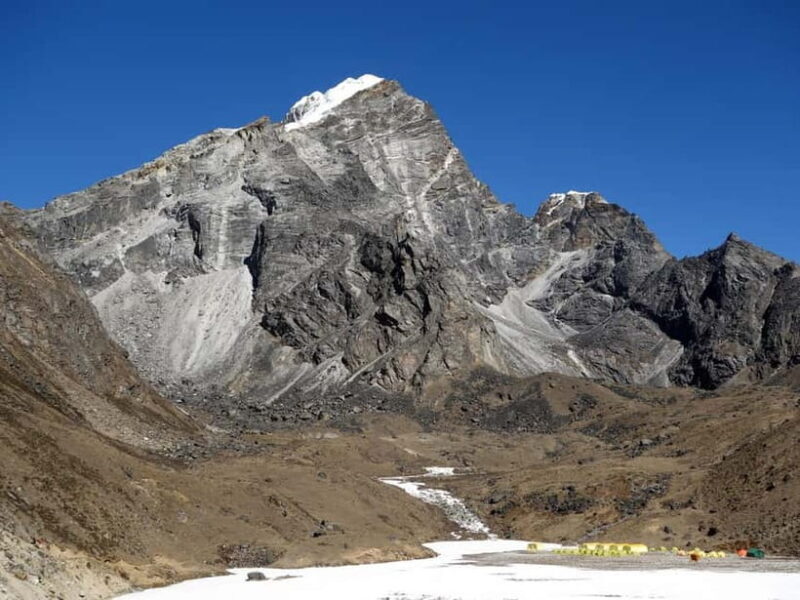 2 / 4
2 / 4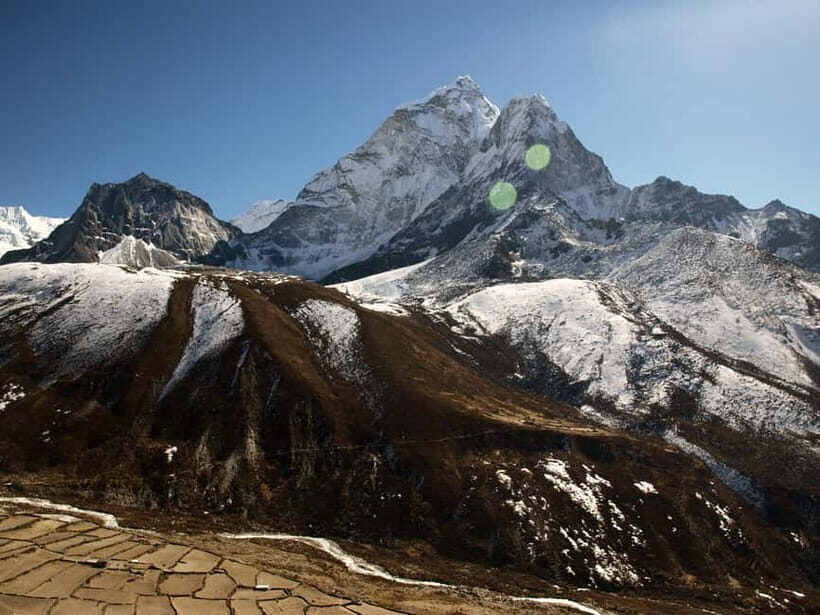 3 / 4
3 / 4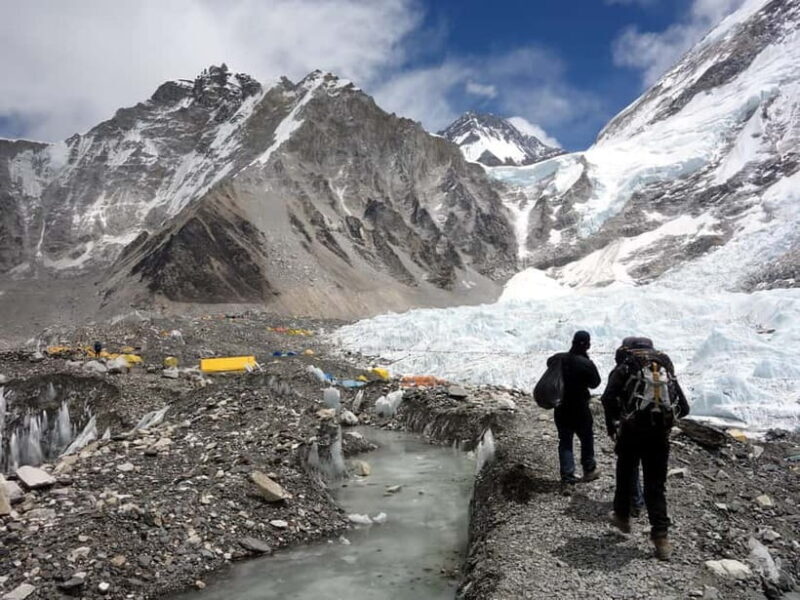 4 / 4
4 / 4- Designed for seniors: Shorter walking distances and extra acclimatization reduce altitude risks.
- Cultural immersion: Visit Sherpa villages, monasteries, and Everest views in a relaxed pace.
- All-inclusive value: Meals, permits, accommodations, and gear are covered for convenience.
- Expert guidance: Knowledgeable guides experienced with senior trekkers ensure safety.
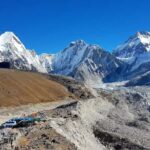
- Scenic highlights: Majestic peaks like Everest, Lhotse, Ama Dablam, and Thamserku are always in sight.
- Flexible options: Optional rest days and shorter excursions cater to individual needs.
👉 See our pick of the What Are The Best Tours & Experiences In Pheriche? Our Top 15 Picks
An In-Depth Look at the Everest Base Camp Trek for Seniors
You can also read our reviews of more hiking tours in Pheriche
Starting in Kathmandu: Preparing for the Adventure
Your journey begins with a comfortable stay in Kathmandu, where four nights in a 3-star hotel give you time to recover from jetlag, explore local markets, or just relax. The inclusion of airport pickups and drops makes logistics straightforward, easing any first-day nerves. A detailed trek briefing helps you understand the route, safety tips, and what gear to bring, which is especially reassuring for first-time high-altitude travelers.
The Flight to Lukla: A Scenic Ascent
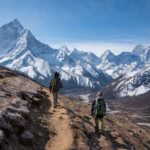
Flying from Kathmandu to Lukla is an experience in itself. The 30-minute flight offers spectacular views of the Himalayas, and many reviews note that this flight is worth the extra cost compared to ground transport, which can be lengthy and arduous. Once in Lukla, you’ll start your trek with a gentle walk to Phakding, over 8 km, usually taking about 3 hours. The scenery begins to impress immediately, with lush forests and the rushing Dudh Kosi River.
Day-by-Day Trekkings: Balancing Challenge & Comfort
Namche Bazaar (Day 4) marks a significant milestone, as it’s the main hub for trekkers and a perfect spot for acclimatization. The walk from Phakding to Namche is around 10-12 km, taking roughly 6 hours, with some uphill. Here, you’ll find cozy cafes and shops, and it’s a good place to rest and explore.
Acclimatization days are built into the itinerary, such as the hike to the Everest View Hotel or Nangkartshang Peak. These walks, typically 3-5 hours, are designed to help your body adjust to higher elevations, reducing the risk of altitude sickness—a common concern on Himalayan treks. Many reviews emphasize how these extra days make the experience safer and more enjoyable for seniors.
Tengboche (Day 6) features a visit to the iconic monastery overlooking Ama Dablam, providing a spiritual and scenic highlight. The trek here is about 5 hours, covering 10-11 km, with moderate elevation gain.
Dingboche and Lobuche (Days 7-10) continue the gradual ascent, with some long days but shorter walking distances than traditional routes. The focus remains on acclimatization, with hikes to nearby peaks or ridges.
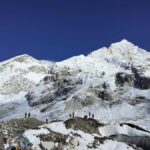
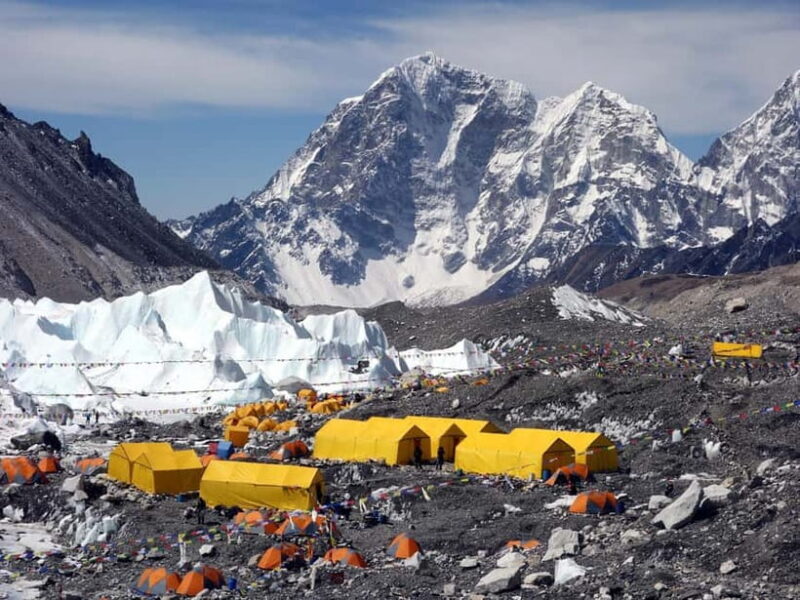
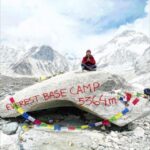
Everest Base Camp (Day 12) is the standout moment. The 8-hour hike covers roughly 14-15 km, with breathtaking close-up views of Everest, Lhotse, and Nuptse. You’ll walk past colorful tents and Sherpa crews preparing for climbing seasons, making for an unforgettable experience. Some reviews mention the emotional impact of standing at the base of the world’s highest mountain, balanced by the physical effort involved.
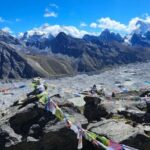
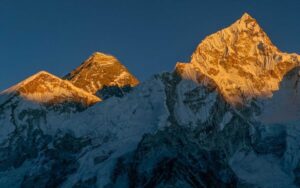
Kalapattar (Day 13) offers one of the most iconic panoramic views of Everest, often described as the most breathtaking moment of the trek. The ascent from Gorekshep is steep but manageable if you’ve been acclimatizing well. Afterward, the descent to Pheriche is a smooth walk, about 6-7 hours.
More Great Tours NearbyCultural Encounters and Scenic Marvels
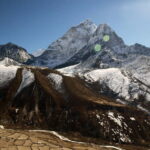
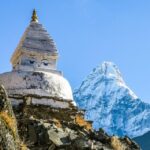
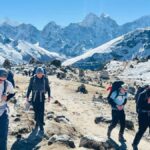
Throughout the trek, you’ll visit Sherpa villages where traditional houses and hospitality offer a glimpse into Himalayan life. Sacred monasteries, such as Tengboche’s, provide tranquil spiritual moments, often highlighted as a calming contrast to the physical effort. You’ll witness majestic peaks like Ama Dablam and Thamserku, which are as impressive in person as on postcards.
Comfort and Logistics
The teahouse accommodations are clean, comfortable, and often provide hearty, nutritious meals—crucial for maintaining energy at high altitude. The included gear, like a down jacket and sleeping bag, saves travelers from extra packing fuss, and they’re returned after the trek. The small group size, supported by one porter for every two trekkers, ensures personalized attention and manageable distances.
Food and Gear
During the trek, meals are provided—breakfast, lunch, and dinner—focusing on nourishing, familiar dishes like dal bhat, pasta, and soups. Many reviews appreciate the quality of food, which is vital when walking long hours. Personal gear can be rented or bought in Kathmandu; essentials like hiking shoes, pants, and personal medication are recommended to ensure comfort.
Safety and Flexibility
The inclusion of extra acclimatization days and professional guides experienced with seniors are key safety features. The itinerary is flexible, allowing for optional rest days or shorter routes if needed. Weather delays or flight issues are always a possibility, but the tour’s structure offers some buffer to handle unforeseen circumstances.
Price and Value
At $1,800 per person, the price covers most essentials: permits, accommodations, meals, guide, porters, gear, and airport transfers. While it’s slightly more expensive than some standard treks, the added safety, comfort, and cultural richness justify the cost—especially for those who want a secure, enjoyable Himalayan experience.
Who Is This Trek Best For?
This trek is ideal for adventurers over 50 who want to experience Everest without the physical strain of traditional routes. It’s perfect for those concerned about altitude sickness, seeking culture, or simply wanting a more leisurely pace. It suits travelers who value comfort, safety, and authentic Himalayan encounters over extreme challenge.
People with mobility issues, heart conditions, respiratory problems, or recent surgeries should consider other options, as the altitude and walking distances still present risks. The guided structure, however, provides reassurance that your safety and comfort are prioritized.
Frequently Asked Questions
Is this trek suitable for someone with no prior trekking experience?
While previous trekking experience isn’t necessary, a reasonable level of fitness is recommended. The route is designed to be accessible for seniors, with shorter daily distances and acclimatization days, but some walking stamina is still needed.
Are flights included in the price?
No, the price covers the trek itself, hotel stays in Kathmandu, permits, meals, gear, and guide services. Flights from Kathmandu to Lukla and back are additional costs.
What kind of accommodations can I expect?
During the trek, you’ll stay in teahouses and guesthouses, which are generally clean and comfortable with basic amenities. In Kathmandu, accommodations are 3-star hotels with breakfast included.
What should I pack for this trek?
Bring comfortable, sturdy hiking shoes, warm clothing, a sleeping bag (provided during the trek), a daypack, trekking pants, personal medication, and a reusable water bottle. Gear rental options are available in Kathmandu.
Is the trek physically demanding?
Thanks to the shorter daily walks and extra acclimatization days, it’s manageable for most seniors. However, some days involve walking 3-6 hours over varied terrain, so good fitness and proper preparation help.
Can I customize this itinerary?
Yes, optional rest days and shorter routes are available, and your guide can suggest detours or extensions based on your preferences and acclimatization.
Final Thoughts
The Kathmandu: Everest Base Camp Trek for Seniors offers a thoughtful approach to experiencing the awe-inspiring Himalayas without the usual physical toll. It combines safety, comfort, and cultural insights, making it a compelling choice for those who want to tick Everest off their bucket list in a manageable way.
If you enjoy scenic hikes, authentic Sherpa culture, and stunning mountain views but prefer a paced, well-supported journey, this trek provides excellent value. It’s especially suited for travelers who prioritize safety and comfort but still crave the thrill of standing at the foot of the world’s highest peak.
For those who want a memorable Himalayan adventure with peace of mind, this tour is an option worth considering. Just remember to be prepared for some altitude, pack wisely, and enjoy every step in the land of giants.
📍 This experience made our list of the 15 best Tours & Experiences in Pheriche