
Planning a trek to Nepal’s iconic Annapurna Base Camp (ABC) can seem daunting—mountains, altitude, logistics. That’s where this well-organized 8-day trek, guided by the experienced Bikki Sundash, steps in to make the adventure accessible, comfortable, and truly rewarding. It’s perfect for travelers who want to experience the Himalayas without the hassle of planning every detail, all while soaking in breathtaking scenery and local culture.
What makes this trek stand out? First, the stunning mountain views—think snow-capped peaks like Annapurna I and Machhapuchhre—are unforgettable. Second, the variety of landscapes from lush forests and terraced fields to traditional Gurung villages keeps the journey visually fascinating. Lastly, the hospitality in Himalayan teahouses offers an authentic feel, and the optional stop at Jhinu Danda’s hot springs is a real treat after days of trekking.
A possible consideration is the moderate difficulty level, which requires good fitness but not technical experience. It’s also worth noting that the best seasons are during spring and autumn, so planning around these times will ensure optimal weather and trail conditions. This tour suits active travelers eager for a manageable yet immersive Himalayan experience, and those who want a guided, all-inclusive package to simplify logistics.
- Key Points
- A Deep Dive into the Annapurna Base Camp Trek Experience
- Starting Point: Kathmandu and Pokhara
- Day 1-2: Trek Through Lush Forests and Gurung Villages
- Day 3-4: Into the Greenery and Start of the Mountain Views
- Day 5-6: Approaching Annapurna Base Camp
- Day 7: Optional Hot Springs and Return Journey
- Day 8: Back to Pokhara and Kathmandu
- The Details That Matter
- Logistics and Included Services
- Accommodation and Facilities
- When to Go: Best Seasons
- What to Pack
- Audience Suitability
- The Real Value: Why It’s Worth It
- Who Will Love This Tour?
- Final Thoughts
- FAQ
- More Historical Tours in Kathmandu
- More Tours in Kathmandu
- More Tour Reviews in Kathmandu
- Still browsing? Here are more Kathmandu experiences we've covered recently
Key Points
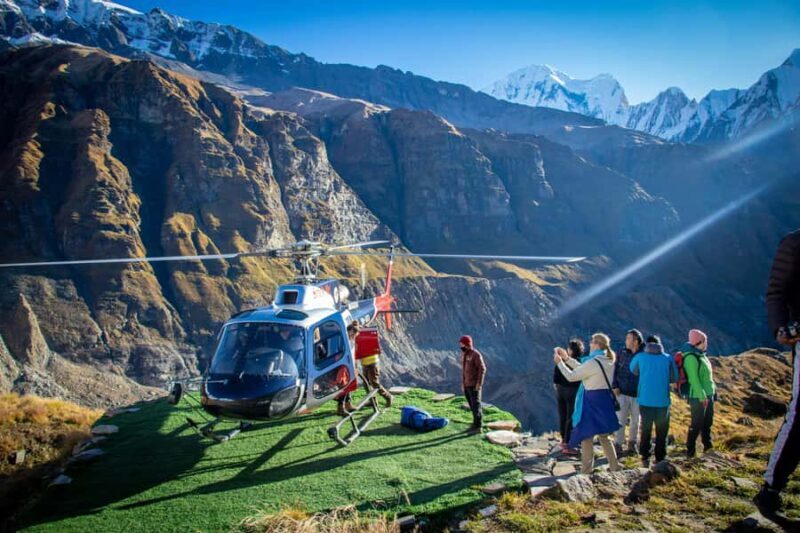
- Stunning mountain scenery dominates every day of the trek, with sunrise views from Annapurna Base Camp being a true highlight.
- Traditional Himalayan teahouses provide cozy accommodations and local hospitality.
- Cultural immersion in Gurung villages enriches the experience beyond just scenery.
- All logistics are handled—permits, transport, meals, and guiding—making it ideal for a hassle-free adventure.
- Best seasons are Spring (March-May) and Autumn (September-December) for weather and trail conditions.
- Suitable for fit trekkers who want a non-technical but physically engaging journey.
A Deep Dive into the Annapurna Base Camp Trek Experience
Enjoying having a local guide? These other guided experiences in Kathmandu might interest you
Starting Point: Kathmandu and Pokhara
Most travelers begin in Kathmandu, where the tour provider arranges airport pickup and initial briefings. From Kathmandu, you’ll take a scenic drive or flight to Pokhara—Nepal’s adventure hub—where the journey really starts. The drive offers glimpses of greenery and mountains, but a flight saves time and adds to the excitement.
Day 1-2: Trek Through Lush Forests and Gurung Villages
Your trek kicks off in Pokhara, heading toward Dhampus or Nayapul, the gateway to the Annapurna Sanctuary. The early days involve walking through terraced fields, bamboo forests, and traditional villages. Reviewers mention the “beautiful scenery” and the “friendly locals” who welcome trekkers into their villages.
The terrain is manageable, and you’ll stay in teahouses that serve homemade meals—perfect for resting after each day’s trek. Expect to see children playing nearby and villagers going about their daily routines, adding a genuine sense of being part of mountain life.
Day 3-4: Into the Greenery and Start of the Mountain Views
As you ascend, the landscape shifts. The forests become denser, and you’ll notice the air growing cooler and thinner. The trail offers excellent opportunities to spot wildlife and enjoy the tranquility of Himalayan nature.
Many reviews highlight the “beautifully maintained” teahouses and the “warm, welcoming hosts.” These stops are not just places to sleep but part of the cultural thread that makes this trek special.
More Great Tours NearbyDay 5-6: Approaching Annapurna Base Camp
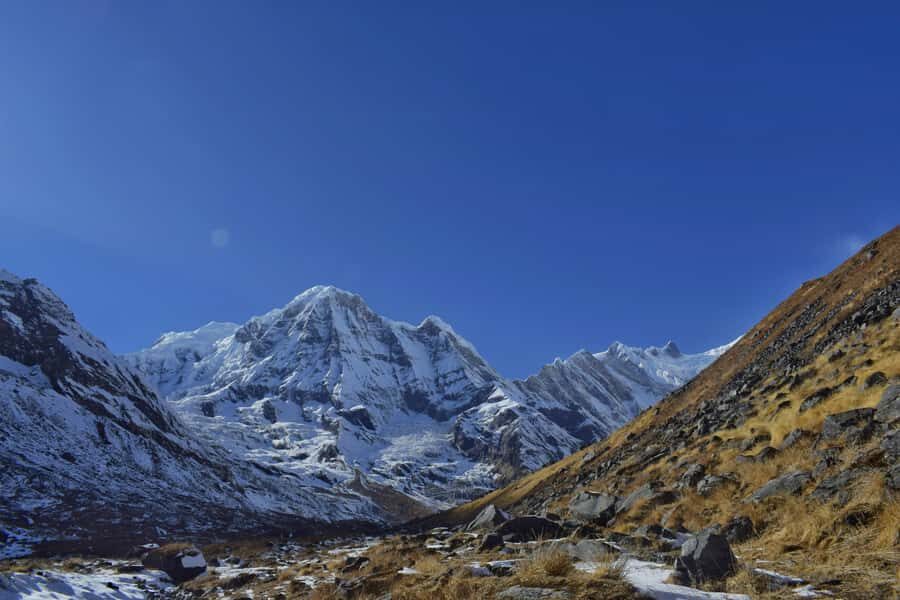
The terrain becomes more rugged, and the views more dramatic. On your way to ABC, you’ll pass through Machhapuchhre Base Camp, offering incredible photo ops of the iconic fishtail mountain. Many guests marvel at the lush contrast of the forested lower slopes with the snow-dusted peaks above.
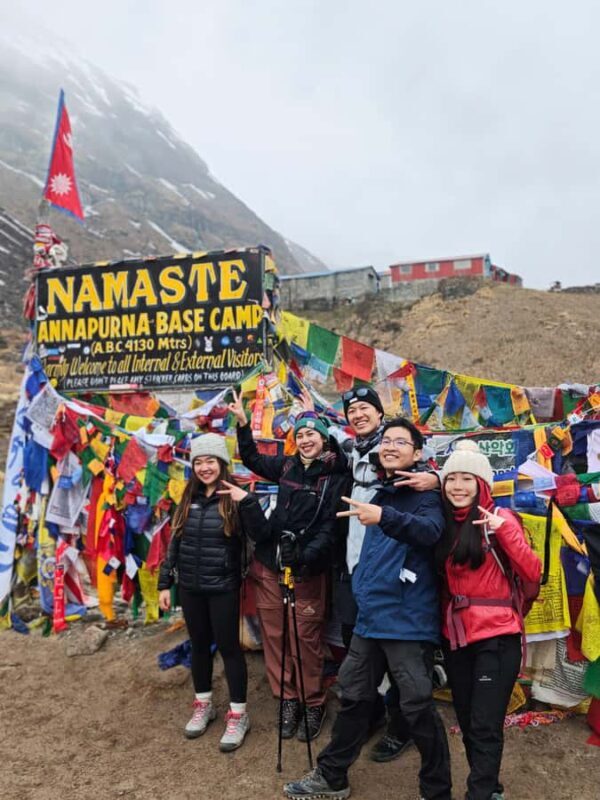
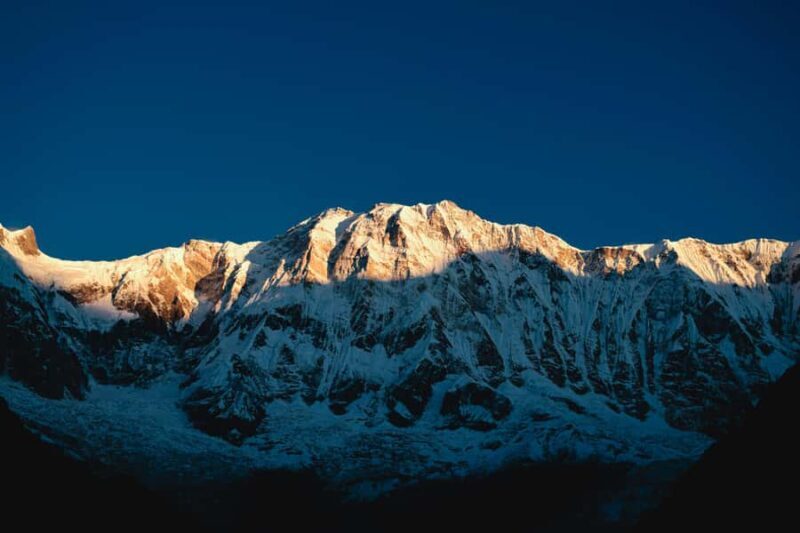
Reaching Annapurna Base Camp at 4,130 meters is a significant achievement. The early morning sunrise over Annapurna I, Machhapuchhre, and Hiunchuli is often described as “breathtaking,” with the peaks glowing against the dawn sky. Expect a mix of awe and quiet reflection during this moment.
Love being outdoors? Check out these other hiking spots we've covered in Kathmandu
- Kathmandu: Nagarkot & Changunarayan Temple Hiking With Lunch
- Kathmandu: Nagarkot Sunrise & Changunarayan Hike With Lunch
- Kathmandu: 4 Hour Short Nagarjun Jamacho Gumba Hiking
- From Kathmandu: Bethanchowk Hiking Trip With Sunset View
- Kathmandu: Fresh Air Hiking at Kapan-Jagdol-Nagi Gumba
- Kathmandu: Shivapuri National Park Top Day Hike With Lunch
Day 7: Optional Hot Springs and Return Journey
On the way down, many trekker reviews rave about the natural hot springs at Jhinu Danda. After several days of exertion, soaking here feels well-earned—many say it’s “the perfect way to relax muscles.” The descent back to Chhomrong or Nayapul is smoother and offers more scenic views.
Day 8: Back to Pokhara and Kathmandu
Your return involves a scenic drive or flight back to Pokhara, then onward to Kathmandu. Many reviews note that the return journey allows for reflection on the journey’s highlights and the chance to enjoy some last-minute shopping or sightseeing in Nepal’s bustling capital.
The Details That Matter
Logistics and Included Services
All logistics are thoughtfully managed. Permits—like the Annapurna Conservation Area Permit—are arranged beforehand. The guide, often Bikki Sundash, is praised for his local knowledge, friendly demeanor, and ability to keep the group motivated. The supplied porters handle carrying some of your gear, allowing you to conserve energy for the trail.
Meals are included and serve hearty, local dishes—dal bhat, momos, and fresh vegetables—that keep you fueled. Transport from Kathmandu to Pokhara, and between trailheads, is organized, removing the stress of arranging transport independently.
Accommodation and Facilities
Staying in Himalayan teahouses offers a cozy, authentic experience. Rooms are simple but comfortable, with basic bedding and shared facilities. Many find these stays charming, with guests often bonding over hot drinks and stories in the communal dining areas after a day of trekking.
When to Go: Best Seasons
The tour is most popular during March-May (spring) and September-December (autumn). During these months, the weather tends to be clear, and mountain views are spectacular. Traveling outside these seasons may introduce challenges like rain, snow, or fog, which can obstruct views and make trails slippery.
What to Pack
Expect to carry or rent necessary gear, including hiking shoes, thermal clothing, rain/windproof jackets, and essentials like sunscreen, sunglasses, and a reusable water bottle. The guide recommends bringing personal medications and a sleeping bag if you prefer your own bedding.
Audience Suitability
This trek is moderate in difficulty—no technical skills required but good fitness is essential. It’s not suitable for those with back, heart, respiratory issues, or altitude sickness. Reviewers note that the trek is achievable for most reasonably fit travelers who prepare ahead of time.
The Real Value: Why It’s Worth It
This guided Annapurna Base Camp trek offers an excellent balance of stunning scenery, cultural exposure, and logistical simplicity. The all-inclusive nature means you won’t have to worry about permits, transportation, or meals—everything is arranged for you. Plus, the guided format ensures safety and local insights that enhance the experience.
At a reasonable price point, considering the scope of logistics, accommodations, and guided service, it provides good value. The small group size (limited to one participant in some cases) offers personalized attention, which many reviewers appreciate. The tour’s flexible payment policy—reserve now, pay later—also adds peace of mind.
Who Will Love This Tour?
It’s ideal for active travelers who want a well-organized, authentic Himalayan experience without technical climbing. Those who appreciate culture, scenic beauty, and a comfortable yet adventurous journey will find this trek a perfect fit.
Final Thoughts
This 8-day Annapurna Base Camp trek is a fantastic way to see some of the most spectacular mountain scenery in Nepal while enjoying comfortable, authentic Himalayan hospitality. Its well-organized logistics and guided approach make it accessible for most fit travelers. Whether it’s your first trek in the Himalayas or a repeat adventure, you’ll leave with memories of breathtaking peaks, warm village encounters, and a sense of achievement.
FAQ
Is this trek suitable for beginners?
While no technical experience is required, it’s recommended that you have good fitness to handle the moderate difficulty and altitude changes comfortably.
What’s included in the tour price?
All logistics are covered, including permits, guide, porter, meals, transport, and accommodation in teahouses.
When is the best time to go?
The best seasons are during March to May (spring) and September to December (autumn) when weather conditions are most stable and views are optimal.
How strenuous is the trek?
It’s considered moderate difficulty—manageable for most healthy, active travelers but requires good physical fitness and acclimatization.
Are there any optional activities?
Yes, many choose to relax at Jhinu Danda’s hot springs near the end of the trek, which is highly recommended for recovery and relaxation.
What should I pack?
Bring sunglasses, hat, hiking shoes, sunscreen, thermal clothing, rain jacket, reusable water bottle, personal medications, and a sleeping bag if preferred.
In summary, this guided 8-day Annapurna Base Camp trek offers a balanced mix of natural beauty, cultural insight, and convenience. Perfect for those who want to experience the Himalayas without the stress of planning every detail, it provides a memorable journey through some of Nepal’s most breathtaking landscapes.
You can check availability for your dates here:More Historical Tours in Kathmandu
- 2 Days Seven Heritage and Nagarkot Sunrise Tour
- Nepal: 9 Heritage Tour in 7 Days with Lumbini & Chitwan
- Cultural tour around Kirtipur (city of glory)
- Kathmandu’s UNESCO world heritage sites day tour
- Full Day Bhaktapur and Patan Heritage City Tour in Kathmandu
- Sacred Kathmandu: 2-Day Heritage with Overnight
More Tours in Kathmandu
More Tour Reviews in Kathmandu
Still browsing? Here are more Kathmandu experiences we've covered recently
- Discover 12 Great Airport Transfers In Kathmandu
- 14 Best Tours In Kathmandu
- Which Kathmandu Tours & Experiences To Choose? Our Best 12 Picks
- 5 days Pokhara City Private Tour from Kathmandu
- Kathmandu: Everest Base Camp Helicopter Tour with Breakfast
- Kathmandu to Lukla one way Flight Ticket
- 1 Day Shivapuri Hiking from Kathmandu
- Poon Hill Trek – 5 Day / 4 Night (ex Kathmandu) – Daily Departure
- 11 days Panorama Panchase Homestay Trek
- 2 Days Seven Heritage and Nagarkot Sunrise Tour
- Kathmandu: Khumai Danda Trek with Meals and Guide
- Kathmandu City Tour