
When it comes to trekking in Nepal, the Mardi Himal Trek offers a refreshing alternative to the crowded Annapurna Circuit or Everest Base Camp routes. This 5-day adventure promises jaw-dropping vistas, peaceful forests, and charming mountain villages, all wrapped into a manageable yet immersive experience. While we haven’t personally hiked it, a close look at the itinerary, reviews, and overall setup reveals a trip packed with authentic Himalayan beauty and well-organized logistics.
What we really love about this trek is how accessible it is for those with limited time but still craving spectacular mountain scenery. The views of Machhapuchhre, Annapurna South, and Hiunchuli are consistently highlighted as some of the most stunning in Nepal. Plus, trekking with a live English-speaking guide and staying in authentic teahouses really enhances the experience, making it more personal and culturally engaging. One drawback that potential trekkers should consider is the high altitude—acclimatization and fitness levels are important for a smooth journey. This trek is perfect for those who love nature, want a manageable challenge, and seek well-rounded Himalayan views without the longer, more intense routes.
This trip is best suited for travelers who value authentic mountain experiences, enjoy small group tours, and prefer a guided approach to Nepal’s stunning scenery. It’s especially good if you want a balance between adventure and comfort, with the convenience of flights and transport included.
- Key Points
- An In-Depth Look at the Mardi Himal Trek
- Starting Point: Kathmandu to Pokhara and Kande
- Day 1: Kande to Pitam Deurali (2,142m)
- Day 2: Pitam Deurali to Low Camp (3,050m)
- Day 3: Low Camp to High Camp (3,600m)
- Day 4: High Camp to Mardi Himal Base Camp (4,500m) and Badal Danda (3,250m)
- Day 5: Downhill through Siding to Pokhara
- What Makes This Trek Stand Out?
- The Views
- Authentic Accommodation
- Guided Experience
- All-Inclusive Convenience
- Practical Considerations and Tips
- Altitude and Acclimatization
- Weather Variability
- What to Bring
- Who Should Consider This Trek?
- Final Thoughts
- FAQs
- More Historical Tours in Kathmandu
- More Tours in Kathmandu
- More Tour Reviews in Kathmandu
- Still browsing? Here are more Kathmandu experiences we've covered recently
Key Points
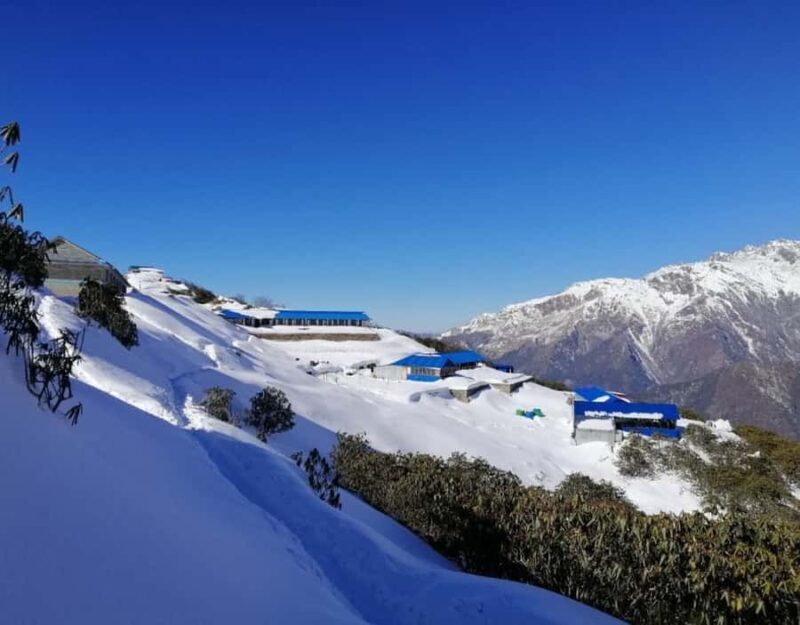
- Stunning Himalayan vistas of Machhapuchhre, Annapurna South, and Hiunchuli
- Authentic teahouse stays for an immersive cultural experience
- Accessible duration perfect for those with limited time
- Expert guide service ensures safety and local insights
- Beautiful forest trails and peaceful villages
- High-altitude viewpoints at Mardi Himal Base Camp (4,500m) for breathtaking photo opportunities
An In-Depth Look at the Mardi Himal Trek
Here are more experiences we've reviewed in Kathmandu
Starting Point: Kathmandu to Pokhara and Kande
The journey begins with a flight from Kathmandu to Pokhara, which is widely appreciated for its scenic views of rivers, hills, and lakes. From Pokhara, a drive to Kande marks the start of your trek. The airplane ride alone is worth the experience, offering a bird’s-eye view of Nepal’s rugged terrain and lush valleys. Several reviews mention how stunning the aerial views are, setting a perfect tone for what lies ahead.
Once in Kande, the trek kicks off with a gentle walk through forests, small stone villages, and terraced fields. This part of the trail is relatively mild, making it ideal for warming up and acclimatizing. You’ll stay overnight in a cozy teahouse, a chance to enjoy mountain hospitality and local flavors.
Day 1: Kande to Pitam Deurali (2,142m)
From Kande, your trail ascends through rhododendron and oak forests, a highlight for nature lovers. The journey is dotted with sights of traditional Nepali villages, small waterfalls, and lush greenery. The walk is manageable, but the changing scenery keeps it interesting. The first night at Pitam Deurali introduces travelers to the simple comfort of Himalayan teahouses and their breathtaking mountain views at sunset.
Day 2: Pitam Deurali to Low Camp (3,050m)
The second day is where the trek really starts to ascend into the mountains. Expect cooler air and more expansive views of the surrounding peaks. The trail continues through forests and small settlements, with some steep sections but overall a steady climb. Several reviews note how quiet and peaceful the forests are, offering a break from busy city life. Staying in Low Camp offers an opportunity to acclimatize while enjoying the panoramic vistas opening up along the trail.
More Great Tours NearbyDay 3: Low Camp to High Camp (3,600m)
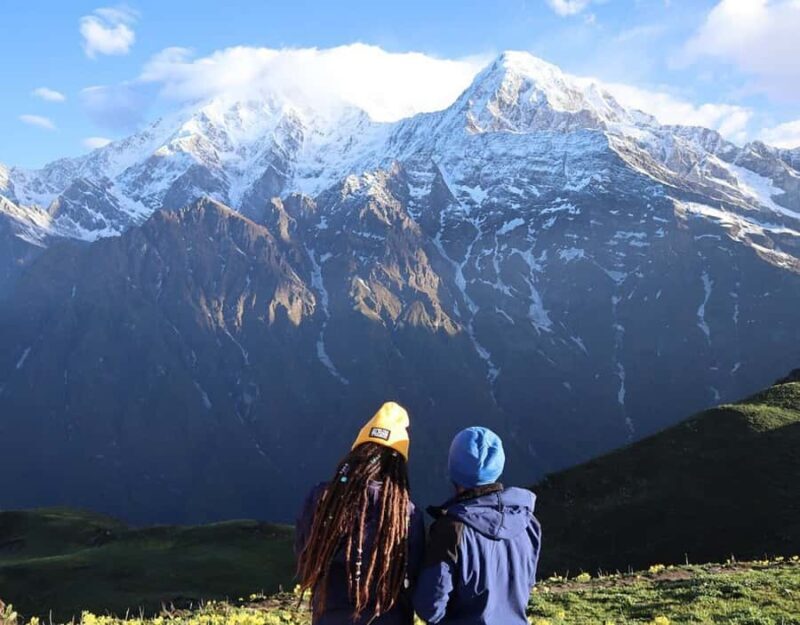
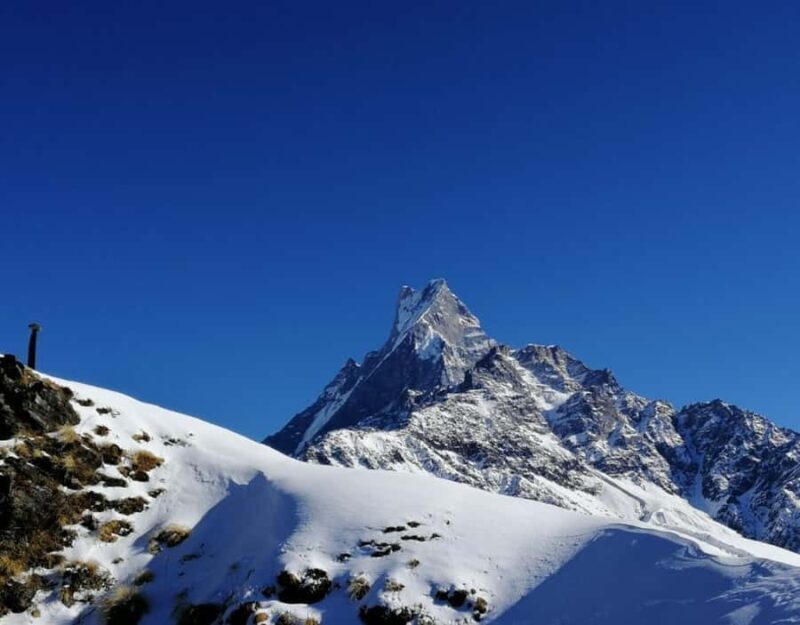
A highlight of the trek, this day follows a striking ridge with sweeping views of the Himalayas. The trail feels like walking along a scenic balcony, with Machhapuchhre (Fishtail Mountain) looking close enough to touch. Reaching High Camp is a memorable moment, often described as one of the most scenic viewpoints on the route. It’s a perfect spot for photography and soaking in the mountain majesty. Many trekkers comment on how the landscape feels untouched and serene at this elevation.
Enjoying having a local guide? These other guided experiences in Kathmandu might interest you
- Cultural Walk: Boudha Stupa and Pashupatinath With a Guide
- Kathmandu Heritage Tour: Guided Tour of World Heritage Site
- Kathmandu: Private Bhaktapur & Nagarkot Day Tour With Guide
- Kathmandu: Jamacho One Day Nature Walk With Guide
- Kathmandu: Food and Drink Tasting Walking Tour With Guide
- Kathmandu: Guided Walking Tour of Thamel Neighborhood
Day 4: High Camp to Mardi Himal Base Camp (4,500m) and Badal Danda (3,250m)
The early morning hike to Mardi Himal Base Camp is the culmination of the trek. From this vantage point, you’re treated to sweeping views of the Annapurna Range, including the iconic Fishtail Mountain. Some reviews mention the breathtaking scenery, with many describing the experience as a “once-in-a-lifetime view.” It’s a demanding ascent, but the reward is well worth the effort.
After visiting the Base Camp, the trek descends through clouds to Badal Danda, a quiet ridge offering different angles of the surrounding peaks. Staying here offers a sense of solitude and a chance to reflect on the day’s sights.
Day 5: Downhill through Siding to Pokhara
The final day involves a gentle descent through forested trails back to Siding village, where a shared jeep whisks you back to Pokhara. This downhill walk is often appreciated for its ease and scenic beauty. The journey back to Pokhara wraps up your adventure, leaving trekkers with a sense of accomplishment and loads of photos of the Himalayas.
What Makes This Trek Stand Out?
The Views
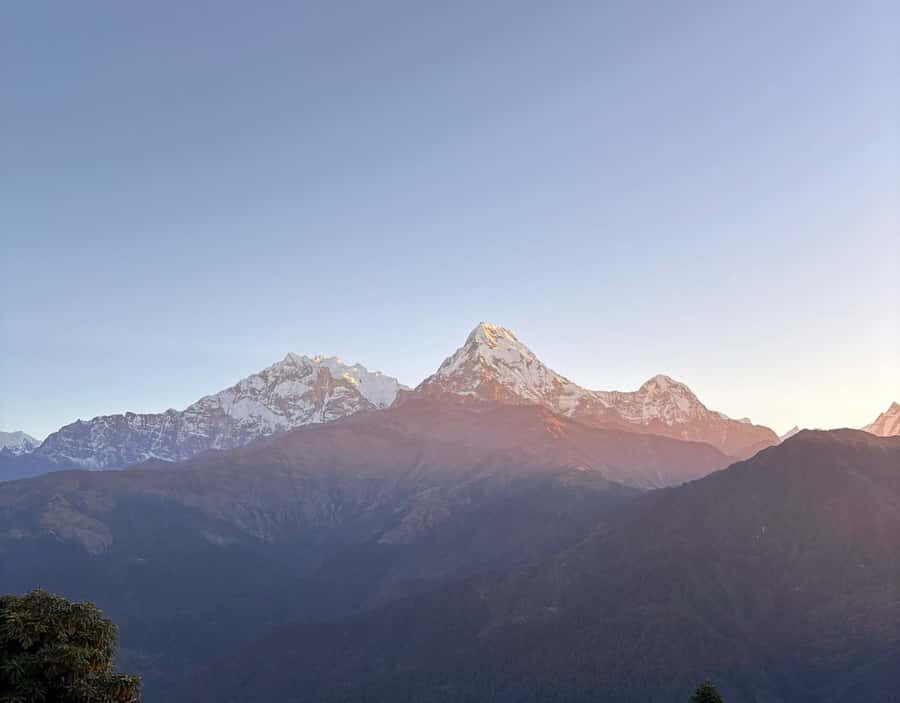
One of the strongest selling points of this trip is the scenery. From lush forests to panoramic mountain vistas, the scenery is consistently described as awe-inspiring. The highlight is the view from Mardi Himal Base Camp, where you’re surrounded by towering giants like Annapurna South and Machhapuchhre.
Authentic Accommodation
Staying in teahouses offers a genuine Himalayan experience. Many reviews mention the warmth of the staff and the chance to enjoy hearty, simple meals after a day on the trail. While the accommodations are basic, they provide the necessary comfort and a chance to connect with other trekkers.
Guided Experience
Having a live English-speaking guide ensures safety, local insights, and logistical ease. Guides like Bikki Sundash are praised for their professionalism and knowledge, making the journey smoother and more educational.
All-Inclusive Convenience
The tour includes flights, transport, and guided trekking, simplifying logistics so travelers can focus on the experience. The small group size (limited to 2 participants) offers a more personalized touch, with flexibility and attention from your guide.
Practical Considerations and Tips
Altitude and Acclimatization
Reaching 4,500 meters at Mardi Himal Base Camp is exhilarating but requires careful acclimatization. The itinerary’s design, with an overnight at High Camp and a gradual ascent, helps prevent altitude sickness. Still, hydration, pacing, and listening to your body are key.
Weather Variability
Nepal’s mountain weather can be unpredictable. Expect chilly mornings, potential rain, especially if you’re trekking in the shoulder seasons, and quite a bit of sun. Packing warm clothing, rain gear, and sun protection is essential.
What to Bring
Packing a daypack with snacks, camera, sunscreen, and water bottle is recommended. The trek involves basic accommodation, so bringing personal essentials like a flashlight, first aid kit, and extra layers will improve comfort.
Who Should Consider This Trek?
This route suits travelers with moderate fitness levels looking for a shorter trek with big rewards. It’s not suitable for those with mobility issues or serious health concerns given the altitude and trail conditions. Also, those who enjoy authentic mountain villages and spectacular viewpoints will find this trek very satisfying.
Final Thoughts
The Mardi Himal Trek offers a beautiful snapshot of Nepal’s Himalayan splendor in just five days. It strikes a lovely balance between adventure and comfort, with the convenience of organized flights and guided support. The views are truly stunning, especially at the Base Camp, and the experience feels both authentic and manageable.
This trek would be perfect for travelers who want a less crowded Himalayan adventure, but still crave scenery that blows the mind. Whether you’re a first-time trekker or someone short on time but eager to see the mountains, this route delivers a memorable, visually spectacular experience.
FAQs
Is prior trekking experience necessary?
Not necessarily. The trek is manageable for those with moderate fitness, but acclimatization at high altitudes is important. Following guide instructions helps ensure a safe adventure.
How difficult is the trek?
The trek involves some steep climbs and high-altitude hiking, but it’s designed to be accessible over 5 days, making it suitable for most people in good health.
What kind of accommodations are provided?
Basic teahouses are used for overnight stays, offering simple, comfortable rooms and hearty meals. The focus is on experiencing local hospitality without luxury.
Are meals included?
While the detailed meal plan isn’t specified, teahouses generally serve breakfast and dinner, with lunch possibly on the trail. The experience emphasizes local cuisine and hearty dishes.
How are transportation and flights arranged?
Flights from Kathmandu to Pokhara and the return are included, along with a drive from Pokhara to Kande and a jeep ride back from Siding to Pokhara, ensuring smooth logistics.
Can I join this trek if I have a flexible schedule?
Yes, the tour allows for reservations with flexible payment options (“Reserve now & pay later”) and cancellations up to 24 hours in advance, making it easy to plan around your schedule.
In summary, the 5-Day Mardi Himal Trek from Kathmandu is a fantastic way to experience Nepal’s stunning Himalayas without the extensive commitment of longer routes. Its combination of breathtaking views, culture, and professional guidance makes it a rewarding choice for adventure seekers and nature lovers alike.
You can check availability for your dates here:More Historical Tours in Kathmandu
- 2 Days Seven Heritage and Nagarkot Sunrise Tour
- Nepal: 9 Heritage Tour in 7 Days with Lumbini & Chitwan
- Cultural tour around Kirtipur (city of glory)
- Kathmandu’s UNESCO world heritage sites day tour
- Full Day Bhaktapur and Patan Heritage City Tour in Kathmandu
- Sacred Kathmandu: 2-Day Heritage with Overnight
More Tours in Kathmandu
More Tour Reviews in Kathmandu
Still browsing? Here are more Kathmandu experiences we've covered recently
- Discover 12 Great Airport Transfers In Kathmandu
- 14 Best Tours In Kathmandu
- Which Kathmandu Tours & Experiences To Choose? Our Best 12 Picks
- 5 days Pokhara City Private Tour from Kathmandu
- Kathmandu: Everest Base Camp Helicopter Tour with Breakfast
- Kathmandu to Lukla one way Flight Ticket
- 1 Day Shivapuri Hiking from Kathmandu
- Poon Hill Trek – 5 Day / 4 Night (ex Kathmandu) – Daily Departure
- 11 days Panorama Panchase Homestay Trek
- 2 Days Seven Heritage and Nagarkot Sunrise Tour
- Kathmandu: Khumai Danda Trek with Meals and Guide
- Kathmandu City Tour