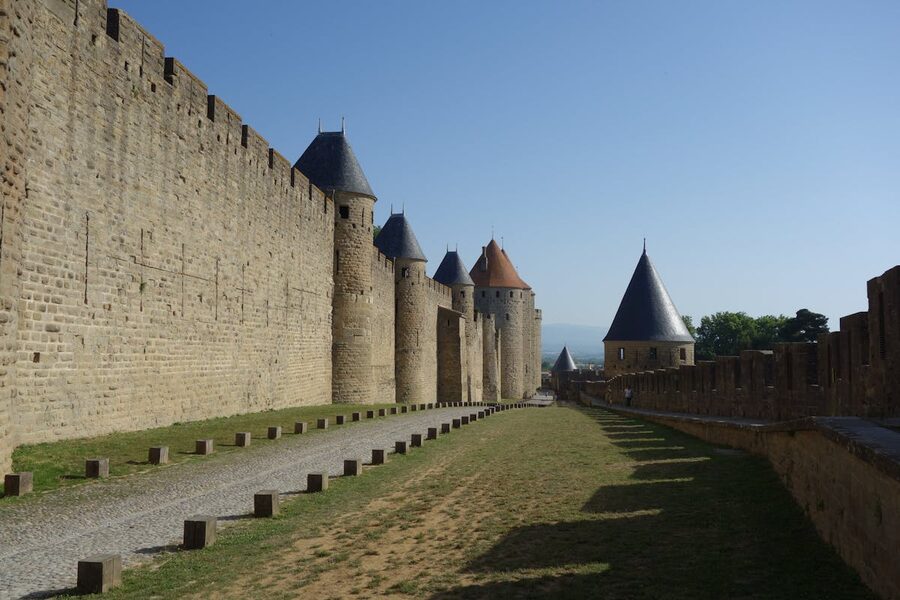
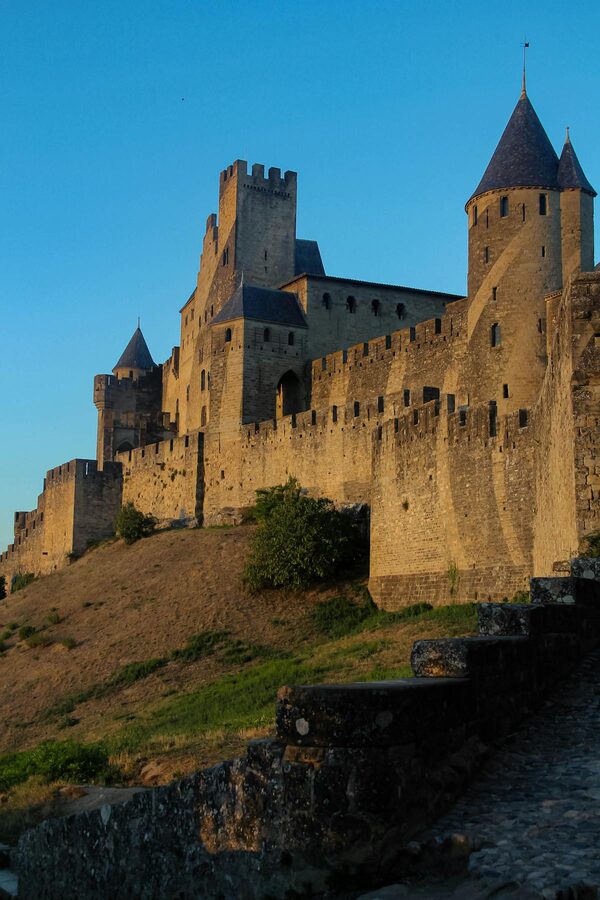
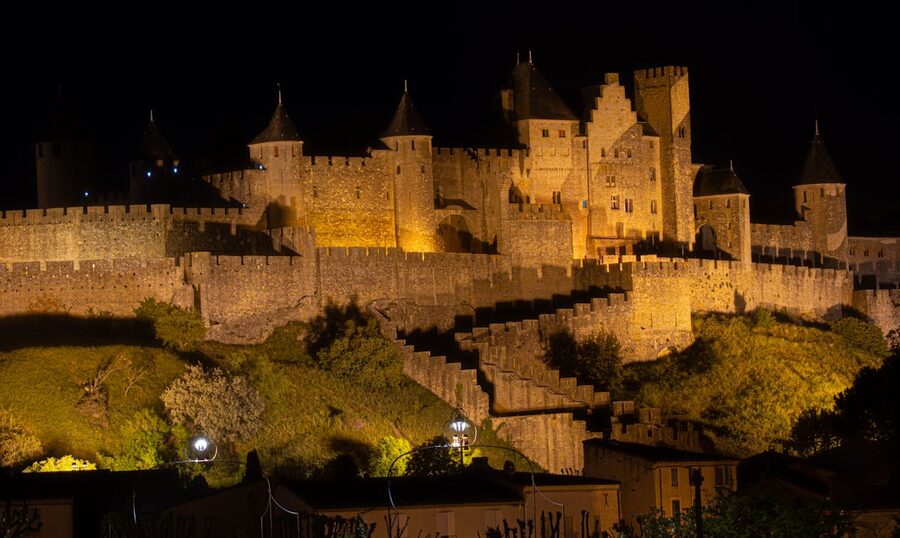
The first time you see Carcassonne, you will not believe it is real. Fifty-two towers. Three kilometres of double walls. A fortress that has been standing on this hilltop since the Romans, upgraded by the Visigoths, rebuilt by the French crown, and restored in the 19th century by the same architect who gave Notre Dame its spire.
It looks like someone took every medieval castle from every film you have ever watched and stacked them on top of each other. Then added a moat. Then added more towers.
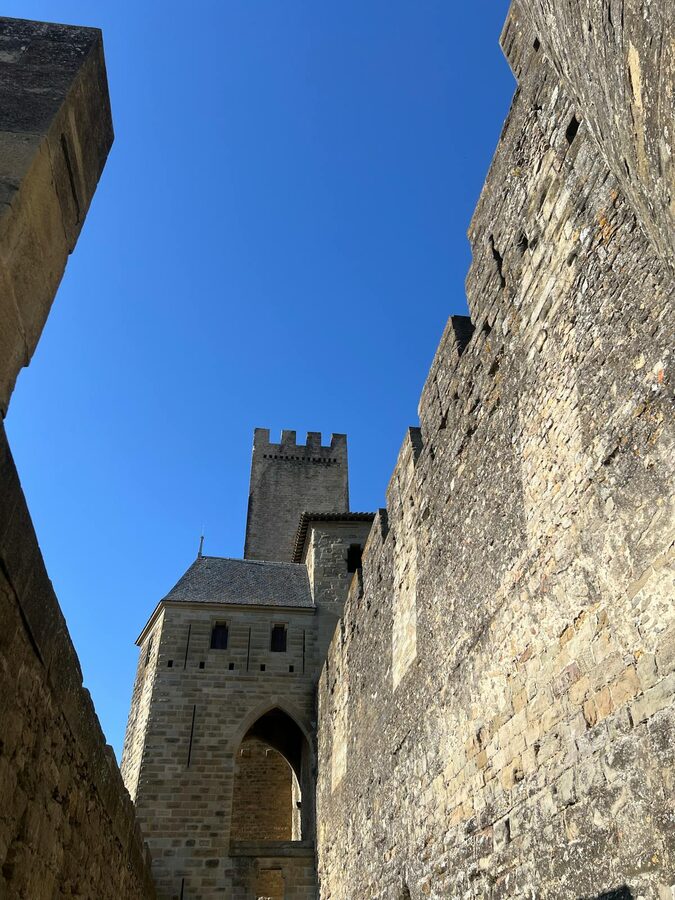
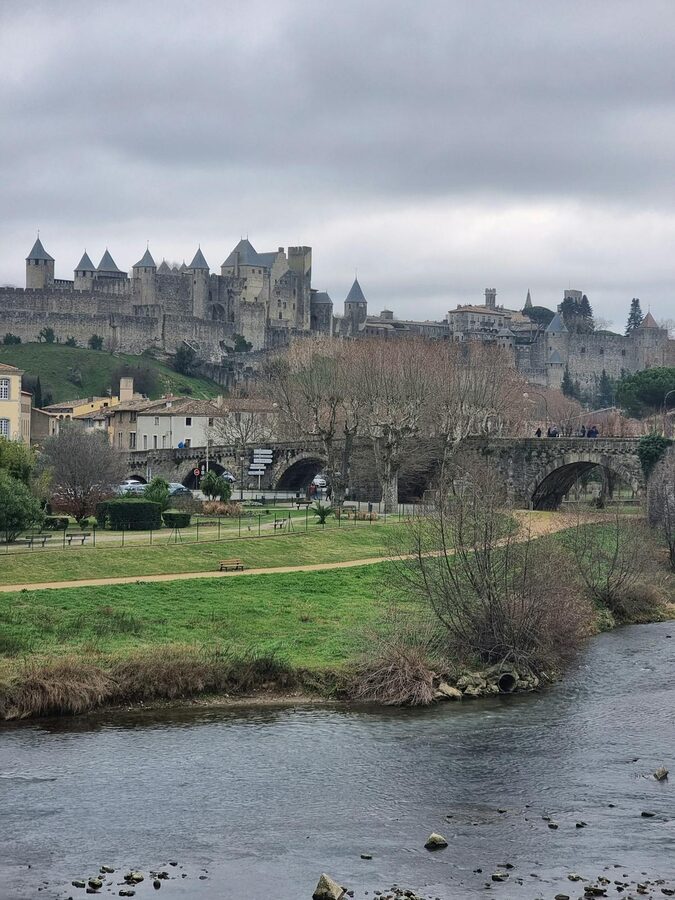
Carcassonne sits in the Languedoc region of southern France, about an hour east of Toulouse. The medieval cite (the walled upper town) is a UNESCO World Heritage Site and the most visited medieval fortress in Europe. The lower town — the Bastide Saint-Louis — has the restaurants, the markets, and the canal that connects the Atlantic to the Mediterranean.
This guide covers how to visit the castle and ramparts, the best guided tours, and the practical details that make the difference between a good visit and a great one.
- Quick Picks — How to Visit Carcassonne
- Understanding Carcassonne: What You Are Visiting
- The Cite (The Medieval Fortress)
- The Chateau Comtal and Ramparts (Ticketed)
- The Bastide Saint-Louis (Lower Town)
- How to Book Carcassonne Tickets
- Castle and Ramparts Entry
- Free Areas
- The Best Ways to Experience Carcassonne
- 1. Castle and Ramparts Entry Ticket —
- 2. Medieval Builder-Themed City Tour —
- 3. Walking Tour of the Medieval City —
- The History of Carcassonne
- When to Visit Carcassonne
- Best Time of Year
- Best Time of Day
- Practical Information
- More France Guides
Quick Picks — How to Visit Carcassonne
Best guided tour: Medieval Builder-Themed City Tour — around $23, 90 minutes focused on how the fortress was actually constructed. Fascinating even for non-history buffs.
Best walking tour: Walking Tour of the Medieval City — around $17, 90 minutes covering the full history from Romans to restoration. Excellent guides who work rain or shine.
Understanding Carcassonne: What You Are Visiting
Carcassonne has two distinct parts, and understanding this before you arrive makes the visit much better.
The Cite (The Medieval Fortress)
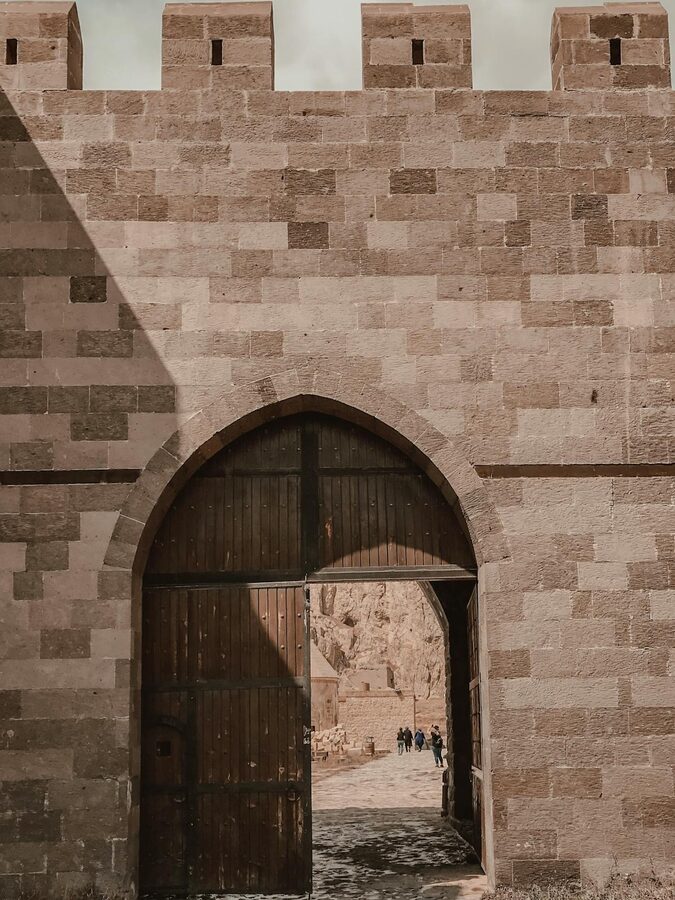
The upper walled city is the main attraction. Walking through the Narbonnaise Gate into the cite is like stepping into a medieval town that never stopped being medieval. Cobblestone streets, stone buildings, a basilica, and the Chateau Comtal (the castle within the castle) sit inside the double ring of walls.
The cite itself is free to enter. You walk through the gate and you are in — no ticket needed for the streets, the shops, or the Basilica of Saints Nazarius. The ticket is only required for the Chateau Comtal and the rampart walkways, which are the parts you should not skip.
The Chateau Comtal and Ramparts (Ticketed)
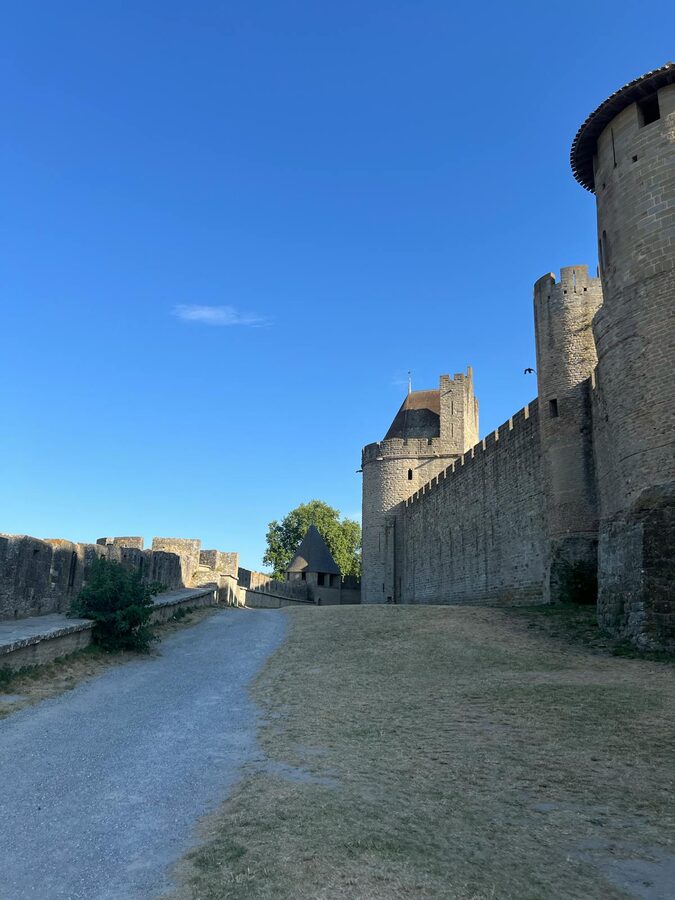
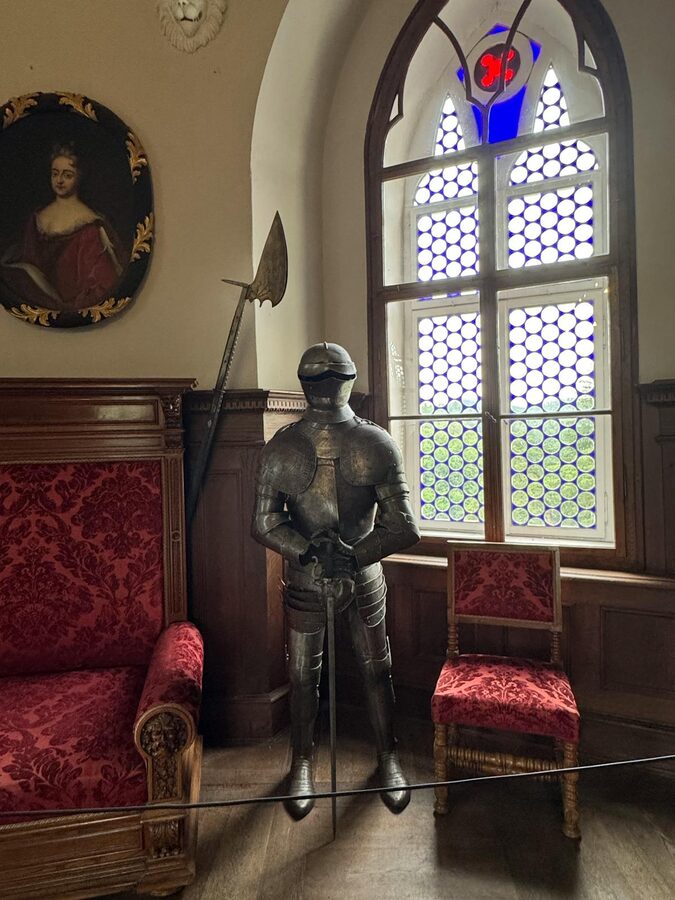
The Chateau Comtal is the 12th-century castle inside the cite walls. The entry ticket gives you access to the castle interior (including the museum, the courtyard, and the towers you can climb) plus sections of the rampart walkways that are closed to the general public.
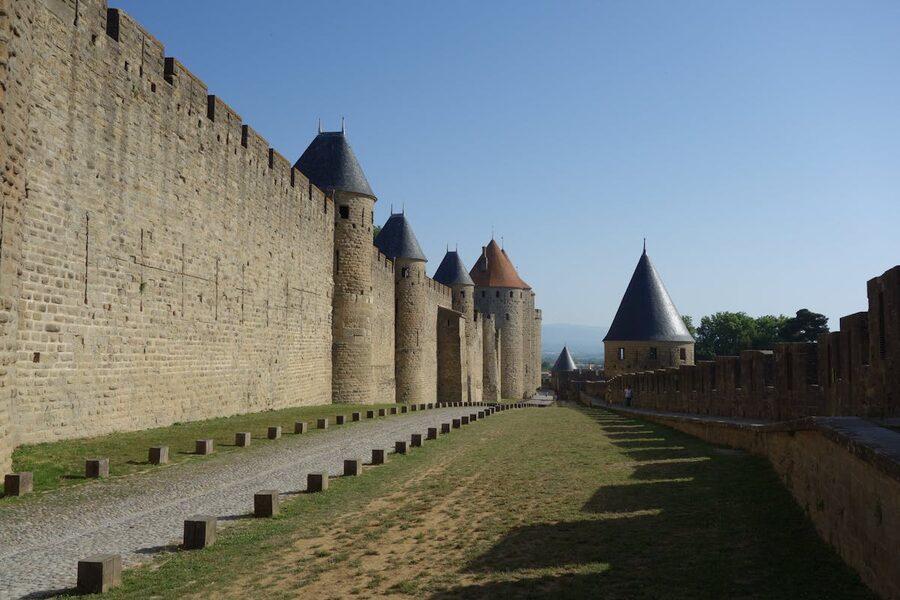
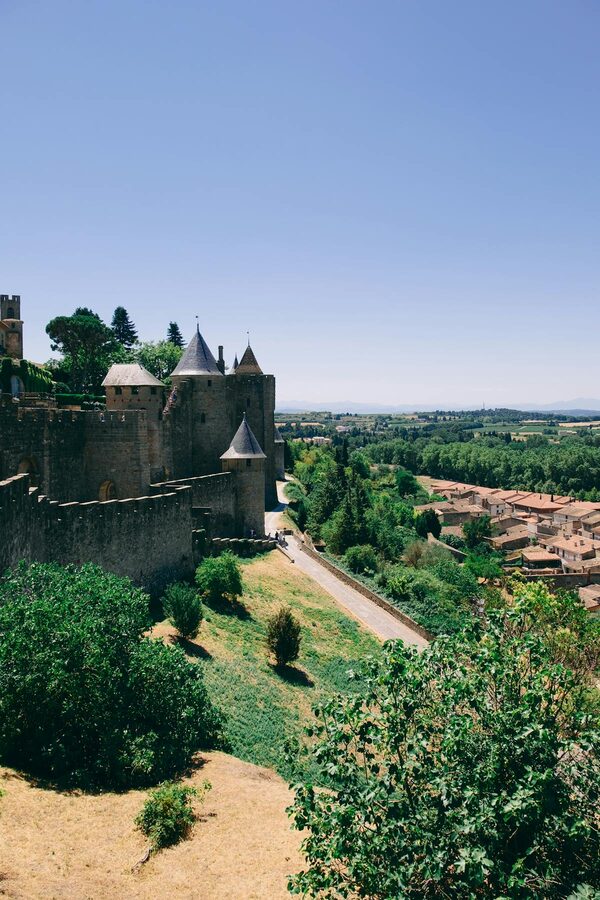
The ramparts are the highlight. Walking along the top of the walls between the inner and outer rings, looking down into the lices (the gap between the two walls) and out across the Languedoc countryside, is the moment when you understand why this fortress was considered impregnable for 600 years.
The Bastide Saint-Louis (Lower Town)
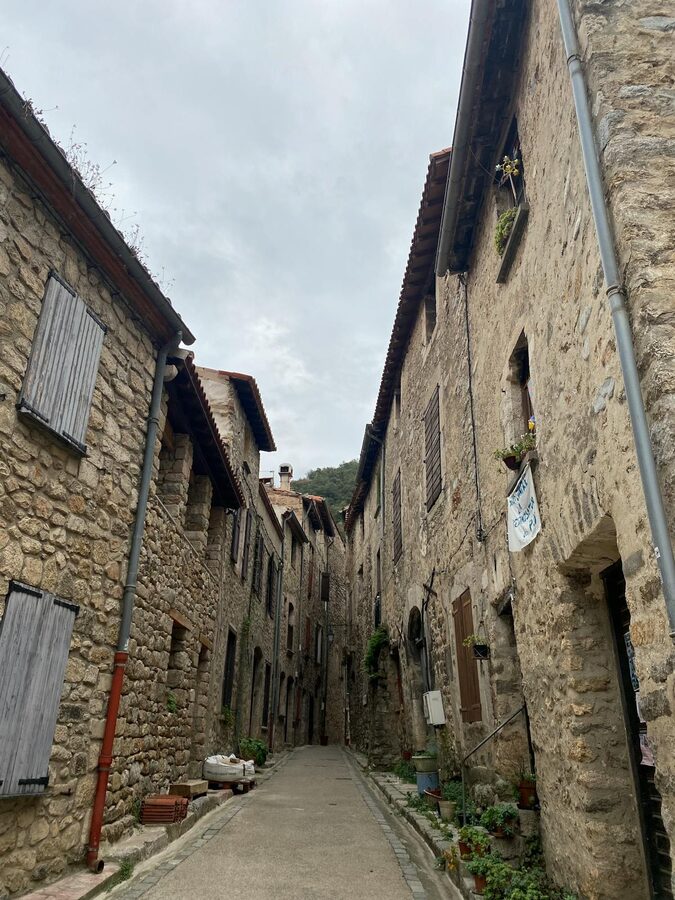
The lower town on the other side of the river is where locals actually live. It has the best restaurants (the cite restaurants are mostly tourist traps), the weekly market (Tuesdays, Thursdays, and Saturdays), and a grid of 13th-century streets that are worth an hour of exploration.
The Canal du Midi runs through the lower town — a 17th-century engineering marvel that connected the Atlantic to the Mediterranean and is now a UNESCO World Heritage Site in its own right.
How to Book Carcassonne Tickets
Castle and Ramparts Entry
The Chateau Comtal entry ticket costs around 11 euros at the door or $15 through GetYourGuide (the GYG price includes a small booking fee but adds skip-the-line access and free cancellation). The ticket covers the castle interior, the museum, and the rampart walkways.
An audio guide is available for rent at the ticket office (about 6 euros extra) and is worth getting. The castle rooms and ramparts are visually impressive but the stories behind them — the sieges, the Cathar persecution, the 19th-century restoration — are what make the visit memorable.
Free Areas
The cite streets, the shops, the restaurants, and the Basilica of Saints Nazarius are all free to access. You can spend a full morning in the cite without buying a ticket. But the rampart walkways and the castle interior are the experiences that elevate Carcassonne from “pretty medieval town” to “one of the best fortress visits in Europe.”
The Best Ways to Experience Carcassonne
1. Castle and Ramparts Entry Ticket — $15
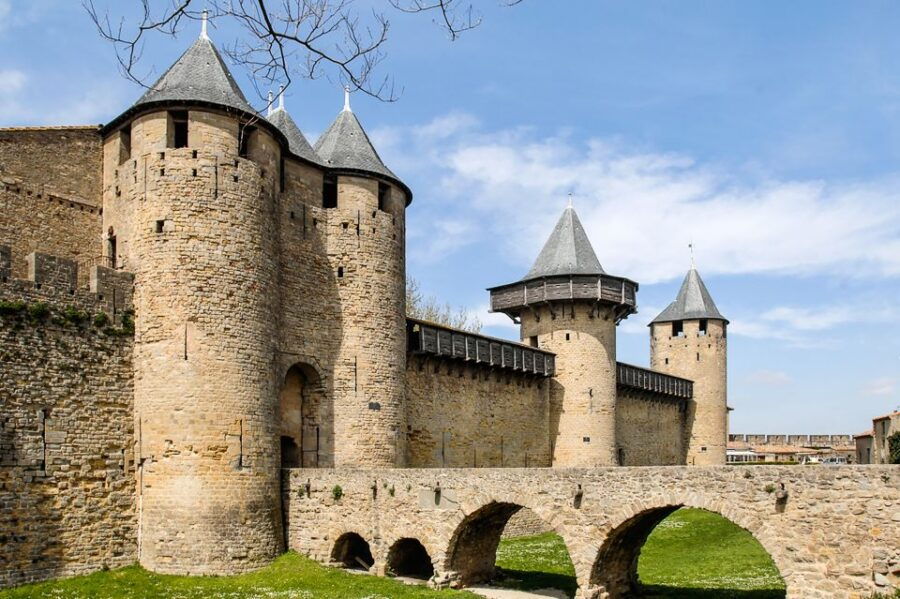
The self-guided entry ticket is what most visitors need. You get access to the Chateau Comtal, the museum covering the castle’s history from Roman foundations to modern restoration, and the rampart sections that are closed to the general public. Budget 90 minutes to 2 hours for a thorough visit. We cover this experience in detail in our full review of the entry ticket.
Rent the audio guide at the entrance — it adds the stories that the stone walls cannot tell on their own. The siege of 1209, the Cathar persecution, the moment the fortress was nearly demolished for building materials before a public outcry saved it. At $15 plus $6 for the audio, this is still cheaper than most Paris museums and arguably more impressive.
Arrive early. The cite opens at dawn (the streets are public) but the castle opens at 10am April-September. The first 30 minutes are the quietest. By 11am the tour buses have arrived and the rampart walkways get crowded.
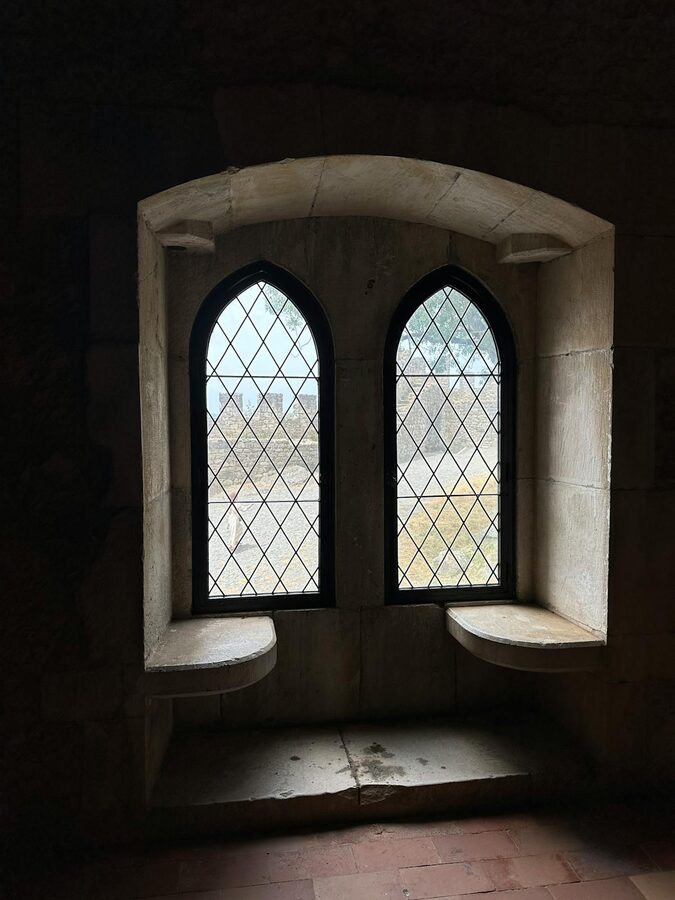
2. Medieval Builder-Themed City Tour — $23
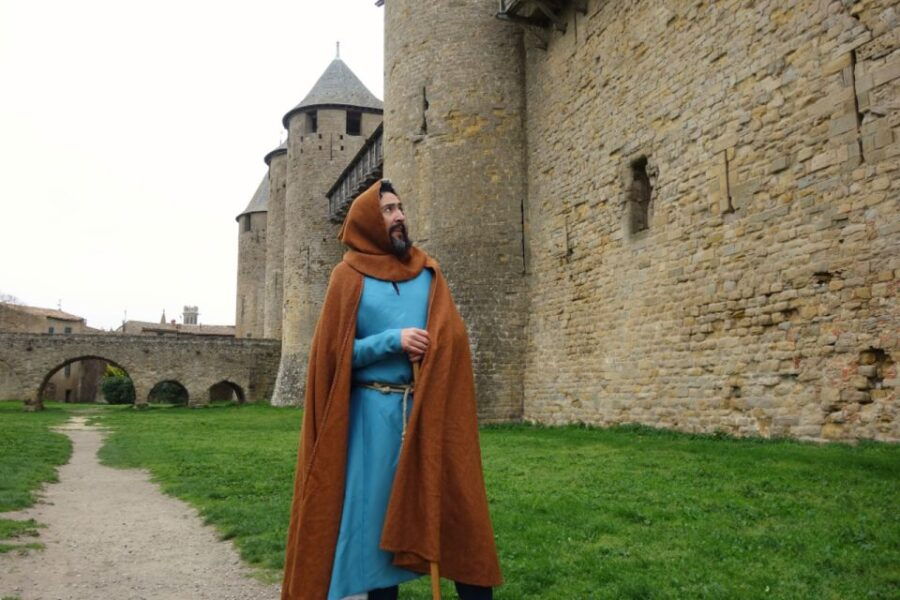
This 90-minute guided tour takes a different angle from the standard history walk. Instead of focusing on who lived here and who fought here, it focuses on how the fortress was actually built — the engineering decisions, the construction techniques, and the logistics of building a double-walled fortress on a hilltop in the 13th century. Our full review covers what to expect.
At $23 for 90 minutes with a guide, this is excellent value and a refreshing change from the typical “here is where the king stood” format. If you have children who are interested in building things, this tour will hold their attention in ways that art museums cannot. If you are an adult who has ever wondered how people built walls this big without machinery, this is your answer.
The tour does not include castle entry — add the $15 ticket separately for the full experience. Do the tour first (exterior and streets), then enter the castle on your own with the context the guide provided.
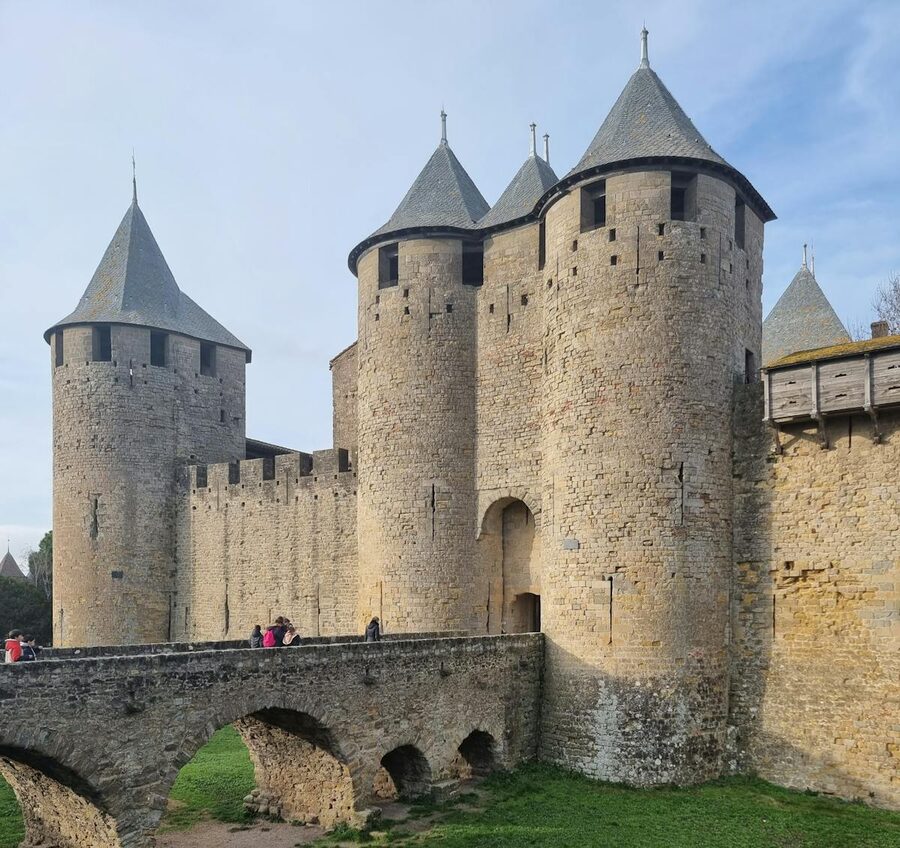
3. Walking Tour of the Medieval City — $17
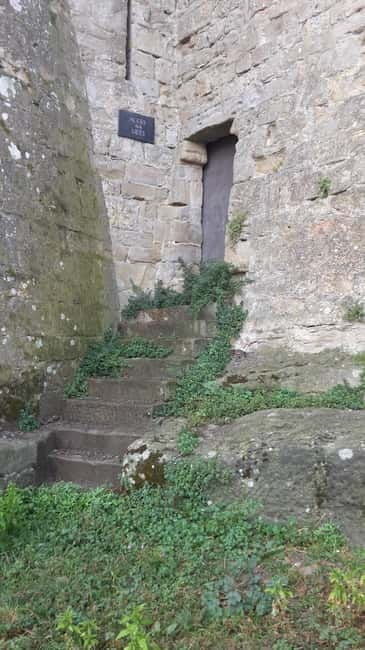
A 90-minute guided walk through the medieval cite covering the full history — from the Roman oppidum to the Visigothic kingdom, through the Cathar crusade and the royal fortification, to the near-destruction and eventual UNESCO listing. The guide, Nathalie, is excellent — knowledgeable, engaging, and committed to running the tour regardless of weather. Our full review has the details.
At $17 this is the cheapest guided option and the best introduction to Carcassonne for first-time visitors. The guide covers the streets and exterior features — the gates, the lices between the walls, the Basilica of Saints Nazarius with its extraordinary stained glass, and the viewpoints over the lower town and the Pyrenees.
Like the builder tour, this does not include castle entry. Pair it with the $15 entry ticket for the complete experience — guided exterior context followed by self-guided castle exploration.
The History of Carcassonne
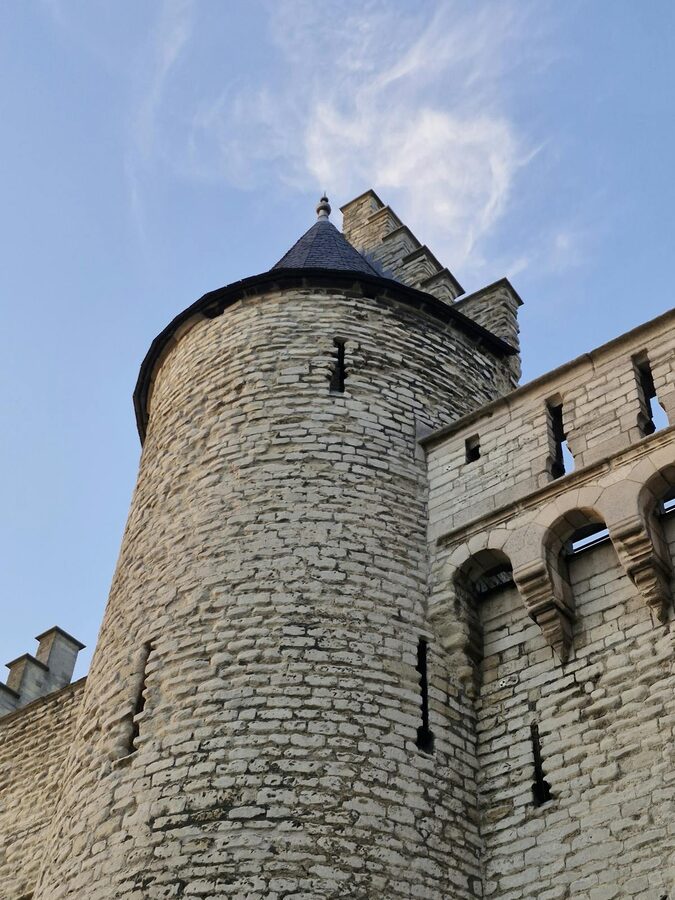
The hilltop has been fortified since at least the 3rd century BC when the Gauls built an oppidum (fortified settlement) here. The Romans took it, walled it, and made it a key point on the road between Toulouse and the Mediterranean. When the Roman Empire fell, the Visigoths inherited the fortress and added their own towers — some of which are still standing at the base of the walls.
The fortress passed through Saracen, Frankish, and feudal hands before the Cathar heresy brought it to the attention of the Pope. In 1209, Simon de Montfort’s crusading army besieged the city. The garrison surrendered after two weeks — not from military defeat but from thirst. The wells had run dry. De Montfort took the fortress and the French crown eventually absorbed it, building the outer wall and the towers that define the skyline today.
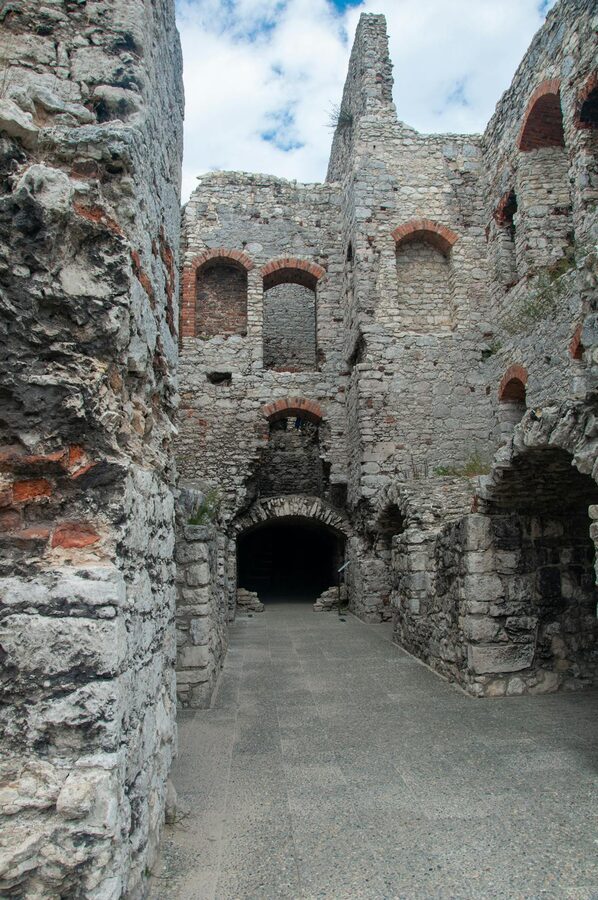
By the 17th century, the fortress had lost its military value. The border with Spain moved south after the Treaty of the Pyrenees, and Carcassonne found itself in the middle of France rather than on its frontier. The cite fell into ruin. Locals used the walls as quarries, pulling stones for new buildings in the lower town.
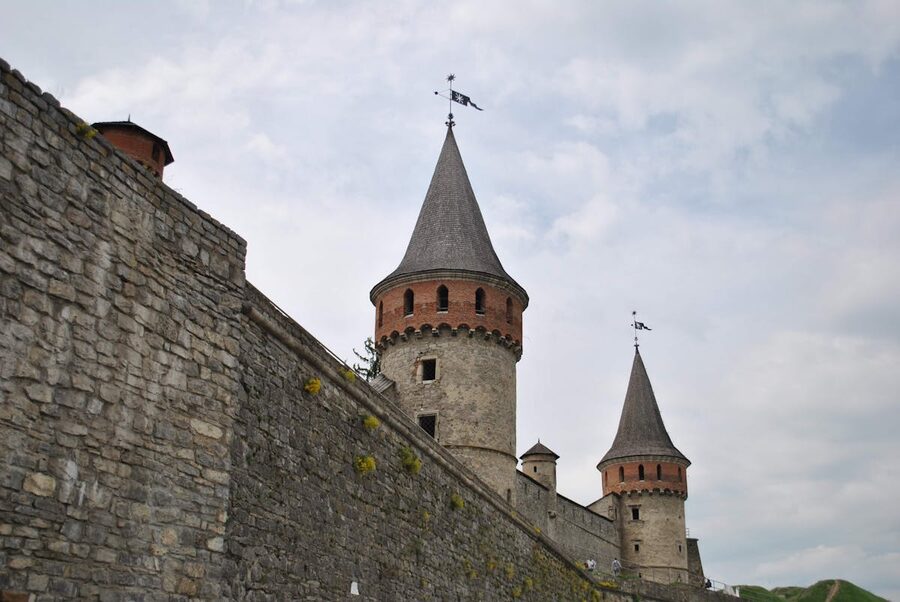
In 1853, the architect Eugene Viollet-le-Duc (the same man who restored Notre Dame in Paris) began a massive restoration that would take decades. He rebuilt the conical tower roofs, restored the ramparts, and reconstructed the gates. His work was controversial then and remains so now — purists argue he made the fortress look too “fairy tale” — but without him, Carcassonne would be a pile of rubble.
When to Visit Carcassonne
Best Time of Year
May-June and September-October: Warm weather (20-28 degrees), manageable crowds, and the best light for photography. The cite is beautiful in any season but summer crowds (July-August) can make the narrow streets feel claustrophobic.
July 14 (Bastille Day): Carcassonne hosts one of the largest fireworks displays in France. The fortress is illuminated and the fireworks are launched from within the walls. It draws 700,000 spectators and is genuinely spectacular — but plan accommodation months ahead.
Winter (November-March): The cite is dramatically quieter. The castle has reduced hours but is still open. The low winter sun creates long shadows across the walls that are strikingly photogenic. Temperatures are mild (5-12 degrees) — this is the south of France, not the Alps.
Best Time of Day
Early morning or late afternoon. The cite gates are always open (the streets are public), so you can walk the streets at sunrise without a ticket. The castle opens at 10am. By 11am the first tour buses arrive. After 5pm the day-trippers leave and the cite returns to its residents.
Practical Information
Getting there: Carcassonne has its own airport (CCF) with budget airline connections. The train station (Gare de Carcassonne) is served by TGV from Paris (5 hours), Toulouse (50 minutes), and Montpellier (2 hours). By car from Toulouse, it is about 1 hour on the A61 motorway.
Getting to the cite: The cite is uphill from the train station — a 25-minute walk or a short taxi ride. A free shuttle bus runs in summer from the lower town to the cite entrance.
How long to spend: Half a day minimum. 2-3 hours covers the castle, ramparts, and a walk through the streets. A full day lets you explore the lower town, eat lunch properly, and see the cite at different times of day.
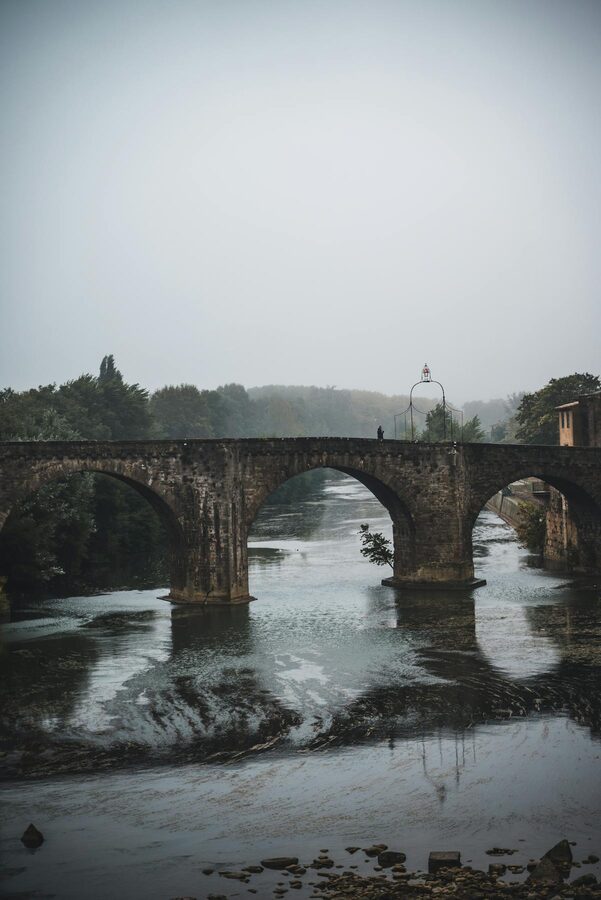
Where to eat: Avoid the cite restaurants — they are overpriced and mediocre. Cross the Pont Vieux to the Bastide Saint-Louis for genuine Languedoc cooking at local prices. Cassoulet (the regional bean and sausage stew) is the dish to order. Every restaurant has its own recipe and will argue that theirs is the authentic one.
What to bring: Comfortable shoes — the cobblestones are uneven and the rampart walkways have steep steps. Sunscreen and water in summer — the walls trap heat and there is little shade. A jacket in any season — the ramparts catch wind.
More France Guides
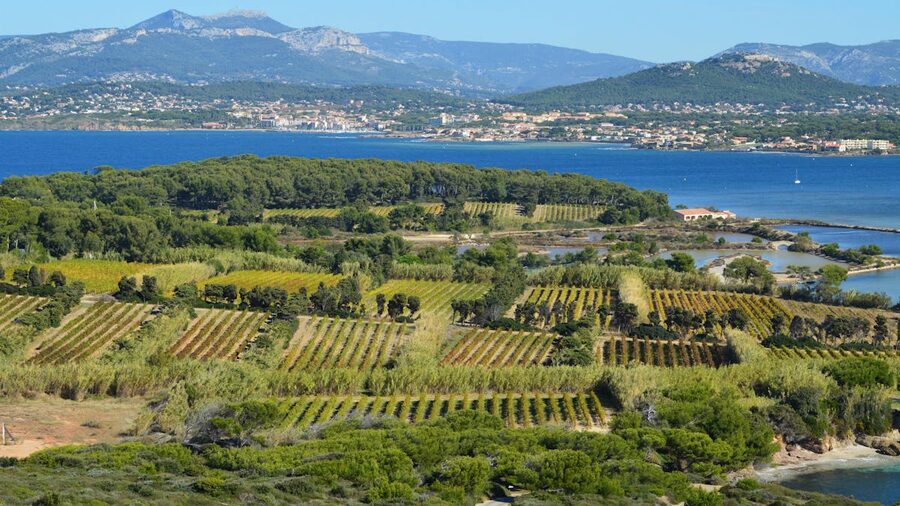
Carcassonne is in the heart of southern France, which means the rest of the region is within easy reach. The Marseille Calanques are 3 hours east along the coast and offer a completely different Mediterranean experience. Nice is further east but reachable by TGV if you have a day to spare. And for a return to Paris, the Notre Dame restoration makes an interesting comparison — the same architect, Viollet-le-Duc, restored both Carcassonne and Notre Dame, and his approach to medieval architecture defines how we see both landmarks today.