
The Colosseum Arena and St. Peter’s Prison stand as powerful symbols of Rome’s complex history. The Colosseum, with its echoes of gladiatorial combat, reveals the brutal realities of ancient entertainment. In contrast, St. Peter’s Prison offers a glimpse into the redemptive nature of faith, housing the stories of saints who endured suffering for their beliefs. Together, they illuminate the duality of existence in this remarkable city, inviting exploration into the lives that intertwined within their walls.
- Key Points
- The Historic Significance of the Colosseum
- Exploring the Grandeur of the Arena Floor
- A Journey Through the Roman Forum
- Discovering the Mysteries of Palatine Hill
- Unveiling the Secrets of Mamertine Prison
- The Life of Gladiators in Ancient Rome
- The Legacy of Saints and Martyrs in Rome
- Frequently Asked Questions
- How Long Is the Guided Tour of the Colosseum and Surrounding Sites?
- Are There Age Restrictions for Children on This Tour?
- What Should I Wear for a Comfortable Experience During the Tour?
- Can I Take Photographs Inside the Colosseum and Mamertine Prison?
- Are Food and Drinks Allowed During the Tour?
- The Sum Up
- More Tours in Rome
- More Tour Reviews in Rome
- Still browsing? Here are more Rome experiences we've covered recently
Key Points
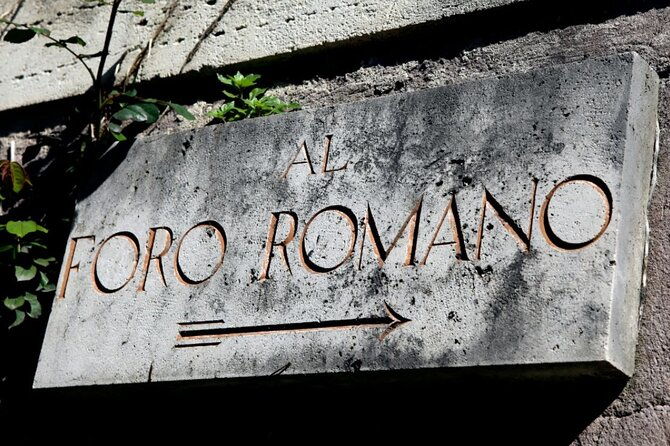
- The Colosseum was a site of gladiatorial contests, symbolizing the brutality and spectacle of ancient Roman entertainment.
- Gladiators, often slaves or prisoners, trained rigorously for survival, facing a high likelihood of death in the arena.
- St. Peter’s Prison, linked to early Christian martyrs, reflects the juxtaposition of violence and faith in ancient Rome.
- The Colosseum and St. Peter’s Prison illustrate the contrasting narratives of power, persecution, and the endurance of the human spirit.
- Both sites attract millions, offering insights into the cultural and historical complexities of Roman society.
The Historic Significance of the Colosseum
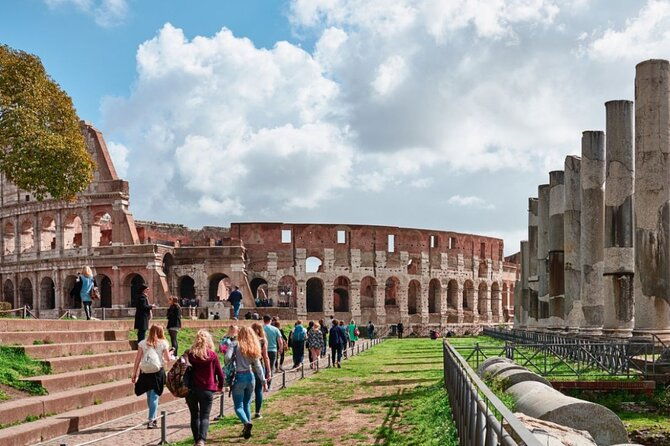
Although many structures have come and gone, the Colosseum stands as a monumental testament to ancient Roman engineering and culture.
Completed in AD 80, this iconic amphitheater showcased Rome’s architectural prowess, featuring a complex system of vaults and arches. It once hosted gladiatorial contests, public spectacles, and dramatic performances, uniting thousands in shared experiences.
The Colosseum symbolizes the might of the Roman Empire, reflecting its values and social hierarchy.
Today, it remains a powerful reminder of history, drawing millions of visitors eager to explore its storied past. Its enduring presence captivates the imagination, embodying the spirit of ancient Rome.
Looking for more options in Rome? We've reviewed plenty of other experiences.
Exploring the Grandeur of the Arena Floor
Stepping onto the arena floor of the Colosseum is like walking through a portal to ancient Rome, where the echoes of roaring crowds still resonate.
Visitors can almost envision gladiators clashing in intense combat, while wild beasts prowled beneath the surface.
The arena, once the center of thrilling spectacles, showcases intricate designs and exceptional engineering.
Its grandeur captivates those who tread upon it, revealing the skill behind its construction.
As sunlight filters through the towering arches, it illuminates the stories of valor and sacrifice etched into its stones, inviting everyone to connect with a remarkable past that shaped the city’s identity.
A Journey Through the Roman Forum
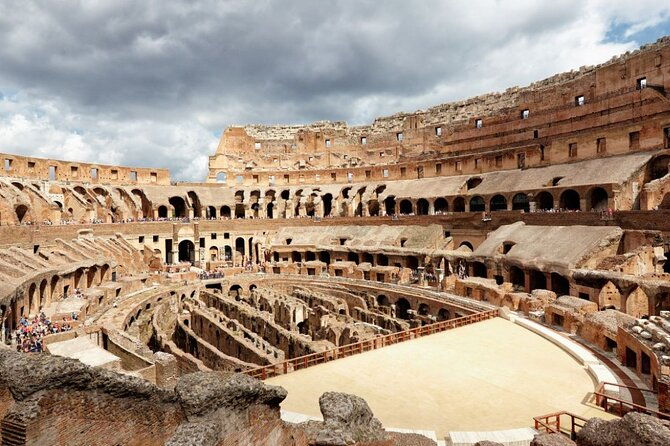
As visitors wander through the Roman Forum, they find themselves immersed in a vibrant tapestry of history, where the remnants of ancient structures whisper tales of political power, social life, and public gatherings.
The forum, once the heart of Roman public life, showcases impressive ruins like the Senate House and the Temple of Vesta. Each stone reveals stories of triumphs and tribulations.
Enthusiastic guides share fascinating insights, helping travelers visualize the bustling marketplace and lively debates that once filled the air.
Exploring this iconic site, they connect with the pulse of ancient Rome, leaving with a deeper appreciation for its enduring legacy.
Discovering the Mysteries of Palatine Hill
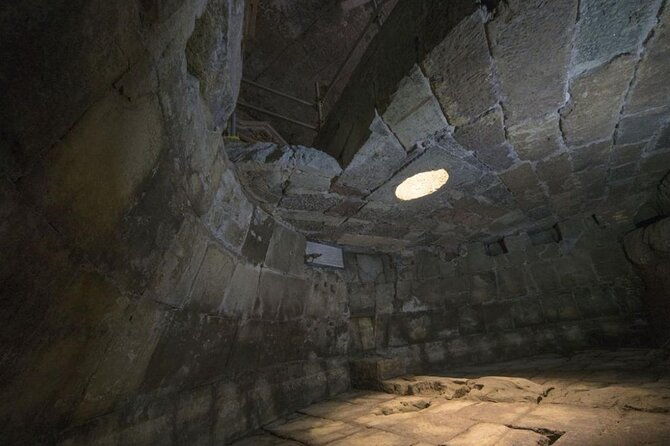
What secrets lie beneath the sun-drenched slopes of Palatine Hill? This ancient site, often regarded as the birthplace of Rome, holds tales of emperors, lavish palaces, and vibrant gardens.
Visitors can explore the ruins of grand structures like the House of Augustus, where whispers of political intrigue linger. As they wander, they’ll encounter remnants of temples dedicated to gods and the stunning views of the Roman Forum below.
Each stone tells a story, inviting explorers to unravel the mysteries of a civilization that shaped the world. Palatine Hill remains a captivating testament to Rome’s glorious past, beckoning curious minds.
Unveiling the Secrets of Mamertine Prison
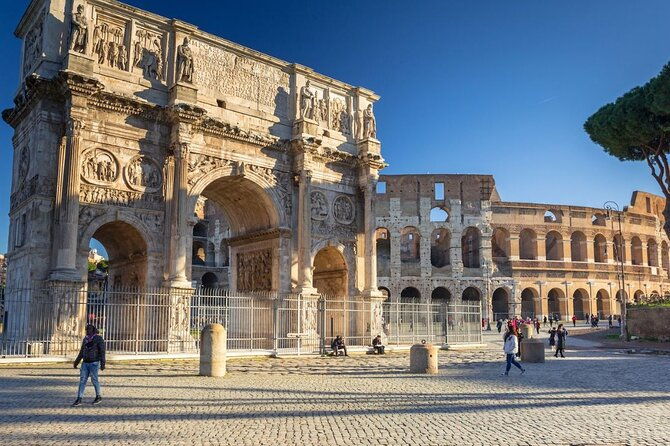
How did Mamertine Prison, a site shrouded in mystery, become a pivotal location in Rome’s history?
This ancient facility, often overshadowed by the grandeur of the Colosseum, served as a holding cell for notable prisoners, including the Apostle Peter.
Its dark, damp chambers whispered tales of betrayal and execution, revealing the harsh realities of Roman justice.
The prison’s unique architecture, featuring a subterranean dungeon, reflects a blend of utility and intimidation.
Today, guided tours unveil its secrets, offering visitors a glimpse into the lives of those who suffered within its walls, enriching our understanding of Rome’s complex past.
- Entry Ticket to IKONO Roma: Immersive Experience
- Rome: Colosseum and Roman Forum Private Tour
- The Roman Food Tour in Trastevere With Free-Flowing Fine Wine
- Skip the Line Vatican, Sistine Chapel, Basilica & Papal Tomb Tour
- VIP, Small-Group Colosseum and Ancient City Tour
- Rome in a Day Group Tour With Entry to Vatican and Colosseum
The Life of Gladiators in Ancient Rome
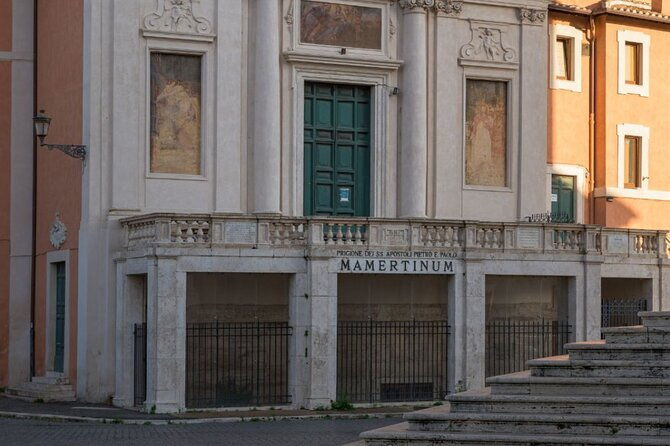
While many people romanticize the idea of gladiators as fierce warriors fighting for glory, the reality of their lives in ancient Rome was often far more complex and brutal. Gladiators, mostly slaves or prisoners, faced fierce training regimes and fought for survival rather than honor. Their existence revolved around the arena, where they entertained crowds but risked death daily. Despite some achieving fame, most endured harsh conditions and exploitation.
| Aspect | Description |
|---|---|
| Status | Mostly slaves or prisoners |
| Training | Intense and brutal |
| Motivation | Survival, not glory |
| Public Perception | Both feared and admired |
| Life Expectancy | Short, often ending in death |
The Legacy of Saints and Martyrs in Rome
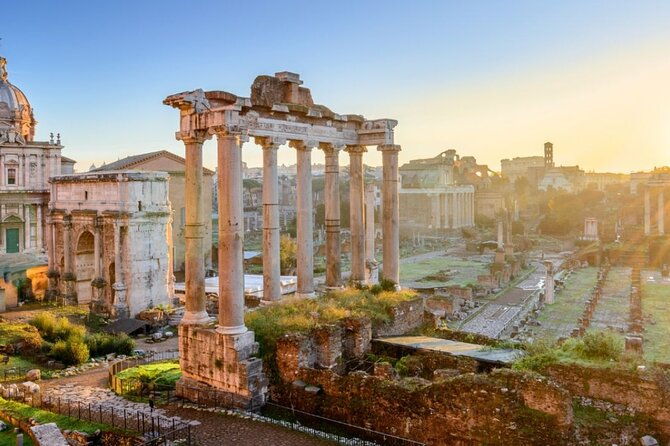
As the heart of early Christianity, Rome holds a profound legacy of saints and martyrs who shaped the faith and inspired countless believers.
These figures, often facing persecution, demonstrated unwavering courage and conviction, leaving a mark on the city’s spiritual landscape. Churches and shrines now stand in their honor, drawing pilgrims and travelers alike.
The stories of saints like Peter and Paul resonate deeply, reflecting themes of sacrifice and redemption. Their legacies remind visitors of Rome’s pivotal role in the development of Christianity, blending history with faith, and inviting all to explore the rich tapestry of devotion woven throughout the city.
Frequently Asked Questions
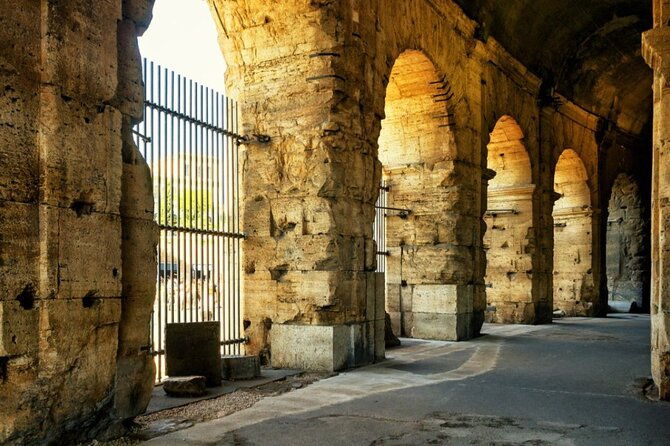
How Long Is the Guided Tour of the Colosseum and Surrounding Sites?
The guided tour lasts approximately three hours. It includes visits to the Colosseum, Roman Forum, Palatine Hill, and Mamertine Prison, ensuring travelers experience Rome’s rich history with expert guidance and express entry to major attractions.
Are There Age Restrictions for Children on This Tour?
The tour doesn’t specify age restrictions for children, but parents should ensure their kids can handle the itinerary. It’s recommended to check with the provider for any specific guidelines or recommendations regarding young travelers.
What Should I Wear for a Comfortable Experience During the Tour?
For a comfortable experience during the tour, he should wear comfortable shoes, a hat, and sunblock. Bringing water is also recommended, especially on hot days, to stay hydrated while exploring.
Can I Take Photographs Inside the Colosseum and Mamertine Prison?
Visitors can take photographs inside the Colosseum and Mamertine Prison, but they should respect the sites and other guests. It’s a great way to capture memories, so they won’t want to miss those moments!
Are Food and Drinks Allowed During the Tour?
During the tour, food and drinks aren’t allowed inside the Colosseum and Mamertine Prison. Travelers are encouraged to enjoy refreshments before or after the tour to fully appreciate the historical sites without distractions.
The Sum Up
To sum it up, the Colosseum Arena and St. Peter’s Prison stand as powerful symbols of Rome’s rich and complex history. The fierce battles of gladiators echo the struggles for survival, while the stories of saints illuminate paths of faith and redemption. Together, these sites invite visitors to reflect on the duality of human experience—where brutality meets sanctity. As they explore these remarkable landmarks, they connect with the enduring spirit of a civilization that shaped the world.
More Tours in Rome
- Rome: Private Walking Tour with a Local
- Rome: Exclusive Private Tour of St. Peters Basilica
- Rome: Vespa tour When in Rome with Dessert and Photography
- Rome: Small Group Walking Tour in English or Spanish
- Rome: Capuchin Crypts & Ghostly Legends Small Group Tour
- St.Peter’s Basilica & Vatican Grottoes: Guided Tour in Rome
More Tour Reviews in Rome
Still browsing? Here are more Rome experiences we've covered recently
- What Are The Best Tours & Experiences In Rome? Our Top 3 Picks
- 13 Fantastic Wine Tours In Rome
- 14 Top Private Driver Services In Rome (With Reviews & Prices)
- Which Rome Shore Excursions To Choose? Our Best 6 Picks
- The 14 Most Popular City Tours In Rome
- Which Rome Tours & Experiences To Choose? We Rank The 14 Best
- 14 Must-Try Cruises And Boat Tours In Rome
- Discover 14 Great Tours In Rome
- 12 Best Walking Tours In Rome (With Reviews & Prices)
- 14 Of The Best Shopping & Market Tours In Rome
- The Top 13 Rome Workshops & Classes
- 14 Must-Try Lunch Experiences In Rome