
Planning a trek to Gosaikunda Lake from Kathmandu? This 15-day adventure promises a mix of stunning Himalayan views, sacred sites, and village life, all set within Nepal’s diverse landscape. We’ve looked into what this trip offers—both the highlights and the hurdles—to help you decide if it’s right for you.
What instantly appeals are the spectacular views from Kyanjin Ri, the chance to visit Buddhist villages and monasteries, and the opportunity to witness the high-altitude lakes and passes that make this route unique. The inclusion of transfers from Kathmandu adds comfort, especially after long drives through Nepal’s scenic countryside.
That said, a few travelers mentioned the moderate rating of 3.4, likely reflecting the physically demanding nature of the trek or logistical hiccups. So, this experience is best suited for those with a decent level of fitness and a love for authentic mountain journeys. If you’re after a mix of natural beauty, cultural insight, and a bit of adventure, this trek could be a fantastic choice.
- Key Points
- The Route: A Day-by-Day Breakdown
- Day 1: Arrival in Kathmandu
- Day 2: Drive to Syabrubesi
- Day 3: Trek to Lama Hotel
- Day 4: Mundu Village
- Day 5: Kyanjin Gompa
- Day 6: Climb to Kyanjin Ri
- Day 7: Return to Lama Hotel
- Day 8: Trek to Thulo Syabru
- Day 9: Sing Gompa
- Day 10: To Gosaikunda Lake
- Day 11: Laurebina La Pass and Ghopte
- Day 12: Ghopte to Melamchi Gaon
- Day 13: Melamchi Gaon to Tarkeghyang
- Day 14: Tarkeghyang to Kathmandu
- Day 15: Departure
- What to Expect: The Practicalities and the Experience
- Natural Beauty and Cultural Encounters
- Logistics and Transportation
- Trekking Details and Difficulty
- Group Size and Guiding
- Cost and Value
- The Food and Accommodation
- Possible Drawbacks to Consider
- Who Is This Tour Best For?
- Final Thoughts
- FAQ
- More Hiking & Trekking Tours in Kathmandu
- More Tour Reviews in Kathmandu
- Still browsing? Here are more Kathmandu experiences we've covered recently
Key Points
- Balanced route combining natural scenery with spiritual sites
- Well-organized transfers from Kathmandu streamline logistics
- High-altitude challenges like Laurebina La Pass require good fitness
- Cultural visits to monasteries and villages enhance authenticity
- Cost-effectiveness given the included transfers, guide, and accommodations
- Limited suitability for travelers with mobility issues or low fitness levels
The Route: A Day-by-Day Breakdown
Love being outdoors? Check out these other hiking spots we've covered in Kathmandu
Day 1: Arrival in Kathmandu
Your journey kicks off with a warm welcome. Once you arrive in Nepal’s vibrant capital, you’ll be transported to your hotel, where you’ll meet your guide and get a detailed briefing. The evening is yours to explore Thamel—perfect for trying local dishes or shopping for gear. Many reviews note that the guides, like “Suresh,” are friendly and helpful, making the first day easy-going and informative.
Day 2: Drive to Syabrubesi
A scenic drive through lush hills and traditional villages takes you northwest into Nepal’s countryside. This transfer saves you from a long, tiring bus ride and sets the tone with beautiful mountain vistas. The journey offers glimpses of terraced fields and local life, which travelers often find charming.
Day 3: Trek to Lama Hotel
Starting your trek along the Langtang River, you’ll pass through oak and bamboo forests. The path is gentle but lush, with chances to spot local wildlife or listen to the river’s song. Many trekkers appreciate the slow introduction to Nepal’s flora and fauna here.
More Great Tours NearbyDay 4: Mundu Village
Crossing Ghora Tabela, you’ll arrive at Mundu, known for its traditional stone houses and memorials to the earthquake that affected the region. The walk through yak pastureland offers sweeping views of surrounding peaks, and some mention it as a peaceful, reflective stop.
- 4 UNESCO World Heritage Site Tour Nepal
- Kathmandu: Private Sightseeing Tour
- Kathmandu: Private/Group 4 UNESCO World Heritage With Lunch
- Kathmandu: 7 UNESCO Sites Private or Group Tour With Lunch
- Kathmandu: Private/Group Tour to 7 UNESCO Sites With Lunch
- Kathmandu: Local Led Cooking Class: Dal Bhat & Momo Making
Day 5: Kyanjin Gompa
Reaching the historic Kyanjin Gompa, you’ll visit monasteries and a famous yak cheese factory—delicious and authentic. Reviewers often rave about the chance to see craftsmanship in action and the peaceful atmosphere of this spiritual center.
Day 6: Climb to Kyanjin Ri
A highlight for many, the climb to Kyanjin Ri (4,773m) rewards you with astounding views of Langtang Lirung and surrounding peaks. The ascent is challenging but doable for most with good fitness, and many find the panoramic vistas worth every breathless step.
Day 7: Return to Lama Hotel
Retracing part of your route, this easier descent offers fresh perspectives on the landscape. Some reviews highlight how this day provides time to relax and appreciate the scenery from a different angle.
Day 8: Trek to Thulo Syabru
Changing routes through Dobhan, you’ll trek through dense forests and charming Tamang villages. The climb is moderate, with many noting the serene beauty of the surrounding nature.
Day 9: Sing Gompa
Cross terraced fields to reach Sing Gompa, a ridge-top monastery with impressive mountain views. It’s a quieter stop, often praised for its peaceful vibe and local hospitality.
Day 10: To Gosaikunda Lake
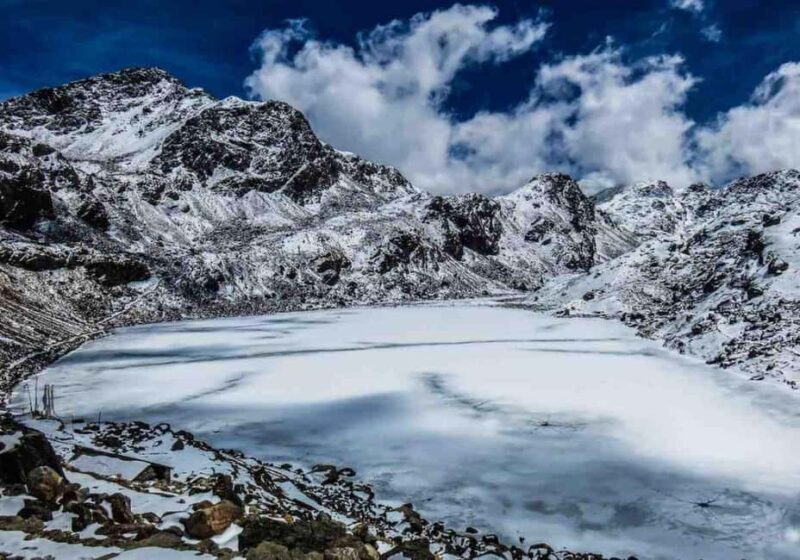
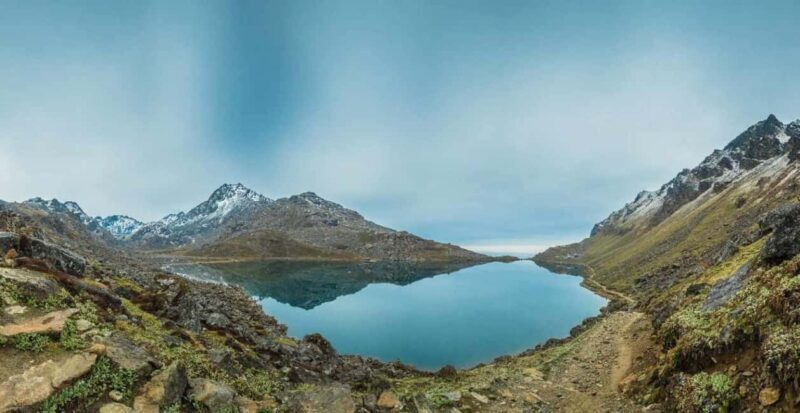
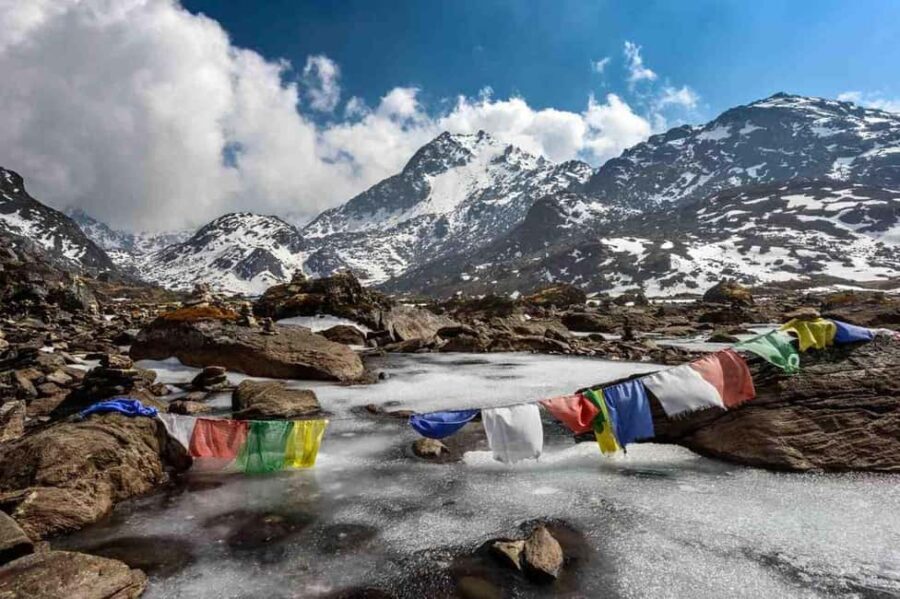
This is the soul of the trek—the sacred Gosaikunda Lake at 4,380m. Surrounded by prayer flags and mountain peaks, it’s a site of pilgrimage for Hindus and Buddhists alike. Reviewers mention the serene atmosphere and spiritual significance, making it a memorable milestone.
Day 11: Laurebina La Pass and Ghopte
Crossing the highest point at 4,642m, the Laurebina La Pass is physically demanding but offers extraordinary views. Descending through narrow valleys leads you to Ghopte, where trekkers often feel a sense of achievement.
Day 12: Ghopte to Melamchi Gaon
A gentle descent into the forest takes you to Melamchi Gaon, with its peaceful monastery and terraced fields. Many appreciate the chance to relax amid nature after the high-altitude crossing.
Day 13: Melamchi Gaon to Tarkeghyang
Crossing the Melamchi River, you climb through Hyolmo villages filled with traditional mani walls and chortens. It’s a culturally immersive day, well-liked for its authentic feel.
Day 14: Tarkeghyang to Kathmandu
Your journey concludes with a drive back to Kathmandu, followed by a celebratory dinner in Thamel. Many reviews highlight the sense of accomplishment and the joy of sharing stories over local dishes.
Day 15: Departure
Your transfers are arranged to ensure a smooth departure, leaving you with memories of a remarkable trek through Nepal’s heartland.
What to Expect: The Practicalities and the Experience
Natural Beauty and Cultural Encounters
This route beautifully blends natural landscapes—forests, lakes, mountain passes—with visits to monasteries and villages. The experience isn’t just about reaching a destination but also absorbing the local way of life. Many reviewers mention the friendly encounters with villagers and the chance to see traditional yak cheese production, which adds a layer of authenticity.
Logistics and Transportation
One of the real advantages of this tour is the organized transfer service. From Kathmandu, you’ll be transported comfortably to Syabrubesi and back at the end, saving time and energy—crucial when you’re carrying a backpack through rugged terrain. The shared transfers are reliable, and the journey offers stunning views, setting a relaxed tone before the trek begins.
Trekking Details and Difficulty
The trek spans 15 days, with moderate to high-altitude passes crossing over 4,600 meters. The Laurebina La Pass is the highest point, and many reviews emphasize that good fitness and mental toughness are needed. The route involves steep ascents and descents, but no technical climbing is required.
Group Size and Guiding
This is a private group experience, with guides fluent in English, Nepali, Hindi, and Korean. Guides are praised for their helpfulness, local knowledge, and ability to keep the group motivated. The group size usually ensures personalized attention, making it suitable for travelers who prefer a more intimate adventure.
Cost and Value
At $1,409 per person, the price includes transfers, guiding, accommodations, and some meals. Given the transportation, cultural visits, and the diversity of scenery, many find the price reasonable for an all-inclusive, well-supported trek of this length. The option to reserve and pay later offers flexibility, especially useful in uncertain times.
The Food and Accommodation
Although not detailed extensively, reviews highlight the delicious local food served in lodges and villages—often hearty, nourishing, and surprisingly flavorful. You’ll enjoy traditional Nepali dishes, often with a mix of Tibetan and Himalayan influences, adding a flavorful twist to your meals.
Possible Drawbacks to Consider
Some trekkers noted that the rating of 3.4 might reflect the physical demands or the challenge of managing logistics in remote areas. The trek isn’t suited for those with mobility impairments or serious health issues, given the altitude and terrain. Plus, the altitude can cause discomfort, so proper acclimatization and preparation are recommended.
Who Is This Tour Best For?
This trek is ideal for adventure travelers looking for a route that offers both natural beauty and cultural depth. Because it balances moderate trekking with high-altitude crossings, it’s best suited for those with good fitness levels and a sense of adventure. It’s perfect for travelers who want an authentic experience without technical climbing but are ready for some physically demanding days.
If you’re seeking a guided, well-organized journey with included transfers and the chance to learn about Nepalese village and spiritual life, this trek fits the bill. However, if you prefer luxury or have limited mobility, this might not be the best fit.
Final Thoughts
This 15-day trek to Gosaikunda Lake offers a rewarding mix of mountain scenery, cultural insights, and spiritual experiences. The inclusion of transfers makes logistics more manageable, and the variety of stops keeps every day fresh and engaging.
The trek’s highlights, from spectacular viewpoints to sacred lakes, make it a memorable adventure, especially for those keen on combining natural beauty with culture. The supportive guides, authentic villages, and delicious local food all enhance the overall value.
While the physical challenge shouldn’t be underestimated, the sense of achievement and the stunning vistas make every effort worthwhile. It’s a fantastic choice for travelers craving an authentic Himalayan experience, balanced with comfort and logistical ease.
FAQ
Is this trek suitable for someone with limited fitness?
This trek requires good physical fitness and mental toughness due to high-altitude crossings and strenuous days. Those with low fitness levels may find it challenging.
Are technical climbing skills needed?
No, this trek does not require technical climbing skills. It involves walking on mountain trails and passes at high altitude.
What is included in the price?
The $1,409 fee covers transfers, guiding, accommodations, and some meals throughout the trek. Meals and personal expenses are typically separate.
How are the transfers arranged?
Transfers from Kathmandu to Syabrubesi and the return are included, with comfortable vehicles suited for Nepal’s roads, ensuring a smooth journey.
Is this trek suitable for children or seniors?
Due to altitude and physical demands, it’s better suited for physically fit adults. It may not be suitable for those with mobility, heart, or respiratory issues.
What kind of accommodations can I expect?
You’ll stay in teahouses or lodges along the route, which are basic but comfortable, often with shared bathrooms and hearty food.
What should I pack?
Bring warm clothing, good hiking shoes, sunscreen, water bottles, trekking gear, and travel insurance. Be prepared for variable weather.
Are there any cultural restrictions?
Respect local customs, especially at monasteries and villages. Nudity is not allowed, and modest dress is appreciated.
What is the best time of year to go?
While not explicitly stated, Nepal trekking is generally best in spring and autumn when weather is stable and skies are clear.
This Gosaikunda Lake trek is a fantastic way to experience Nepal’s spiritual and natural wonders in one journey. Suitable for those ready to challenge themselves and eager for authentic Himalayan adventures, it promises unforgettable vistas and cultural encounters.
You can check availability for your dates here:More Hiking & Trekking Tours in Kathmandu
More Tour Reviews in Kathmandu
Still browsing? Here are more Kathmandu experiences we've covered recently
- Discover 12 Great Airport Transfers In Kathmandu
- 14 Best Tours In Kathmandu
- Which Kathmandu Tours & Experiences To Choose? Our Best 12 Picks
- 5 days Pokhara City Private Tour from Kathmandu
- Kathmandu: Everest Base Camp Helicopter Tour with Breakfast
- Kathmandu to Lukla one way Flight Ticket
- 1 Day Shivapuri Hiking from Kathmandu
- Poon Hill Trek – 5 Day / 4 Night (ex Kathmandu) – Daily Departure
- 11 days Panorama Panchase Homestay Trek
- 2 Days Seven Heritage and Nagarkot Sunrise Tour
- Kathmandu: Khumai Danda Trek with Meals and Guide
- Kathmandu City Tour