
Traveling to Everest has long been a dream for adventurers and culture lovers alike. While many tours promise breathtaking scenery and spiritual insights, this 12-day guided trek from Kathmandu to Everest Base Camp offers a well-rounded experience that balances high-altitude adventure with culture. We’ve gathered everything you need to know to decide if this trek suits your style, from the highlights to practical tips.
What makes this journey truly special are the spectacular mountain vistas—think Everest, Lhotse, and Ama Dablam—plus the chance to explore Sherpa villages and monasteries. Add to that the support of a knowledgeable guide, carefully planned acclimatization, and flexible booking options, and you have a solid trek that appeals to active travelers craving authentic Himalayan encounters.
A potential consideration? The high altitude and physical demands mean this isn’t for everyone. It’s best suited for those with a good level of fitness willing to prepare properly. Whether you’re an experienced trekker or a first-timer eager for an iconic Himalayan adventure, this trip balances challenge with cultural richness.
- Key Points
- The Experience: What You Can Expect
- Starting the Adventure – Kathmandu to Lukla
- Trekking Through Sherpa Villages and Forests
- Visiting Monasteries and Learning Sherpa Ways
- Reaching Everest Base Camp and Kala Patthar
- Return and Reflection
- Practical Details and Tips
- Transportation and Logistics
- Accommodation and Group Size
- Essential Gear and Preparation
- Physical Fitness and Altitude
- Pricing and Value
- What Sets This Tour Apart?
- Who Is This Tour Best For?
- The Sum Up
- FAQ
- More Hiking & Trekking Tours in Kathmandu
- More Historical Tours in Kathmandu
- More Tour Reviews in Kathmandu
- Still browsing? Here are more Kathmandu experiences we've covered recently
Key Points
- Stunning Views: Experience panoramas of Everest, Lhotse, and Ama Dablam from key viewpoints like Kala Patthar.
- Cultural Encounters: Visit monasteries and Sherpa villages to learn about local traditions and spiritual practices.
- Careful Planning: The itinerary includes acclimatization days and expert guides to ensure safety at high altitude.
- Flexibility: Book now with the option to reserve and pay later, plus free cancellation 24 hours in advance.
- Authentic Experience: Small group, private trekking with multilingual guides enhances personal connection.
- Practical Preparation: Trekking gear, warm clothing, and snacks are essential, and weather can be unpredictable.
The Experience: What You Can Expect
Fascinated by the past? Here are other historical experiences we've covered in Kathmandu
Starting the Adventure – Kathmandu to Lukla
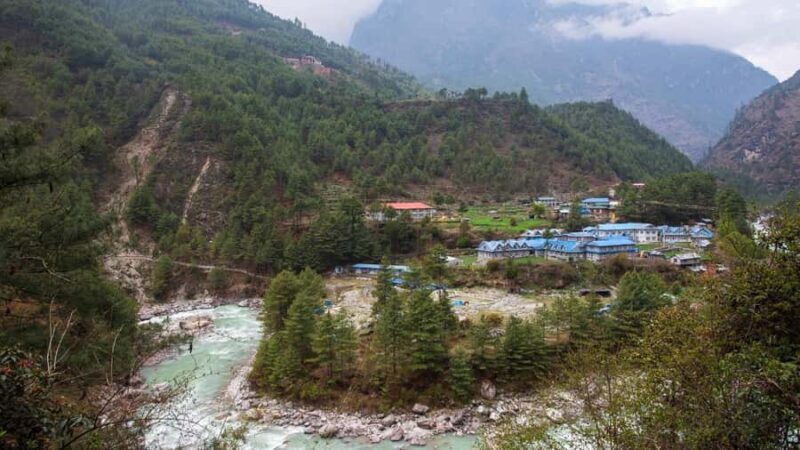
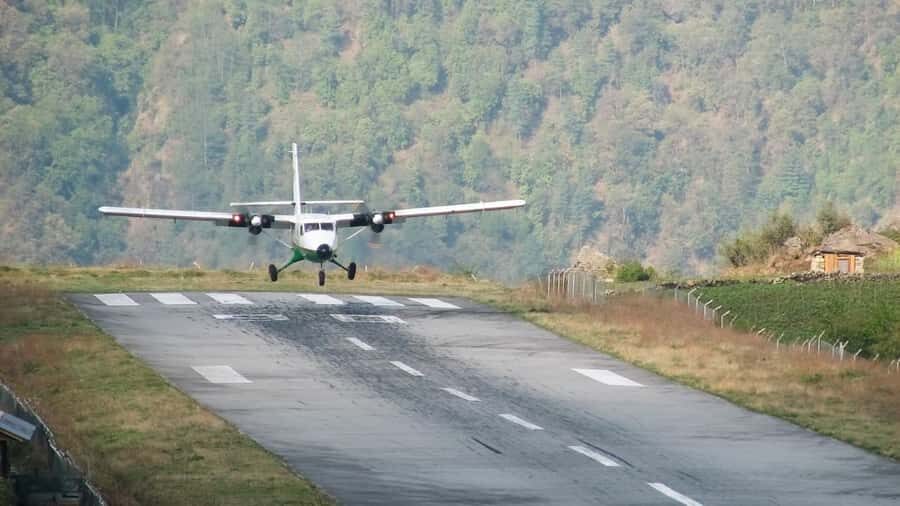
Your journey begins with a flight from Kathmandu to Lukla, widely regarded as one of the most exciting small-plane rides in the world. The flight offers incredible views of the surrounding mountains—an experience in itself. Once in Lukla, the trek officially kicks off with a walk to Phakding. This first stretch introduces you to the lush pine forests and suspension bridges that characterize the trail.
Trekking Through Sherpa Villages and Forests
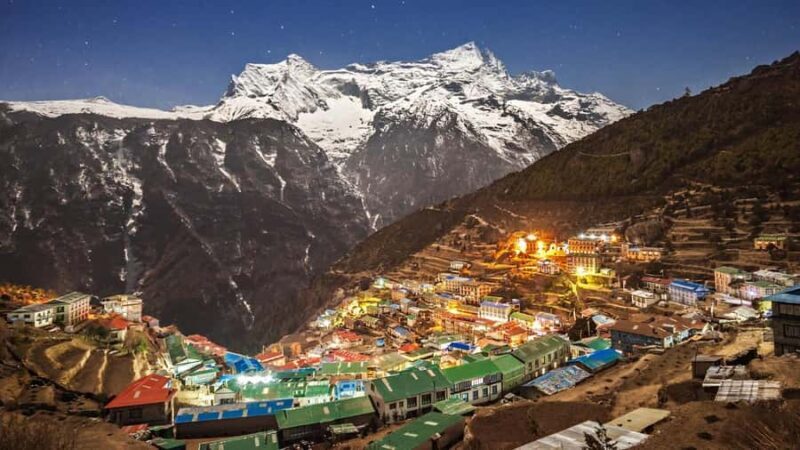
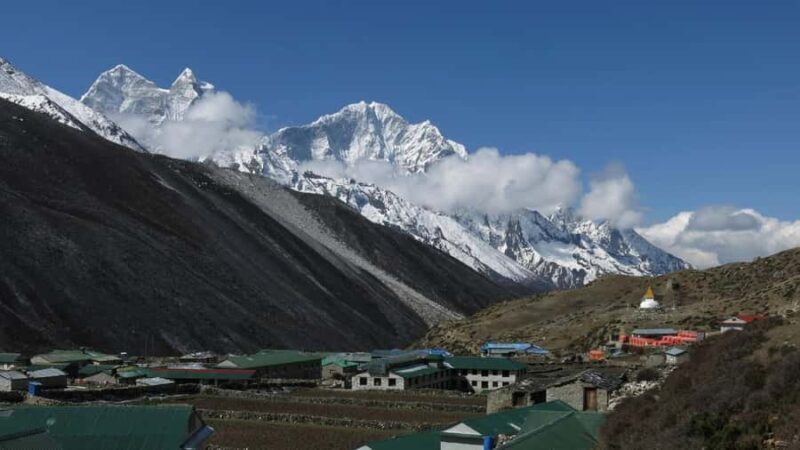
Over the next few days, you’ll trek through charming Sherpa villages like Namche Bazaar and Tengboche, which serve as cultural hubs. Namche is a lively market town, and many reviews highlight how the vibrant local life offers a stark contrast to the quiet grandeur of the mountains. Here, your guide might share stories about Sherpa traditions, mountaineering legends, and spiritual practices.
Expect to walk through forests of rhododendron and pine, with the ever-present backdrop of towering peaks. The trail’s suspension bridges—some swaying and high above rushing rivers—are a highlight for many trekkers. The physical challenge begins to build as you ascend gradually, with acclimatization days helping your body adjust.
Visiting Monasteries and Learning Sherpa Ways
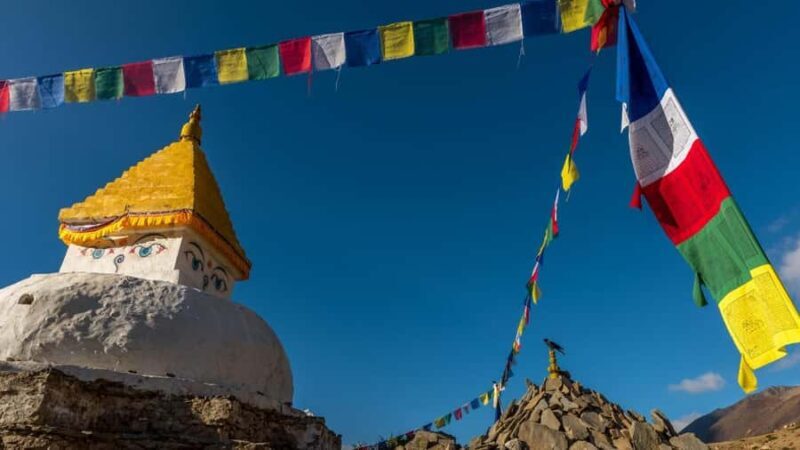
Tengboche Monastery, perched high above the Dudh Kosi River, is a notable stop. Its spiritual ambiance, combined with panoramic mountain views, makes it a favorite among travelers. Many reviews mention the tranquility of these monasteries and the chance to witness prayer ceremonies.
Throughout the trek, guides provide insights into Sherpa life, emphasizing their deep spiritual connection to the Himalayas. These stories add depth to your experience, making it more than just a walk through mountains.
More Great Tours NearbyReaching Everest Base Camp and Kala Patthar
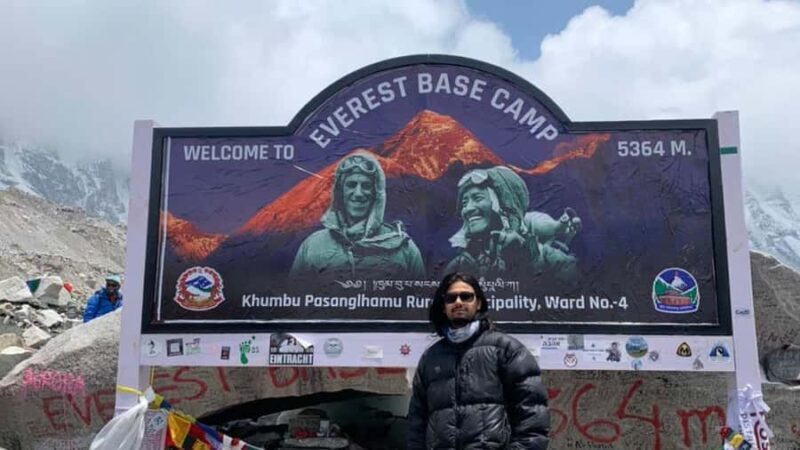
The climax comes at Everest Base Camp, where climbers prepare for their summit. Standing at 5,364 meters, you’ll be surrounded by the world’s highest peaks. The sense of achievement here is palpable, and the views are truly unforgettable. One reviewer noted that “the moment you stand here, it hits you how tiny we are in this vast, awe-inspiring landscape.”
A hike to Kala Patthar—an iconic viewpoint at 5,545 meters—offers a close-up look at Everest’s summit and provides an opportunity for stunning photos. Many reviewers mention that the early morning wake-up for this viewpoint is worth every second, as the sunrise over Everest is an unforgettable spectacle.
Love being outdoors? Check out these other hiking spots we've covered in Kathmandu
- Kathmandu: Nagarkot & Changunarayan Temple Hiking With Lunch
- Kathmandu: Nagarkot Sunrise & Changunarayan Hike With Lunch
- Kathmandu: 4 Hour Short Nagarjun Jamacho Gumba Hiking
- From Kathmandu: Bethanchowk Hiking Trip With Sunset View
- Kathmandu: Fresh Air Hiking at Kapan-Jagdol-Nagi Gumba
- Kathmandu: Shivapuri National Park Top Day Hike With Lunch
Return and Reflection
The trek back to Lukla involves retracing your steps, with a night in Pheriche or Lobuche. The final days include walking through familiar villages and scenic landscapes, and the flight from Lukla back to Kathmandu wraps up the adventure.
Practical Details and Tips
Transportation and Logistics
The journey kicks off with a flight from Kathmandu to Lukla, a small and sometimes delayed plane that adds excitement and anticipation. Be prepared for last-minute weather changes that might affect flight schedules—it’s wise to stay flexible. If traveling in peak season, the flight may operate from Manthali, requiring a drive from Kathmandu to the airport, which adds a layer of logistics but is manageable with local support.
Accommodation and Group Size
Most accommodations are basic but comfortable lodges offering warm beds and local meals. The benefit of a private group is a more personalized experience; guides are attentive and engaging. The group size remains small, fostering camaraderie and a more intimate journey.
Essential Gear and Preparation
Expect to hike in warm clothing, including layers for high altitude, and sturdy hiking shoes. Bringing snacks, sunscreen, water, and a daypack will keep you comfortable. Weather can be unpredictable, so packing a waterproof jacket and gloves is wise.
Physical Fitness and Altitude
The trek is considered high-altitude, with some days pushing above 5,000 meters. It’s necessary to have good physical fitness, and acclimatization days are built into the itinerary to reduce the risk of altitude sickness. It isn’t suited for individuals with mobility issues, heart or respiratory problems, or those prone to altitude sickness.
Pricing and Value
While the cost might seem significant, it covers experienced guides, logistical support, permits, and some cultural excursions. Consider it an investment in an adventure that combines natural beauty with cultural discovery—an experience that’s hard to match in terms of value.
What Sets This Tour Apart?
Authenticity is a key feature. Unlike some all-inclusive options, this trek emphasizes genuine interaction with Sherpa communities and spiritual sites. The careful planning of acclimatization and expert guidance help ensure a safe, enjoyable experience, even at high altitude.
Stunning mountain views are a given, but the stories shared by guides—about mountaineers, Sherpa legends, and local traditions—bring the trek alive. The option to reserve and pay later adds flexibility, especially useful in uncertain times.
Who Is This Tour Best For?
This trek is perfect for travelers who are physically fit and eager to see Everest up close while soaking in Sherpa culture. It suits those who enjoy a mix of adventure and cultural learning, and who appreciate well-planned itineraries that prioritize safety.
It’s an excellent choice for travelers seeking an authentic Himalayan experience without the more extreme technical climbs. If you’re looking for breathtaking scenery, meaningful cultural interactions, and a sense of achievement, this tour ticks all the boxes.
The Sum Up
The From Kathmandu: Everest Base Camp & Sherpa Heritage Trek offers a balanced, immersive experience that combines the thrill of high-altitude trekking with the opportunity to connect with Sherpa culture and traditions. While the journey demands physical effort and altitude acclimatization, the rewards—stunning vistas, spiritual sites, and personal achievement—are well worth it.
This trek is a fantastic choice for those who want more than just a postcard view of Everest. It’s for travelers eager to understand the stories, lives, and spirituality of the people who call this extraordinary mountain range home. If you’re prepared for a challenge, this trip promises a deeply memorable adventure in the world’s most majestic landscape.
FAQ
How do I get to Lukla from Kathmandu?
Flights from Kathmandu to Lukla are the most common way, with the option to fly from Manthali if needed during peak season, which involves a short drive from Kathmandu.
What should I pack for this trek?
Bring warm clothing, hiking shoes, sunscreen, water, snacks, a daypack, and trekking gear. Weather can be unpredictable, so layers and waterproof gear are advised.
Is this trek suitable for beginners?
While physically demanding due to high altitude, the trek is generally suitable for those with good fitness levels. Proper acclimatization days help prevent altitude sickness.
How long is the trek?
The full itinerary spans 12 days, including travel, acclimatization, and cultural visits, with most days involving 4-6 hours of trekking.
What is the group size?
It’s a private group experience, which means a smaller, more personalized journey guided by experienced professionals.
Are there cultural activities included?
Yes, visits to monasteries and Sherpa villages allow for cultural learning and spiritual insights.
What about altitude sickness?
Acclimatization days and careful pacing help reduce risks. Guides monitor everyone closely and provide advice on recognizing symptoms.
Can I cancel or change my booking?
Yes, free cancellation is available up to 24 hours before the trip, and you can reserve now with the option to pay later.
Is this trek environmentally sustainable?
The tour provider emphasizes authentic experiences and local engagement, which generally supports sustainable tourism practices.
More Hiking & Trekking Tours in Kathmandu
More Historical Tours in Kathmandu
- 2 Days Seven Heritage and Nagarkot Sunrise Tour
- Nepal: 9 Heritage Tour in 7 Days with Lumbini & Chitwan
- Cultural tour around Kirtipur (city of glory)
- Kathmandu’s UNESCO world heritage sites day tour
- Full Day Bhaktapur and Patan Heritage City Tour in Kathmandu
- Sacred Kathmandu: 2-Day Heritage with Overnight
More Tour Reviews in Kathmandu
Still browsing? Here are more Kathmandu experiences we've covered recently
- Discover 12 Great Airport Transfers In Kathmandu
- 14 Best Tours In Kathmandu
- Which Kathmandu Tours & Experiences To Choose? Our Best 12 Picks
- 5 days Pokhara City Private Tour from Kathmandu
- Kathmandu: Everest Base Camp Helicopter Tour with Breakfast
- Kathmandu to Lukla one way Flight Ticket
- 1 Day Shivapuri Hiking from Kathmandu
- Poon Hill Trek – 5 Day / 4 Night (ex Kathmandu) – Daily Departure
- 11 days Panorama Panchase Homestay Trek
- 2 Days Seven Heritage and Nagarkot Sunrise Tour
- Kathmandu: Khumai Danda Trek with Meals and Guide
- Kathmandu City Tour