
Venice’s rich heritage in textiles and perfumes has captivated visitors for centuries. From the city’s renowned velvets and brocades to its exquisite fragrances, the artistry and craftsmanship behind these Venetian specialties are deeply rooted in the region’s history. Exploring the intricate techniques and cultural significance of these timeless creations can offer a unique glimpse into the city’s enduring legacy. What secrets might these fabrics and perfumes hold, and how have they shaped Venice’s identity over the years?
- Key Points
- Exploring Palazzo Mocenigo
- History of Venetian Fashion and Textiles
- Discovering Antique Costumes and Accessories
- Evolution of Fabric Design and Techniques
- The Role of Fabrics in Venetian Culture
- Uncovering the Secrets of Perfume Distillation
- Appreciating the Artistry of Venetian Perfumery
- Frequently Asked Questions
- Is the Tour Suitable for Children?
- Can I Take Photographs During the Tour?
- Is There a Dress Code for the Tour?
- Can I Purchase Products From the Palazzo’s Shop?
- Are There Any Accessibility Accommodations Available?
- The Sum Up
- More Food & Drink Experiences in Venice
- More Tours in Venice
- More Tour Reviews in Venice
- Still browsing? Here are more Venice experiences we've covered recently
Key Points
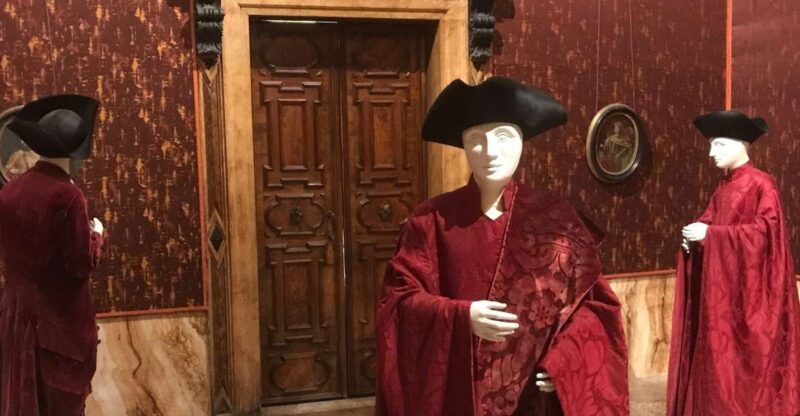
- Venice’s strategic trade position granted access to rare textile materials, enabling the development of innovative techniques for luxurious fabrics like velvets and brocades.
- The Palazzo Mocenigo showcases the captivating history of Venetian fashion and textiles, displaying antique costumes, accessories, and the evolution of fabric design and techniques.
- Venetian artisans mastered weaving, dyeing, and embroidery, and were influenced by Byzantine and Islamic styles, showcasing the city’s rich textile heritage.
- The Palazzo Mocenigo provides a deeper appreciation for Venice’s exquisite perfume-making traditions, featuring historical instruments and the detailed process of extracting fragrant essences.
- Venice’s reputation as a fashion and textile center, as well as its expertise in perfume-making, reflects the city’s strategic trade position and rich cultural heritage.
Exploring Palazzo Mocenigo
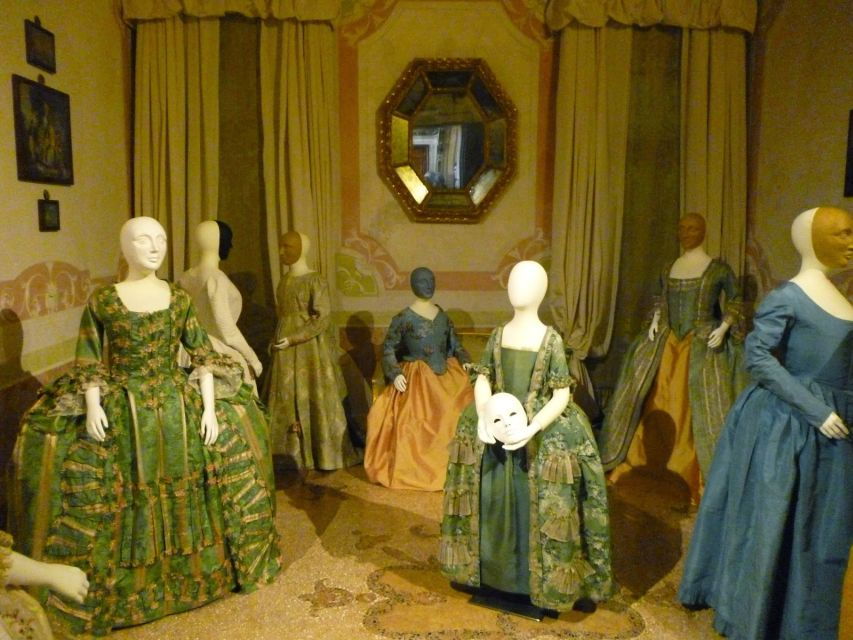
As visitors step through the grand entrance of Palazzo Mocenigo, they’re immediately immersed in the opulent world of Venetian aristocracy.
The guided tour leads them through 20 rooms on the noble floor, showcasing the exquisite interior that reflects the lavish lifestyle of the city’s elite.
Visitors explore the evolution of fashion, costumes, and textiles, marveling at the Venetian costumes, antique fabrics, and Renaissance glasses on display.
The tour culminates in a captivating display on the history of perfumes and essences, offering a glimpse into the city’s rich cultural heritage.
Looking for more options in Venice? We've reviewed plenty of other experiences.
History of Venetian Fashion and Textiles
Venice’s renowned reputation as a center of fashion and textile excellence can be traced back to the city’s strategic position and thriving trade networks.
As a hub for international commerce, Venice gained access to rare and exotic materials from across the Mediterranean and beyond. This allowed Venetian artisans to develop innovative textile techniques and produce luxurious fabrics prized throughout Europe.
From sumptuous velvets and brocades to delicate laces, Venetian textiles were synonymous with opulence and prestige.
This rich textile heritage is showcased at Palazzo Mocenigo, where visitors can enjoy the captivating history of Venetian fashion and design.
Discovering Antique Costumes and Accessories
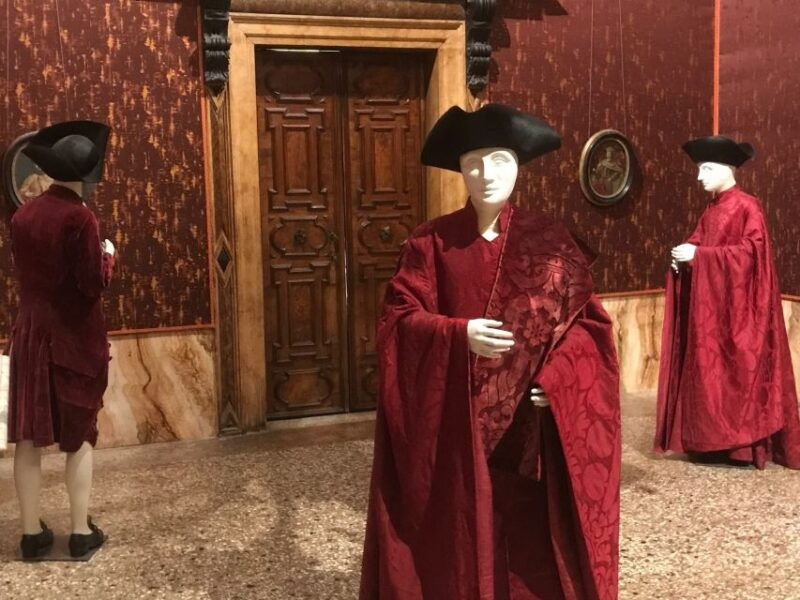
During the guided tour of Palazzo Mocenigo, visitors can discover a captivating collection of antique Venetian costumes and accessories that offer a glimpse into the fashions of centuries past.
The palace’s noble floor displays a range of historical garments, from elaborate Renaissance gowns to intricate lace collars and cuffs. Visitors can examine the exquisite details and materials used in these textiles, learning about the evolution of Venetian style.
The collection also includes accessories like antique gloves, fans, and jewelry, providing a comprehensive understanding of aristocratic attire in the Venetian era.
Evolution of Fabric Design and Techniques
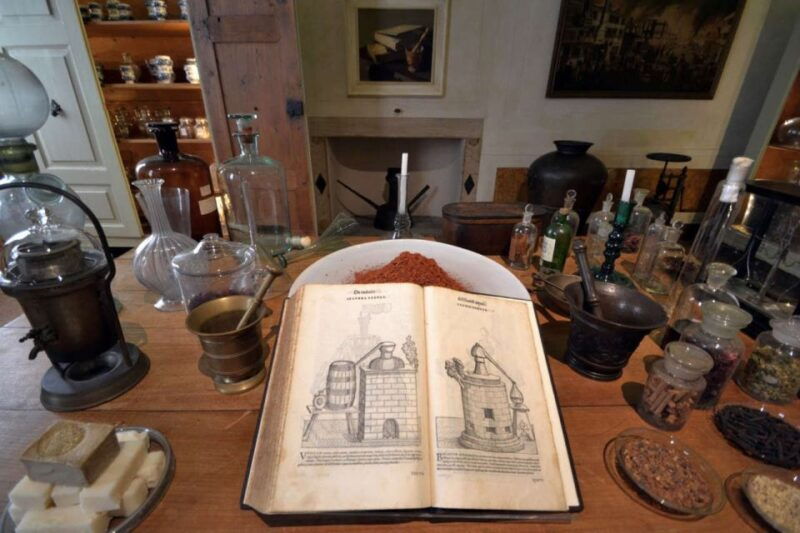
The guided tour of Palazzo Mocenigo also examines the evolution of fabric design and techniques throughout Venetian history.
Visitors learn how Venetian artisans mastered the art of weaving, dyeing, and embroidery. They discover the influence of Byzantine and Islamic styles, as well as the innovations that made Venice a global center of textile production.
Venetian artisans mastered weaving, dyeing, and embroidery, influenced by Byzantine and Islamic styles, making Venice a global textile hub.
From the sumptuous velvets and damasks of the Renaissance to the delicate lace of the 18th century, the exhibit showcases the technical and artistic developments that defined Venetian fashion.
Guests leave with a deeper appreciation for the rich textile heritage of this iconic city.
More Great Tours NearbyThe Role of Fabrics in Venetian Culture
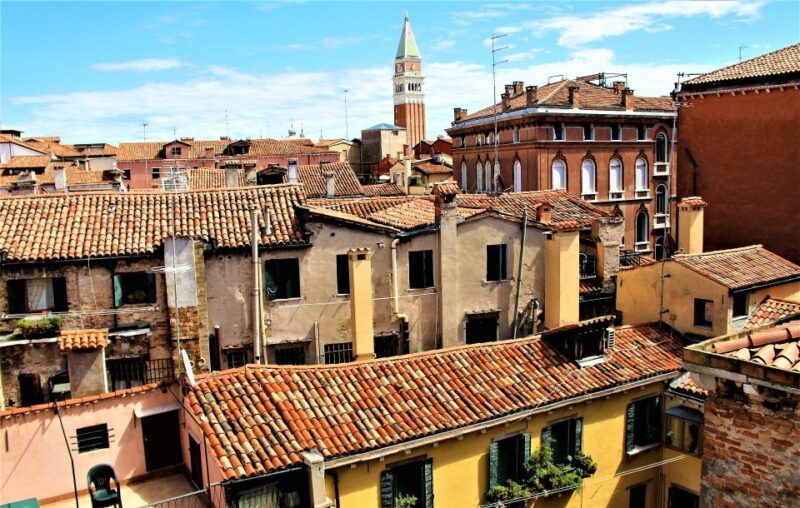
As the prominent center of international trade, Venice’s fabric industry played a vital role in the city’s prosperity and cultural identity.
Prized Venetian fabrics, including sumptuous velvets, opulent brocades, and intricate lace, were in high demand across Europe. This wealth was reflected in the lavish costumes worn by aristocrats and courtiers.
Luxury textiles also adorned the interiors of grand palaces and churches, shaping the city’s aesthetic.
Beyond its economic importance, the fabric trade influenced Venetian art, fashion, and social customs, reinforcing the city’s status as a hub of sophistication and style.
Uncovering the Secrets of Perfume Distillation
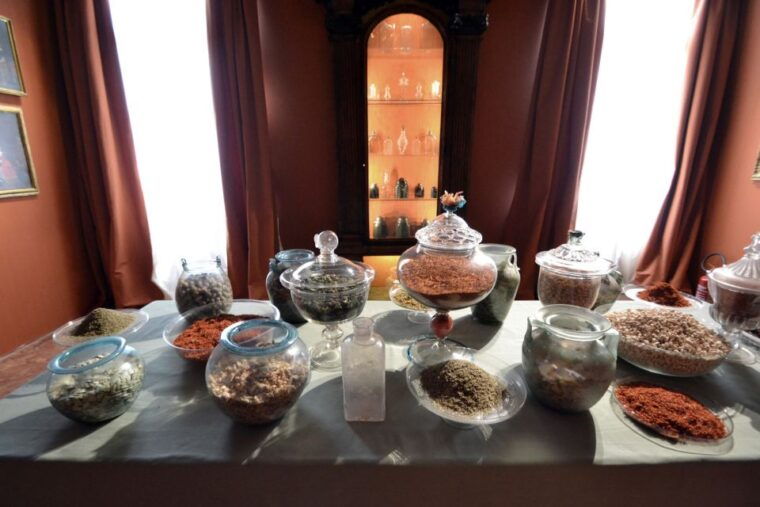
Along With the renowned Venetian textile industry, the city also held a longstanding reputation for its exquisite perfume-making traditions.
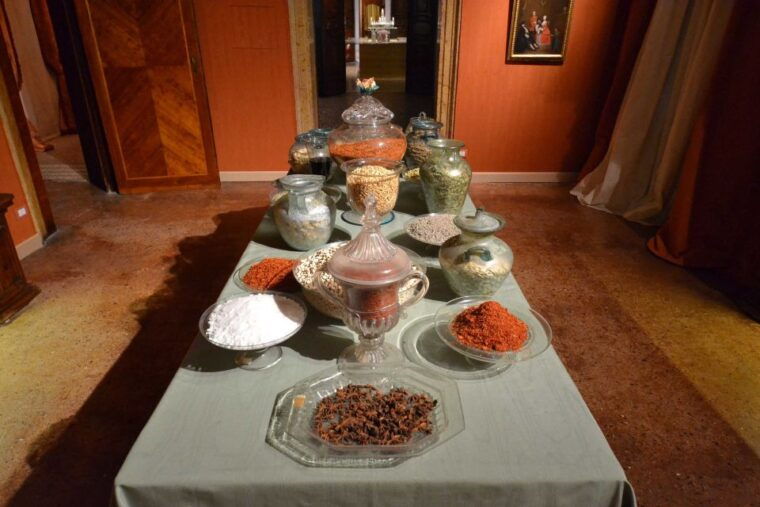
Visitors to Palazzo Mocenigo can explore historical instruments used for perfume distillation, tracing the evolution of this captivating craft. Guests will uncover the secrets behind the extraction of fragrant essences, learning about the skilled techniques that produced the luxurious perfumes coveted throughout Europe.
From the careful selection of botanicals to the intricate distillation process, this tour offers a unique glimpse into Venice’s rich perfume heritage, complementing the exploration of its renowned fabrics and costumes.
Appreciating the Artistry of Venetian Perfumery
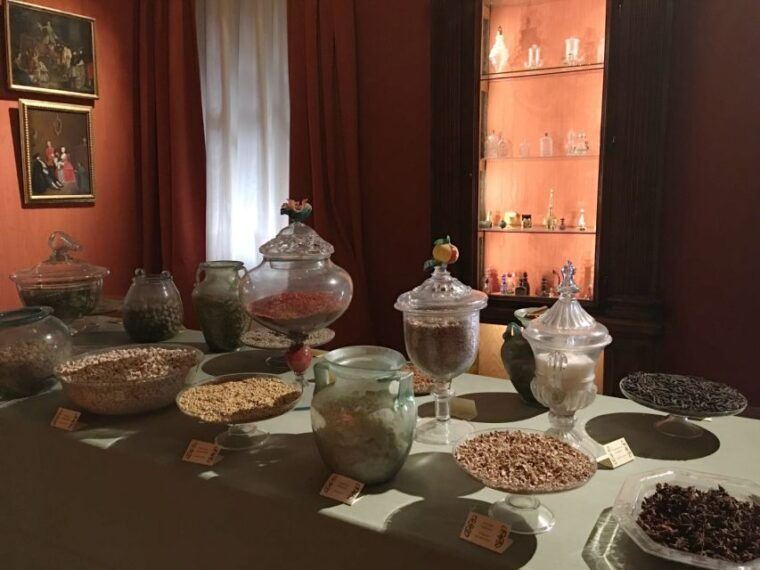
Alongside the rich tapestry of Venetian textile heritage, the city’s perfume-making traditions have long captivated the senses of visitors. From the Renaissance era through the present day, Venetian perfumers have honed their craft, drawing inspiration from the region’s abundance of aromatic botanicals. The history of Venetian perfumery is showcased at Palazzo Mocenigo, where guests can explore the evolution of scent distillation techniques and the significance of fragrance in Venetian culture.
| Venetian Perfumery Highlights |
|——|——|——|——|——|
| Botanical Ingredients | Distillation Methods | Notable Perfumers | Signature Scent Profiles | Cultural Significance |
| Lavender, citrus, rose, jasmine | Hydro-distillation, enfleurage, maceration | Francesco Rusconi, Gian Battista Bencini | Floral, woody, spicy, citrus | Luxury, status, sensuality |
Frequently Asked Questions
Is the Tour Suitable for Children?
The tour does not seem suitable for children, as the pricing information only mentions adult pricing and there are no details about child-friendly activities or discounts. The focus appears to be on history, fashion, and perfumes.
Can I Take Photographs During the Tour?
Participants are generally allowed to take photographs throughout the tour, though they may be restricted in some areas to preserve the preservation of the exhibits. It’s best to check with the guide on any photography guidelines at the start of the activity.
Is There a Dress Code for the Tour?
There’s no specific dress code for the tour, but visitors are encouraged to dress comfortably and appropriately for an indoor visit to a historic palazzo. Casual, smart-casual attire is suitable.
Can I Purchase Products From the Palazzo’s Shop?
Yes, visitors can purchase products from the Palazzo Mocenigo’s shop at the end of the tour. The shop offers a selection of handmade Venetian textiles, perfumes, and other souvenirs related to the palazzo’s history and collections.
Are There Any Accessibility Accommodations Available?
The tour provides accessibility accommodations for guests with special needs. Visitors with mobility restrictions can be assisted, and the palace has elevators for easy access. Guests should inquire about specific requirements when booking the tour.
The Sum Up
Visiting Venice is a captivating journey through the city’s rich textile and perfume heritage. Centuries of expertise in fabric creation and fragrance distillation have produced remarkable works of art that continue to captivate and inspire. From the opulent velvets and brocades to the exquisite perfumes, Venice’s enduring legacy of craftsmanship and creativity is a testament to its enduring cultural significance.
You can check availability for your dates here:More Food & Drink Experiences in Venice
- Portogruaro: Eastern Veneto through the Senses Tasting
- Wine Tasting with Local Food Board Pairing in Venice
- Grappa Tasting in Venice City Center
- Private 2 hrs Grand Canal, Hidden Gems Walk and food tasting
- Venice Offbeat Food & Drinks Tour with Eating Europe
- Venice Evening Food Tour: Bites, Drinks & Sit-Down Dinner
More Tours in Venice
- Haunted Venice Audio Tour with Palazzo Bovolo Entry Ticket
- Murano & Burano Guided Tour by Private Boat with Glassmaking
- Hidden Venice – Small Group Tour
- Venice: Boat tour and visit to Murano Glass and Burano Lace
- Il meglio di Venezia in un tour dei punti più e meno noti
- Venice: Guided Boat Tour to Murano and Glass Blowing
More Tour Reviews in Venice
- Venice: St Marks Basilica Priority Entry, Host & Audioguide
- Haunted Venice Audio Tour with Palazzo Bovolo Entry Ticket
- Murano & Burano Guided Tour by Private Boat with Glassmaking
- Venice: Convent Garden of Redentore Entry Ticket
- Hidden Venice – Small Group Tour
- Murano, Burano & Torcello: Vetro, Case Colorate & Storia
Still browsing? Here are more Venice experiences we've covered recently
- Which Venice Workshops & Classes To Choose? We Rank The 13 Best
- The 5 Most Popular Shopping & Market Tours In Venice
- Discover 14 Great Photography Experiences In Venice
- Our 13 Favorite Venice Walking Tours
- 8 Best Private Driver Services In Venice (With Prices)
- Our Picks For The 5 Best Dining Experiences In Venice
- 12 Best Tours & Experiences In Venice (With Prices)
- 14 Best Wine Tours In Venice
- Top 12 Tours In Venice
- We Rank Venice’s 4 Top Dinner Experiences
- Venice’s 4 Best Full-Day Tours (With Prices & Reviews)
- 4 Must-Try Lunch Experiences In Venice