
Travelers looking for a unique way to reach Everest Base Camp might find this Salleri overland trek just the escape they need. Unlike the usual Lukla-style route, this trek offers a less touristy, more adventurous route through Nepal’s untouched Himalayan landscapes. It’s perfect for those who want to avoid the busy flights, enjoy local scenery, and enjoy a true mountain journey.
What really sets this trek apart are three things we love about it: the less crowded routes, the local guides with deep knowledge, and the stunning, close-up landscapes. That said, it’s not the quickest route to Everest, and the longer overland drive adds some extra travel time, which might be a consideration for time-sensitive travelers.
If you’re a fit, adventurous traveler craving authentic scenery and meaningful cultural encounters, this trek is a fantastic choice. It’s especially well-suited for those who want to embrace a more challenging, off-the-beaten-path experience while still enjoying all the highlights of Everest.
- Key Points
- The Route and Its Unique Appeal
- Trek Highlights
- Acclimatization and Peak Days
- Transportation & Logistics
- Accommodation & Meals
- Cost & Value
- The Authentic Experience and What You’ll Love
- Unique Advantages
- Challenges and Considerations
- Who Should Consider This Trek?
- The Sum Up
- Frequently Asked Questions
- More 3-Day Experiences in Kathmandu
- More Tours in Kathmandu
- More Tour Reviews in Kathmandu
- Still browsing? Here are more Kathmandu experiences we've covered recently
Key Points
- Unique Route: Access Everest via overland from Salleri, avoiding Lukla flights.
- Authentic Experience: Less crowded, more remote trails provide a peaceful trek.
- Well-supported: Includes professional guides, porter service, and all meals.
- Cultural Insight: Passing through local villages and scenic landscapes.
- Longer Journey: Overland route means more travel time but fewer crowds.
- Suitable for Moderate Fitness: The trek is demanding but manageable for most fit travelers.
The Route and Its Unique Appeal
This trek covers roughly 17 days of adventure, featuring a mix of transportation, scenic hikes, and cultural encounters. Starting in Kathmandu, the journey kicks off with a drive from Kathmandu to Salleri, a good 8-9 hours by private vehicle. This journey alone offers a chance to see Nepal’s lush hillside landscapes and small villages, far from the typical tourist trail.
From Salleri, the trek begins through quiet ridges, river valleys, and traditional villages like Nunthala and Puiyan. These sections are less traveled, giving trekkers a chance to see local life intertwined with stunning Himalayan views. As one reviewer notes, “Rupak treated us like family,” emphasizing the personal touch that guides bring to this route, along with their local knowledge.
Love being outdoors? Check out these other hiking spots we've covered in Kathmandu
Trek Highlights
Salleri to Nunthala: The trek here is about 5-6 hours, with an initial gentle climb. Travellers often comment on how peaceful and uncrowded this part feels, with wide-open views of surrounding mountains.
Nunthala to Puiyan: Expect around 6-7 hours of walking, with lush forests and terraced fields as you approach higher elevations. It’s a great chance to see local farming life and get a sense of Nepal’s rural charm.
Puiyan to Phakding: This section takes 6-7 hours and introduces trekkers to more established trails, but still less busy than the Lukla route. The scenery includes river crossings and mountain views that are postcard-perfect.
Phakding to Namche Bazaar: About 6-7 hours, you’ll arrive at the bustling hub of the Everest region, Namche. Here, you’ll be in a lively village surrounded by towering peaks, making it perfect for acclimatization and exploring local markets.
Namche to Tengboche: This 4-5 hour section features the iconic Tengboche Monastery, perched above the treeline. The views of Everest and Ama Dablam are breathtaking, and the atmosphere is peaceful yet inspiring.
Tengboche to Dingboche: Over 6-7 hours, the trail ascends steadily into the stone-walled villages of Dingboche, where the thinner air reminds you that you’re heading higher.
Acclimatization and Peak Days
The trek includes a crucial acclimatization day in Dingboche, with a hike to Nagarjun Hill (over 5,000 meters). Reviewers have noted that “Rupak was so helpful in making us feel comfortable,” which is vital at these elevations. This day helps prevent altitude sickness and prepares you for the more challenging days ahead.
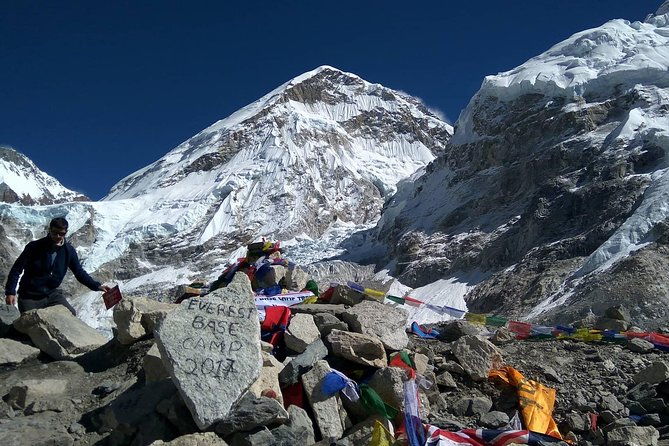
Lobuche and Everest Base Camp: Over 4-5 hours, this section offers a chance to stand at the foot of the world’s tallest mountain. Reaching the Everest Base Camp (5,364m) is a highlight, with many commentators describing it as “a surreal, almost spiritual experience.” After taking in the views, you descend to Gorakshep, then climb early to Kalapathar for an unbeatable panorama of Everest—an experience reviewers say is “simply unforgettable.”
Transportation & Logistics
One of this trek’s biggest perks is the overland access from Kathmandu to Salleri, which means a longer travel day but fewer flights and the chance to see Nepal’s scenic countryside. The private vehicle ride is comfortable, with stops along the way for photos and snacks. The return from Lukla to Kathmandu is via a short (35-minute) flight, which many find convenient after days of hiking.
This route’s group size is up to 15, which feels just right—small enough for personalized attention but large enough for a lively atmosphere. Guides are experienced and speak English, making communication smooth. The tour also includes porter service—each pair of trekkers gets one porter—helping with gear and making the trek more manageable.
Accommodation & Meals
During the trek, you’ll stay in teahouses—simple but comfortable lodges with basic amenities. The inclusion of all meals (breakfast, lunch, and dinner) means you don’t have to worry about finding food in remote areas; the menu usually includes local dishes, pasta, rice, and hearty soups.
In Kathmandu, you’ll enjoy a 3-star hotel with breakfast, a nice touch after days in the mountains. The farewell dinner is a lovely way to celebrate your achievement and reflect on the adventure.
- 4 UNESCO World Heritage Site Tour Nepal
- Kathmandu: Private Sightseeing Tour
- Kathmandu: Private/Group 4 UNESCO World Heritage With Lunch
- Kathmandu: 7 UNESCO Sites Private or Group Tour With Lunch
- Kathmandu: Private/Group Tour to 7 UNESCO Sites With Lunch
- Kathmandu: Nagarkot & Changunarayan Temple Hiking With Lunch
Cost & Value
At $1,500 per group (up to 15), this trek offers solid value considering the included services: ground transportation, hotel, meals, guide, porter, and flight. The route’s exclusivity and fewer crowds mean you get a more authentic, less commercial experience. For those seeking adventure over luxury, this price covers a comprehensive, well-supported journey.
The Authentic Experience and What You’ll Love
Most reviews praise the knowledgeable guides—locals who go out of their way to make trekkers feel comfortable. One reviewer mentioned, “Rupak was so amazing, friendly, helpful,” highlighting the personal care. Their insights turn a walk into a cultural adventure, offering stories about mountain life and tips for altitude adjustment.
The views along the trail are spectacular, with many hikers citing the close-up experience of Himalayan giants as their favorite part. The trek’s route through less crowded areas means you’ll see more wildlife, fewer travelers, and enjoy peaceful moments amid towering peaks.
Unique Advantages
- The route’s less touristic nature allows for genuine interactions with local communities.
- The overland drive offers a scenic, less rushed start to the trek.
- The inclusion of acclimatization days and side hikes ensures better health at higher altitudes.
- The well-organized logistics, from airport transfers to the flight back from Lukla, make the process smooth and stress-free.
Challenges and Considerations
While this trek offers an authentic and less crowded route, it does involve long travel days and more overland driving—not ideal if you’re short on time or prefer quick, scenic flights. The physical demand is moderate to high, with steep ascents and high-altitude camping, so good fitness is recommended.
Plus, weather can be unpredictable, and the longer overland journey might mean delays due to road conditions. It’s worth packing flexible plans and a good sense of adventure.
Who Should Consider This Trek?
This route is perfect for adventurers craving a quieter, more authentic Everest experience, willing to spend extra time in transit, and comfortable with moderate physical exertion. It’s ideal for those who want to avoid the crowds and see more of Nepal’s rural mountain life.
If you’re looking for a well-supported trek with knowledgeable guides and a chance to experience Everest without the usual hustle of Lukla flights, this tour ticks all the boxes.
The Sum Up
The Everest Base Camp Trek from Salleri offers a compelling alternative to the crowded Lukla route, providing a genuine, scenic, and culturally rich experience. The combination of overland adventure, expert guiding, and stunning mountain scenery makes it suitable for travelers who want to go beyond the usual tourist trail.
With thoughtful organization, comfortable accommodation, and a focus on authentic Nepalese life, it delivers excellent value and memorable moments. Whether you’re a seasoned trekker or a curious adventurer, this route promises an enriching journey into the heart of the Himalayas.
Frequently Asked Questions
How do I get to the start of this trek?
You’ll be picked up from Kathmandu and driven 8-9 hours in a private vehicle to Salleri, giving you a scenic introduction to Nepal’s countryside before beginning your trek.
What is included in the tour package?
The package covers airport transfers, hotel accommodation in Kathmandu, all meals during the trek, teahouse stays, a local English-speaking guide, porter service, a domestic flight from Lukla to Kathmandu, and all taxes.
What amenities are provided during the trek?
You’ll stay in teahouses with basic but comfortable facilities. All meals are included, featuring local and international dishes. A medical kit is carried by your guide for emergencies.
Is this trek suitable for children?
It’s not recommended for children aged 10 and under, mainly due to the physical demands and high-altitude exposure.
What kind of physical fitness is required?
A moderate level of fitness is necessary, as the trek involves several days of walking 5-7 hours at altitude, with some steep ascents.
Are there acclimatization days?
Yes, a dedicated acclimatization day in Dingboche includes a side hike to Nagarjun Hill, helping prevent altitude sickness.
How does the route compare to traditional approaches?
Unlike the Lukla route, this trek avoids flights and crowded trails, offering a more peaceful, immersive experience with closer views of Nepal’s rural life.
What is the best time of year to do this trek?
While not specified explicitly, most Himalayan treks are best enjoyed in spring (March-May) or autumn (September-November) when weather conditions are stable.
In summary, this trek offers a less traveled, more authentic adventure into the Everest region. It balances scenic beauty, cultural encounters, and logistical support, making it an ideal choice for travelers craving a genuine Himalayan experience without the crowds.
More 3-Day Experiences in Kathmandu
- Kathmandu: 3-Day Pokhara Highlights with Hotel and Transfers
- 2 nights 3 days Chitwan Jeep Safari Package
- Pokhara: Small Group 3-Day Trekking to Poon Hill with Lunch
- Kathmandu: 3-Day Pharping Meditation and Yoga Retreat
- Kathmandu: 3-Day Tour with Mountain Flight & Transfers
- Nagarkot Dhulikhel Sightseeing, Treks and Tours 3 Days 2 Nights
More Tours in Kathmandu
More Tour Reviews in Kathmandu
Still browsing? Here are more Kathmandu experiences we've covered recently
- Discover 12 Great Airport Transfers In Kathmandu
- 14 Best Tours In Kathmandu
- Which Kathmandu Tours & Experiences To Choose? Our Best 12 Picks
- 5 days Pokhara City Private Tour from Kathmandu
- Kathmandu: Everest Base Camp Helicopter Tour with Breakfast
- Kathmandu to Lukla one way Flight Ticket
- 1 Day Shivapuri Hiking from Kathmandu
- Poon Hill Trek – 5 Day / 4 Night (ex Kathmandu) – Daily Departure
- 11 days Panorama Panchase Homestay Trek
- 2 Days Seven Heritage and Nagarkot Sunrise Tour
- Kathmandu: Khumai Danda Trek with Meals and Guide
- Kathmandu City Tour