
- Introduction
- Key Points
- The Experience in Detail: What to Expect
- Starting in Kathmandu
- The Flight to Lukla
- Trekking from Lukla to Phakding
- Namche Bazaar: The Sherpa Capital
- Tengboche and Spiritual Elevation
- Dingboche and Altitude Adjustment
- Lobuche and Khumbu Glacier
- The Climax: Everest Base Camp
- Kala Patthar for the Best View
- Descent and Return
- What Makes This Tour Stand Out?
- The Downsides to Consider
- Practical Tips for Potential Trekker
- The Sum Up
- FAQ
- More Hiking & Trekking Tours in Kathmandu
- More Tour Reviews in Kathmandu
- Still browsing? Here are more Kathmandu experiences we've covered recently
Introduction
Thinking about tackling the world’s most iconic trek? The Everest Base Camp (EBC) Trek is often called the mother of all Himalayan adventures—and for good reason. With a 5-star rating based on 27 reviews, this 14-day journey promises jaw-dropping mountain scenery, a chance to connect with Sherpa culture, and the kind of challenge that makes for a lifetime story.
What makes this trek stand out? First, the expert-guided experience ensures you’re in good hands, with knowledgeable guides who know the mountain inside out. Second, the stunning views of Everest and surrounding peaks are truly unforgettable, making every step worth it. Third, the value-packed itinerary and comfortable accommodations in lodges and tea houses offer a balance of authentic experience and comfort. But, a potential consideration? The high altitude can be tough, so good physical fitness is a must.
This trek is perfect for those craving an epic adventure, culture, and breathtaking scenery—provided you’re prepared for some physical exertion and basic lodges. Whether you’re an avid trekker or a first-time Himalayan traveler, this journey offers a blend of challenge, beauty, and culture you won’t find elsewhere.
Key Points
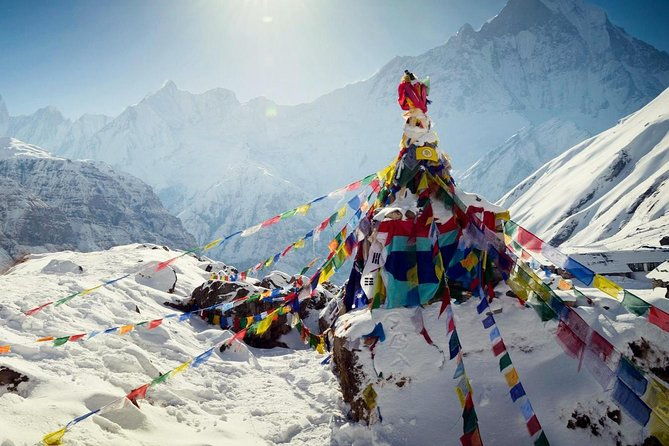
- Expert-guided journey ensures safety, local insights, and support throughout.
- Stunning panoramic views of Everest and the Khumbu region are highlights of the trek.
- Authentic Sherpa culture at Namche Bazaar and Tengboche enriches the experience.
- Comfortable lodge accommodations balance adventure with convenience.
- Moderate to high physical fitness is required for this challenging trek.
- Great value for the price considering all included transportation, accommodations, and meals.
Love being outdoors? Check out these other hiking spots we've covered in Kathmandu
The Experience in Detail: What to Expect
Starting in Kathmandu
The journey begins in Nepal’s vibrant capital. You’ll be picked up from Tribhuvan International Airport and transferred to your hotel, where you can prepare for the adventure ahead. The airport transfer is included, relieving some travel stress after your international flight. A couple of days in Kathmandu also give you a chance to soak in the local culture and get any last-minute gear or supplies.
The Flight to Lukla
The most exciting part? The tiny, dramatic flight from Kathmandu to Lukla. It’s a 40-minute flight that offers spectacular views of the Himalayas—an adventure in itself. Several reviews highlight how this flight is a memorable highlight, with some mentioning the possibility of delays or cancellations, especially in bad weather, so flexibility is wise. If flights get canceled, a helicopter option is available at an extra cost, which can be a game-changer for those on tight schedules or worried about delays.
Trekking from Lukla to Phakding
Once on the ground, the trek kicks off with a walk to Phakding. It’s a gentle start, giving trekkers time to acclimate and enjoy the lush scenery along the Dudh Kosi River. This first stretch takes about 4 hours, and you’ll get a taste of Nepali village life and the trail’s peaceful vibe.
- 4 UNESCO World Heritage Site Tour Nepal
- Kathmandu: Private Sightseeing Tour
- Kathmandu: Private/Group 4 UNESCO World Heritage With Lunch
- Kathmandu: 7 UNESCO Sites Private or Group Tour With Lunch
- Kathmandu: Private/Group Tour to 7 UNESCO Sites With Lunch
- Kathmandu: Local Led Cooking Class: Dal Bhat & Momo Making
Namche Bazaar: The Sherpa Capital
Day 3’s highlight is reaching Namche Bazaar, which takes around 6 hours of walking. As the main hub of Sherpa culture, Namche offers vibrant markets, cozy teahouses, and spectacular mountain vistas. Reviewers love this stop for its lively atmosphere and the chance to orient yourself at high altitude. A rest day here for acclimatization is key—many praise how well the guides manage this, ensuring you’re prepared for the higher elevations ahead.
Tengboche and Spiritual Elevation
On Day 5, you’ll trek to Tengboche, famous for its monastery and spiritual ambiance. The 6-hour walk passes through pine forests filled with the scent of juniper and offers stunning views of Everest, Lhotse, and Ama Dablam. Many mention the monastery as a peaceful spot that invigorates your soul and offers a glimpse into Sherpa spirituality.
Dingboche and Altitude Adjustment
The next few days involve gradual altitude gain, with stops at Dingboche and other villages. Dingboche, at over 4,200 meters, is an important acclimatization stop. Reviewers emphasize the importance of resting properly here to prevent altitude sickness. The scenery is more exposed and panoramic, with snow-capped peaks surrounding you.
Lobuche and Khumbu Glacier
From Dingboche, the trek takes you to Lobuche, which sits at nearly 5,000 meters. Here, the landscape shifts to stark rocky terrain and glaciers—each step revealing more of the mountain’s raw power. The walk is long but rewarding, with many praising the well-organized logistics and helpful guides.
The Climax: Everest Base Camp
The highlight of the trip arrives on Day 9: reaching Everest Base Camp after a challenging 6-hour trek. The trail winds through rocky paths and the Khumbu Glacier, offering unparalleled views of Everest’s south face. Reviewers describe the sense of achievement as “unbelievable,” with many quoting how the rocky, rugged landscape makes the feat even more memorable. You’ll have time to soak in the sights, take photos, and imagine the climbers’ stories of sacrifice and perseverance.
Kala Patthar for the Best View
Next, you’ll ascend Kala Patthar—a 6-hour round trip from Gorak Shep—that offers the best panoramic views of Everest and the surrounding peaks. Many reviews highlight this as a must-do for stunning photos and that it’s well worth the effort, despite the altitude. The view from 5,545 meters is often described as breathtaking and makes for one of the trip’s most memorable moments.
Descent and Return
After the excitement at Kala Patthar, you’ll trek down through Pheriche and back to Namche Bazaar, gradually descending and giving your body a chance to recover. The trek back to Lukla is often described as a bittersweet journey—beautiful but with a sense of closure. The last day involves a flight back to Kathmandu, where you can celebrate your achievement and share stories with fellow travelers.
What Makes This Tour Stand Out?
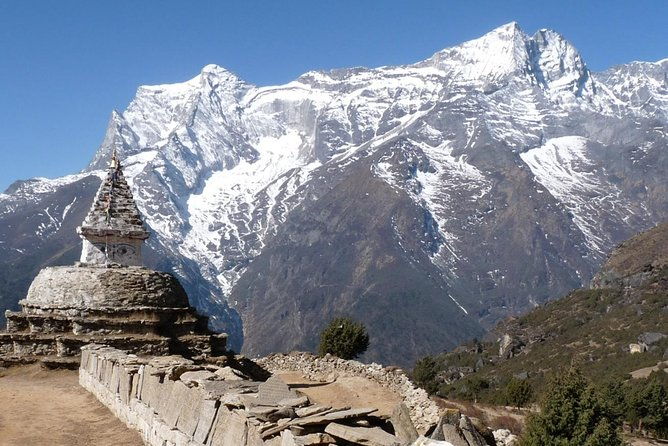
Knowledgeable Guides: Many reviews emphasize the expertise and friendliness of guides like Ganesh, Amir, and Laxman. Their local knowledge, patience at high altitude, and ability to keep spirits high are often highlighted. They act as both safety experts and cultural ambassadors, sharing stories and tips along the way.
Stunning Mountain Views: From the flight to Lukla to the summit views from Kala Patthar, every day offers jaw-dropping scenery. Reviewers consistently mention how the mountain vistas stay with them long after the trek.
Cultural Authenticity: Visiting Sherpa villages, monasteries, and bustling Namche Bazaar offers an immersive experience that’s as much about culture as it is about mountain conquest. Many reviewers appreciate the chance to learn about Sherpa traditions and daily life.
Value for Money: For $1,500 per person, this package includes flights, accommodations, meals, guide, porters, and all necessary permits. Given the length and scope of the trek, the value is seen as excellent, especially considering the quality of guides and the included services.
The Downsides to Consider
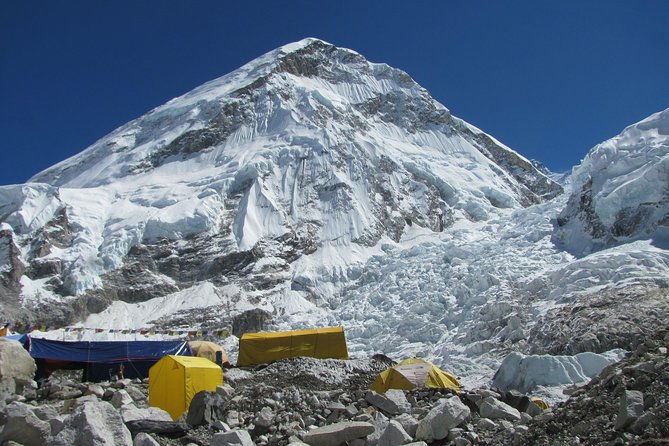
The trek’s physical demands are significant, especially at high altitudes. While the itinerary includes acclimatization days, you’ll need good fitness and mental toughness. Some reviewers note that the lodges are basic and that daytime temperatures can vary, so pack wisely. Weather delays are possible, especially in Lukla flights, but the helicopter option provides an alternative if needed.
Practical Tips for Potential Trekker
- Physical Fitness: Prepare with some cardio and hiking practice beforehand—this trek isn’t for absolute beginners.
- Altitude Awareness: Rest and hydrate well at each stop, and listen to your guides’ advice.
- Pack Smart: Bring layers, good hiking boots, and essentials like sunscreen, sunglasses, and a camera.
- Insurance: Travel insurance that covers flight cancellations or helicopter rescue is advisable.
- Money: Budget extra for drinks, snacks, tips, and souvenirs—most meals are included, but personal expenses vary.
- Hiking Pace: Trust your guides and don’t rush—altitude can hit you unexpectedly.
The Sum Up
The Everest Base Camp Trek offers a rare blend of adventure, cultural insight, and awe-inspiring vistas—all at a competitive price. With expert guides and well-organized logistics, it’s an accessible way to tick off an iconic Himalayan milestone.
It’s best suited for travelers who are physically prepared, eager for authentic mountain experiences, and looking for value without sacrificing comfort. If you’re ready to face some altitude, embrace the beauty of the Khumbu region, and share stories for generations, this trek should be top of your list.
FAQ
Is this tour suitable for first-time trekkers?
While some experience with hiking or trekking is helpful, the itinerary includes acclimatization days to help first-timers adjust. Good physical fitness is recommended.
What’s included in the price?
The $1,500 covers airport transfers, accommodations in Kathmandu and lodges during the trek, all meals, guide, porters, permits, and essential fees. Flights from Kathmandu to Lukla and back are also included.
Can I upgrade my accommodations?
Yes, private single rooms are available for an extra fee, and in Kathmandu, you can upgrade to higher-standard hotels if needed.
What happens if Lukla flights are canceled?
Flights may be rescheduled or, at extra cost, replaced with a helicopter transfer. Travel insurance that covers such delays is recommended.
How physically demanding is this trek?
It’s a moderate to high-level trek that involves long days and high altitudes. Good fitness and mental resilience are essential.
Are meals included?
Yes, breakfast, lunch, and dinner are included during the trek, with choices at each stop. Meals in Kathmandu are not included in the package.
What’s the best time to do this trek?
While not explicitly specified, the most popular seasons are typically pre- and post-monsoon—spring and autumn—when weather conditions are clearer.
Is there Wi-Fi on the trek?
Some lodges offer Wi-Fi, but it may be spotty or slow, especially at higher altitudes.
Do I need travel insurance?
Yes, it’s strongly recommended, especially coverage for flight cancellations, altitude sickness, and helicopter rescue if necessary.
How about tipping?
Tipping guides and support staff is appreciated but not mandatory. Budgeting about 10-15% of the tour cost for tips is common practice.
Taking on the Everest Base Camp Trek means embracing one of the most iconic challenges in mountain travel. With expert guides, careful planning, and a sense of adventure, it’s a trip that will stay with you forever.
More Hiking & Trekking Tours in Kathmandu
More Tour Reviews in Kathmandu
Still browsing? Here are more Kathmandu experiences we've covered recently
- Discover 12 Great Airport Transfers In Kathmandu
- 14 Best Tours In Kathmandu
- Which Kathmandu Tours & Experiences To Choose? Our Best 12 Picks
- 5 days Pokhara City Private Tour from Kathmandu
- Kathmandu: Everest Base Camp Helicopter Tour with Breakfast
- Kathmandu to Lukla one way Flight Ticket
- 1 Day Shivapuri Hiking from Kathmandu
- Poon Hill Trek – 5 Day / 4 Night (ex Kathmandu) – Daily Departure
- 11 days Panorama Panchase Homestay Trek
- 2 Days Seven Heritage and Nagarkot Sunrise Tour
- Kathmandu: Khumai Danda Trek with Meals and Guide
- Kathmandu City Tour