
The Everest Base Camp Trek offers an incredible blend of adventure and cultural experience. Spanning 14 days and covering around 130 kilometers, trekkers can expect stunning landscapes and rich Sherpa traditions along the way. Key highlights include views of the Khumbu Icefall and the ascent of Kala Patthar. As they navigate this iconic journey, trekkers will encounter vibrant villages and ancient monasteries. But what should they know before embarking on this unforgettable trek?
- Key Points
- Trek Overview and Highlights
- Cultural Immersion and Experience
- Accommodations and Services Included
- Costs and Exclusions
- Important Information and Recommendations
- Itinerary and Daily Breakdown
- Essential Gear and Packing List
- Fitness Preparation and Safety Tips
- Frequently Asked Questions
- What Is the Best Time of Year to Trek to Everest Base Camp?
- How Can I Prepare for Altitude Sickness During the Trek?
- Are There Any Age Restrictions for Participants on the Trek?
- Can I Charge My Electronic Devices During the Trek?
- What Wildlife Might I Encounter on the Everest Base Camp Trek?
- The Sum Up
- More Guided Tours in Kathmandu
- More Tours in Kathmandu
- More Tour Reviews in Kathmandu
- Still browsing? Here are more Kathmandu experiences we've covered recently
Key Points
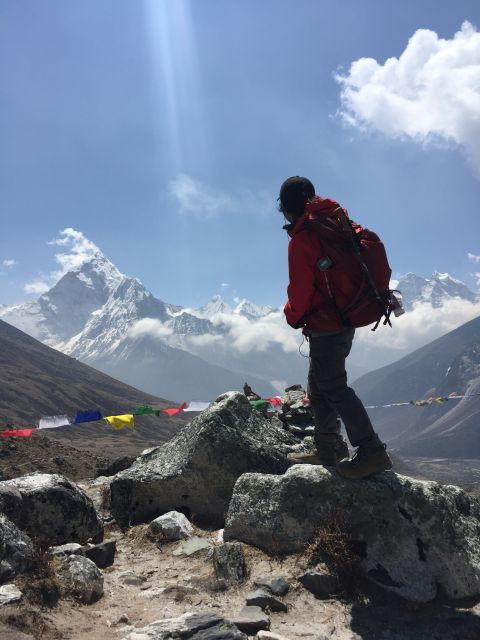
- The Everest Base Camp trek lasts 14 days and covers about 130 kilometers, starting with a flight from Kathmandu to Lukla.
- Key highlights include Sagarmatha National Park, Tengboche Monastery, and stunning views from Everest Base Camp at 5,364 meters.
- Accommodations include 11 nights in teahouses and mountain lodges, plus 2 nights in a Kathmandu hotel.
- A professional trek leader and Sherpas provide guidance, while porters assist by carrying up to 10 kg per trekker.
- Proper fitness, gear, and awareness of additional costs for personal expenses and tips are essential for a successful trek.
Trek Overview and Highlights
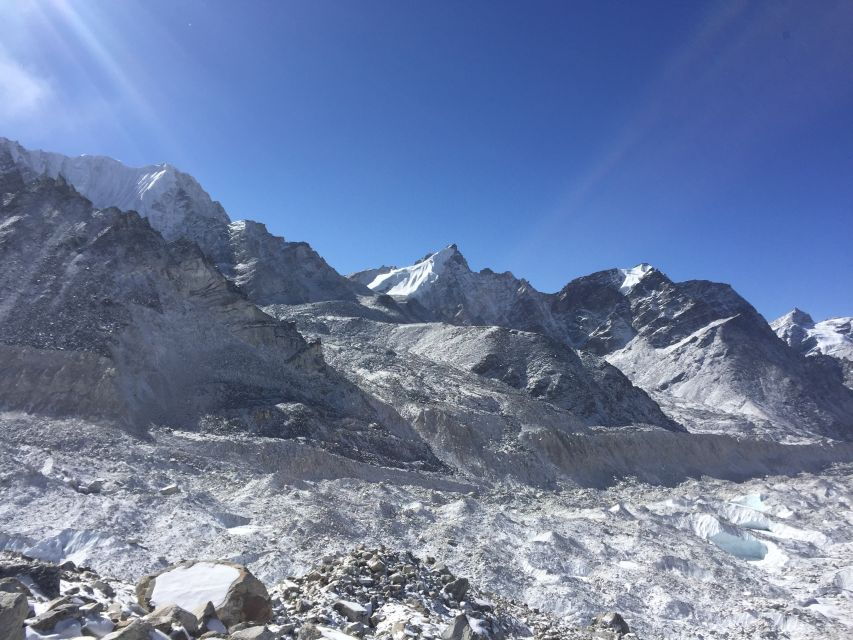
The Everest Base Camp trek is an exhilarating journey that draws adventurers from around the globe. Spanning 14 days and roughly 130 kilometers, trekkers fly from Kathmandu to Lukla, then ascend through charming Sherpa villages like Namche Bazaar and Dingboche.
Highlights include the stunning Sagarmatha National Park, where trekkers can visit the Tengboche Monastery and marvel at peaks like Ama Dablam and Mount Everest.
Reaching Everest Base Camp at 5,364 meters offers incredible views of the Khumbu Icefall. A hike to Kala Patthar rewards trekkers with breathtaking panoramic views, especially during sunrises and sunsets—a truly unforgettable experience!
Love being outdoors? Check out these other hiking spots we've covered in Kathmandu
Cultural Immersion and Experience
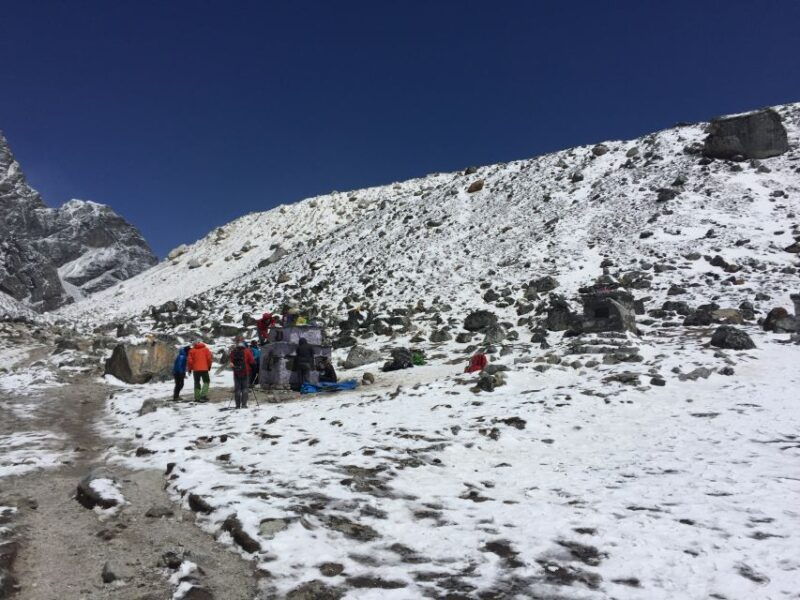
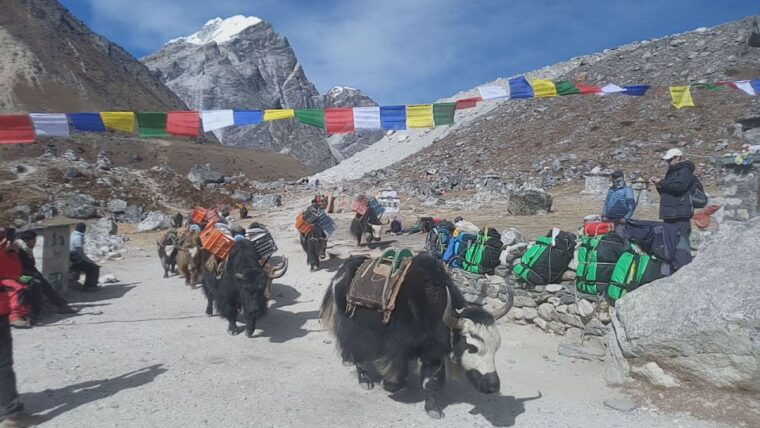
As trekkers make their way through the breathtaking landscapes of the Everest region, they dive into the rich tapestry of Sherpa culture. They encounter ancient monasteries, colorful prayer flags, and the spiritual traditions that define this unique community. This trek isn’t just about breathtaking views; it offers a chance to connect with the locals and understand their way of life.
| Cultural Elements | Description |
|———————–|————————————-|
| Monasteries | Visit ancient sites like Tengboche |
| Prayer Wheels | Spin wheels for blessings |
| Festivals | Experience vibrant local celebrations |
| Cuisine | Savor traditional Sherpa dishes |
| Language | Learn basic Sherpa phrases |
Accommodations and Services Included
Experiencing the rich Sherpa culture is just one part of the Everest Base Camp trek; accommodations and services play a key role in ensuring a comfortable journey.
Trekkers enjoy 11 nights in cozy teahouses and mountain lodges, plus 2 nights in a Kathmandu hotel. The package includes domestic flights, airport transfers, and a professional trek leader along with Sherpas for guidance.
Porters carry up to 10 kg per trekker, easing the load. Essential trekking permits and a medical kit are provided, ensuring safety and compliance.
All government taxes are included, making the trek hassle-free and enjoyable for adventurers.
Costs and Exclusions
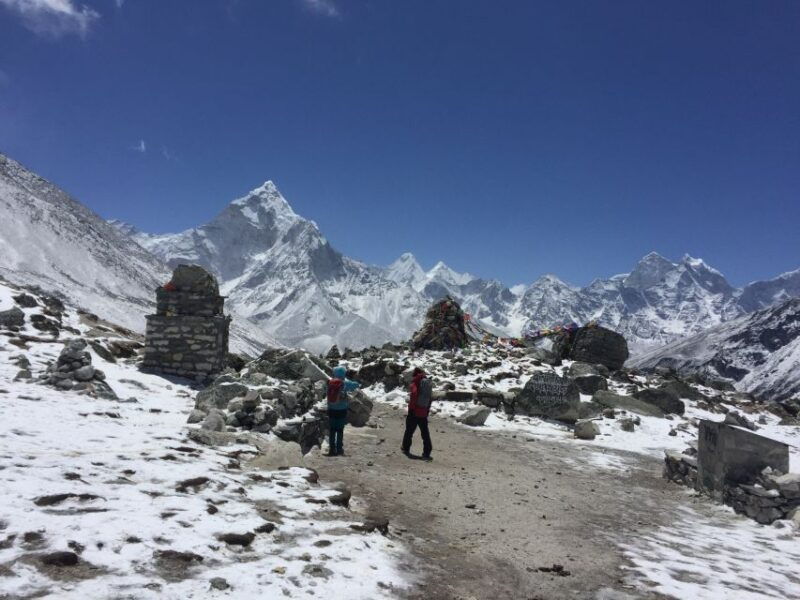
When planning for the Everest Base Camp trek, it’s important to budget for various costs that aren’t included in the package.
Trekking enthusiasts need to keep these in mind:
-
International flights, visa, and travel insurance aren’t included.
-
Personal expenses like snacks, drinks, and souvenirs will add up.
-
Accommodation before and after the trek requires separate arrangements.
-
Tips for guides and porters are customary and not included.
-
Extra services such as hot showers, Wi-Fi, and charging may incur additional fees.
Being aware of these exclusions helps trekkers prepare financially for their unforgettable adventure.
More Great Tours NearbyImportant Information and Recommendations
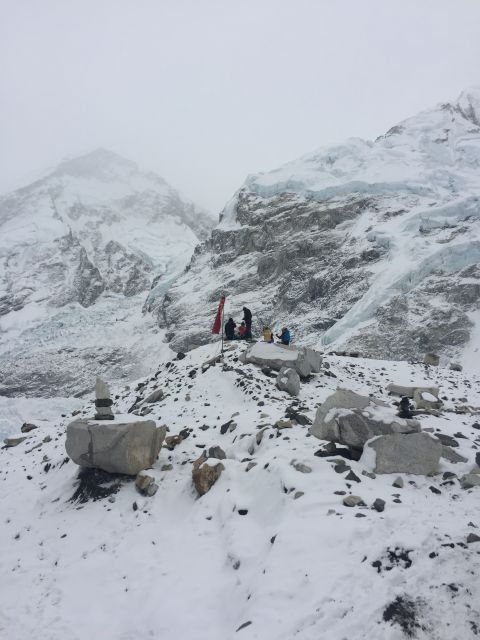
To ensure a smooth and enjoyable Everest Base Camp trek, trekkers should keep a few essential points in mind.
It’s crucial to maintain a good fitness level, as the trek can be physically demanding. Proper clothing and gear are essential for high-altitude conditions, so packing wisely is key.
Trekkers should also be prepared for varying weather, as the trek occurs rain or shine. Plus, visitors must pass through airport-style security, and a free cancellation option is available up to 24 hours in advance.
Finally, consider the reserve now, pay later option for added flexibility in planning.
- 4 UNESCO World Heritage Site Tour Nepal
- Kathmandu: Private Sightseeing Tour
- Kathmandu: Private/Group 4 UNESCO World Heritage With Lunch
- Kathmandu: 7 UNESCO Sites Private or Group Tour With Lunch
- Kathmandu: Private/Group Tour to 7 UNESCO Sites With Lunch
- Kathmandu: Nagarkot & Changunarayan Temple Hiking With Lunch
Itinerary and Daily Breakdown
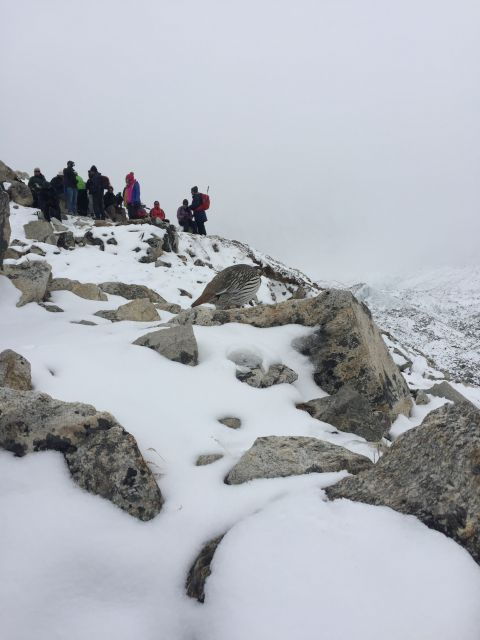
As trekkers embark on the Everest Base Camp journey, they’ll find a well-structured itinerary that guides them through breathtaking landscapes and cultural experiences.
Each day unfolds new adventures, including:
-
Scenic flights to Lukla and back
-
Trekking through Sherpa villages like Namche Bazaar
-
Visiting the stunning Tengboche Monastery
-
Reaching Everest Base Camp at 5,364 meters
-
Capturing panoramic views from Kala Patthar
This daily breakdown ensures trekkers not only conquer the trail but also enjoy the region’s rich culture while enjoying the majestic scenery of the Himalayas.
Each moment holds a blend of challenge and awe.
Essential Gear and Packing List
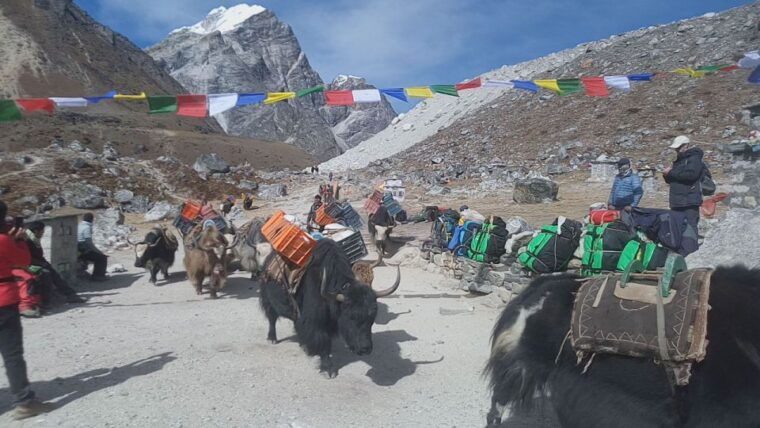
Packing for the Everest Base Camp trek requires careful consideration of essential gear to ensure trekkers are comfortable and prepared for the varying conditions they’ll encounter.
Key items include a sturdy pair of trekking boots, layered clothing for temperature changes, and a waterproof jacket.
Don’t forget a warm sleeping bag and a reliable backpack to carry your essentials.
Trekking poles can provide stability on uneven terrain, while a good quality water bottle keeps you hydrated.
Also, pack sunscreen, sunglasses, and a first-aid kit.
With the right gear, trekkers can focus on enjoying the breathtaking scenery and cultural experiences along the trail.
Fitness Preparation and Safety Tips
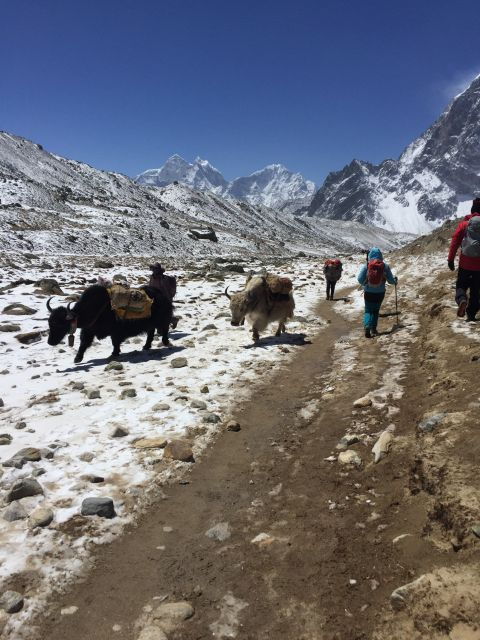
Having the right gear sets the stage for a successful Everest Base Camp trek, but physical preparation is just as important. Trekkers should focus on building stamina and strength to tackle challenging terrain.
Proper gear is essential for a successful Everest Base Camp trek, but physical conditioning is equally crucial for overcoming tough terrain.
Here are some fitness tips:
-
Start training early: Aim for at least three months of preparation.
-
Incorporate cardio: Activities like hiking, running, or cycling boost endurance.
-
Strengthen your legs: Squats and lunges help with uphill climbs.
-
Practice hiking: Tackle local trails with a weighted backpack.
-
Stay hydrated and eat well: Nutrition impacts energy levels during the trek.
These steps can enhance the trekking experience and ensure safety.
Frequently Asked Questions
What Is the Best Time of Year to Trek to Everest Base Camp?
The best time to trek is typically during spring (March to May) and autumn (September to November). These months offer clear skies, mild temperatures, and stunning views, making the journey enjoyable and safe for adventurers.
How Can I Prepare for Altitude Sickness During the Trek?
To prepare for altitude sickness, travelers should acclimatize gradually, stay hydrated, and maintain a balanced diet. They should also consult a doctor about preventive medications and recognize symptoms early to ensure a safe journey.
Are There Any Age Restrictions for Participants on the Trek?
There aren’t strict age restrictions for participants, but it’s generally recommended that trekkers be at least 12 years old. Younger trekkers should have good fitness levels and be accompanied by a responsible adult for safety.
Can I Charge My Electronic Devices During the Trek?
He can charge his electronic devices during the trek, but it might incur extra costs. Most teahouses offer charging facilities, so he should bring a power bank for reliable backup, especially during longer hiking days.
What Wildlife Might I Encounter on the Everest Base Camp Trek?
While trekking, she might spot Himalayan tahr, musk deer, or even elusive snow leopards. Numerous bird species also grace the trails, adding to the experience. Nature’s beauty truly enhances the adventure and culture.
The Sum Up
The Everest Base Camp Trek is more than just a hike; it’s a journey through breathtaking landscapes and rich culture. Trekkers get to enjoy Sherpa traditions while tackling stunning trails. With proper preparation, including the right gear and fitness level, adventurers can fully enjoy this unforgettable experience. So, lace up those boots and get ready for an adventure of a lifetime! The majestic Everest awaits, and it’s a trek you won’t want to miss!
You can check availability for your dates here:More Guided Tours in Kathmandu
More Tours in Kathmandu
More Tour Reviews in Kathmandu
Still browsing? Here are more Kathmandu experiences we've covered recently
- Discover 12 Great Airport Transfers In Kathmandu
- 14 Best Tours In Kathmandu
- Which Kathmandu Tours & Experiences To Choose? Our Best 12 Picks
- 5 days Pokhara City Private Tour from Kathmandu
- Kathmandu: Everest Base Camp Helicopter Tour with Breakfast
- Kathmandu to Lukla one way Flight Ticket
- 1 Day Shivapuri Hiking from Kathmandu
- Poon Hill Trek – 5 Day / 4 Night (ex Kathmandu) – Daily Departure
- 11 days Panorama Panchase Homestay Trek
- 2 Days Seven Heritage and Nagarkot Sunrise Tour
- Kathmandu: Khumai Danda Trek with Meals and Guide
- Kathmandu City Tour