
The Everest Base Camp Trek offers a unique opportunity to explore the stunning Himalayas over 15 days. With a well-structured itinerary, trekkers will visit key locations like Namche Bazaar and Tengboche Monastery. Each step brings breathtaking views and rich cultural experiences. Understanding the trek’s preparation and essential gear is crucial for a successful adventure. What awaits at the iconic Everest Base Camp?
- Key Points
- Trek Overview and Itinerary
- Highlights of the Trek
- Daily Itinerary Breakdown
- Inclusions and Services
- Preparation for the Trek
- Essential Gear and Clothing
- Acclimatization Importance
- Cultural Insights and Local Interaction
- Frequently Asked Questions
- What Is the Best Time to Do the Everest Base Camp Trek?
- How Difficult Is the Trek in Terms of Fitness Level Required?
- Are There Any Age Restrictions for Trekking to Everest Base Camp?
- What Is the Average Group Size for the Trek?
- How Can I Stay Connected to the Internet During the Trek?
- The Sum Up
- More Hiking & Trekking Tours in Tengboche Monastery
- More Tour Reviews in Tengboche Monastery
Key Points
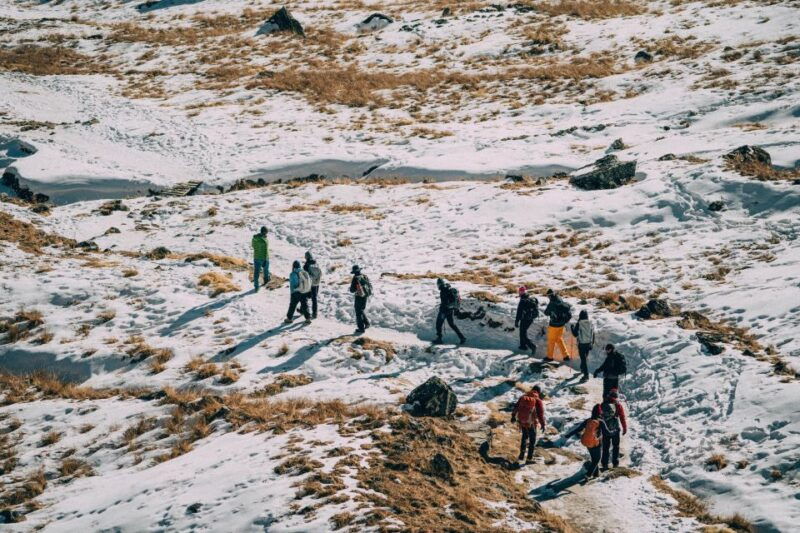
- The trek spans 15 days, starting from Kathmandu and culminating at Everest Base Camp with proper acclimatization.
- Key highlights include Namche Bazaar, Tengboche Monastery, and stunning views of Ama Dablam and Sagarmatha National Park.
- The itinerary includes acclimatization hikes to ensure comfort at higher altitudes during the trek.
- Participants receive accommodations, experienced guides, porters, and necessary permits included in the package.
- Preparation involves physical training, familiarization with altitude sickness symptoms, and securing essential travel documents.
Trek Overview and Itinerary
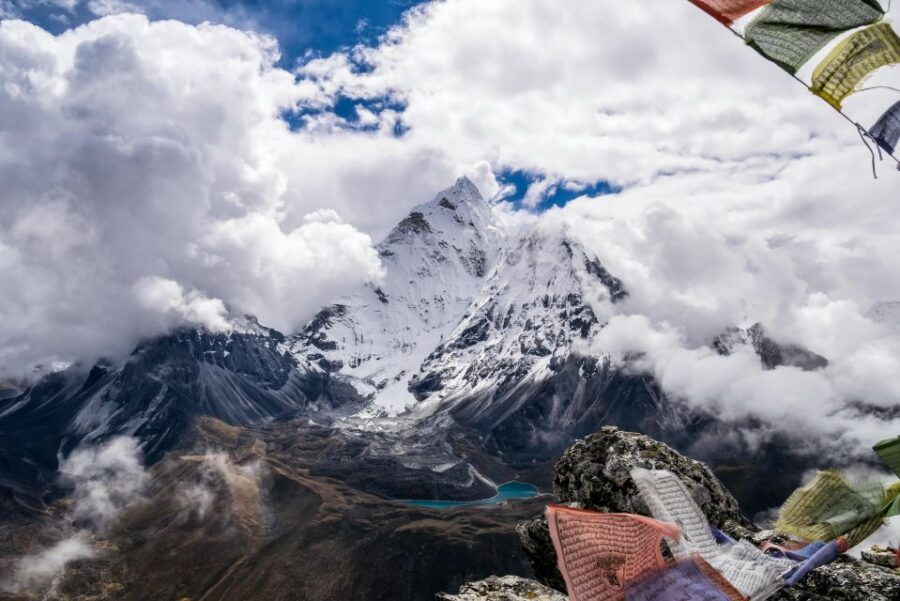
The Everest Base Camp Trek offers adventurers a thrilling 15-day journey through some of the most breathtaking landscapes on Earth.
Starting in Kathmandu, trekkers fly to Lukla before embarking on a series of hikes through picturesque villages and stunning mountain scenery.
Key stops include Namche Bazaar and Tengboche Monastery, where trekkers acclimatize and soak in the vibrant culture.
The itinerary carefully balances trekking days with rest days to ensure proper acclimatization, culminating in the unforgettable experience of reaching Everest Base Camp.
With detailed planning and support, this trek allows participants to enjoy Nepal’s majestic Himalayas.
Highlights of the Trek
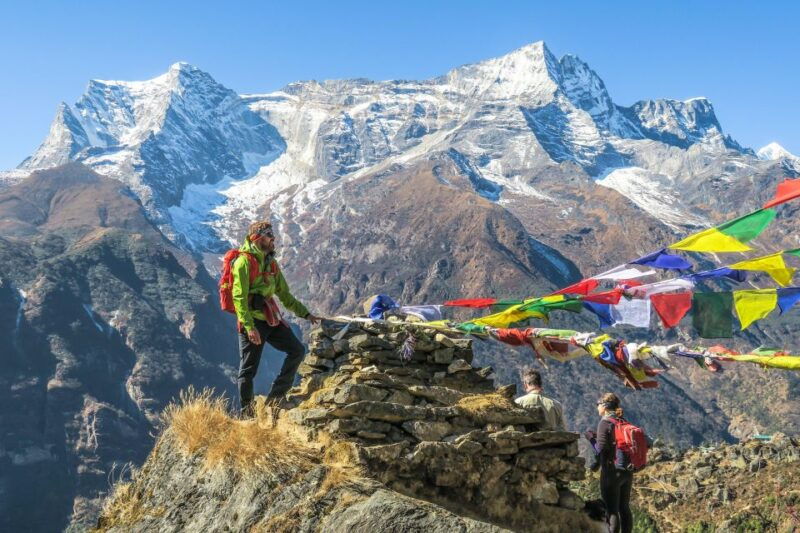
Trekkers will encounter a series of unforgettable highlights throughout the Everest Base Camp Trek, each adding a unique flavor to the journey. They’ll explore vibrant Namche Bazaar, bask in the serene beauty of Sagarmatha National Park, and visit the iconic Tengboche Monastery. The ultimate destination, Everest Base Camp, offers breathtaking views, while Ama Dablam provides stunning backdrops along the route.
| Highlight | Description | Location |
|————————|————————————–|———————–|
| Namche Bazaar | Bustling market town | Namche Bazaar |
| Sagarmatha National Park| UNESCO World Heritage site | Khumbu Region |
| Tengboche Monastery | Famous monastery with stunning views | Tengboche |
| Everest Base Camp | Iconic trekking destination | Base of Everest |
Daily Itinerary Breakdown
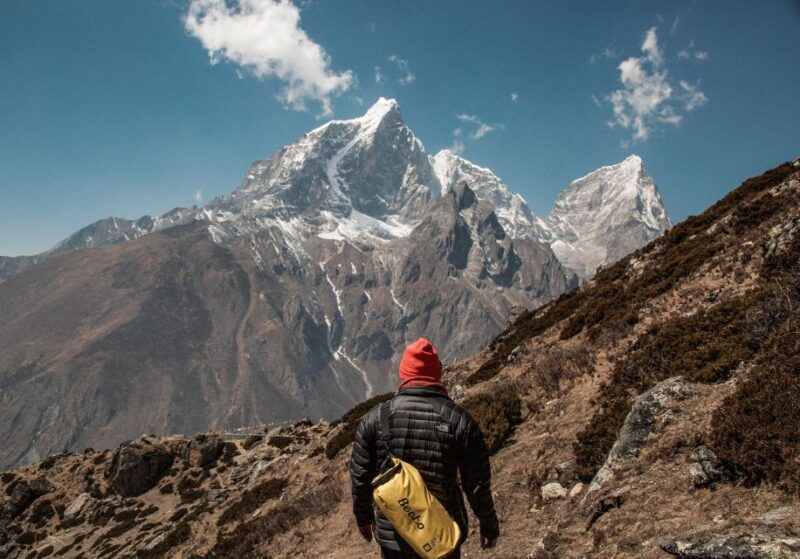
Embarking on the Everest Base Camp Trek is an exhilarating experience filled with remarkable daily adventures. The journey begins in Kathmandu before flying to Lukla, where trekkers head to Phakding.
The next days feature climbs to Namche Bazaar, Tengboche, and Dingboche, with acclimatization hikes to ensure comfort at altitude. After crossing Lobuche, they finally reach Everest Base Camp via Gorak Shep.
The trek culminates with breathtaking views from Kala Patthar. Trekkers retrace their steps back to Namche and Lukla, before returning to Kathmandu for sightseeing and reflection on their incredible journey through the majestic Himalayas.
Inclusions and Services
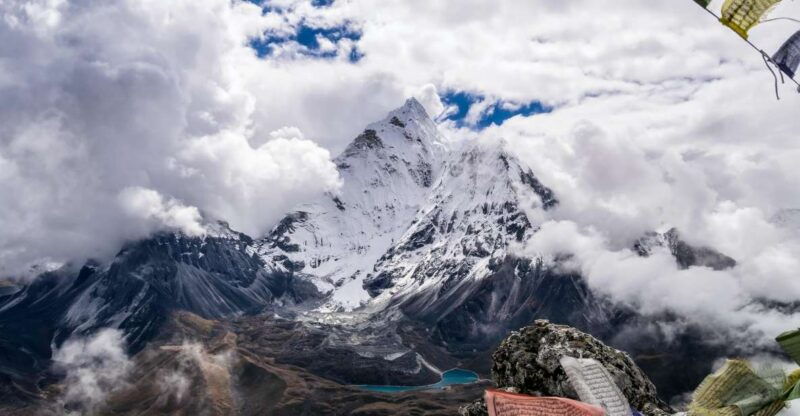
When planning the Everest Base Camp Trek, participants can expect a comprehensive set of inclusions designed to enhance their experience.
This trek includes all ground transport in a private vehicle, airport pickups, and drop-offs. Accommodations feature a 3-star hotel in Kathmandu with breakfast, plus twin-sharing lodges during the trek.
Travelers benefit from an experienced guide and porters, along with necessary permits and flight tickets. Travel insurance and a Nepal entry visa are also covered.
However, participants should note that personal trekking equipment, drinks, tips for staff, and certain fees aren’t included.
More Great Tours NearbyPreparation for the Trek
Preparing for the Everest Base Camp Trek requires careful planning and attention to detail. Trekking enthusiasts must gather essential documents, including a valid passport, visa, and proof of insurance.
Physical preparation is crucial; a fitness regimen with cardio and strength training can enhance endurance. Familiarizing oneself with altitude sickness symptoms is vital for safety. Plus, trekkers should ensure they’ve adequate vaccinations and consult a doctor if necessary.
Lastly, mental preparation is equally important, as the trek requires resilience and determination. By taking these steps, adventurers can set themselves up for a successful and enjoyable trekking experience.
Essential Gear and Clothing
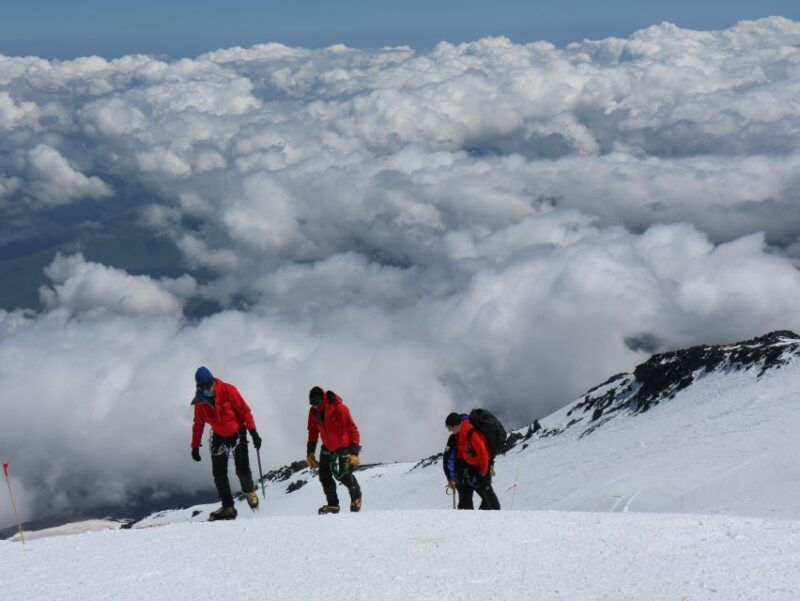
Having the right gear and clothing is essential for a successful Everest Base Camp Trek, as it directly impacts comfort and performance.
The right gear and clothing are crucial for comfort and performance on the Everest Base Camp Trek.
Trekking boots with good ankle support are vital for stability, while moisture-wicking base layers keep trekkers dry. Insulated jackets provide warmth during chilly evenings, and waterproof outer layers protect against rain and snow.
Accessories like gloves, hats, and sunglasses with UV protection are crucial for sun exposure at high altitudes. Don’t forget trekking poles for added support.
A well-packed backpack ensures easy access to snacks and essentials, enhancing the overall trekking experience.
Acclimatization Importance
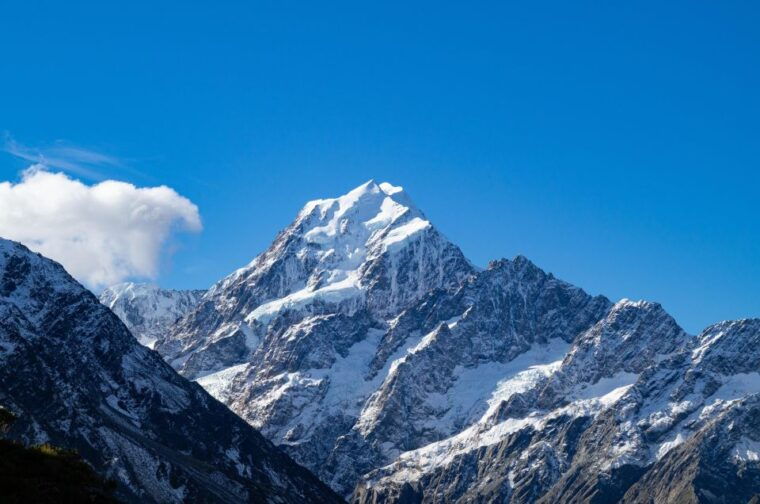
Acclimatization is crucial for trekkers aiming to reach Everest Base Camp, as it helps the body adjust to the high altitudes encountered along the journey.
Without proper acclimatization, trekkers risk altitude sickness, which can lead to serious health issues.
The trek includes designated acclimatization days, allowing trekkers to ascend gradually and then rest, promoting oxygen absorption.
Hikes to nearby viewpoints, like Everest View Hotel and Nagarjun Hill, enhance this process.
Staying hydrated and listening to one’s body are vital during this phase.
Prioritizing acclimatization ensures a safer and more enjoyable trekking experience on the way to Everest Base Camp.
Cultural Insights and Local Interaction
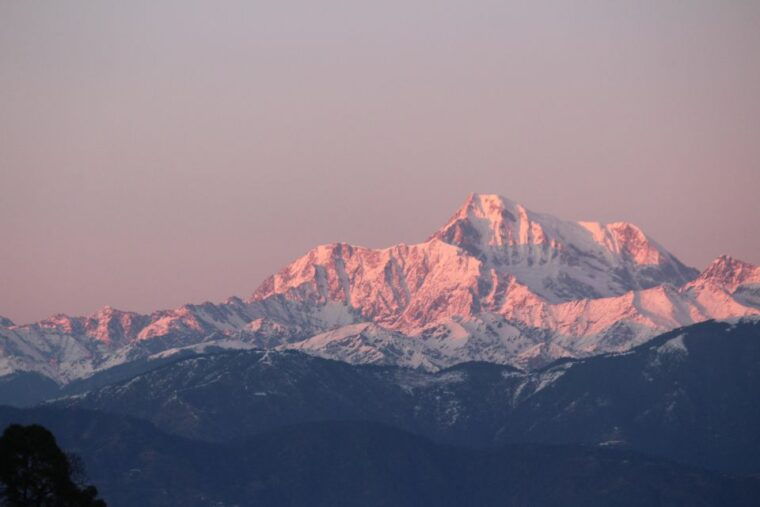
While trekking to Everest Base Camp, travelers enjoy the rich cultural tapestry of the Sherpa communities. Engaging with locals offers unique insights into their traditions, beliefs, and daily lives. Visitors often share meals, participate in local festivals, and enjoy storytelling, creating memorable connections.
| Activity | Cultural Insight |
|———————-|——————————|
| Sharing a meal | Understanding local cuisine |
| Visiting monasteries | Learning about Buddhism |
| Participating in festivals | Experiencing local traditions |
| Interacting with children | Insight into community values |
| Engaging with guides | Learning about Sherpa history |
These interactions enrich the trekking experience significantly.
Frequently Asked Questions
What Is the Best Time to Do the Everest Base Camp Trek?
The best time for trekking in the region is during spring (March to May) and autumn (September to November). These months offer stable weather, clearer skies, and ideal temperatures, ensuring an enjoyable trekking experience.
How Difficult Is the Trek in Terms of Fitness Level Required?
The trek demands moderate fitness, as it involves long daily hikes at high altitudes. Participants should prepare with cardiovascular training and endurance exercises to manage elevation changes and ensure an enjoyable experience throughout the journey.
Are There Any Age Restrictions for Trekking to Everest Base Camp?
There aren’t strict age restrictions for trekking to Everest Base Camp. However, participants should be physically fit and capable of handling high altitudes. Most trekkers are between 12 and 65, but younger or older trekkers can join.
What Is the Average Group Size for the Trek?
The average group size for the trek typically ranges from 10 to 15 participants. This size ensures a manageable experience, allowing for personal interaction while maintaining a supportive atmosphere during the adventure.
How Can I Stay Connected to the Internet During the Trek?
To stay connected during the trek, he can use satellite phones or portable Wi-Fi devices, though network coverage varies. He should also check local lodges for available internet services, which might be limited.
The Sum Up
To sum it up, the Everest Base Camp Trek offers an unforgettable adventure through breathtaking landscapes and rich cultural experiences. Over 15 days, trekkers can enjoy the beauty of the Himalayas while preparing adequately for the high altitudes and rugged terrain. With careful planning and the right gear, this trek can be a rewarding journey for anyone seeking to explore one of the world’s most iconic destinations. Embrace the challenge and create lasting memories amidst the stunning scenery.
You can check availability for your dates here: