
The District of Punk wasn’t just a music scene – it was a way of life. Emerging in the late 1970s and 1980s, this vibrant hub for the punk movement drew together DIY-minded artists and activists. Bands like Bad Brains and Minor Threat shaped the iconic "DC sound," while venues like the 9:30 Club gave them a stage. But the district’s legacy runs deeper, as women played a vital role in shaping this inclusive subculture. What was it about this corner of the nation’s capital that made it such a hotbed for punk innovation?
- Key Points
- The Emergence of DC Punk
- Influential DC Punk Bands
- The Role of Women in DC Punk
- Significant Venues and Spaces
- The DC Punk Archive
- Punk as a Lifestyle
- The Legacy of DC Punk
- Planning Your District of Punk Tour
- The Sum Up
- More Walking Tours in Washington DC
- More Tours in Washington DC
- More Tour Reviews in Washington DC
- Still browsing? Here are more Washington DC experiences we've covered recently
Key Points
-
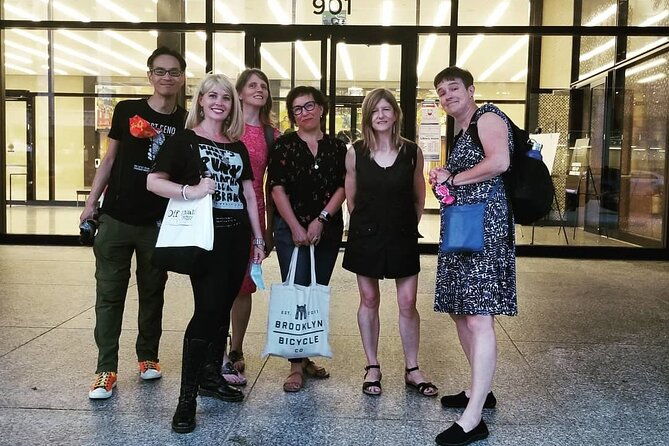
The DC punk scene emerged in the late 1970s and 1980s, marked by a DIY ethic and influential underground venues like DC Space and the original 9:30 Club.
-
Seminal DC punk bands such as The Teen Idles, Void, Bad Brains, Minor Threat, and Rites of Spring shaped the genre’s fast, aggressive, and socially conscious sound.
-
Women played a crucial role in the DC punk scene, with bands like Chalk Circle and Fire Party making significant contributions despite the male-dominated environment.
-
Iconic venues like DC Space, the Lansburgh Cultural Center, and the original 9:30 Club provided platforms for the punk community to connect and showcase their music and activism.
-
The legacy of DC punk continues to influence contemporary music and cultural movements, with the DC Punk Archive preserving the history of the scene.
The Emergence of DC Punk
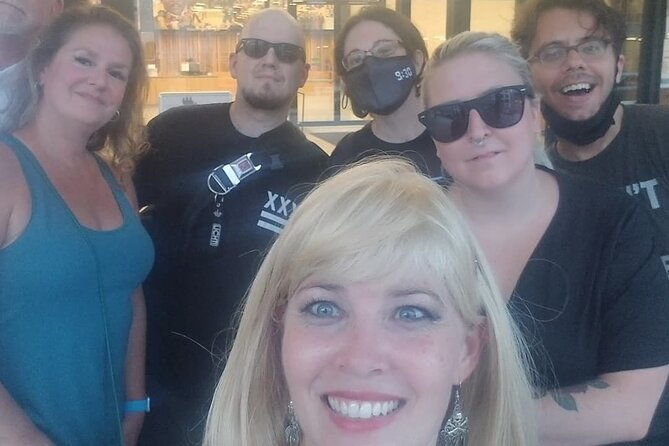
Although often overshadowed by the punk scenes in cities like New York and London, the Washington, DC area gave rise to a vibrant and influential punk rock community in the late 1970s and 1980s.
Driven by a DIY ethic, the DC punk scene centered around underground venues like the legendary DC Space and the original 9:30 Club.
It produced seminal bands such as The Teen Idles, Void, Bad Brains, Minor Threat, and Rites of Spring, whose sound and approach helped define the "DC sound."
Women also played a crucial role, with bands like Chalk Circle and Fire Party adding their voices to the movement.
Looking for more options in Washington DC? We've reviewed plenty of other experiences.
Influential DC Punk Bands
The Teen Idles, Void, Bad Brains, Minor Threat, and Rites of Spring were among the most influential bands to emerge from the DC punk scene.
These groups helped define the unique "DC sound" characterized by its fast, aggressive, and socially conscious style.
Bad Brains, a pioneering Black punk band, drew from reggae and hardcore influences.
Bad Brains, a pioneering Black punk band, drew from reggae and hardcore influences to forge their distinctive sound.
Minor Threat, led by the iconic Ian MacKaye, became a seminal act with their straight-edge philosophy.
Rites of Spring and other "emotive hardcore" bands explored more personal, introspective themes.
Together, these groups shaped the DC punk ethos and inspired countless others around the world.
The Role of Women in DC Punk
While the DC punk scene was largely dominated by male artists, women played a crucial role in shaping the local music landscape.
Bands like Chalk Circle and Fire Party gained recognition for their unique sound and feminist activism.
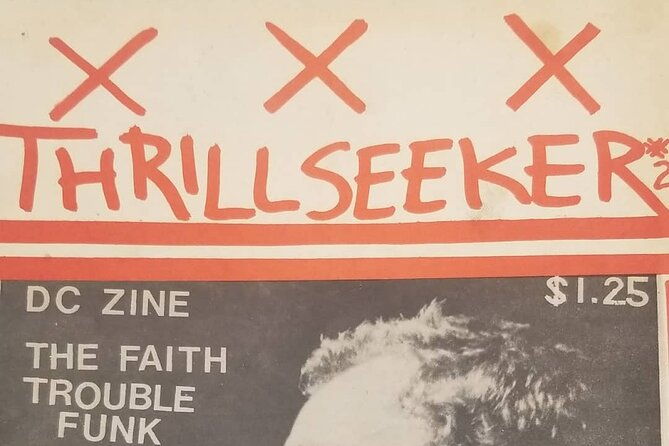
Women were also essential in creating and distributing zines, which served as a platform for discussion and promotion of the scene.
Figures like activist Mark Andersen, whose work is featured in the DC Punk Archive, highlighted the invaluable contributions of women to the district’s punk movement.
Their influence was instrumental in fostering a more inclusive and diverse punk community in Washington, DC.
Significant Venues and Spaces
Prominent venues and spaces played a pivotal role in shaping the DC punk scene from the 1970s through the 1990s. The now-defunct DC Space hosted influential acts like Bad Brains and Rites of Spring.
Nearby, the Lansburgh Cultural Center, once a theater, became a hub for the punk community.
The original 9:30 Club, today a J. Crew store, was an iconic venue that witnessed seminal performances.
These spaces fostered the scene, providing platforms for bands, fans, and activists to connect. They represented the gritty, DIY ethos that defined DC punk’s legacy.
The DC Punk Archive
At the Martin Luther King Jr. Memorial Library, visitors can access the DC Punk Archive, a vast collection of zines, photos, and records that document the history of the District’s punk scene.
This unique resource includes contributions from activist Mark Andersen, who’s dedicated himself to preserving the legacy of this vibrant subculture.
The archive offers:
-
Rare glimpses into the evolving DC punk landscape from the 1970s to the 1990s
-
Intimate perspectives from musicians, fans, and organizers who shaped the scene
-
Insights into the influential role of women in the DC punk movement
-
Opportunities for deep dives into the city’s most iconic bands and venues
- Washington DC by Moonlight Electric Cart Tour
- Arlington National Cemetery Walking Tour & Changing of the Guards
- Night Monuments Tour With 8 Stops and Admission Ticket Upgrades
- Washington DC See the City Guided Sightseeing Segway Tour
- Small Group National Mall Night Tour With 10 Top Attractions
- Small-Group Guided Tour Inside US Capitol & Library of Congress
Punk as a Lifestyle
Punk subculture transcended mere musical preference, manifesting as a way of life for its devoted adherents.
Punks embraced a DIY ethic, creating and distributing their own fanzines, record labels, and music venues. Their fashion choices, from spiked hair to ripped clothing, were political statements rejecting mainstream culture.
Punks forged a tight-knit community, supporting one another through activism and collective action. This lifestyle wasn’t just about the music, but a rejection of societal norms and a commitment to radical self-expression.
For DC’s punks, this ethos was essential to their identity and their role in shaping the city’s underground scene.
The Legacy of DC Punk
The DC punk scene’s lasting influence extended far beyond its heyday in the 1970s and 80s.
The legacy of DC punk can be seen in:
-
The preservation of the DC Punk Archive, featuring zines and artifacts from the era, housed at the Martin Luther King Jr. Memorial Library.
-
The ongoing recognition of women’s pivotal roles, with bands like Chalk Circle and Fire Party receiving increased attention.
-
The continued impact on contemporary music, with DC punk’s DIY ethos and politically-charged sound inspiring new generations of artists.
-
The enduring sense of community and activism that defined the scene, shaping the city’s cultural landscape for decades.
Planning Your District of Punk Tour
How can travelers best prepare for the immersive District of Punk tour? The 1.5-hour experience explores Washington, D.C.’s iconic punk scene from the 70s to 90s.
Participants should wear comfortable shoes as the tour covers significant locations on foot. Bringing a camera is recommended to capture the punk aesthetic and environment.
Reviewers praise the knowledgeable guidance, highlighting the tour’s emphasis on women’s contributions.
Travelers can conveniently access the meeting point via the nearby Gallery Place Chinatown Station. The tour concludes at the Martin Luther King Jr. Memorial Library, home to the DC Punk Archive for further exploration.
The Sum Up
The legacy of DC punk lives on, inspiring new generations of musicians, artists, and activists. The scene’s influential bands, trailblazing women, and iconic venues have left an indelible mark on the cultural landscape. Today, the District of Punk continues to captivate audiences, preserving its rich history and vibrant spirit through archives, tours, and a punk lifestyle that endures.
More Walking Tours in Washington DC
More Tours in Washington DC
- DC: Monuments & Memorials Sunset Tour by Open-top Bus
- Washington, DC: Day & Night Electric Cart & Vintage Car Tour
- Washington DC: Arlington Cemetery Guided Walking Tour
- Private Tour of Washington DC: Transportation Only, No Guide
- DC: Ghosts of Georgetown Haunted History Nighttime Tour
- Highlights of National Gallery of Art Sculpture Garden Tour
More Tour Reviews in Washington DC
- DC: Monuments & Memorials Sunset Tour by Open-top Bus
- Washington, DC: Day & Night Electric Cart & Vintage Car Tour
- Washington DC: Arlington Cemetery Guided Walking Tour
- Private Tour of Washington DC: Transportation Only, No Guide
- DC: Ghosts of Georgetown Haunted History Nighttime Tour
- Highlights of National Gallery of Art Sculpture Garden Tour
Still browsing? Here are more Washington DC experiences we've covered recently
- The Top 5 Washington Dc Walking Tours
- Which Washington Dc Tours To Choose? We Rank The 7 Best
- Washington Dc’s 12 Best Tours & Experiences
- DC: Monuments & Memorials Sunset Tour by Open-top Bus
- Washington, DC: Day & Night Electric Cart & Vintage Car Tour
- Washington DC: Arlington Cemetery Guided Walking Tour
- Private Tour of Washington DC: Transportation Only, No Guide
- DC: Ghosts of Georgetown Haunted History Nighttime Tour
- Highlights of National Gallery of Art Sculpture Garden Tour
- DC: Historic Georgetown History & Architecture 2 Hour Tour
- DC: Lincoln’s Assassination 2 Hour Nighttime Walking Tour
- From Washington DC: Old Town Alexandria & Mount Vernon Tour