
Rome’s crypts, with their haunting sculptures and intricate frescoes, reveal layers of history often overlooked. Nearby, the ancient aqueducts stand as monumental achievements of engineering, highlighting the essential role of water in Roman life. Plus, the skeletons unearthed within these crypts offer fascinating insights into the health and social status of the city’s diverse inhabitants. Each element weaves together a rich tapestry of stories, inviting exploration into the secrets of this historic metropolis. What mysteries lie beneath the surface?
- Key Points
- The Enigmatic Crypts of Rome
- Discovering Ancient Aqueducts
- The Fascinating History Behind the Skeletons
- Guided Tours: A Unique Perspective
- Hidden Gems: Lesser-Known Sites
- The Role of Knowledgeable Guides
- Accessibility and Participation
- Planning Your Adventure in Rome
- Frequently Asked Questions
- What Should I Wear for the Tour?
- Are Refreshments Provided During the Tour?
- Is Photography Allowed at the Sites?
- Can I Bring My Child on the Tour?
- What Is the Duration of the Tour?
- The Sum Up
- More Walking Tours in Rome
- More Tours in Rome
- More Tour Reviews in Rome
- Still browsing? Here are more Rome experiences we've covered recently
Key Points
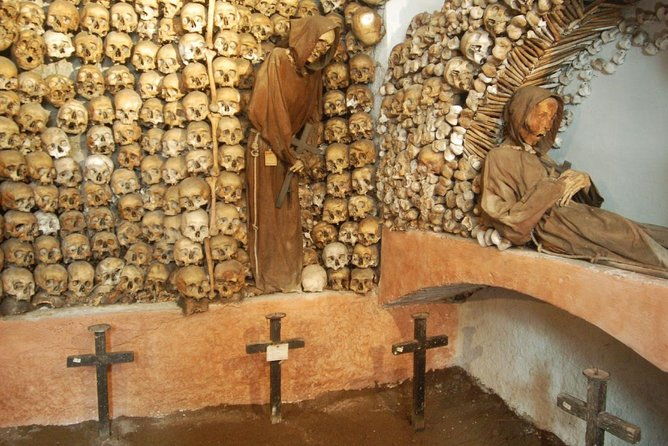
- The Enigmatic Crypts of Rome showcase intricate frescoes and sculptures, reflecting ancient beliefs and customs through guided tours.
- Ancient aqueducts, stretching over 50 miles, reveal Roman engineering marvels that supplied fresh water for public baths and households.
- Discovering skeletons in Rome offers insights into health, diet, and burial practices of past inhabitants, illustrating the city’s diverse population.
- Guided tours provide a personalized experience, enhancing understanding of Rome’s history with engaging storytelling from knowledgeable guides.
- Both crypts and aqueducts are not wheelchair accessible, but strollers are welcome, ensuring family-friendly exploration of Rome’s captivating heritage.
The Enigmatic Crypts of Rome

As visitors explore the shadowy depths of Rome’s enigmatic crypts, they uncover a rich tapestry of history and artistry that offers a glimpse into the past.
These subterranean chambers, adorned with intricate frescoes and haunting sculptures, reveal the city’s reverence for the dead. Each crypt tells a unique story, reflecting the beliefs and customs of bygone eras.
Knowledgeable guides like Giuseppe and Riccardo enhance the experience, sharing captivating insights that engage curious minds.
Exploring these hidden gems not only fascinates but also deepens one’s understanding of Rome’s complex heritage, making the journey truly unforgettable for all who embark on it.
Looking for more options in Rome? We've reviewed plenty of other experiences.
Discovering Ancient Aqueducts

While wandering through the ancient streets of Rome, travelers often stumble upon the remnants of its remarkable aqueduct system, a testament to the ingenuity of Roman engineering.
These impressive structures, some stretching over 50 miles, once transported fresh water from distant sources into the heart of the city. Visitors can marvel at the towering arches and intricate channels, which showcase the Romans’ advanced understanding of hydraulics.
Each aqueduct tells stories of daily life in ancient Rome, revealing how vital water was for public baths, fountains, and households. Exploring these ancient waterways offers a unique glimpse into the civilization’s remarkable achievements.
The Fascinating History Behind the Skeletons
Though often overlooked, the skeletons discovered in Rome’s ancient sites reveal captivating stories about the city’s past inhabitants.
These remains offer invaluable insights into the lives of Romans, shedding light on their health, diet, and burial practices. Forensic analysis of bones uncovers evidence of diseases, injuries, and even social status, painting a vivid picture of daily life in ancient times.
Many skeletons belong to individuals from different backgrounds, reflecting the city’s diverse population. Each discovery not only deepens understanding of Roman society but also serves as a poignant reminder of the humanity that once thrived in these historic spaces.
Guided Tours: A Unique Perspective

Exploring ancient sites through guided tours offers a unique perspective that enhances the understanding of Rome’s rich history.
Knowledgeable guides, like Giuseppe and Riccardo, share captivating insights about crypts and aqueducts, making each visit memorable. With a maximum of ten participants, tours ensure a personalized experience, accommodating various walking paces.
Starting at the iconic Fontana del Tritone, travelers are led through hidden stories and historical significance, culminating at the stadium of Domitian.
This engaging format not only brings history to life but also fosters a sense of connection to the city’s past, leaving participants eager for more explorations.
Hidden Gems: Lesser-Known Sites
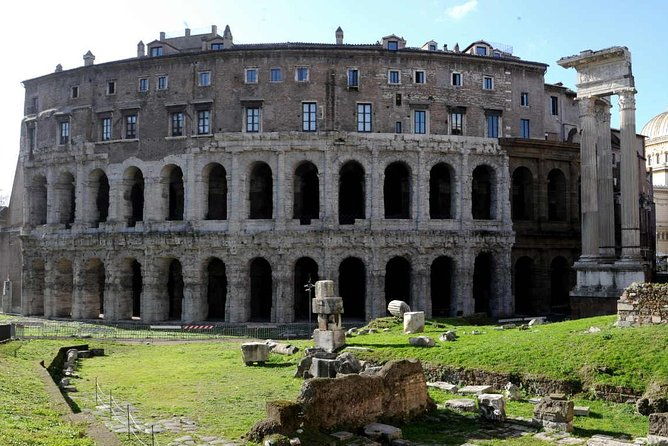
As travelers wander through Rome, they often overlook the hidden gems tucked away from the bustling tourist paths.
Crypts beneath historic churches reveal fascinating stories of the past, while ancient aqueducts showcase remarkable engineering feats.
Sites like the Basilica di San Clemente, with its layered history, and the lesser-known Catacombs of Priscilla invite exploration beyond the usual attractions.
The vibrant neighborhood of Trastevere offers charming streets and authentic cuisine, making it a delightful stop.
These lesser-known treasures enrich the Roman experience, allowing visitors to connect with the city’s rich heritage in a more intimate way, away from the crowds.
- Entry Ticket to IKONO Roma: Immersive Experience
- Rome: Colosseum and Roman Forum Private Tour
- The Roman Food Tour in Trastevere With Free-Flowing Fine Wine
- Skip the Line Vatican, Sistine Chapel, Basilica & Papal Tomb Tour
- VIP, Small-Group Colosseum and Ancient City Tour
- Rome in a Day Group Tour With Entry to Vatican and Colosseum
The Role of Knowledgeable Guides
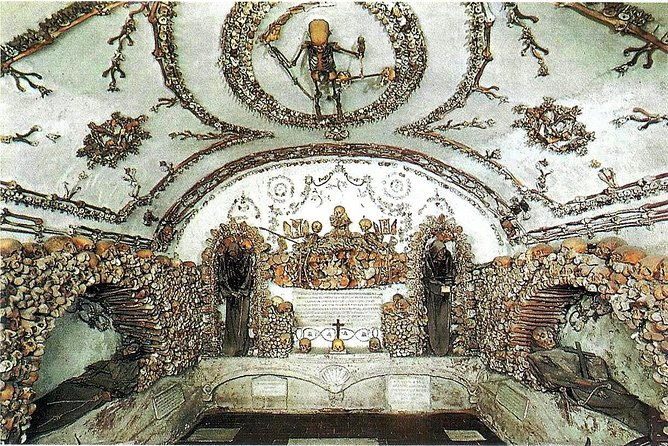
Knowledgeable guides play a crucial role in enhancing the experience of exploring Rome’s ancient sites. They offer valuable insights into crypts, ancient aqueducts, and lesser-known locations, enriching visitors’ understanding of the city’s history.
With engaging storytelling and expert knowledge, guides like Giuseppe and Riccardo have received praise for making the tours memorable. They personalize each experience, accommodating various walking paces and ensuring everyone feels included.
This attention to detail enhances the overall enjoyment of the tour, making participants feel connected to the past. Ultimately, a knowledgeable guide transforms a simple visit into an unforgettable journey through time.
Accessibility and Participation

While the tour of ancient aqueducts and crypts in Rome offers a fascinating glimpse into the city’s rich history, accessibility remains a key consideration for potential participants.
The tour isn’t wheelchair accessible, but it accommodates strollers, making it more inclusive for families. Conveniently located near public transportation, it allows easy access for most travelers.
With a maximum of ten participants, the intimate setting fosters engagement and personal interaction with knowledgeable guides.
This thoughtful approach ensures that a diverse audience can enjoy the captivating history of Rome, enhancing their overall experience while exploring the city’s hidden gems.
Planning Your Adventure in Rome
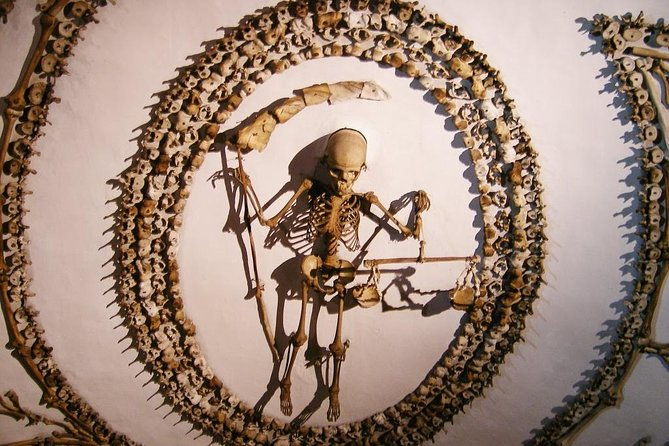
When planning an adventure in Rome, it’s essential to consider the unique experiences that await at every corner of this historic city.
Travelers should explore guided tours like the one offered by Underground Rome, which delves into crypts and ancient aqueducts. With a maximum of ten participants, the personalized approach allows for different walking paces.
Meeting at the picturesque Fontana del Tritone, the tour concludes at the stunning stadium of Domitian. Reviews highlight knowledgeable guides like Giuseppe and Riccardo, ensuring an engaging experience.
Plus, with a flexible cancellation policy, planning your Roman adventure becomes even easier!
Frequently Asked Questions
What Should I Wear for the Tour?
For the tour, she should wear comfortable shoes and breathable clothing, considering the walking involved. A light jacket’s a good idea for cooler evenings, and she shouldn’t forget a hat and sunscreen for sun protection.
Are Refreshments Provided During the Tour?
During the tour, refreshments aren’t provided. Participants should consider bringing their own water or snacks to stay energized. The guides encourage travelers to enjoy the experience while keeping comfortable throughout the exploration of Rome.
Is Photography Allowed at the Sites?
Photography’s allowed at most sites during the tour, enhancing the experience. Participants often capture stunning moments, but they should respect any restrictions set by guides, ensuring everyone enjoys the journey without disruption.
Can I Bring My Child on the Tour?
She can definitely bring her child on the tour. It’s designed to accommodate families, ensuring participants of all ages enjoy the experience. The guides will tailor their presentations to keep younger travelers engaged and entertained.
What Is the Duration of the Tour?
The tour lasts approximately three hours, providing ample time for exploration and learning. Participants appreciate the engaging pace, allowing them to soak in the rich history and captivating stories shared by knowledgeable guides throughout the experience.
The Sum Up
Exploring the crypts, aqueducts, and skeletons of Rome uncovers a rich tapestry of history that captivates visitors. Each site reveals stories of ancient beliefs, engineering marvels, and the daily lives of a diverse population. With knowledgeable guides leading the way, travelers can appreciate the significance of these hidden treasures. Whether you’re a history buff or simply curious, Rome’s enigmatic past awaits, inviting all to dive into its depths and discover the secrets that linger beneath the surface.
More Walking Tours in Rome
More Tours in Rome
- Rome: Private Walking Tour with a Local
- Rome: Exclusive Private Tour of St. Peters Basilica
- Rome: Vespa tour When in Rome with Dessert and Photography
- Rome: Small Group Walking Tour in English or Spanish
- Rome: Capuchin Crypts & Ghostly Legends Small Group Tour
- St.Peter’s Basilica & Vatican Grottoes: Guided Tour in Rome
More Tour Reviews in Rome
Still browsing? Here are more Rome experiences we've covered recently
- What Are The Best Tours & Experiences In Rome? Our Top 3 Picks
- 13 Fantastic Wine Tours In Rome
- 14 Top Private Driver Services In Rome (With Reviews & Prices)
- Which Rome Shore Excursions To Choose? Our Best 6 Picks
- The 14 Most Popular City Tours In Rome
- Which Rome Tours & Experiences To Choose? We Rank The 14 Best
- 14 Must-Try Cruises And Boat Tours In Rome
- Discover 14 Great Tours In Rome
- 12 Best Walking Tours In Rome (With Reviews & Prices)
- 14 Of The Best Shopping & Market Tours In Rome
- The Top 13 Rome Workshops & Classes
- 14 Must-Try Lunch Experiences In Rome