
Kathmandu’s sacred Bagmati River plays host to an ancient Hindu ritual that captivates visitors from around the world. Families gather at the Pashupatinath Temple to bid farewell to their loved ones through a solemn cremation ceremony. The body is carefully washed, wrapped in white cloth, and placed on a wooden pyre as the sacred fire is lit. As the smoke rises, the ritual reflects a profound belief in the cycle of life and rebirth. What unfolds next is a deeply spiritual experience that offers a glimpse into Nepal’s rich cultural heritage.
- Key Points
- Visiting Pashupatinath Temple
- Understanding Hindu Cremation Rituals
- Encountering Sadhus at the Temple
- Architectural Marvels of Pashupatinath
- Significance of the Bagmati River
- Taking in Nepal’s Cultural Heritage
- Exploring the Spiritual Resonance
- Frequently Asked Questions
- How Can I Show Respect During the Cremation Rituals?
- Is Photography Allowed Within the Temple Compound?
- Can I Interact With the Sadhus or Are They Off-Limits?
- What Should I Wear to Visit the Temple?
- Are There Any Restrictions on What I Can Bring Inside?
- The Sum Up
- More Hiking & Trekking Tours in Kathmandu
- More Tour Reviews in Kathmandu
- Still browsing? Here are more Kathmandu experiences we've covered recently
Key Points
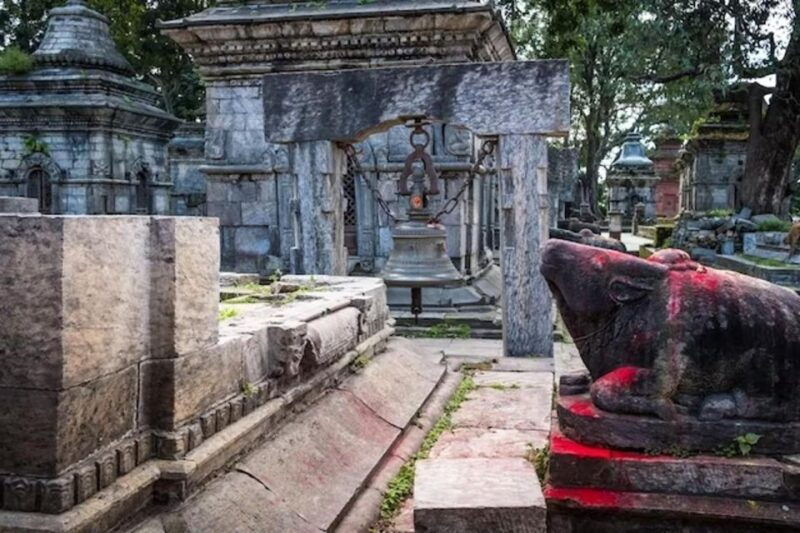
- Hindu cremation rituals along the Bagmati River in Kathmandu involve a solemn procession, body washing, wrapping in white cloth, and placement on a wooden pyre.
- The sacred fire lit during the cremation ceremony is believed to carry the soul of the deceased to the afterlife.
- Sadhus, Hindu ascetics, often participate in or observe the cremation rituals with deep reverence and devotion.
- The Bagmati River, considered a manifestation of the Ganges, is an integral part of the cremation process, with ashes scattered into its sacred waters.
- Pashupatinath Temple, a UNESCO World Heritage site, serves as the backdrop for these Hindu cremation rites, which are deeply rooted in Nepali cultural and religious heritage.
Visiting Pashupatinath Temple
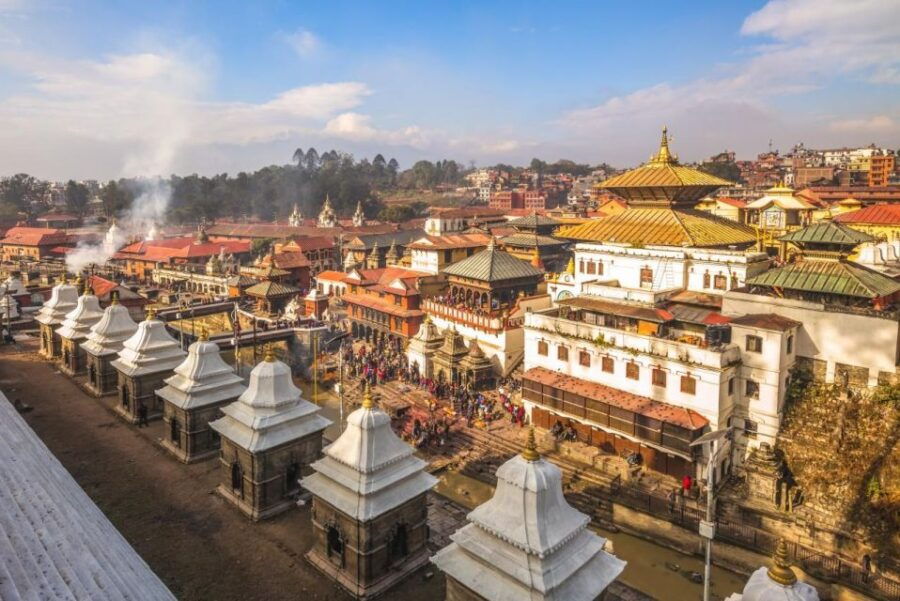
Visitors embark on a journey to the sacred grounds of Pashupatinath Temple, one of the most revered Hindu sites in Nepal. They witness the solemn rituals and customs that unfold along the Bagmati River.
Within the temple complex, they encounter saffron-robed sadhus engaged in deep meditation. The ornate architecture, with its distinctive pagoda-style roofs, captivates onlookers.
Pilgrims and devotees participate in various ceremonies, offering prayers and seeking blessings. Amidst the spiritual ambiance, visitors gain profound insights into the profound cultural heritage embodied by this UNESCO World Heritage site.
Looking for more options in Kathmandu? We've reviewed plenty of other experiences.
Understanding Hindu Cremation Rituals
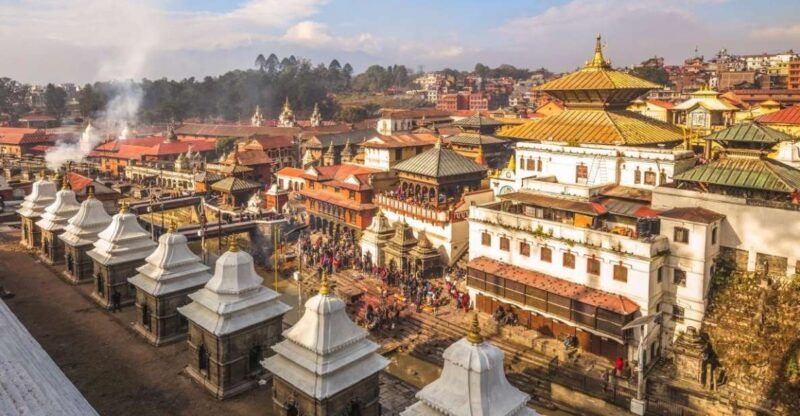
One of the most profound Hindu cremation rituals witnessed at Pashupatinath Temple is the open-air cremation along the banks of the sacred Bagmati River.
The sacred fire is lit, and mourners accompany the deceased in a solemn procession. Family members engage in rituals, including washing the body, wrapping it in white cloth, and placing it on a wooden pyre.
As the flames rise, the smoke carries the soul to the afterlife. Sadhus, or Hindu ascetics, often observe the ceremony, while pilgrims and visitors respectfully witness this deeply meaningful tradition that’s integral to Nepal’s cultural heritage.
Encountering Sadhus at the Temple
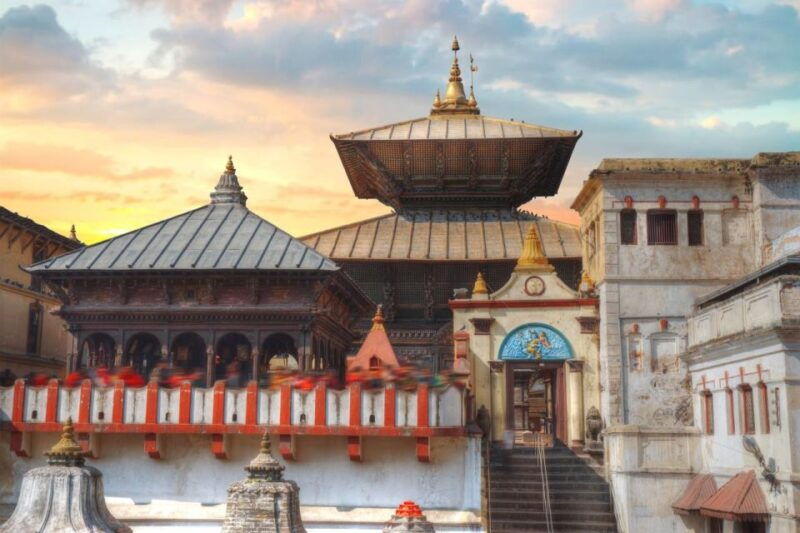
As visitors explore the sacred grounds of Pashupatinath Temple, they’ll often encounter the captivating presence of sadhus, Hindu ascetics who’ve renounced worldly possessions to dedicate their lives to spiritual pursuits.
These holy men can be seen engaging in various rituals, chanting mantras, or meditating amid the temple’s intricate architecture. Their distinctive saffron robes, long dreadlocks, and vibrant face paint command attention, offering a glimpse into Nepal’s rich spiritual heritage.
Visitors have the rare opportunity to observe these ascetics and learn about their devotion to the Hindu faith and the deities they worship, such as Lord Shiva, the central deity of Pashupatinath.
Architectural Marvels of Pashupatinath
The Pashupatinath Temple, a UNESCO World Heritage site, stands as an architectural marvel that showcases the intricate craftsmanship and rich cultural heritage of Nepal.
Adorned with ornate carvings, gilded roofs, and intricate stonework, the temple complex exudes an air of grandeur and spiritual significance.
Visitors can marvel at the towering main temple, which is built in the Pagoda style, as well as the numerous smaller shrines and structures that dot the riverbanks.
The architectural diversity reflects the deep-rooted Hindu traditions that have shaped this sacred space over centuries, making it a must-visit destination for those seeking to enjoy Nepal’s cultural tapestry.
More Great Tours NearbySignificance of the Bagmati River
Flowing alongside the Pashupatinath Temple, the Bagmati River holds immense spiritual significance for Hindus. As the holiest river in Nepal, it’s believed to be a manifestation of the divine Ganges.
Hindus flock to the river’s banks to perform sacred rituals, including the cremation of their deceased loved ones. The ashes are scattered into the Bagmati, symbolizing the cycle of life and rebirth.
The river’s gentle currents carry these remains, connecting the mortal world with the spiritual realm. This powerful custom reflects the deep reverence Nepali Hindus hold for the Bagmati, a vital part of their cultural and religious heritage.
- 4 UNESCO World Heritage Site Tour Nepal
- Kathmandu: Private Sightseeing Tour
- Kathmandu: Private/Group 4 UNESCO World Heritage With Lunch
- Kathmandu: 7 UNESCO Sites Private or Group Tour With Lunch
- Kathmandu: Private/Group Tour to 7 UNESCO Sites With Lunch
- Kathmandu: Local Led Cooking Class: Dal Bhat & Momo Making
Taking in Nepal’s Cultural Heritage
While immersing in Nepal’s cultural heritage, visitors can witness the profound significance of Hindu funeral rituals at the Pashupatinath Temple.
Situated along the Bagmati River, this UNESCO World Heritage site hosts cremation ceremonies that offer a glimpse into Nepal’s deeply rooted traditions.
Within the temple compound, visitors may encounter sadhus, or Hindu ascetics, who add to the spiritual ambiance.
Exploring the architectural marvels of Pashupatinath further enriches the experience, allowing travelers to gain insight into the customs that are integral to Nepal’s cultural identity.
Exploring the Spiritual Resonance
Stepping foot within the Pashupatinath Temple compound, visitors are immersed in the profound spiritual resonance that permeates the sacred space. The towering pagodas and intricate carvings inspire awe, while the rituals unfolding along the Bagmati River captivate onlookers.
Sadhus, the Hindu holy men, meditate and perform ceremonies, radiating an air of mysticism. The open-air cremations, a solemn tradition, evoke deep contemplation on the cycle of life and death.
Pilgrims and devotees congregate, their prayers and chants resonating across the temple grounds, creating an atmosphere of devotion and reverence. This spiritual epicenter offers a transformative experience for those seeking to engage with Nepal’s rich cultural heritage.
Frequently Asked Questions
How Can I Show Respect During the Cremation Rituals?
To show respect during the cremation rituals, one should remain quiet, avoid using phones, and observe the rituals from a distance. Covering one’s shoulders and avoiding pointing feet towards the cremation area are also signs of respect.
Is Photography Allowed Within the Temple Compound?
Photography is allowed within the Pashupatinath Temple compound, but visitors should be respectful and avoid disrupting ongoing rituals or ceremonies. It’s best to avoid taking photos of the cremation ghats or of mourners.
Can I Interact With the Sadhus or Are They Off-Limits?
Visitors can interact with the sadhus, though it’s best to be respectful and ask permission before taking photos. The sadhus are open to engaging with travelers, but it’s important to be mindful of their spiritual practices.
What Should I Wear to Visit the Temple?
To visit Pashupatinath Temple, visitors should wear modest clothing that covers the shoulders and knees. Shorts, short skirts, and revealing attire are generally not allowed inside the sacred space.
Are There Any Restrictions on What I Can Bring Inside?
Visitors to Pashupatinath Temple should avoid bringing items that could be considered disrespectful, like leather products, alcohol, or loud music. Photography is generally allowed, but visitors should avoid capturing images of the cremation rituals out of respect.
The Sum Up
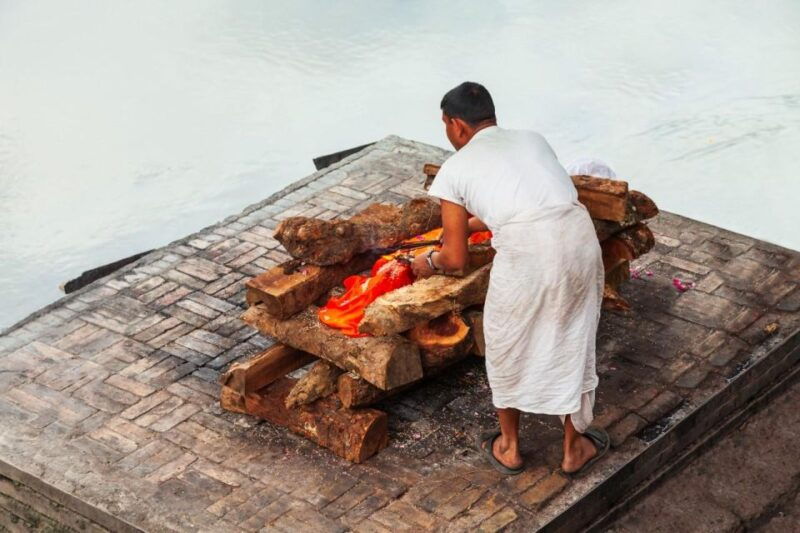
Cremation rites in Kathmandu offer a profound glimpse into Nepal’s rich cultural and spiritual heritage. The rituals at Pashupatinath Temple, along the sacred Bagmati River, reflect the reverence for life, death, and rebirth. Witnessing the solemn procession, the sacred fire, and the rising smoke evokes a deep sense of the cycle of existence. These ancient practices continue to captivate visitors, immersing them in Nepal’s timeless traditions.
You can check availability for your dates here:More Hiking & Trekking Tours in Kathmandu
More Tour Reviews in Kathmandu
Still browsing? Here are more Kathmandu experiences we've covered recently
- Discover 12 Great Airport Transfers In Kathmandu
- 14 Best Tours In Kathmandu
- Which Kathmandu Tours & Experiences To Choose? Our Best 12 Picks
- 5 days Pokhara City Private Tour from Kathmandu
- Kathmandu: Everest Base Camp Helicopter Tour with Breakfast
- Kathmandu to Lukla one way Flight Ticket
- 1 Day Shivapuri Hiking from Kathmandu
- Poon Hill Trek – 5 Day / 4 Night (ex Kathmandu) – Daily Departure
- 11 days Panorama Panchase Homestay Trek
- 2 Days Seven Heritage and Nagarkot Sunrise Tour
- Kathmandu: Khumai Danda Trek with Meals and Guide
- Kathmandu City Tour