This experience made our article of Our 15 Favorite Gifu Tours & Experiences.
- Introduction
- Key Points
- What is the Onigiri Making Class?
- The Cultural Significance
- What to Expect During the Class
- Starting with Cultural Insights
- Preparing Your Onigiri
- Shaping Techniques
- Filling Your Onigiri
- Tasting and Reflection
- The Practicalities and Details
- Group Size and Atmosphere
- Cost and Value
- Timing and Flexibility
- Accessibility and Suitability
- Authenticity and Unique Aspects
- The Experience’s Overall Value
- Who is This Experience Best Suited For?
- FAQs
- The Sum Up
- The Best Of Gifu!
- More Cooking Classes in Gifu
- More Tour Reviews in Gifu
Introduction
 1 / 7
1 / 7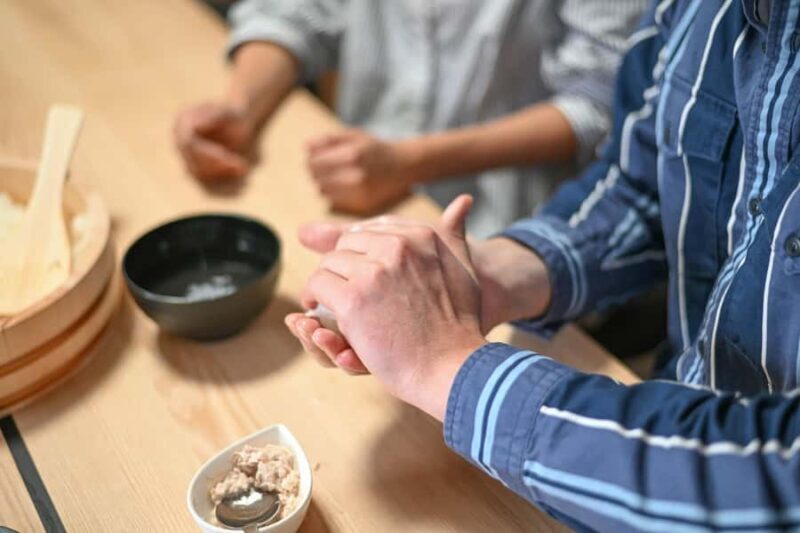 2 / 7
2 / 7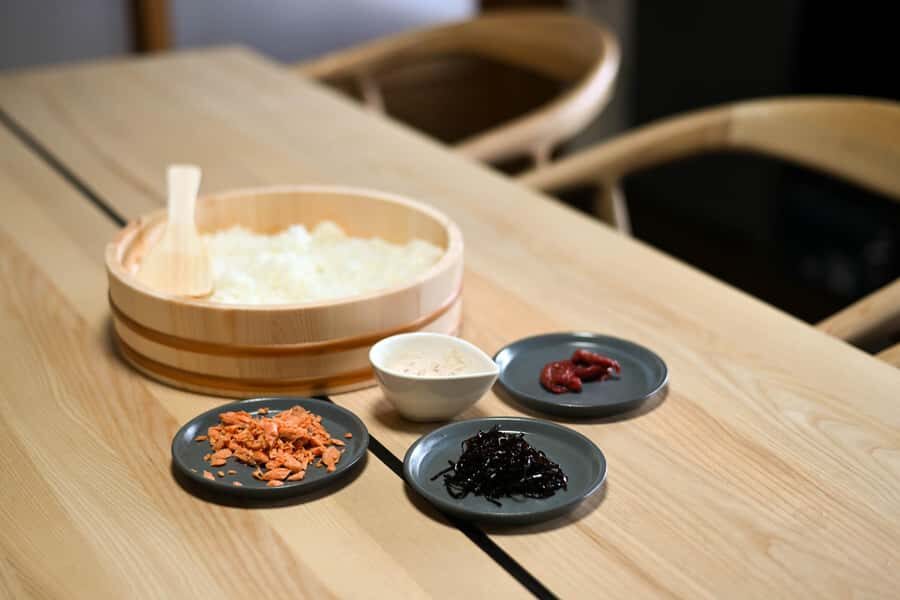 3 / 7
3 / 7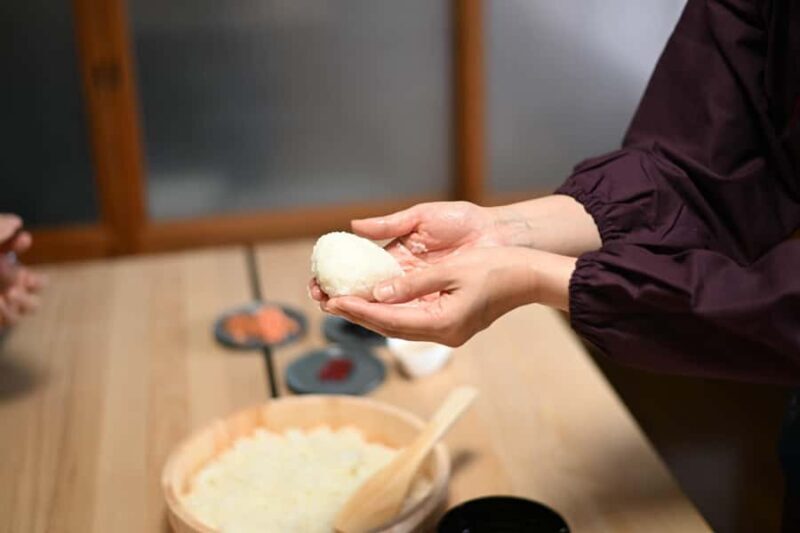 4 / 7
4 / 7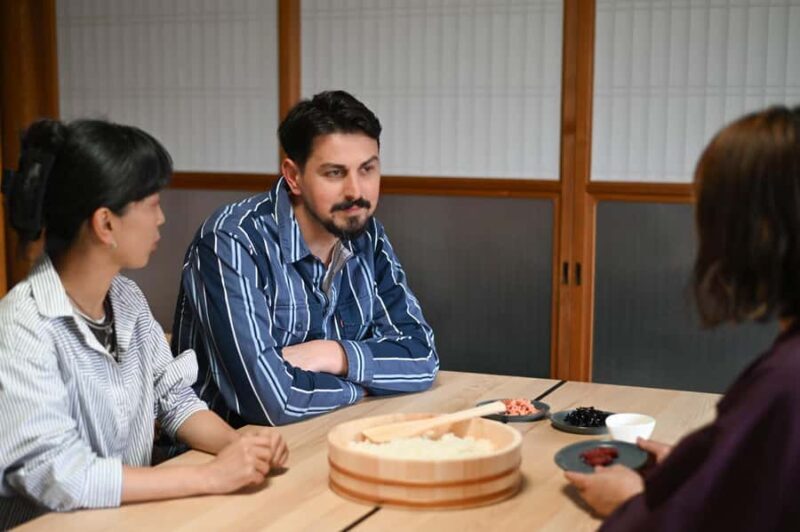 5 / 7
5 / 7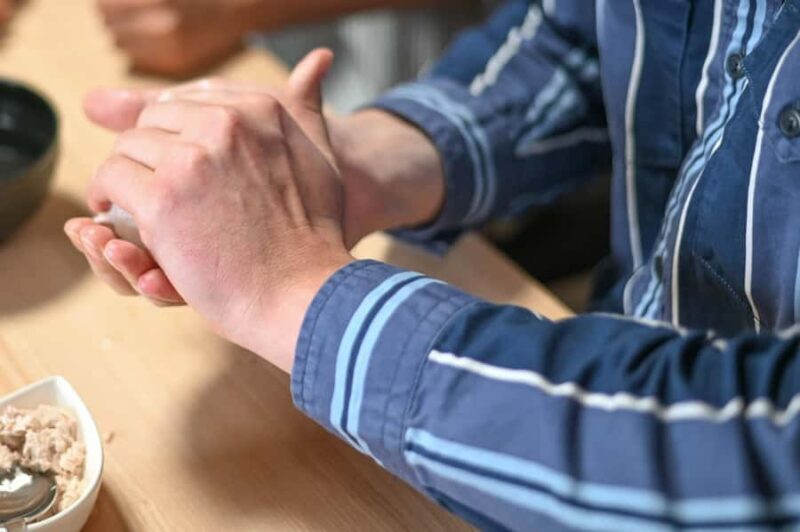 6 / 7
6 / 7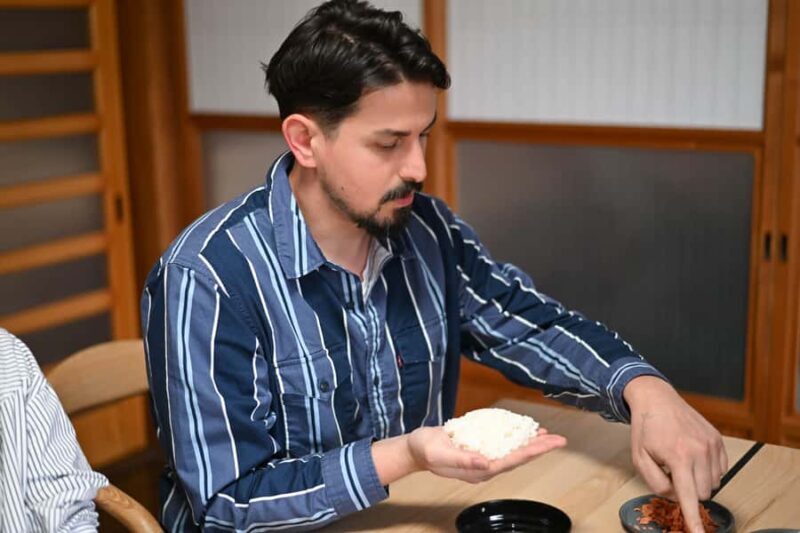 7 / 7
7 / 7If you’re after an authentic bite of Japanese culture, a hands-on onigiri making class in Honshu might just be your next favorite experience. These rice balls, or omusubi, aren’t just tasty snacks—they’re deeply rooted in Japanese tradition, symbolizing connection and care. Learning to craft your own onigiri offers more than just a culinary skill; it’s an insight into Japan’s values and warm hospitality.
What makes this class stand out? First is the personalized approach — choosing your fillings and shaping your rice balls. Second, the cultural storytelling that clarifies the significance of onigiri in Japanese life. Lastly, the casual, friendly atmosphere where making mistakes is part of the fun. One aspect to consider? The 2.5-hour duration might feel a little tight if you’re looking to relax and take your time. This experience is ideal for curious travelers who love to learn practical, edible skills and enjoy local customs.
If you’re open to a small-group setting with an English-speaking instructor, enjoy delicious food, and want a meaningful souvenir to take home, this class could be a perfect fit.
You can check availability for your dates here:
👉 See our pick of the Our 9 Favorite Gifu Tours
Key Points
- Cultural Connection: The class explores the significance of onigiri in Japanese society.
- Hands-On Learning: You shape and fill your own rice balls, gaining practical skills.
- Personalized Experience: Choose your favorite fillings like umeboshi, salmon, or tuna.
- Authentic Tasting: Enjoy your freshly made onigiri alongside miso soup and sides.
- Small Group Setting: Limited to 8 participants for a more personalized experience.
- Flexible Booking: Cancel up to 24 hours in advance with a full refund.
You can also read our reviews of more tours and experiences in Gifu.


What is the Onigiri Making Class?
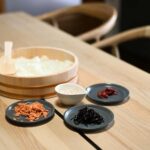
This 2.5-hour experience offers a chance to get your hands dirty (in the best way) by making traditional Japanese rice balls, known as onigiri or omusubi. The class begins with an engaging explanation of the onigiri’s role in Japanese culture, emphasizing the word “musubu,” which means to tie or connect—highlighting the onigiri’s significance as a symbol of caring and connection in Japan.
The instructor, delivering lessons in English, guides you through the process of balancing the rice, adding salt, and shaping the rice into either a triangle or barrel shape. The focus isn’t just on technique—it’s about feeling the warmth of the rice in your hands and understanding the cultural context behind each step.
The Cultural Significance
This class isn’t solely about cooking; it’s about understanding. As the instructor explains, onigiri are more than convenient snacks; they are a way that Japanese people express love and care, often handmade and wrapped with intention. Several reviews mention how the class offers meaningful communication, making the experience feel personal and heartfelt.
What to Expect During the Class
Starting with Cultural Insights
The class kicks off with a brief overview of the historical and cultural importance of onigiri. You’ll learn why the simple rice ball symbolizes comfort, home, and connection in Japan, adding depth to the hands-on activity.
You can also read our reviews of more cooking classes in Gifu

Preparing Your Onigiri
Next, the instructor demonstrates how to portion rice, wet your hands (to prevent sticking), and add salt—key steps that give onigiri their characteristic taste and texture. It’s a relaxed process, with the instructor emphasizing proper technique to gently but firmly shape the rice without crushing it.
Shaping Techniques
Participants practice forming two traditional shapes: the triangular and the barrel. Several reviews note that shaping takes patience—“feeling the warmth in your hands as you mold the rice really makes the experience special.” The instructor offers personalized tips, ensuring everyone gets comfortable with their technique.
Filling Your Onigiri
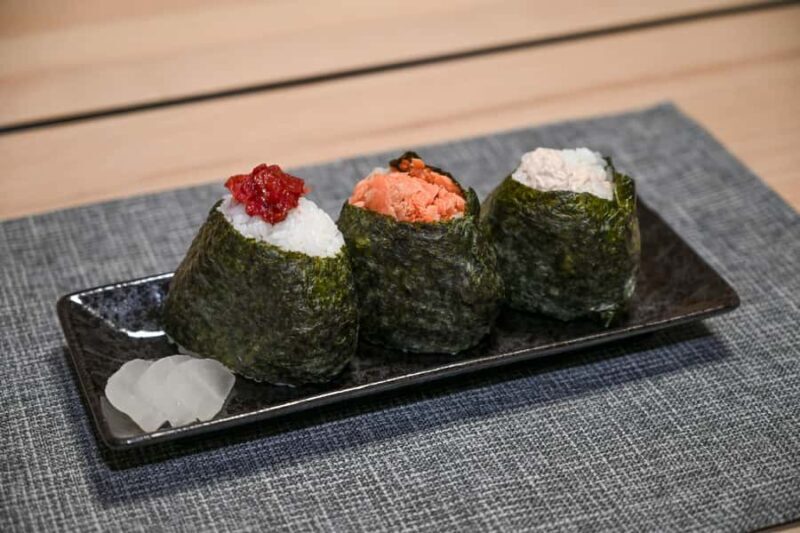
You’re invited to select from classic fillings like umeboshi (pickled plum), salmon, kombu (seaweed), or tuna. Learning how to balance the filling with the rice and wrapping it in nori (seaweed) is part of the skill-building. Participants appreciated the chance to customize their onigiri, making each one unique.
Tasting and Reflection
Once your onigiri is ready, you’ll enjoy it with miso soup and side dishes, which enhances the experience and makes it feel like a small, delicious meal. As you eat, there’s an opportunity to reflect on the cultural insights gained, making the experience more meaningful.
The Practicalities and Details
Group Size and Atmosphere
Limited to just 8 participants, the class fosters an intimate, relaxed environment. Reviewers mention “the instructor was friendly and patient,” which makes the experience enjoyable for beginners and more experienced cooks alike.
Cost and Value
While the exact price isn’t specified here, the class includes all necessary ingredients and tools, making it a great value for a cultural activity that results in edible souvenirs. Given the personalized attention and cultural context, it’s a worthwhile investment for food lovers.
Timing and Flexibility
The class runs at various times, and with the option to reserve now and pay later, travelers can keep their plans flexible. Cancellation up to 24 hours in advance makes it convenient to adapt if needed.
Accessibility and Suitability
Not suitable for children under 6, the class is best for those who can focus and participate actively. The friendly atmosphere means everyone is encouraged to try even if they’re new to cooking.
Authenticity and Unique Aspects
Unlike some generic cooking classes, this experience emphasizes meaningful communication and the cultural significance of onigiri. One reviewer mentions how the class conveyed “the heartfelt intentions of its maker,” turning a simple food into a connection. This approach makes the activity more than just a culinary lesson—it’s a window into Japanese hospitality.
You’ll also love the opportunity to customize your fillings, which adds a personal touch. The instructor’s use of simple, clear instructions ensures you’ll leave with practical skills you can replicate at home, using ingredients you can find locally or in Japan.
The Experience’s Overall Value
Considering the intimate setting, cultural storytelling, and delicious tasting session, this class offers an authentic, hands-on introduction to Japanese cuisine that’s hard to beat. It’s a fantastic activity for those interested in food, culture, or both. The chance to create a heartfelt snack and learn about its significance makes it more meaningful than just a cooking lesson.
While 2.5 hours might seem brief, the pace is well-paced, blending education, activity, and tasting seamlessly. It’s particularly appealing to travelers who want a practical skill, a cultural connection, and a tasty souvenir—all wrapped into one.
Who is This Experience Best Suited For?
This class is perfect for food lovers, culture enthusiasts, and travelers seeking meaningful local experiences. If you enjoy interactive activities that combine learning with tasting, you’ll find this engaging. It’s also ideal for small groups or couples looking for a relaxed, personal activity.
However, those expecting a leisurely, lengthy cooking adventure might find 2.5 hours a little compressed. It’s best suited for those who want to learn quickly but thoroughly, and who enjoy sharing a meal with others.
FAQs
Is this class suitable for children?
It’s not recommended for children under 6 years due to the nature of the activity and safety considerations.
Are all ingredients included?
Yes, all necessary ingredients and tools are provided, allowing you to focus on learning and making without extra prep.
Can I choose my own fillings?
Absolutely. You can select from traditional options like umeboshi, salmon, kombu, or tuna, making each onigiri unique.
What shapes will I learn to make?
You’ll learn to shape onigiri into the traditional triangular and barrel forms.
Is the class conducted in English?
Yes, the instructor speaks English, ensuring clear guidance and cultural explanations.
Can I cancel if my plans change?
Yes, you can cancel up to 24 hours in advance for a full refund, offering flexibility.
How long does the class last?
The activity runs for approximately 2.5 hours.
Is there a group size limit?
Yes, the class is limited to 8 participants, fostering a friendly, intimate environment.
The Sum Up
Taking a onigiri making class in Japan offers more than just cooking; it provides an authentic glance into a cherished cultural symbol. You’ll learn practical skills, enjoy personalized fillings, and gain insight into the importance of musubu—connection—through the simple act of shaping rice. The small-group format and engaging storytelling make this experience both meaningful and memorable.
Whether you’re a foodie wanting to expand your skills or a culture explorer eager to understand Japanese customs, this class bridges the two beautifully. The shared tasting with miso soup makes it feel like a warm, communal meal—one that you crafted yourself. It’s a wonderful opportunity to connect with Japanese traditions in a relaxed, friendly setting.
If you’re after a hands-on activity that combines learning, cultural insight, and delicious results, this onigiri class is a fantastic choice. It’s suitable for curious travelers who want to take home a piece of Japan—literally—and who appreciate experiences infused with warmth and authenticity.
Note: This experience is best for those who want a quick but meaningful cultural activity, and isn’t suited for children under 6. It’s ideal for small groups seeking personalized attention and practical skills.
📍 This experience made our list of the 15 best Tours & Experiences in Gifu