
The grandeur of ancient Rome comes alive through the iconic Colosseum and the historic Palatine Hill. Visitors can explore the massive amphitheater that once hosted thrilling gladiatorial contests and public spectacles, marveling at its impressive engineering and architectural design. Just steps away, the Palatine Hill offers a unique glimpse into the birthplace of the Roman Empire, where the remains of imperial palaces and temples reveal the lavish lives of Rome’s elite. As one delves deeper into these ancient sites, the true essence of Rome’s past begins to unfold.
- Key Points
- Taking in Ancient Roman History
- Exploring the Grandeur of the Colosseum
- Uncovering the Secrets of the Roman Forum
- Ascending Palatine Hill: Birthplace of Rome
- Experiencing the Life of Gladiators
- Navigating the Labyrinth of Underground Chambers
- Architectural Marvels and Design Innovations
- Capturing the Essence of Rome’s Past
- Frequently Asked Questions
- What Is the Dress Code for the Tour?
- Can I Bring Food and Drinks Inside the Sites?
- Is the Tour Wheelchair and Stroller Accessible?
- How Long Is the Overall Tour Duration?
- Do I Need to Make Reservations for This Tour?
- The Sum Up
- More Private Tours in Rome
- More Tours in Rome
- More Tour Reviews in Rome
- Still browsing? Here are more Rome experiences we've covered recently
Key Points
-
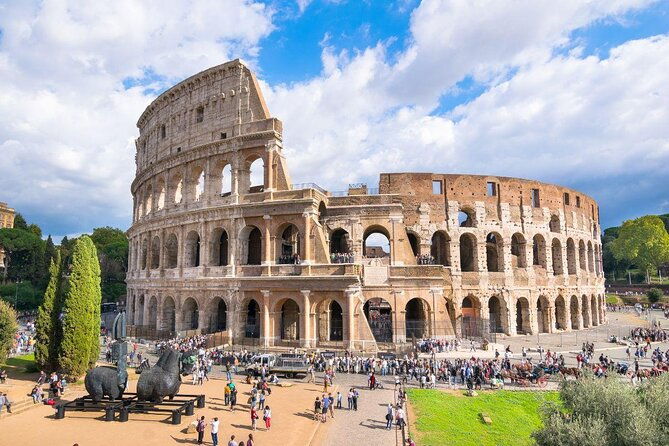
Explore the Colosseum, an iconic amphitheater that hosted grand spectacles, including gladiatorial contests and public events, showcasing the grandeur of ancient Rome.
-
Discover the Roman Forum, a hub of ancient Roman civilization, featuring remnants of temples, basilicas, and government buildings that shaped the foundations of the Eternal City.
-
Ascend Palatine Hill, the birthplace of Rome, and uncover the ruins of imperial palaces and the bustling Forum Romanum, providing a glimpse into the city’s rich heritage.
-
Venture into the underground chambers of the Colosseum and understand the intricate mechanisms that supported the dramatic spectacles above, creating a visceral connection to the past.
-
Enjoy a deep understanding of Rome’s ancient legacy, where the Colosseum, Roman Forum, and Palatine Hill collectively unveil the captivating spectacles and architectural wonders of the ancient world.
Taking in Ancient Roman History
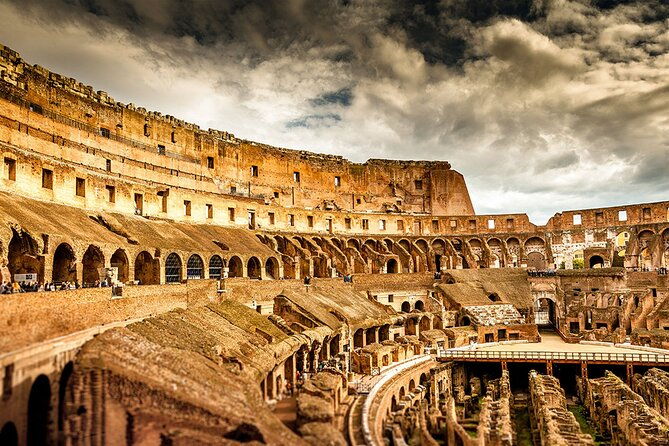
As visitors embark on this tour, they’re immersed in the captivating history of ancient Rome.
The Colosseum, Roman Forum, and Palatine Hill provide a glimpse into the grandeur and spectacle of the Roman Empire. Explorers discover underground chambers and learn about the gladiators who fought within the Colosseum’s iconic walls.
Traversing the Roman Forum, they uncover the origins of Rome dating back to the 7th century BC. Atop Palatine Hill, they marvel at the architectural wonders that defined the city’s powerful past.
This immersive experience allows travelers to step back in time and gain a deeper understanding of Rome’s ancient legacy.
Looking for more options in Rome? We've reviewed plenty of other experiences.
Exploring the Grandeur of the Colosseum
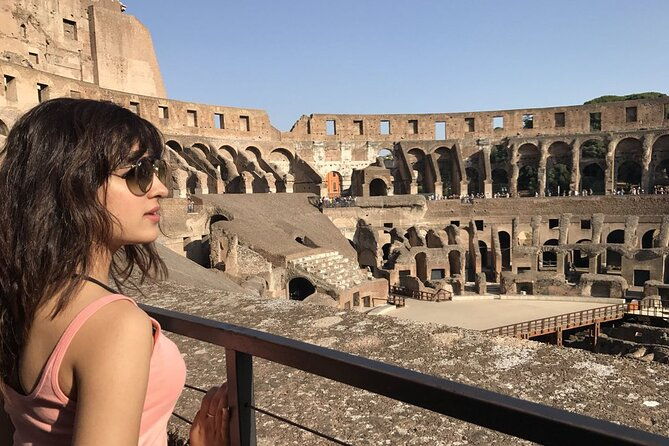
The Colosseum, a colossal amphitheater built in the 1st century AD, stands as an iconic symbol of ancient Rome’s architectural grandeur. Visitors can marvel at its impressive design, which allowed for the staging of grand spectacles, from gladiatorial contests to wild animal hunts. The structure’s four-story façade, constructed from travertine, tuff, and brick-faced concrete, is a testament to Roman engineering prowess. As guests explore the Colosseum’s interior, they can envision the roar of the crowd and the clash of steel that once filled this imposing arena.
| Colosseum Facts | |
|---|---|
| Construction | 70-80 AD |
| Capacity | 50,000-80,000 |
| Purpose | Gladiatorial contests, public events |
| Material | Travertine, tuff, brick-faced concrete |
Uncovering the Secrets of the Roman Forum
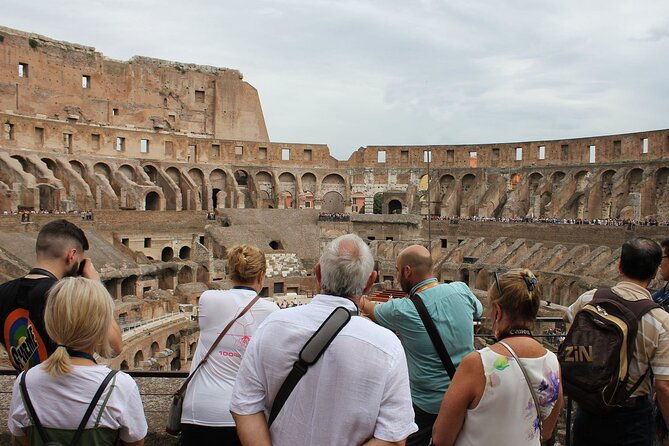
Situated adjacent to the iconic Colosseum, the Roman Forum stands as a sprawling archaeological site that unveils the secrets of ancient Rome’s illustrious past.
Visitors can explore the remnants of temples, basilicas, and government buildings that once bustled with activity. The Forum offers a glimpse into the daily life and politics of the Roman Empire:
- Walk through the Via Sacra, the sacred road that hosted triumphal processions.
- Examine the Arch of Titus, commemorating the emperor’s conquest of Jerusalem.
- Descend into the Cloaca Maxima, the ancient sewer system that once drained the area.
Ascending Palatine Hill: Birthplace of Rome
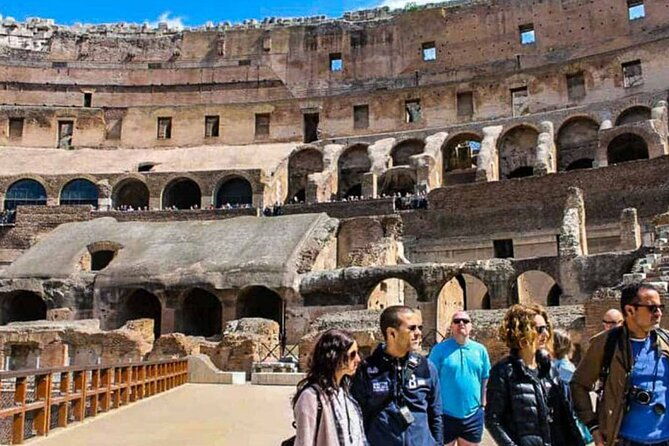
Atop the Seven Hills of Rome stands the famed Palatine Hill, the birthplace of the Eternal City. This ancient site was home to Rome’s earliest settlements and the lavish palaces of its emperors.
Visitors can explore the ruins of the imperial residences, including the sprawling Domus Augustana and Domus Flavia. Strolling through the Forum Romanum, one can visualize the bustling marketplace and political center of ancient Rome.
From Palatine Hill’s scenic overlooks, the Colosseum and Roman Forum come into view, transporting visitors back to the glory days of the Roman Empire. Ascending this historic hill offers a unique window into the foundations of Roman civilization.
Experiencing the Life of Gladiators
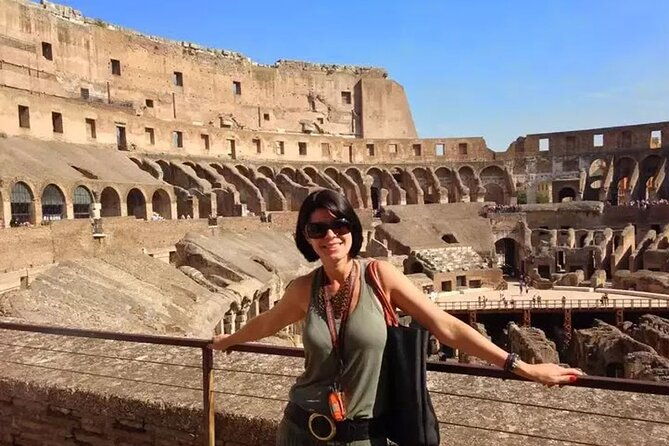
Stepping down from the lofty perch of Palatine Hill, visitors can enjoy the thrilling world of Roman gladiators at the iconic Colosseum.
Here, they can:
-
Explore the underground chambers where gladiators prepared for their brutal battles, imagining the nervous energy and anticipation before entering the arena.
-
Marvel at the grand scale and engineering feats of the Colosseum, a testament to the Romans’ architectural prowess and their obsession with spectacle.
-
Envision the roar of the crowd and the clash of swords as they stand in the very same space where gladiators once fought for their lives, captivating ancient Roman audiences.
- Rome: Colosseum, Roman Forum and Palatine Hill Fully Guided Tour
- Pompeii Day Trip From Rome With Mount Vesuvius or Positano Option
- Skip-the-Line Group Tour of the Vatican, Sistine Chapel & St. Peters Basilica
- Pizza Cooking Class in Rome – Near Piazza Navona
- Cooking Class in the Heart of Rome: Pizza and Tiramisu Making
- Pasta Cooking Class in Rome – Fettuccine Class in Piazza Navona
Navigating the Labyrinth of Underground Chambers
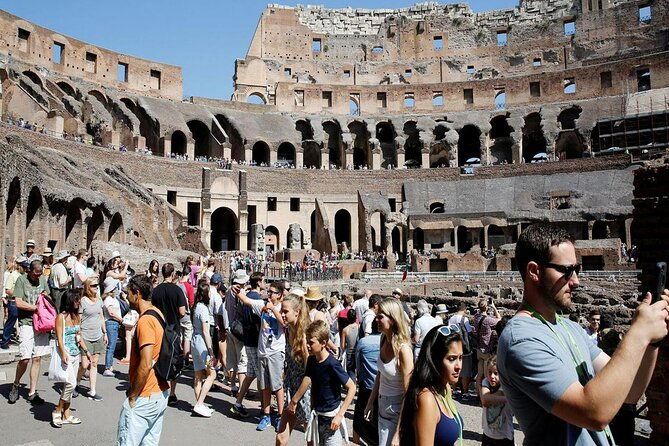
Descending into the dimly lit underground chambers of the Colosseum, visitors can explore the intricate network of tunnels and passageways that once bustled with the frenzied activity of gladiators and wild animals.
These subterranean spaces housed the infrastructure that supported the spectacles above. Lifts and pulleys raised the beasts and fighters to the arena floor, while intricate mechanisms managed scenery changes.
Wandering through this labyrinth, one can almost sense the tension and anticipation that once filled the air as the ancient Roman crowds eagerly awaited the start of the brutal games.
Architectural Marvels and Design Innovations
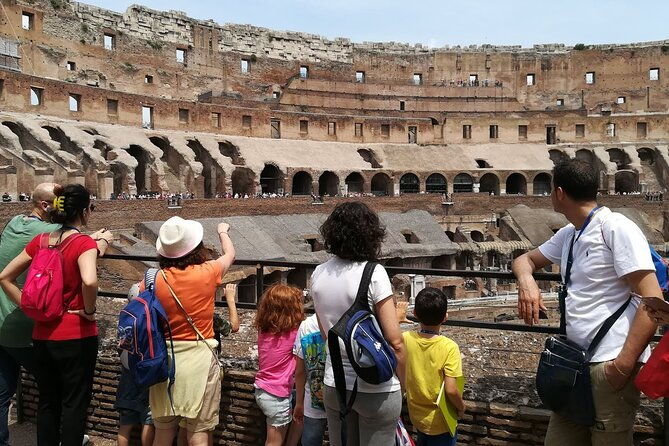
As one emerges from the underground chambers, the true architectural marvel of the Colosseum comes into full view.
The engineering genius behind this iconic structure is evident in its:
-
Elliptical design, which maximized seating capacity and sightlines for spectators.
-
Sophisticated system of entrances, exits, and underground corridors that facilitated the efficient movement of gladiators, animals, and stage props.
-
Innovative use of materials, including the use of concrete and stone, which allowed for the creation of this massive amphitheater.
The Colosseum’s architectural sophistication and design innovations continue to captivate visitors to this day.
Capturing the Essence of Rome’s Past
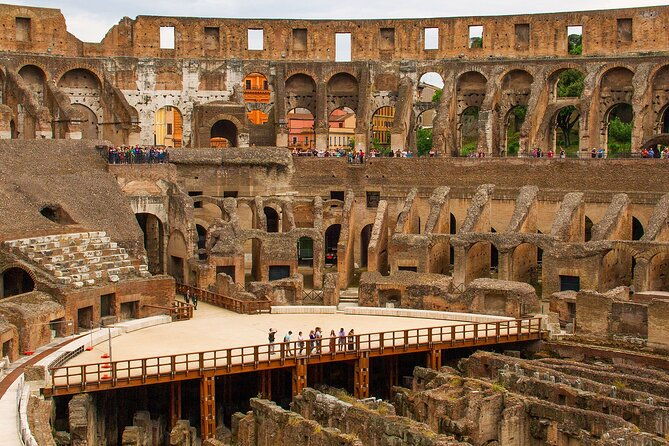
Visiting the Colosseum and Palatine Hill allows one to truly enjoy the captivating history of ancient Rome.
Exploring the Colosseum’s grand arena, where gladiators once battled for entertainment, evokes a sense of the empire’s power and spectacle.
Traversing the Roman Forum and Palatine Hill uncovers the origins of the city, tracing its development from humble beginnings to the seat of a mighty civilization.
Uncovering underground chambers and imagining the vibrant markets and bustling activities that once filled these spaces transport visitors back in time, capturing the essence of Rome’s illustrious past.
Frequently Asked Questions
What Is the Dress Code for the Tour?
The tour doesn’t have a strict dress code, but visitors are advised to wear comfortable walking shoes and dress appropriately for the weather. Casual, weather-appropriate attire is recommended to ensure a comfortable experience exploring the ancient sites.
Can I Bring Food and Drinks Inside the Sites?
Visitors are not permitted to bring food or drinks inside the Colosseum, Roman Forum, and Palatine Hill. These ancient sites have restricted policies to preserve their historical integrity and ensure a pleasant experience for all guests.
Is the Tour Wheelchair and Stroller Accessible?
The tour is partially accessible for wheelchairs and strollers. While the Colosseum and Roman Forum have ramps, the uneven terrain of the Palatine Hill may pose challenges. Visitors are advised to consult with the tour provider for specific accessibility accommodations.
How Long Is the Overall Tour Duration?
The overall tour duration is approximately 3 hours. Visitors will explore the Colosseum, Roman Forum, and Palatine Hill, with a private certified guide providing insights into these ancient sites throughout the experience.
Do I Need to Make Reservations for This Tour?
Yes, reservations are required for this tour. The tour operator confirms bookings and provides online support details, as well as the meeting point location. Travelers must arrive 15 minutes early to avoid losing their entrance tickets.
The Sum Up
The Colosseum and Palatine Hill offer a captivating window into Rome’s illustrious past. Visitors can enjoy the grandeur of ancient spectacles, uncover the secrets of the Roman Forum, and ascend Palatine Hill to witness the birthplace of this iconic city. From the thrill of gladiatorial contests to the architectural marvels that defined the Roman Empire, these sites encapsulate the essence of Rome’s rich historical legacy.
More Private Tours in Rome
- Rome: Private Walking Tour with a Local
- Rome: Exclusive Private Tour of St. Peters Basilica
- Private St. Peters Basilica and Vatican Grottoes Tour
- Rome: Trevi Fountain Photoshoot Private & Personalized
- Rome: Private photoshoot at the Trevi Fountain Golden Hour
- Rome: Private Vespa Experience with Professional Photoshoot
More Tours in Rome
- Rome: Private Walking Tour with a Local
- Rome: Exclusive Private Tour of St. Peters Basilica
- Rome: Vespa tour When in Rome with Dessert and Photography
- Rome: Small Group Walking Tour in English or Spanish
- Rome: Capuchin Crypts & Ghostly Legends Small Group Tour
- St.Peter’s Basilica & Vatican Grottoes: Guided Tour in Rome
More Tour Reviews in Rome
Still browsing? Here are more Rome experiences we've covered recently
- What Are The Best Tours & Experiences In Rome? Our Top 3 Picks
- 13 Fantastic Wine Tours In Rome
- 14 Top Private Driver Services In Rome (With Reviews & Prices)
- Which Rome Shore Excursions To Choose? Our Best 6 Picks
- The 14 Most Popular City Tours In Rome
- Which Rome Tours & Experiences To Choose? We Rank The 14 Best
- 14 Must-Try Cruises And Boat Tours In Rome
- Discover 14 Great Tours In Rome
- 12 Best Walking Tours In Rome (With Reviews & Prices)
- 14 Of The Best Shopping & Market Tours In Rome
- The Top 13 Rome Workshops & Classes
- 14 Must-Try Lunch Experiences In Rome