
This experience made our article of The Top 15 Tours & Experiences In Aichi Prefecture.
- Authentic Udon Making Experience at Taishoan Kamaharu: A Detailed Review
- Key Points
- Introduction: What’s This Udon Tour All About?
- What to Expect: A Step-by-Step Breakdown
- Meeting and Reception
- Udon-Making Workshop
- Cooking and Tasting
- Cultural Insights and History
- End of the Experience
- Analyzing the Value: Price, Group Size, and Additional Benefits
- Nearby Attractions and Extras
- The Sum Up: Is This Udon Experience for You?
- Frequently Asked Questions
- More Museum Experiences in Aichi Prefecture
- More Tickets in Aichi Prefecture
- More Tour Reviews in Aichi Prefecture
- Still browsing? Here are more Aichi Prefecture experiences we've covered recently
Authentic Udon Making Experience at Taishoan Kamaharu: A Detailed Review
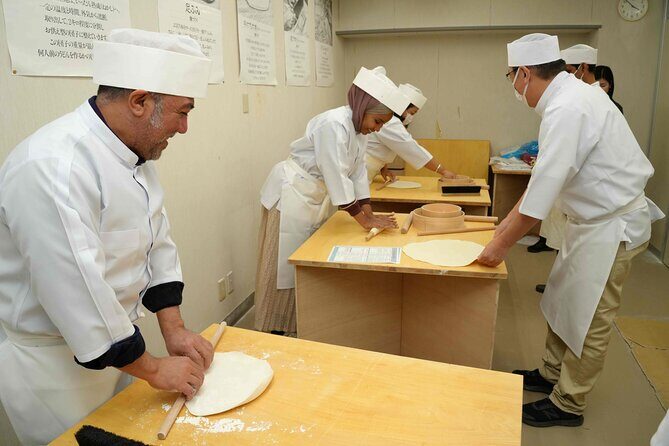
If you’re heading to Aichi Prefecture and want a taste of Japanese culinary tradition, the Udon Making Experience at Taishoan Kamaharu promises an engaging, hands-on journey into one of Japan’s most beloved noodles. While we haven’t personally rolled the dough, reviews and detailed descriptions paint a vivid picture of a genuine, culturally rich activity that appeals to travelers eager to connect with Japan’s food heritage.
What makes this experience stand out? First, the opportunity to dress in traditional craftsman attire, adding a layer of immersion. Second, the practical skills you’ll learn—kneading, stretching, and cutting udon noodles—are rare outside local settings. Lastly, the chance to enjoy a freshly made udon meal with tempura that you helped prepare is a real highlight. The only caveat? As the tour is mostly conducted in Japanese, there may be some language barriers, but the friendly guides and visual demonstrations help bridge that gap. This tour suits food lovers, culture seekers, or anyone wanting an authentic taste of Japan beyond typical sightseeing.
Key Points
- Authentic hands-on experience in udon making at a historic shop.
- Culturally immersive, with craftsman attire and explanations about traditional noodle-making.
- Conveniently located right in front of the train station, making access easy.
- Includes a delicious udon and tempura meal, along with a souvenir craftsmans hat.
- Limited group size ensures personal attention, with a maximum of 16 travelers.
- Knowledgeable guides share insights about the history and significance of udon in Japan.
Looking for more options in Aichi Prefecture? We've reviewed plenty of other experiences.
Introduction: What’s This Udon Tour All About?
This Udon Making Experience at Taishoan Kamaharu offers a chance to see and participate in a long-standing Japanese culinary tradition. Known as the birthplace of kama-age udon, the shop provides a setting where centuries of craftsmanship meet modern curiosity. For travelers interested in authentic, participatory activities, this tour is a perfect fit.
What we love most? The tactile engagement—kneading dough with your feet, stretching it with traditional tools, and knowing you’re creating a meal from scratch. The experience is designed not just as a cooking demo but as a window into Japanese culture and history, with the shop owner sharing stories about Tokugawa Ieyasu’s love of udon and the evolution of wheat-based noodles.
While everything is carefully organized, keep in mind that instructions are mostly in Japanese with some translation, so a bit of patience or a basic understanding of the language can enhance your experience. For those who love immersive activities and learning about local foods directly from knowledgeable guides, this tour is an ideal choice.
What to Expect: A Step-by-Step Breakdown
Meeting and Reception
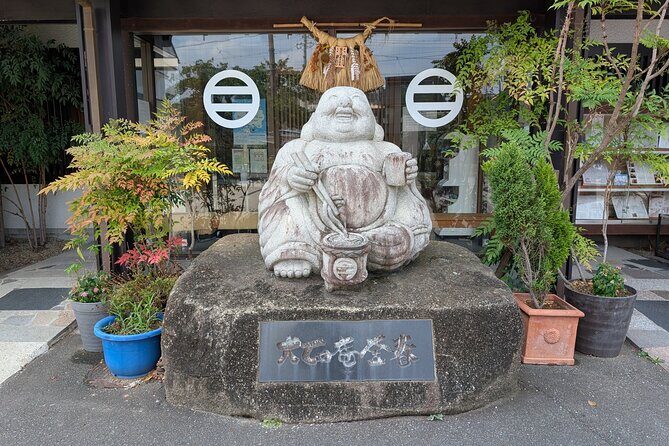
Your journey begins right at the Taishoan Kamaharu Main Shop, situated conveniently in front of the train station in Okazaki. The tour kicks off at 11:00 am, where you’ll check in and meet your instructor. As the shop is a long-established spot, you’ll feel the history immediately, with warm hospitality and a cozy atmosphere.
Udon-Making Workshop
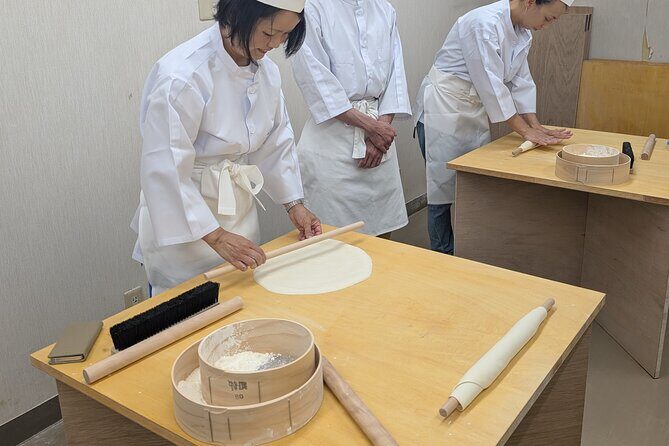
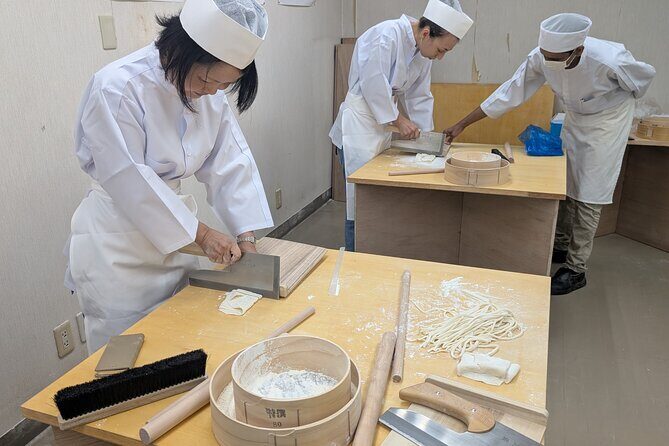
At around 11:15 am, the hands-on part begins. Here, you’ll dress in traditional craftsman attire, including a handmade hat—something you get to keep as a token of your effort. The actual process includes:
- Rolling the dough: using traditional tools to flatten the dough, which adds an authentic touch.
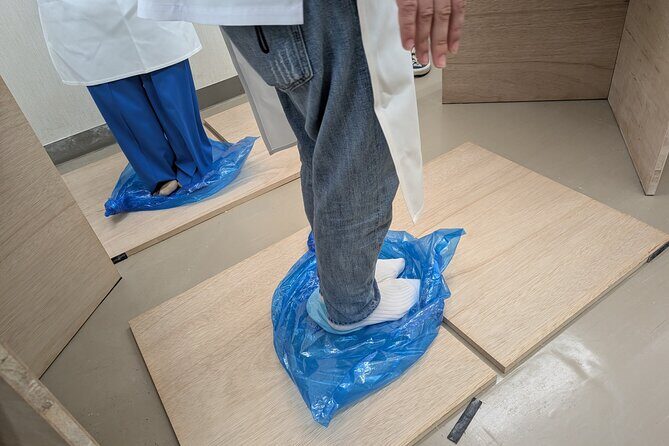
- Kneading with your feet: one of the most unique parts, allowing you to feel the texture and strength needed for good noodles.
- Stretching with a rolling pin: to get the perfect thickness.
- Cutting into noodles: with a sharp knife, shaping your udon by hand.
According to reviewers, the instructions are interesting, though primarily in Japanese with some translation, but the visual cues and guidance from the staff make the process accessible. One reviewer commented, “The instructions were interesting (though only in Japanese with just a few translation), and the Chef was really kind and helpful.”
Cooking and Tasting
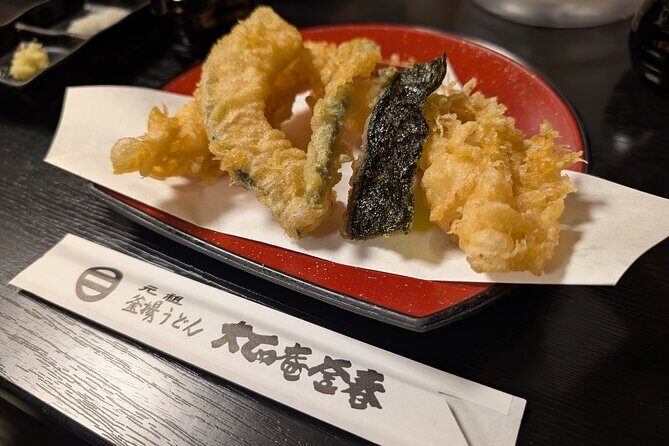
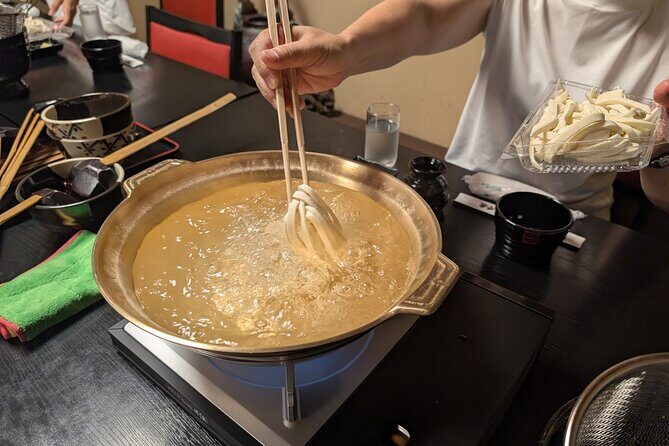
By 12:30 pm, you’ll move upstairs to the shop’s dining hall to boil your own noodles. This part is part fun and part satisfaction—knowing you created every strand. Alongside, you will enjoy tempura, freshly fried and paired with your homemade udon.
Several reviews highlight the high quality of this meal, with one mentioning, “I particularly loved eating the udon that I made myself.” It’s a simple yet immensely satisfying experience, especially after the effort of making the noodles from scratch.
Cultural Insights and History
Throughout the cooking, the shop owner shares stories about how wheat becomes noodles and offers fascinating historical records about Tokugawa Ieyasu, the famous shogun born nearby in Okazaki, who was known to love udon. These stories enrich the experience, making it much more than just a cooking demo—it’s a cultural lesson wrapped in a delicious meal.
End of the Experience
Your tour concludes around 1:30 pm, back at the meeting point. You leave with your crafted hat as a souvenir, a tangible reminder of your time as a noodle-maker. The whole process lasts roughly two and a half hours, making it a well-paced activity that fits neatly into a day of sightseeing.
Analyzing the Value: Price, Group Size, and Additional Benefits
This experience costs $46.25 per person, which many will find reasonable considering the hands-on involvement, the meal, and the souvenir. The price reflects the value of participating directly in a traditional craft, tasting freshly made udon, and gaining cultural insights from knowledgeable guides.
The tour’s maximum of 16 travelers ensures a personal experience, with ample opportunity to ask questions and interact with the staff. The inclusion of an interpreter helps bridge language gaps, although some instructions are in Japanese, so a little patience or basic understanding helps.
Because the shop is located right in front of the train station, access is simple, making this experience ideal for travelers with limited time or those who want a seamless cultural activity without complicated logistics. However, transportation expenses to the meeting point are not included, so plan accordingly.
Nearby Attractions and Extras
After your udon adventure, you can easily explore nearby sites like Okazaki Castle or visit the Hatcho Miso Brewery. Combining these attractions makes for a well-rounded day of discovering the local flavor and history.
The Sum Up: Is This Udon Experience for You?
If you’re a food enthusiast craving an authentic, participatory activity, this tour offers a memorable peek into Japanese culinary culture. It’s perfect for travelers who want more than just tasting—they want to learn, make, and understand the story behind their food.
Those interested in history, craftsmanship, or local traditions will find this especially rewarding. The friendly guides, the opportunity to wear traditional attire, and the delicious meal make it a genuine and satisfying experience.
However, it’s worth noting that some instructions are primarily in Japanese, so a basic understanding or a willingness to follow visual cues is helpful. The experience’s relatively modest price makes it accessible, especially given the included meal and souvenir.
All in all, this udon-making journey is a great way to connect with Japanese culture in an intimate, hands-on manner—an experience that’s as tasty as it is meaningful.
Frequently Asked Questions
Is this tour suitable for non-Japanese speakers?
Yes. While instructions are mainly in Japanese, visual demonstrations and guidance help non-Japanese speakers follow along. The presence of an interpreter also supports understanding.
How long does the experience last?
Approximately 2 hours and 30 minutes, including check-in, making noodles, and enjoying your meal.
What is included in the price?
The tour fee covers the udon-making activity, your udon set meal with tempura, and a craftsmans hat to take home.
Are there any additional costs I should consider?
Transportation expenses to the meeting point are not included, so plan to get there by train or local transport.
What should I wear or bring?
Comfortable clothes are fine, but note that socks are required—socks are available for purchase at the shop if needed.
Is group size limited?
Yes, a maximum of 16 travelers ensures a more personal experience.
Can I buy souvenirs or extra items?
The craftsmans hat is provided as a souvenir. Extra souvenirs are not listed but may be available at the shop.
What if I have dietary restrictions?
The experience focuses on udon and tempura—specific dietary accommodations are not mentioned, so it’s best to inquire beforehand.
Is this experience suitable for children?
While not explicitly stated, the hands-on nature and family-friendly setting suggest children could enjoy it, especially if they’re interested in cooking.
Whether you’re passionate about food or curious about Japanese traditions, this udon-making tour at Taishoan Kamaharu offers a rare glimpse into cultural craftsmanship with delicious results. It’s a rewarding activity that leaves you with more than just a full stomach—it’s a story to tell and a skill to remember.
📍 This experience made our list of the 15 best Tours & Experiences in Aichi Prefecture
More Museum Experiences in Aichi Prefecture
More Tickets in Aichi Prefecture
More Tour Reviews in Aichi Prefecture
- Okazaki: The Birthplace of Japans Most Famous Shogun
- Authentic Udon Making Experience at Taishoan Kamaharu
- Skip the Line Ticket to Sumo Morning Practice at Nagoya
- Kimono, Tea ceremony and Shodo in Kimono School
- Create Your Own Glass Cup and See Seto’s Lucky Cats in Japan
- Maneki Neko Museum Ticket+Special Grab Bag
Still browsing? Here are more Aichi Prefecture experiences we've covered recently
- Aichi Prefecture’s 6 Best Tours
- The Top 15 Tours & Experiences In Aichi Prefecture
- Okazaki: The Birthplace of Japans Most Famous Shogun
- Authentic Udon Making Experience at Taishoan Kamaharu
- Kimono, Tea ceremony and Shodo in Kimono School
- Create Your Own Glass Cup and See Seto’s Lucky Cats in Japan
- Nagoya Full-day Private Custom Tour with National Licensed Guide