
Amsterdam, a city that has weathered the tides of time, conceals a trove of captivating histories. From the fateful Amstel River dam that sparked its growth to the clandestine WWII networks, this Dutch gem’s past brims with untold tales. Unraveling its mysterious "XXX" emblem and tilted houses reveals resilience against water and adversity. Explore Amsterdam’s vibrant heritage, where every street and canal holds the promise of unearthing the city’s most guarded secrets.
- Key Points
- The First Dam on the Amstel River
- The Golden Age of Amsterdam
- The Tilted Houses of Amsterdam
- The Mysterious XXX Symbol
- World War II in Amsterdam
- Modern Street Art and Murals
- Hidden Gems and Local Insights
- Stories That Bring History to Life
- Frequently Asked Questions
- Can I Bring My Dog on the Tour?
- Is the Tour Wheelchair Accessible?
- What Is the Dress Code for the Tour?
- Can I Purchase Souvenirs During the Tour?
- Do the Guides Speak Other Languages Besides English?
- The Sum Up
- More Tour Reviews in Amsterdam
- Still browsing? Here are more Amsterdam experiences we've covered recently
Key Points
-
Amsterdam’s origins date back to the late 12th century when a dam was built on the Amstel River, laying the foundation for the city’s growth.
-
The city’s Golden Age in the 17th century saw it flourish as a global trading hub, with wealthy patrons commissioning grand architecture and art.
-
The iconic tilted houses of Amsterdam are a result of the city’s marshy soil, with wooden piles driven into the ground causing gradual tilting.
-
The "XXX" symbol on Amsterdam’s coat of arms represents the city’s historical triumph over three major threats: water, fire, and disease.
-
Amsterdam’s resilience was tested during the Nazi occupation in World War II, with the city enduring harsh policies and the devastating Hunger Winter.
The First Dam on the Amstel River
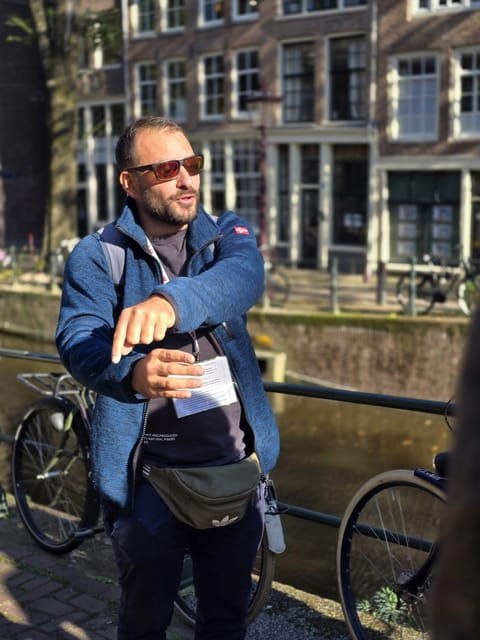
The first dam on the Amstel River was built in the late 12th century, marking the origins of Amsterdam. This modest dam, constructed to control flooding, became the foundation for the city’s future growth.
Over time, the dam evolved into a bustling hub, attracting traders and settlers. The strategic location on the river, combined with the protective dam, made Amsterdam an attractive destination.
This humble structure, now long gone, laid the groundwork for the vibrant, canal-lined city we know today. Amsterdam’s history is inextricably linked to the simple yet vital dam that started it all.
Looking for more options in Amsterdam? We've reviewed plenty of other experiences.
The Golden Age of Amsterdam

Following the modest origins of the first dam on the Amstel River, Amsterdam experienced a remarkable period of prosperity and growth known as the Golden Age.
The city flourished as a global trading hub, with:
Merchant ships sailing the world’s oceans, bringing back exotic goods; wealthy patrons commissioning grand architecture and art that defined the city’s skyline.
-
Merchant ships sailing the world’s oceans, bringing back exotic goods
-
Wealthy patrons commissioning grand architecture and art that defined the city’s skyline
-
Intellectual and cultural advancements that made Amsterdam a center of innovation and ideas
This era cemented Amsterdam’s reputation as a bustling, cosmopolitan city that punched above its weight on the world stage.
The Tilted Houses of Amsterdam
While Amsterdam is renowned for its picturesque canals and bridges, a closer inspection reveals the city’s iconic tilted houses.
These structures, often leaning precariously, are the result of a unique historical context. Built on wooden piles driven into the soft, marshy soil, the houses gradually tilted as the underlying ground settled over time.
This quirky architectural feature isn’t just a charming aesthetic; it also serves a practical purpose, allowing the buildings to adapt to the city’s shifting landscape.
Exploring these tilted houses offers a glimpse into Amsterdam’s resilient and innovative spirit.
The Mysterious XXX Symbol
Alongside the iconic tilted houses, another intriguing feature in Amsterdam is the ubiquitous "XXX" symbol found across the city. This enigmatic emblem has sparked endless speculation and debate among visitors.
-
The "XXX" represents the three Xs in the city’s coat of arms, symbolizing the three major threats Amsterdam has overcome: water, fire, and disease.
-
However, the symbol has also been associated with the city’s reputation for tolerance and its historical links to the sex industry.
-
Regardless of its origins, the "XXX" has become an integral part of Amsterdam’s visual identity, adding to the city’s mystique and charm.
World War II in Amsterdam
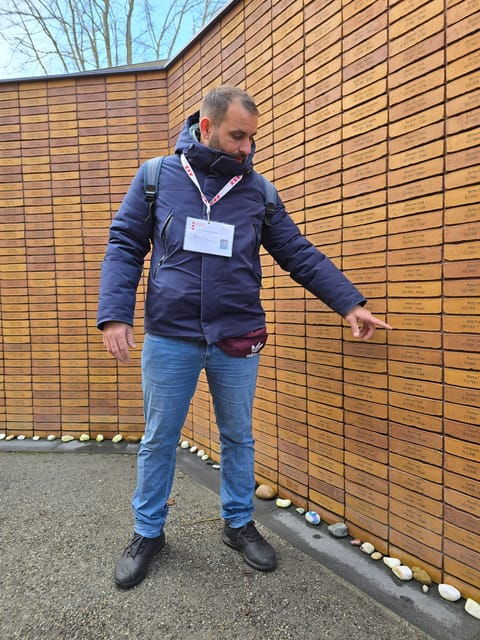
Though Amsterdam was largely spared from the physical devastation of World War II, the city and its residents nevertheless endured the profound impact of the Nazi occupation. The Nazis implemented harsh policies, including rationing, censorship, and the persecution of Jewish citizens. Despite the hardships, Amsterdammers displayed immense courage, with many risking their lives to shelter and assist those targeted by the regime.
| Event | Date | Impact |
| — | — | — |
| German Invasion | May 1940 | Nazi occupation of the Netherlands begins |
| Hunger Winter | 1944-1945 | Severe famine kills thousands in Amsterdam |
| Anne Frank Captured | August 1944 | Renowned diarist and her family arrested |
| Liberation | May 1945 | City celebrates the end of Nazi rule |
Amsterdam’s resilience and resistance during this dark period have become enduring symbols of the city’s indomitable spirit.
Modern Street Art and Murals
Amsterdam’s streets have transformed into a vibrant canvas for modern street art and murals. From towering depictions of iconic Dutch landmarks to provocative political statements, the city’s walls showcase the creativity and diversity of its artistic community.
Visitors can discover:
-
Elaborate murals that celebrate Amsterdam’s rich heritage, such as a giant windmill or a gilded tulip.
-
Thought-provoking works addressing social issues, like a mural highlighting the plight of refugees.
-
Whimsical street art that adds a playful touch, including a mural of a giant rubber ducky floating on a canal.
Hidden Gems and Local Insights
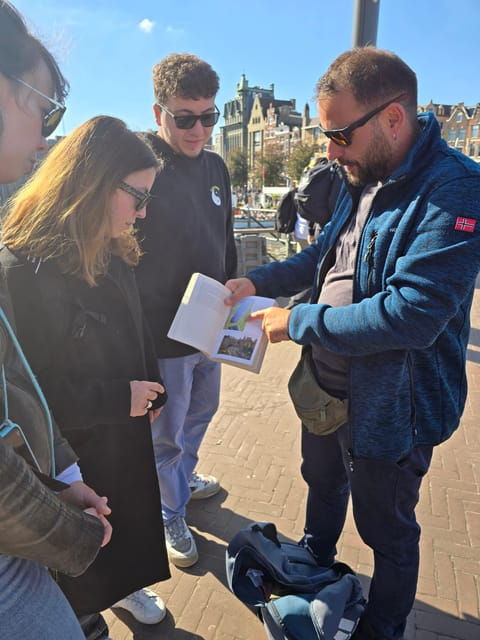
Beneath Amsterdam’s picturesque canals and iconic landmarks lies a trove of hidden gems and local insights that unveil the city’s true essence.
Beneath Amsterdam’s picturesque canals and iconic landmarks lies a trove of hidden gems and local insights that unveil the city’s true essence.
From the reasons behind the city’s famously tilted houses to the symbolic significance of the XXX insignia, these revelations offer a deeper understanding of Amsterdam’s rich history.
Passionate storytellers guide visitors through the city’s evolution, sharing captivating tales that bring the past to life.
Whether it’s exploring WWII bunkers or discovering lesser-known street art, these local secrets provide a unique and immersive experience that goes beyond the typical tourist attractions.
Stories That Bring History to Life
As visitors embark on the walking tour, they’re captivated by the passionate storytellers who bring Amsterdam’s history to life.
Through vivid narratives, the guides transport their audience through time, revealing:
-
The reasons behind the city’s iconic tilted houses
-
The truth behind the mysterious XXX symbol
-
The hidden bunkers and war stories that shaped WWII-era Amsterdam
These captivating tales make the past palpable, immersing participants in the city’s evolution.
Frequently Asked Questions
Can I Bring My Dog on the Tour?
Unfortunately, the tour does not allow pets. The tour is designed for a small group experience, so bringing animals would not be permitted. Guests are advised to leave their pets at home for this walking tour.
Is the Tour Wheelchair Accessible?
The tour is not specifically advertised as wheelchair accessible. Guests with mobility needs should contact the tour provider in advance to discuss accommodations and accessibility options.
What Is the Dress Code for the Tour?
The tour has no strict dress code, but it’s recommended to wear comfortable, weather-appropriate clothing and walking shoes. Casual attire is perfectly fine as the focus is on exploring Amsterdam’s history, not formal dress.
Can I Purchase Souvenirs During the Tour?
The tour does not include time to purchase souvenirs during the 2-hour walking experience. However, participants can explore Amsterdam’s shops and markets before or after the tour to find unique Dutch keepsakes and memorabilia.
Do the Guides Speak Other Languages Besides English?
The tour guides speak English primarily, but they also offer tours in other languages like Dutch, German, and French upon request. Guests can inquire about language options when booking their tour.
The Sum Up
Amsterdam’s rich history is a treasure trove of captivating stories waiting to be uncovered. From the city’s humble beginnings on the Amstel River to its resilience during wartime, every facet of Amsterdam’s past reveals a deeper narrative. By delving into these hidden gems, history enthusiasts can uncover the vibrant tapestry that makes this city a truly remarkable destination.
You can check availability for your dates here:More Tour Reviews in Amsterdam
Still browsing? Here are more Amsterdam experiences we've covered recently
- The 7 Most Popular Workshops & Classes In Amsterdam
- Amsterdam’s 3 Best Private Driver Services
- What Are The Best Food Tours In Amsterdam? Our Top 9 Picks
- 13 Best Tours In Amsterdam (With Prices)
- Which Amsterdam Wine Tours To Choose? We Rank The 10 Best
- Amsterdam’s 14 Best Walking Tours: Which To Choose?
- Amsterdam’s 11 Top Cruises And Boat Tours (With Prices)
- 11 Top Dinner Experiences In Amsterdam (With Reviews & Prices)
- Amsterdam’s 13 Top Historical Tours (With Prices)
- 10 Fantastic Photography Experiences In Amsterdam
- 8 Must-Try Shopping & Market Tours In Amsterdam
- Amsterdam’s 12 Best Dining Experiences