
Exploring Japan in winter offers unique views and quiet charm, and this tour in Aizu captures both beautifully. It’s an activity that blends a bit of adventure, history, and authentic local flavor, wrapped into a surprisingly manageable four-hour experience.
What makes this tour stand out? First, trekking in traditional “kanjiki” snowshoes really connects you to Japan’s snowy landscape in a way that’s accessible for most. Second, the chance to walk the historic Shimotsuke Highway lets you step back in time, following a route that once linked the Edo period’s critical sites. Lastly, the meal of walnut soba, a dish steeped in celebration and tradition, provides a hearty, local touch that completes the experience.
One consideration is that this tour might not suit those with mobility issues or anyone not comfortable in winter conditions, as it involves some walking in snow. It’s best suited for travelers who enjoy outdoor activities, history, and local cuisine, and who are prepared for a bit of cold weather.
If you’re looking for an authentic, light adventure that offers a taste of Japan’s rich heritage and stunning winter scenery, this tour could be an excellent choice.
Key Points
 1 / 5
1 / 5 2 / 5
2 / 5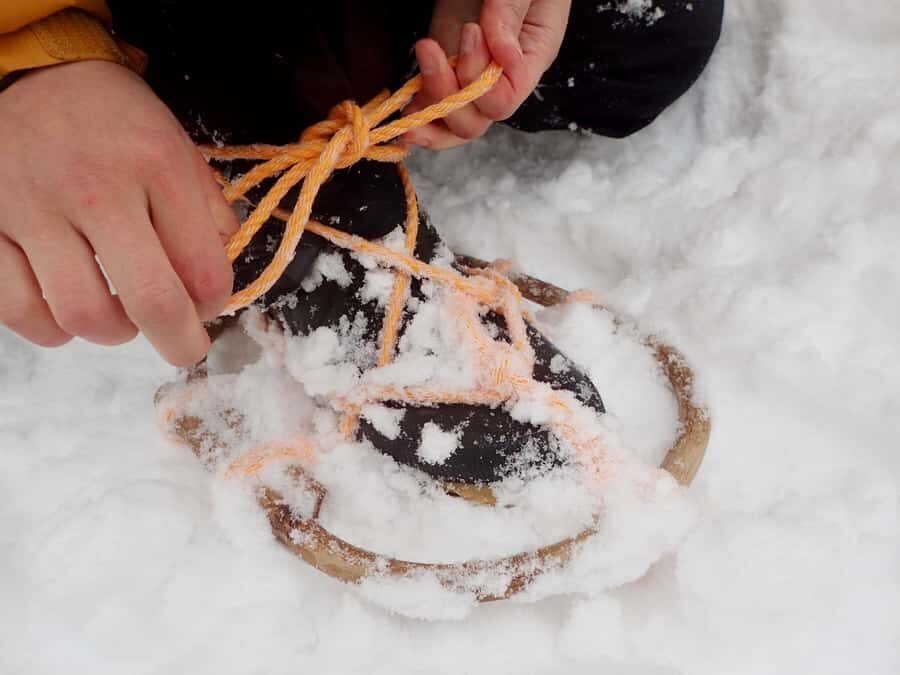 3 / 5
3 / 5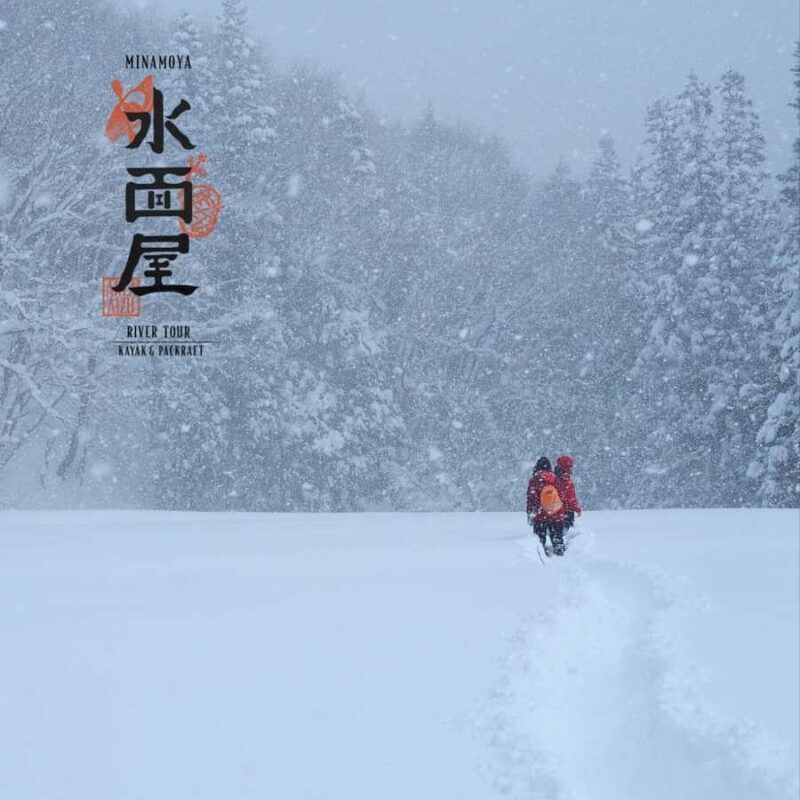 4 / 5
4 / 5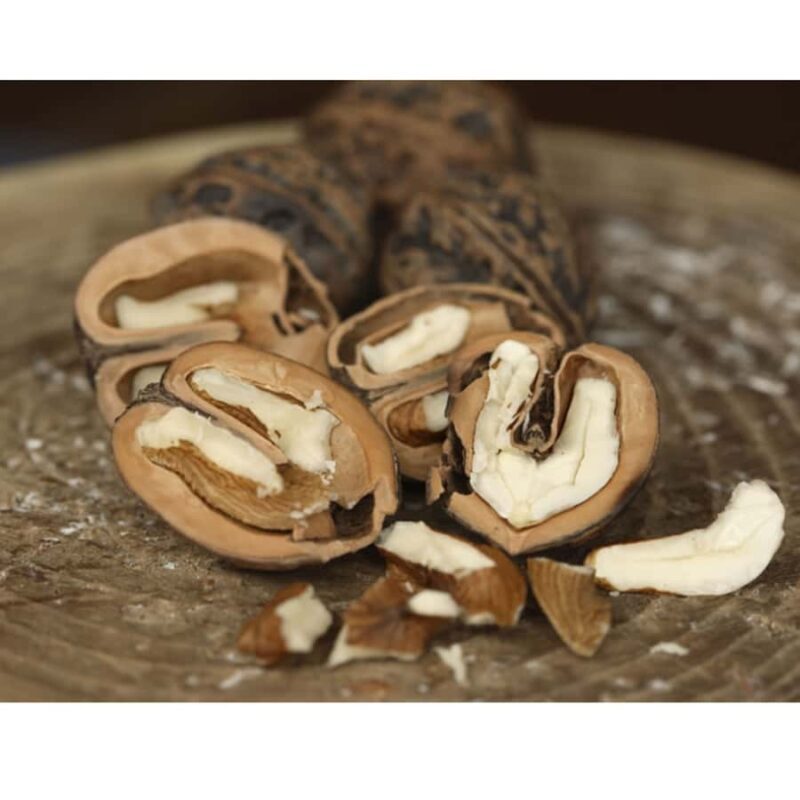 5 / 5
5 / 5- Historical route: Trek along the ancient Shimotsuke Highway with scenic views only visible in winter.
- Cultural immersion: Experience traditional “kanjiki” snowshoes and learn about Edo-era sites.
- Authentic cuisine: Enjoy a traditional walnut soba dish, a local celebratory food.
- Small group size: Limited to 8 participants, ensuring personalized attention.
- Expert guidance: Guided in both Japanese and English, with knowledgeable local guides.
- Flexible booking: Reserve now and pay later, with free cancellation if needed.
Discovering Aizu’s Winter Landscape and Heritage
This tour offers a thoughtful way to experience Japan’s Aizu region in winter, combining outdoor activity, historical exploration, and culinary delights. It’s designed for travelers who want more than just sightseeing — it’s about feeling connected to local traditions and the natural environment.
The Snowshoe Trek with Kanjiki
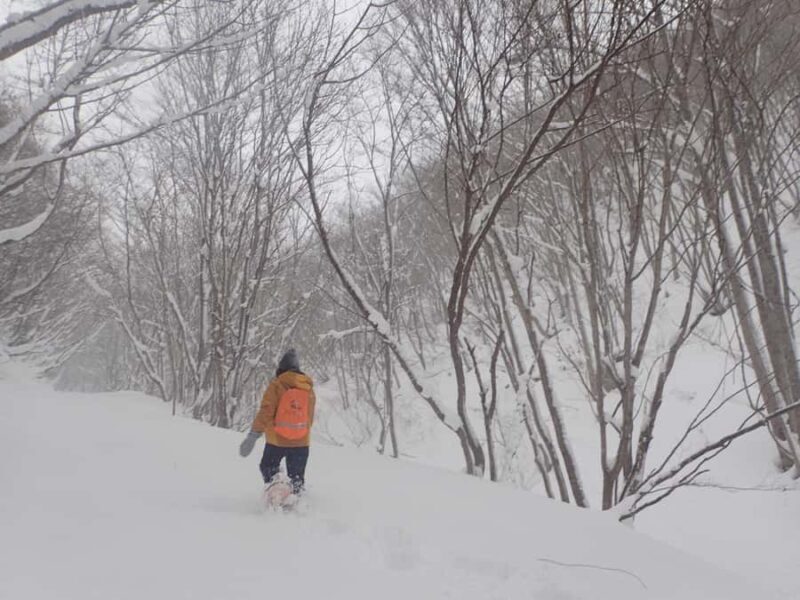
The core of this experience lies in the snowshoe trek, where you wear traditional “kanjiki” snowshoes. Unlike modern snowshoes, these wooden, curved shoes are a quintessentially Japanese way to traverse snowy terrain, allowing you to walk comfortably on snow-covered paths without sinking in. Wearing them offers a charming, almost nostalgic feeling, and many reviewers mention how lightweight and easy they are to manage, even for first-timers.
Expect the trek to follow the historic Shimotsuke Highway, an important route connecting Nikko and Aizu-Wakamatsu during the Edo period. This ancient road is lined with sites that reflect its significance, and the snowy landscape provides a pristine view of the mountain peaks and the expansive Aizu Basin. One review highlights the “panoramic views only found in winter,” making this a visual treat for those who love landscape photography or simply enjoy breathtaking scenery.
The guided aspect ensures that you will learn about the history of the route, the significance of Ouchi-juku as a post town, and local stories that deepen your understanding of the place. Guides are bilingual in Japanese and English, making the experience accessible to international travelers.
Exploring Edo-era Sites and Nature
As you follow the trail, you’ll pass by relics and landmarks that tell stories of Japan’s past. The tour balances physical activity with cultural insight, giving you a sense of walking through history. Reviewers have appreciated the raw, untouched nature, emphasizing how the snow adds a layer of serenity and authenticity to the surroundings.
The terrain is generally manageable, but some reviewers note that proper footwear and clothing are advisable. The tour lasts about three hours, enough time to enjoy the views and take photos without feeling rushed.
The Culinary Highlight: Walnut Soba
After the trek, you’ll head to Yamamotoya, a local restaurant famed for its walnut soba — a dish that’s both celebratory and comforting. Walnut soba, called Kurumi Soba, features buckwheat noodles served with a rich, nutty sauce that’s both hearty and flavorful.
Reviewers describe this dish as a “celebratory dish for the soul,” and many note that the taste of walnuts adds a unique twist to traditional soba. This meal is more than just food—it’s a cultural experience, linking you to local customs and festive traditions. The restaurant setting offers a cozy atmosphere, perfect after a snowy outdoor trek.
More Great Tours NearbyPractical Details and Experience
The tour begins at the Ouchi-juku Tourist Information Center at 9:00 AM, where your guide will greet you. Transportation to the starting point is included if you’re staying in the Yunokami Onsen area, making it convenient for travelers staying nearby. The entire experience lasts around four hours, including the trek and lunch.
Booking is flexible, with options to reserve now and pay later. Cancellation is free up to 24 hours in advance, which is helpful if weather conditions change unexpectedly — a real consideration in winter. The group size is limited to 8 people, ensuring an intimate atmosphere and personalized guidance.
What to bring? Pack a towel, comfortable clothes, and socks for the trek. Make sure to dress warmly, as temperatures can be quite chilly, and layers are always better when dealing with outdoor snow activities.
Authenticity and Local Flavor
This experience stands out because of its focus on authentic local culture and environment. The snowshoeing experience with traditional kanjiki shoes adds a historical touch, and the meal at Yamamotoya provides an authentic taste of regional cuisine. It’s a chance to step out of typical tourist spots and into a quieter, more genuine corner of Japan.
Several reviewers highlight the value of this tour, noting that the small group size and guided nature make it feel special without being touristy. It’s ideal for travelers who want a manageable, well-rounded experience that blends outdoor adventure, history, and food.
Who Will Love This Tour?
Travelers with a sense of adventure who are comfortable in winter conditions will find this tour rewarding. It’s perfect for those interested in Japanese history, outdoor activities, or authentic regional cuisine. The tour is not suited for children under 15, pregnant women, or anyone with health restrictions due to the physical nature of the trek.
It’s especially suitable for history buffs, nature lovers, and foodies eager to discover local Japanese dishes beyond sushi and tempura. If you enjoy small-group, guided experiences that focus on genuine culture, this tour offers a great value.
FAQs
What is the duration of the tour?
The entire experience lasts about four hours, including the trek and lunch.
Is transportation provided?
Yes, transportation is included if you are staying in the Yunokami Onsen area or station, making it easy to reach the meeting point at the Ouchi-juku Tourist Information Center.
What should I bring?
Bring a towel, comfortable clothes, socks, and dress warmly in layers. It’s also recommended to wear appropriate footwear for snowy conditions.
Can I cancel the tour?
Yes, you can cancel up to 24 hours in advance for a full refund. Weather-related cancellations are communicated 2-3 days prior and offer full refunds if severe weather occurs.
Is the tour suitable for children or pregnant women?
No, the tour is not recommended for children under 15, pregnant women, or those with health issues related to outdoor activity or snow.
How many people are in the group?
It’s a small group experience, limited to 8 participants, ensuring personalized guidance.
Do I need to have prior snowshoeing experience?
Not at all. Many reviews mention how manageable the traditional kanjiki snowshoes are, even for first-timers.
Final Thoughts
This tour in Aizu offers a unique peek into Japan’s winter landscape, blending history, outdoor fun, and culinary tradition. It’s best suited for travelers who enjoy light adventure, cultural authenticity, and scenic beauty without the hassle of large groups or overly commercialized experiences.
The combination of walking an ancient route in snow, guided storytelling, and a hearty local meal makes this a well-rounded day trip. The focus on traditional footwear and regional dishes creates a sense of stepping back in time, making it a memorable way to experience Aizu’s quiet winter charm.
If you’re after a genuine, small-group experience that connects you with Japan’s past and present in a relaxed setting, this tour is worth considering.
You can check availability for your dates here: