Traveling to Hokkaido often brings visions of snow-capped mountains, vast landscapes, and natural hot springs. But for those wanting a taste of local life and traditional food preparation, the Dried Fish Making Workshop in Abashiri offers an authentic glimpse into one of Japan’s most enduring fishing customs. While not a typical sightseeing tour, this experience combines hands-on activity, regional delicacies, and cultural stories that truly stand out.
What makes this experience worth considering? First, you’ll love the chance to learn how to make dried fish at a historic himono shop—an art passed down through generations. Second, the lunch of handmade fermented sushi (meshi-zushi) is both a delight for the palate and a window into local culinary traditions. Third, the story behind the Sea of Okhotsk’s fishing bounty and the owner’s personal journey adds a heartfelt touch to the day. On the flip side, a potential consideration is that photography inside the workshop isn’t allowed, so capturing all the moments is limited. This tour suits travelers interested in authentic food experiences, cultural insights, and those curious about how Japan’s north keeps its seafood traditions alive.
This experience made our article of 7 Best Tours & Experiences In Abashiri (With Prices).
- Key Points
- Introduction: A Unique Taste of Hokkaido’s Fishing Heritage
- What to Expect from the Dried Fish Making Workshop
- The Details: How the Experience Is Structured
- Authentic Food and Cultural Insights
- The Souvenirs and Final Takeaways
- Final Thoughts: Is This Experience Right for You?
- FAQ
- The Best Of Abashiri!
- More Workshops & Classes in Abashiri
- More Lunch Experiences in Abashiri
- More Tour Reviews in Abashiri
- Not for you? Here's more nearby things to do in Abashiri we have reviewed
Key Points
- Hands-on Fish Filleting: Get practical experience filleting hokke, a main local fish.
- Regional Delicacies: Enjoy a meal of fermented sushi, showcasing Japanese preservation techniques.
- Cultural Stories: Learn about the local fisheries, fishing types, and the history of the dried fish industry.
- Authentic Souvenirs: The dried fish you make is delivered to your home, along with a premium local kinki fish.
- Small Group Atmosphere: Limited to 8 participants, ensuring personalized interaction.
- Culinary Tips: Gain insights into selecting the best dried fish and fresh seafood.
👉 See our pick of the 7 Best Tours & Experiences In Abashiri (With Prices)
Introduction: A Unique Taste of Hokkaido’s Fishing Heritage
For those exploring Hokkaido, the Abashiri Dried Fish Making Workshop offers a rare chance to go beyond sightseeing and step into a local tradition that’s been cherished for generations. Although we haven’t experienced it firsthand, the descriptions and reviews paint a picture of a practical, engaging, and tasty outing. The highlight is learning the art of drying fish, a preservation method that’s both practical and deeply rooted in the region’s fishing culture.
What catches our eye are three aspects: the chance to see and taste the process firsthand, the opportunity to enjoy a regional specialty lunch, and the stories shared by the shop owner, who took over the business with a passion for tradition. The experience also appeals to those curious about different fishing types like hokke (Atka mackerel) and kinki (broadbanded thornyhead), which are local delicacies.
One thing to keep in mind is that photography inside the workshop isn’t allowed, potentially limiting some memories to verbal or written notes. But the hands-on approach, coupled with the authentic flavors, promises a memorable peek into Japan’s northern seafood heritage. This tour suits food lovers, cultural enthusiasts, and anyone eager to see local industry up close and personal.
You can also read our reviews of more tours and experiences in Abashiri
What to Expect from the Dried Fish Making Workshop
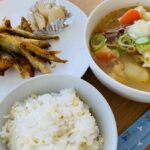
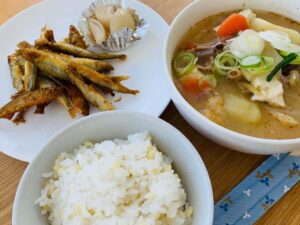
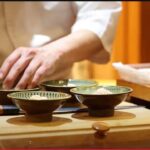
The tour begins with a delicious lunch of handmade fermented sushi, known locally as meshi-zushi. This specialty, often made in traditional ways by local grandmothers, offers a different flavor profile from standard sushi—more fermented, savory, and hearty. Many reviews mention how unexpectedly tasty and unique this dish is, with some describing it as a “delicious, tangy treat.” It’s a perfect introduction to regional culinary techniques.
After the meal, the host dives into the story of the local fisheries, explaining why fish are dried and how it preserves the catch for transportation and storage. One of the more touching stories is about the owner’s decision to take over the dried fish business, maintaining traditions that might otherwise fade away. Visitors will learn about the different types of fishing—particularly Hokke (Atka mackerel), a prized seasonal fish, and Kinki (broadbanded thornyhead), a delicacy from the Sea of Okhotsk.
The hands-on part begins with filleting hokke, which many find satisfying and surprisingly straightforward with proper guidance. The experience is designed to be accessible: you will fillet the fish yourself, then soak the fillets in saltwater, a key step in the drying process. The dried fish is then placed into a drying machine, a process that takes several hours but results in a delicious, long-lasting product.
What sets this experience apart is the focus on quality and selection tips—learning how to choose the best dried fish and fresh seafood. These insights are valuable for anyone who wants to bring home authentic local products or simply understand what makes a good dried fish. The workshop concludes with the delivery of your homemade dried fish to your home, along with a premium dried kinki fish—a true treat for seafood lovers.
The Details: How the Experience Is Structured
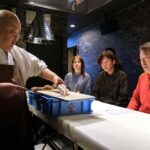
The experience takes about 1.5 hours in total, making it suitable for those with tight schedules or as a part of a longer day tour. It’s held at the first-floor factory of Masuda Suisan, a longstanding himono shop in Abashiri (coordinates: 44.0207633972168, 144.28030395507812). The group size is limited to 8 participants, ensuring personalized attention and a relaxed environment.
Timing: The workshop typically starts in the late morning, with lunch served beforehand or at the beginning, depending on the schedule. The primary activities include:
- Lunch of fermented sushi: a hearty, flavorsome start
- Learning about local fishing and dried fish culture: with stories and demonstrations
- Filleting hokke: a hands-on skill-building segment
- Saltwater soaking and drying preparation: with guidance from the instructor
- Tips on selecting high-quality dried fish: practical advice for future purchases
Participants are advised to wear comfortable clothes suitable for hands-on work. Photography inside the workshop isn’t allowed, but many guests find the experience memorable enough to remember or photograph outside the workshop area.
The cost of this experience offers good value when considering the included lunch, the hands-on activity, and the fact that you take home your own dried fish. Plus, the added bonus of a premium local fish enhances the value, especially for seafood lovers.
Authentic Food and Cultural Insights
The highlight for many is definitely the fermented sushi lunch. Described as “a delicious, tangy treat,” this dish provides a taste of traditional preservation methods that give the region’s cuisine its distinctive flavor. Many reviewers have expressed surprise at how delicious and satisfying this dish was—far from the standard sushi experience often associated with Japan.
The storytelling aspect, where the owner shares his reasons for continuing the dried fish business, adds a human element that elevates this from a simple workshop to a cultural experience. Learning about the different fish types—hokke, kinki, and others—and how they are caught, prepared, and dried paints a vivid picture of life in Abashiri’s port town.
A recurring theme is the importance of quality in dried fish. Participants learn how to pick high-grade products, which is invaluable if you plan to buy dried fish as souvenirs or enjoy them at home. The tips shared are practical and applicable beyond the workshop, making this a worthwhile investment for seafood enthusiasts.
More Great Tours NearbyThe Souvenirs and Final Takeaways
The fact that your dried fish is shipped to your home is a lovely touch, allowing you to savor your effort long after the tour ends. The premium dried kinki fish included as part of the package showcases the best of what the Sea of Okhotsk has to offer—delicate, flavorful, and a true luxury for seafood aficionados.
This experience is especially appealing for those who enjoy interactive, cultural activities and want a behind-the-scenes look at Japan’s traditional fishing industry. It’s excellent for travelers who appreciate food as a gateway to understanding local life and are willing to get their hands dirty (literally) in the process.
You can also read our reviews of more tours and experiences in Abashiri
Final Thoughts: Is This Experience Right for You?
This Dried Fish Making Workshop in Abashiri offers a rare blend of hands-on activity, regional delicacies, and storytelling that brings Hokkaido’s fishing traditions to life. It’s perfect for curious travelers, food lovers, and small-group enthusiasts seeking an authentic taste of Japan’s northern coast.
While it might not be suitable for children under six or those with food allergies, it’s an excellent choice for travelers who want a meaningful, practical, and delicious cultural experience. The limited group size makes it intimate, and the inclusion of a regional specialty fish makes it both educational and tasty.
If you’re looking for an activity that combines learning, tasting, and making, this workshop provides a superb window into Japan’s seafood heritage—delivered with warmth, expertise, and a flavorful touch.
FAQ
Is photography allowed inside the workshop?
No, photography inside the workshop isn’t permitted, but you can take photos outside the workshop area and enjoy capturing memories of the experience.
How long does the tour last?
The entire experience takes about 1.5 hours, making it easy to fit into a day with other sightseeing activities.
What is included in the price?
The fee covers the hands-on fish filleting, the saltwater drying process, tips on selecting dried fish, the fermented sushi lunch, and the delivery of your dried fish afterward, including a premium kinki fish.
Who is this experience suitable for?
It’s best suited for adults or children over six interested in seafood, Japanese food culture, and hands-on activities. It’s less suitable for people with food allergies or those who prefer a less interactive experience.
Can I join if I don’t speak Japanese?
Yes, the experience is guided in English, making it accessible for international visitors.
Do I need to prepare anything before the tour?
Just wear comfortable clothes suitable for working with fish and enjoy the experience!
To sum it up, this workshop offers a genuine, engaging insight into Hokkaido’s fishing traditions with plenty of tasty rewards. It’s a perfect pick for those who love food, culture, and hands-on experiences — especially if you’re eager to bring home a local delicacy crafted by your own hands.
📍 This experience made our list of the 7 best Tours & Experiences in Abashiri