The Dachau Memorial Public Tour provides a sobering glimpse into one of history’s darkest chapters. Visitors can explore the grounds of the former Nazi concentration camp, guided by knowledgeable staff who shed light on the harrowing experiences of the prisoners. Through this immersive experience, participants gain a deeper understanding of the atrocities committed during the Holocaust and the enduring legacy of resilience in the face of tyranny. The tour invites visitors to confront the past, reflect on its impact, and consider the importance of vigilance against such horrors.
- Key Points
- Dachau Concentration Camp: A Dark Chapter in History
- Understanding the Role of Guards and Prisoners
- Gruesome Medical Experiments at Dachau
- The Fate of Roma Prisoners: Uncovering Untold Stories
- Survivor Testimonies: Resilience Amidst Suffering
- Exploring the Daily Life Dynamics at Dachau
- The Liberation of Dachau: A Pivotal Moment
- The Legacy of Dachau: Remembrance and Reflection
- The Sum Up
- More Tours in Dachau
- More Tour Reviews in Dachau
Key Points
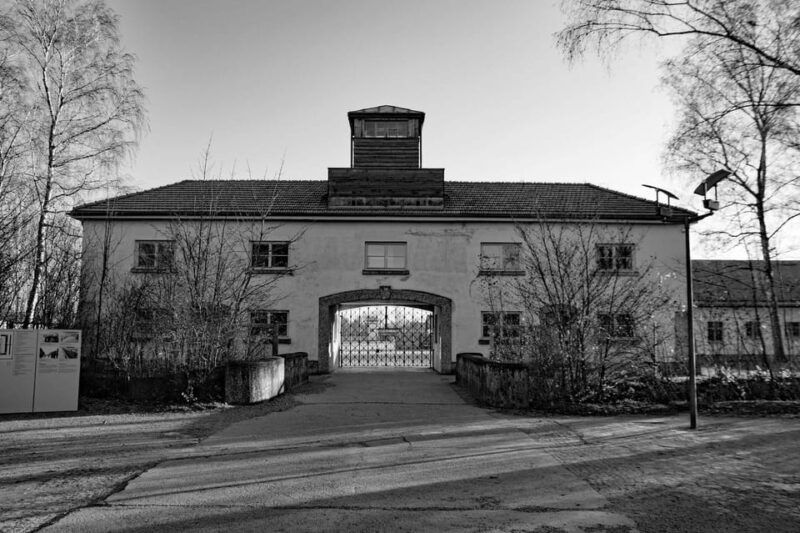
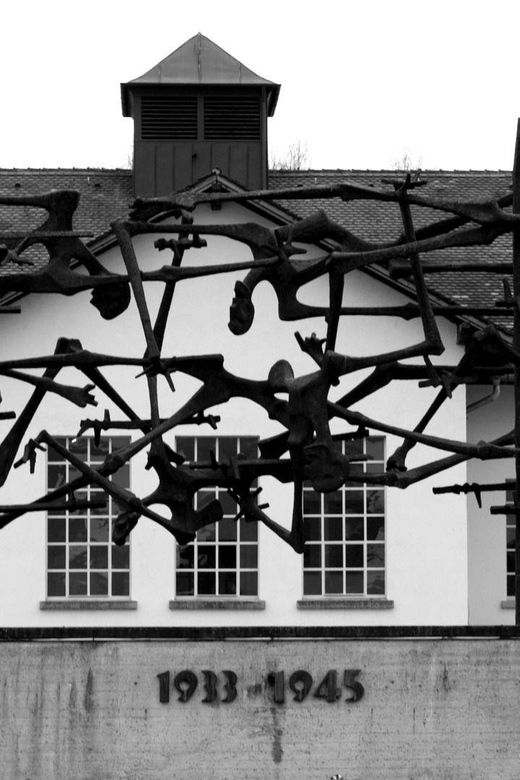
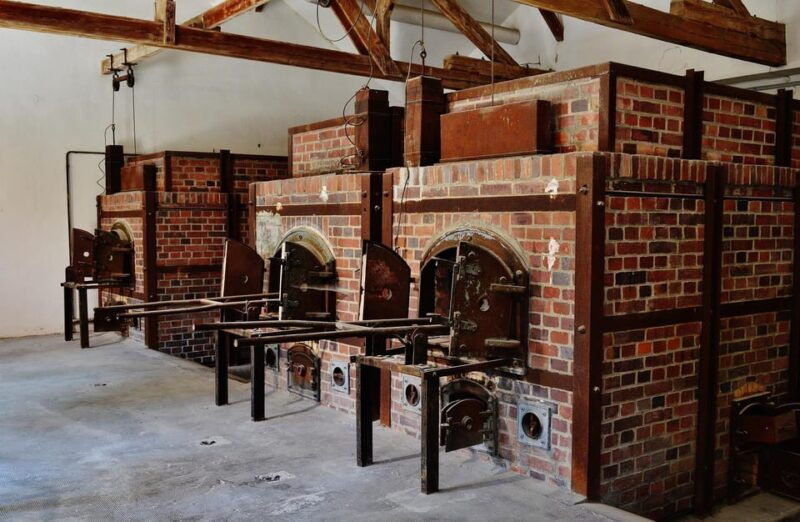
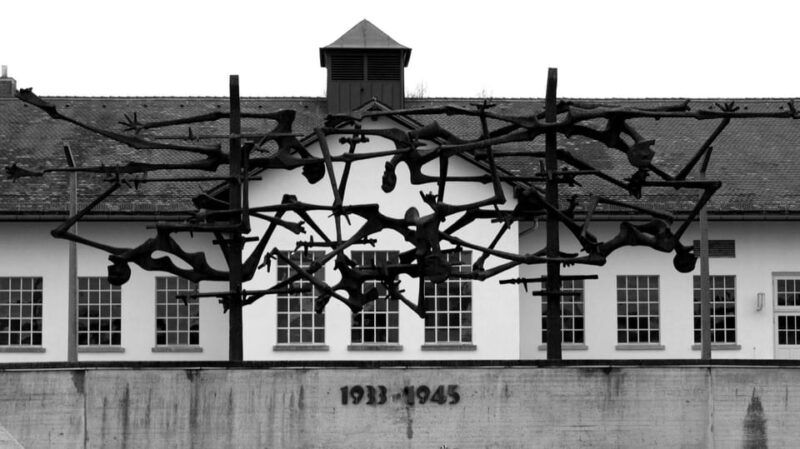
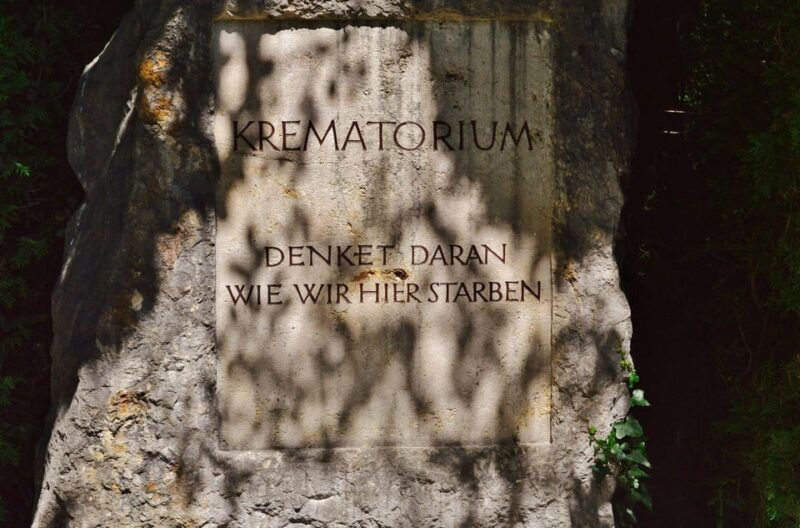

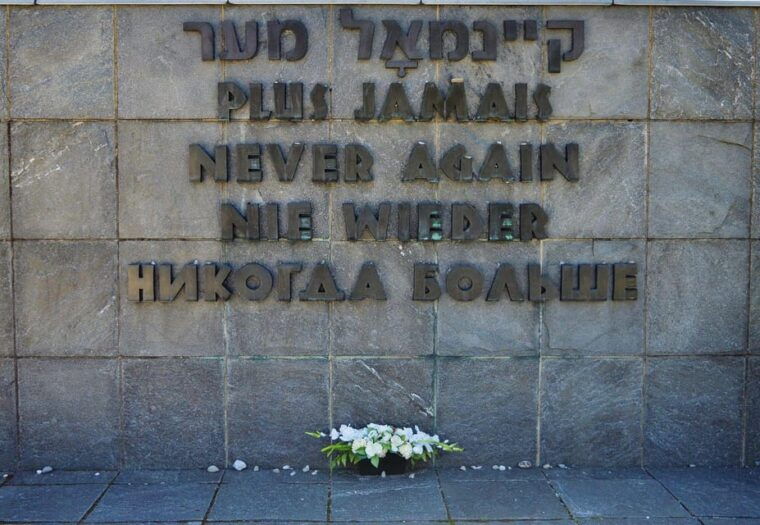
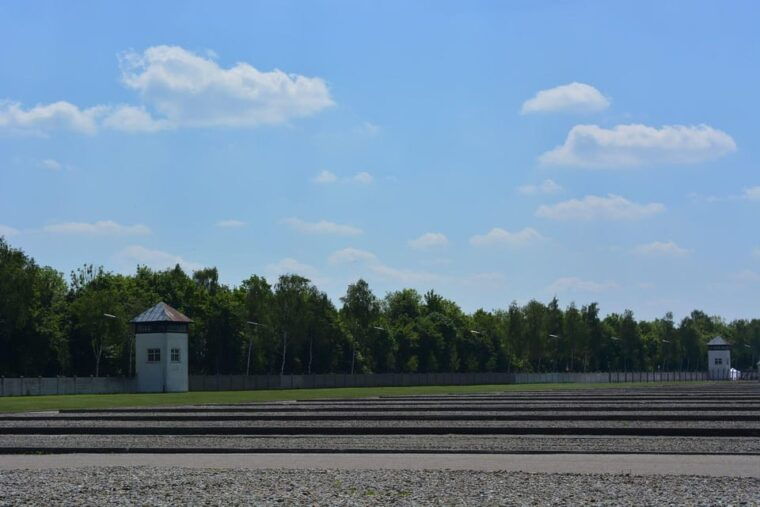
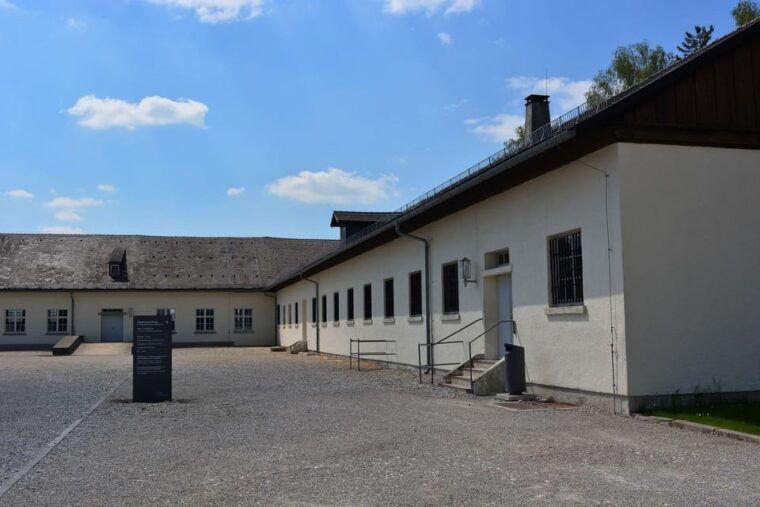
- The Dachau Memorial Site offers public tours to educate visitors about the history and horrors of the first Nazi concentration camp.
- Guided tours provide insights into the camp’s infrastructure, living conditions, and the stories of the more than 200,000 prisoners imprisoned there.
- Visitors can explore the exhibitions and memorial sites, which serve as a solemn reminder of the atrocities committed and the need for vigilance against such human cruelty.
- The tour highlights the dynamics between the powerful guards and the oppressed prisoners, including instances of resistance and small acts of kindness.
- The memorial also sheds light on the fate of Roma prisoners, who were systematically persecuted and subjected to horrific medical experiments at Dachau.
Dachau Concentration Camp: A Dark Chapter in History
Dachau Concentration Camp was the first Nazi concentration camp, opened in 1933 to imprison political prisoners.
Over the next 12 years, it held over 200,000 inmates from 34 nations. Dachau became a forced labor camp and an "Academy of Terror," training ground for the brutality that would characterize the Nazi regime.
Approximately 40,000 people were killed at Dachau before its liberation by the American army in 1945.
The camp’s dark history and the horrendous acts against humanity that occurred there serve as a stark reminder of the depths of human cruelty and the importance of vigilance against such atrocities.
You can also read our reviews of more tours and experiences in Dachau.
Understanding the Role of Guards and Prisoners
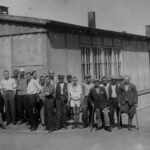
Although the Dachau Concentration Camp guards wielded immense power over the inmates, the dynamics between the two groups were intricate and multifaceted.
While guards maintained strict control and routinely inflicted cruelty, some prisoners found ways to subvert the system, forming underground networks and even orchestrating acts of resistance.
Despite the guards’ rigid control and brutal treatment, some prisoners defiantly resisted by covertly organizing and staging acts of rebellion.
Prisoners’ reactions ranged from desperate submission to defiant survival instincts. Amidst the horrors, small acts of kindness and humanity occasionally emerged, highlighting the complex interplay between oppressor and oppressed.
Ultimately, the capricious nature of the guards’ treatment shaped the prisoners’ daily experiences and determined their fates.
Gruesome Medical Experiments at Dachau
Horrific medical experiments were carried out on Dachau prisoners, subjecting them to unbearable suffering and torment.
Prisoners were subjected to freezing experiments, high-altitude experiments, and infection experiments using dangerous bacteria and viruses. Nazi doctors forced prisoners to drink seawater, tested sulfanilamide drugs, and performed mutilation surgeries.
The victims endured agonizing pain, severe injuries, and many died as a result. These inhumane acts, conducted in the name of science, demonstrated the Nazi regime’s utter disregard for human life and dignity.
Chilling survivor accounts provide a harrowing glimpse into the horrors faced by Dachau’s captives.
The Fate of Roma Prisoners: Uncovering Untold Stories
While the horrific medical experiments conducted on Dachau prisoners have been well-documented, the fates of the Roma prisoners remain largely untold.
During the Holocaust, the Nazis systematically persecuted and murdered the Roma people, viewing them as "racially inferior." At Dachau, Roma prisoners faced brutal conditions, forced labor, and heinous medical experiments. Many were killed in gas chambers or died from starvation and disease.
The true scale of Roma suffering at Dachau is difficult to quantify, as their stories were often obscured or suppressed.
The true scale of Roma suffering at Dachau is difficult to quantify, as their stories were often obscured or suppressed.
This tour aims to shed light on the untold narratives of Roma resilience and tragedy amidst the camp’s pervasive inhumanity.
More Great Tours NearbySurvivor Testimonies: Resilience Amidst Suffering
Survivor testimonies provide a powerful, human perspective on the resilience of the human spirit amidst the Dachau concentration camp’s pervasive suffering.
Through poignant first-hand accounts, visitors learn of the prisoners’ immense courage and determination to survive the horrors they faced.
Despite the inhumane conditions and brutal treatment, many inmates demonstrated remarkable fortitude, clinging to their humanity.
These gripping stories illuminate the depth of the human experience, revealing how individuals summoned inner strength to endure unimaginable cruelty.
Hearing these tales offers a profound understanding of the prisoners’ experiences and their unwavering will to live.

Exploring the Daily Life Dynamics at Dachau
How did the daily life dynamics unfold within the Dachau concentration camp? The guards maintained strict control through:
-
Regimented schedules and routines, such as mandatory roll calls and labor assignments, that deprived prisoners of autonomy.
-
Brutal tactics like physical violence, deprivation of food and sleep, and psychological torment to assert dominance and break the spirits of the inmates.
-
Establishing a hierarchy among prisoners, with "Kapos" (prisoner foremen) wielding power over their fellow captives, fostering an atmosphere of suspicion and betrayal.
These dynamics systematically eroded the humanity of both the oppressors and the oppressed within the confines of Dachau.
The Liberation of Dachau: A Pivotal Moment
The liberation of Dachau concentration camp in 1945 marked a pivotal moment that shook the world and forever changed the course of history.
After years of horrific brutality, the American army liberated the camp, uncovering the shocking scale of the Nazi’s atrocities. Piles of emaciated bodies and the sights of prisoners clinging to life painted a harrowing picture of the camp’s grim reality.
This pivotal event exposed the true nature of the Nazi regime and its systematic persecution of innocent people. The liberation of Dachau represented a critical turning point, signaling the end of the unspeakable horrors perpetrated within its walls.
The Legacy of Dachau: Remembrance and Reflection
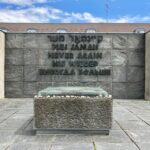
The legacy of Dachau lives on as a powerful symbol, reminding the world of the atrocities committed and the resilience of the human spirit.
The Dachau Memorial Site stands as a solemn reminder, educating visitors about the camp’s harrowing history and inspiring reflection on the human capacity for both cruelty and courage.
The site’s legacy is threefold:
-
It serves as a memorial to the tens of thousands who perished within its walls, honoring their memory and experiences.
-
It functions as a museum, preserving artifacts and stories to impart the gravity of the camp’s history.
-
It remains a place of pilgrimage, where people can grapple with the camp’s legacy and its enduring impact on the human condition.
The Sum Up
The Dachau Memorial Public Tour provides a poignant opportunity to reflect on the harrowing history of the concentration camp. Guided by knowledgeable staff, visitors gain insights into the camp’s operations, the experiences of inmates, and the enduring legacy of human resilience and vigilance against tyranny. The tour fosters a deep understanding of the atrocities committed during the Holocaust, serving as a powerful reminder of the importance of remembrance and vigilance.