If you’re interested in uncovering a lesser-known slice of Japanese culture, this Otsu-e tour in Shiga offers a fascinating peek into Japan’s Edo-period pop art. It’s a short but engaging experience that combines history, craftsmanship, and authentic artistry—all within a 1.5-hour window.
What makes this tour stand out? First, it takes you to the Otsu-e Museum, housed in a traditional temple that adds a spiritual and historical vibe. Second, it allows you to watch artisans at work in the last remaining workshop practicing centuries-old techniques. Finally, you can purchase your own Otsu-e, turning a cultural highlight into a memorable souvenir.
A potential drawback? The tour is quite brief, so it’s perfect for those with limited time or as a cultural add-on. It might not satisfy travelers craving an in-depth workshop or a deep dive into Japanese art history.
This experience suits curious travelers, art enthusiasts, and those keen to explore Japan’s lesser-told stories, especially if you’re close to Kyoto and want a meaningful, manageable cultural activity.
This experience made our article of 14 Best Tours & Experiences In Otsu.
Key Points
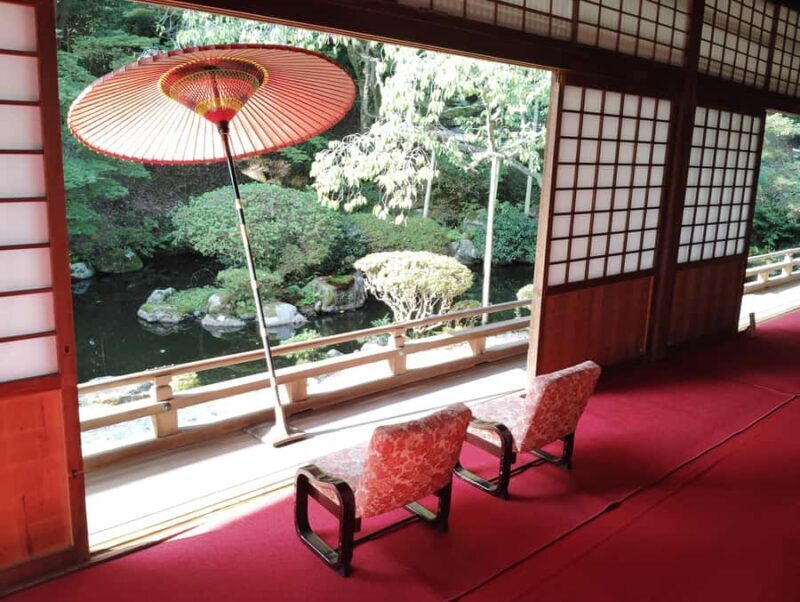
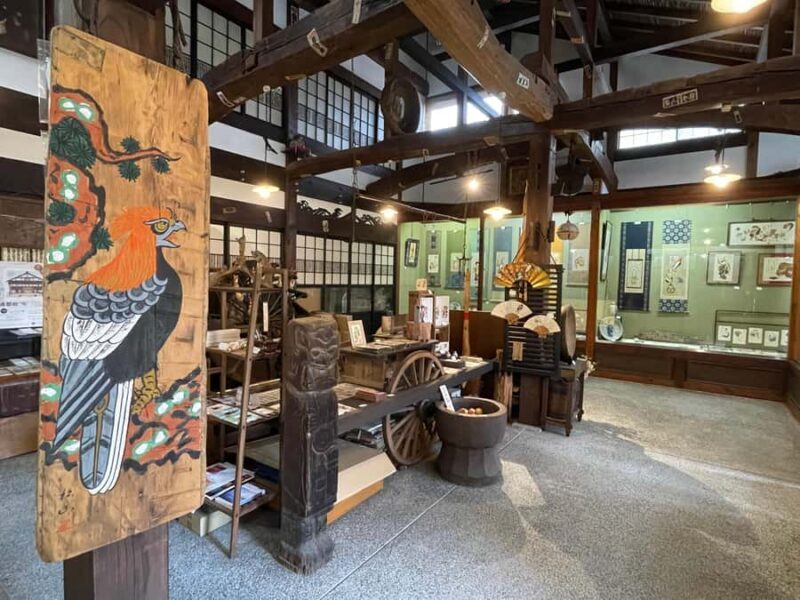
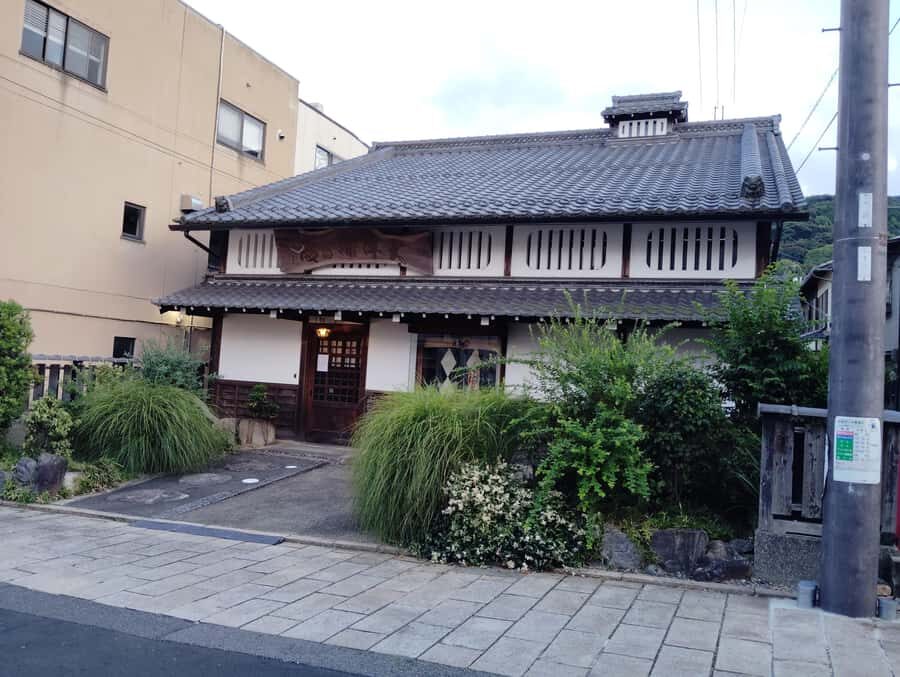
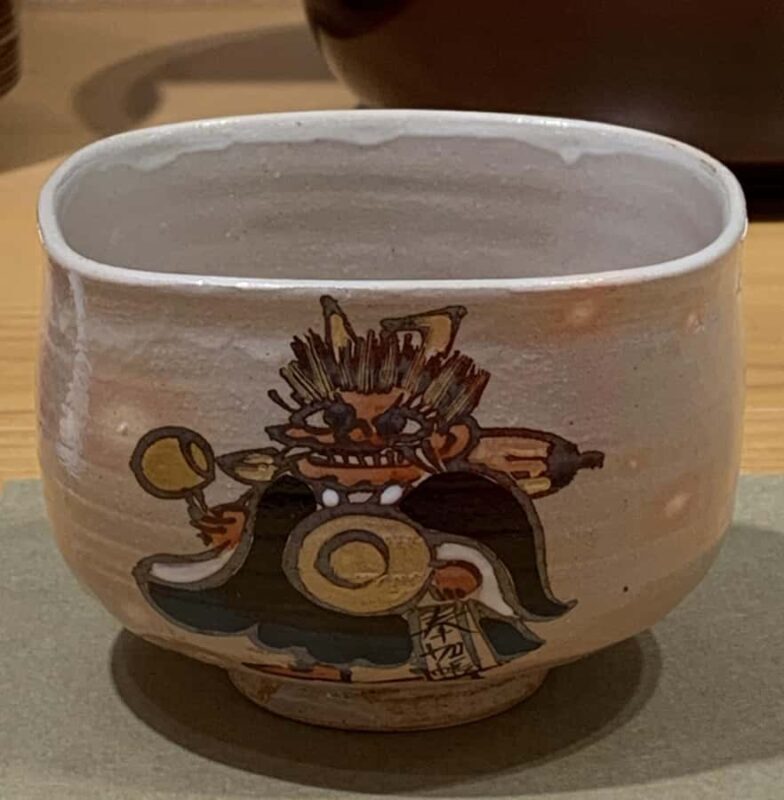
- Unique Focus: Focuses on the little-known Edo-period pop art of Otsu-e.
- Authentic Experience: You’ll see traditional techniques still being practiced today.
- Accessible Tour: Short, 1.5-hour journey ideal for a quick cultural fix.
- Includes Museum and Workshop: Combines educational and hands-on elements.
- Local Insight: Led by a knowledgeable English-speaking guide, often with reviews mentioning the friendly, informative guides.
- Opportunity to Buy: You can purchase your own artwork directly from artisans, supporting local craftspeople.
👉 See our pick of the 14 Best Tours & Experiences In Otsu
What Is Otsu-e? An Unexpected Art Treasure
Otsu-e is a form of folk art from the Edo period (1603–1868), originating in the area around Otsu, just next to Kyoto. It initially depicted Buddhist images, but over time, it evolved into a playful, satirical, and often humorous pop art style. The artworks are characterized by bold lines, vibrant colors, and themes that range from religious motifs to witty social commentary.
What makes Otsu-e particularly appealing is its approachability—these are not refined paintings meant for aristocrats but rather popular art that was accessible to common folk. Today, the tradition is rare, with only a handful of artisans continuing to produce Otsu-e using centuries-old techniques.
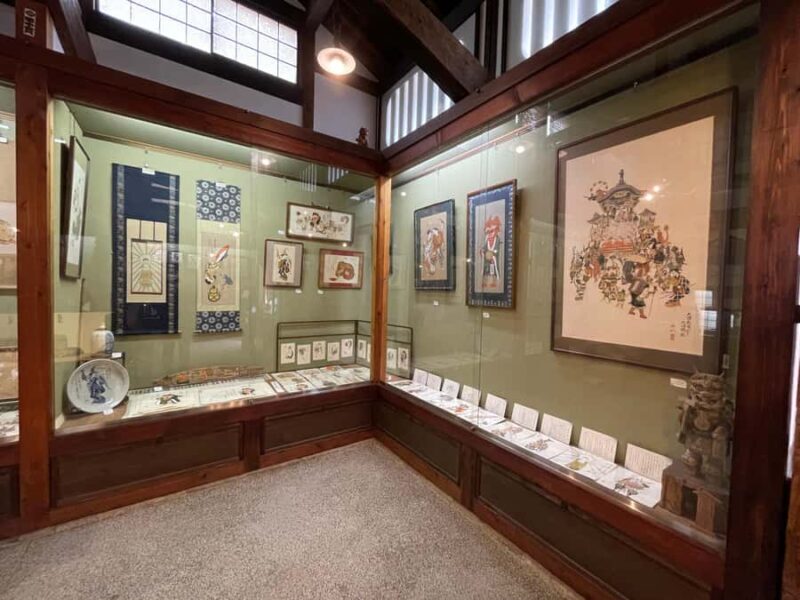
The museum housed in a traditional temple gives visitors a chance to see original works and learn about the evolution of this unique art style. The guided commentary sheds light on the themes, symbolism, and cultural context of the pieces, which might otherwise seem whimsical or simple at first glance.
You can also read our reviews of more tours and experiences in Otsu.


The Guided Tour Experience: What to Expect
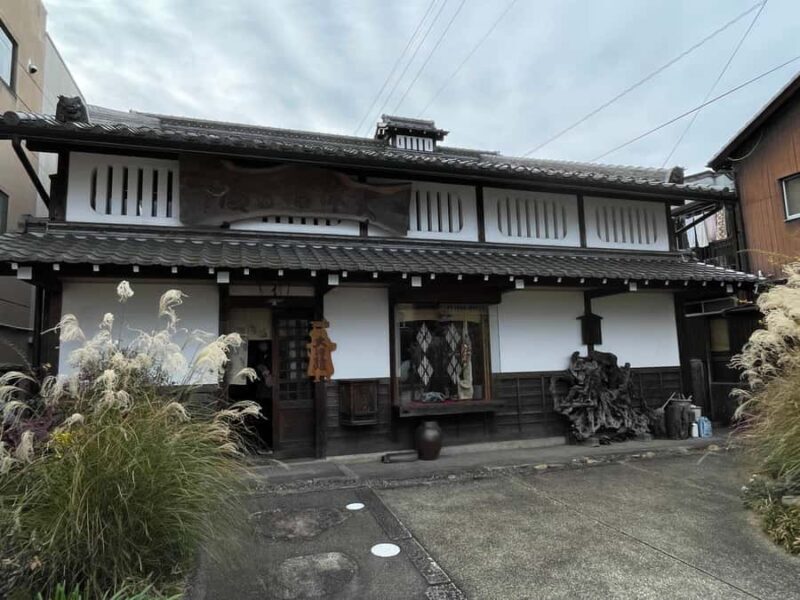
Meeting your guide outside Tsu City Hall-mae Station, you’ll quickly head to the Otsu-e Museum, easily recognizable with its traditional architecture and serene atmosphere. The guide, often praised for their friendliness and depth of knowledge, provides a detailed overview of Otsu-e’s origins and how it reflected the social and spiritual life of Edo-era Japan.
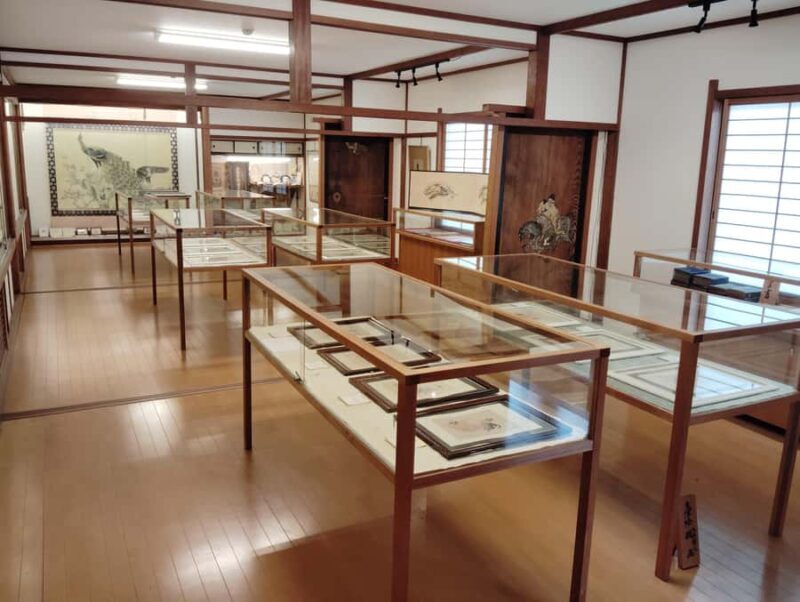
You’ll spend about 45 minutes walking through the museum, which houses a curated collection of original Otsu-e pieces. The guide explains the artistic themes and the folk stories or satirical messages behind the works, giving you context that makes the art more engaging.
Next, the tour shifts to the last remaining workshop, where you’ll observe artisans practicing traditional techniques. This is a prime opportunity to see how the vibrant colors are applied, the brushwork, and the craftsmanship involved—a rare chance to see such practices still alive today.
The workshop is an active space, and some artisans are happy to answer questions or discuss their inspiration and methods. You can even purchase your favorite piece directly from the artist, often at prices that reflect the work’s authenticity rather than just its tourism appeal. Several reviewers appreciated the chance to buy original Otsu-e pieces, which they described as “a meaningful souvenir” and “a real piece of Japanese folk art.”
Deep Dive into the Itinerary
Starting point: The tour begins at Tsu City Hall-mae Station, a convenient location for those traveling from Kyoto or nearby cities. The guide will be holding a yellow sign—easy to spot.
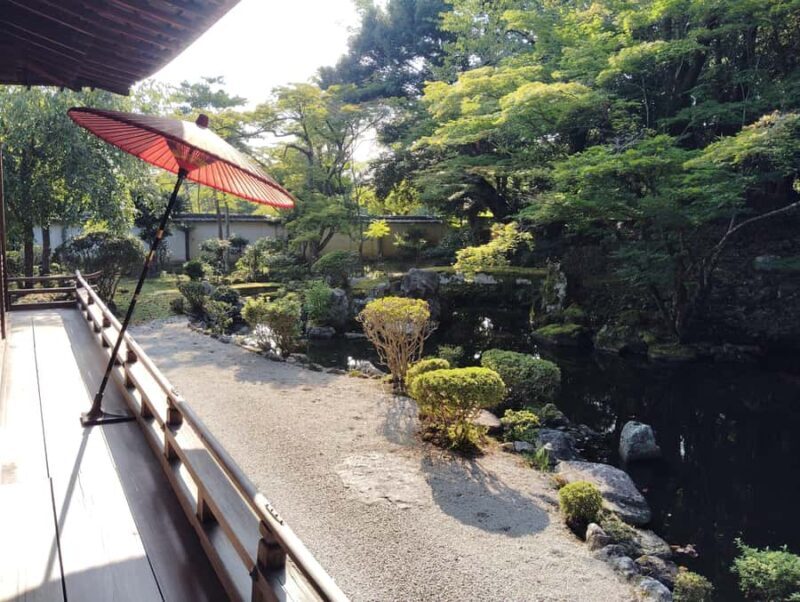
First stop: The Otsu-e Museum—a small but thoughtfully curated space set within a traditional temple. Here, you’ll see a variety of artworks, from religious icons to playful satirical pieces. Visitors often mention that the museum’s layout feels immersive, enhanced by the temple’s tranquil atmosphere.
Second stop: The last remaining workshop—the heart of this experience. Artisans practice techniques in traditional settings, demonstrating how bold lines and bright colors come to life. Reviewers note that seeing the process up close makes the art feel more genuine and valuable.
End point: The tour concludes back at the starting location or nearby, giving you flexibility for the rest of your day in Otsu or Kyoto.
Why This Tour Offers Great Value
While priced for a short experience, the combination of museum visit, workshop observation, and opportunity to purchase art provides solid value for culture lovers. The personalized private group setting ensures a more intimate experience, with your guide’s insights making the art more accessible.
Compared to larger, more commercialized tours, this experience’s focus on authentic craftsmanship and local history makes it a genuine cultural highlight. Plus, the pay later reservation system offers flexibility, especially if your plans change unexpectedly.
More Great Tours NearbyPractical Tips for Travelers
- Wear comfortable shoes—there’s some walking involved, and the workshop space can be a bit uneven.
- Bring a camera—the vibrant artworks and traditional settings make for wonderful photos.
- Allocate enough time if you’re interested in purchasing art; it’s worth chatting with artisans about their work.
- Consider combining this with other cultural activities in Otsu or nearby Kyoto, as the tour is short but rich.


Who Will Love This Tour?
This experience is perfect for art lovers and cultural explorers who enjoy learning about traditional crafts. It suits travelers with limited time but a desire to connect with Japan’s lesser-known folk art. With its focus on authentic technique and storytelling, it offers a meaningful glimpse into Japan’s Edo-era creativity.
If you’re curious about folk art, satire, or religious iconography, this tour will deepen your understanding of popular culture’s role in history. It’s also a good pick for those looking for a quiet, contemplative experience away from the busy tourist spots.
Frequently Asked Questions
Is this tour suitable for children?
Yes, children with an interest in art or Japanese culture will find it engaging, but it’s best suited for those old enough to appreciate the detailed explanations and participate in the workshop.
How long does the tour last?
The entire experience takes approximately 1.5 hours, making it a manageable addition to your day.
Do I need to book in advance?
Yes, booking is recommended as the tour is run as a private experience, and you can cancel up to 24 hours in advance for a full refund.
Is there an age limit?
There is no specified age limit, but very young children might find the duration and focus on detailed art less appealing.
Can I buy artwork during the tour?
Absolutely. The artisans often sell their Otsu-e pieces directly, offering a chance to bring home a unique piece of Japanese folk art.
What language is the tour conducted in?
The tour is led by an English-speaking guide, making it accessible to international travelers.
Is transportation included?
Transportation is not included; you meet directly at Tsu City Hall-mae Station. Walking between the museum and workshop is part of the experience.
Are there any physical requirements?
The tour involves some walking and standing, especially at the workshop, but it’s generally accessible for most visitors.
Can I combine this tour with other activities?
Yes, many visitors pair it with sightseeing in Otsu or a day trip from Kyoto. Its short duration makes it easy to fit into a busy schedule.
This tour offers a compact yet rich glimpse into Japan’s Edo-era folk art, with hands-on insights that go beyond static museum displays. Ideal for cultural connoisseurs and curious travelers alike, it’s an authentic way to understand and support traditional craftsmanship.
📍 This experience made our list of the 14 best Tours & Experiences in Otsu