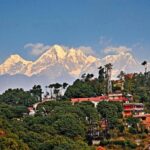
Planning a trek in Nepal often means considering the popular Everest or Annapurna routes, but for those craving solitude and authentic Himalayan encounters, the Kanchenjunga Conservation Trek offers an extraordinary alternative. This 24-day adventure takes you through some of Nepal’s most pristine landscapes, away from the crowds, with the reward of breathtaking mountain vistas and culture.
From towering peaks like Mt. Kanchanjunga—the world’s third-highest mountain—to traditional Limbu, Rai, and Sherpa villages, this journey promises a mix of natural beauty and cultural richness. While the trek is physically demanding and requires a good level of high-altitude experience, the sense of achievement and the raw, untouched scenery make it well worth the effort.
Three things we love about this trek include its isolated mountain views, cultural encounters with local communities, and the chance to walk through glacial valleys and alpine forests. However, keep in mind that the itinerary is flexible depending on weather, and certain sections involve off-road driving on rugged terrain, which could test your patience.
This experience suits adventurous trekkers with some high-altitude experience, those looking to escape tourist-heavy routes, and travelers eager for a genuine Himalayan wilderness journey.
- Key Points
- An In-Depth Look at the Kanchenjunga Conservation Trek
- Setting the Scene: Starting from Kathmandu and Reaching the Trailhead
- The First Stages: Trekking through Forests and Small Villages
- Ghunsa: The Cultural and Acclimatization Hub
- Approaching the Glaciers: Kambachen and Lhonak
- Crossing the High Passes and Reaching the South Base Camp
- Looping Back: The Return Through Forests and Villages
- Returning to Kathmandu and Relaxing
- Practical Insights and Tips
- Authentic Experiences: What Sets This Trek Apart
- Challenges to Consider
- Final Thoughts
- FAQs
- The Best Of Kathmandu!
- More Hiking & Trekking Tours in Kathmandu
- More Tour Reviews in Kathmandu
Key Points
 1 / 5
1 / 5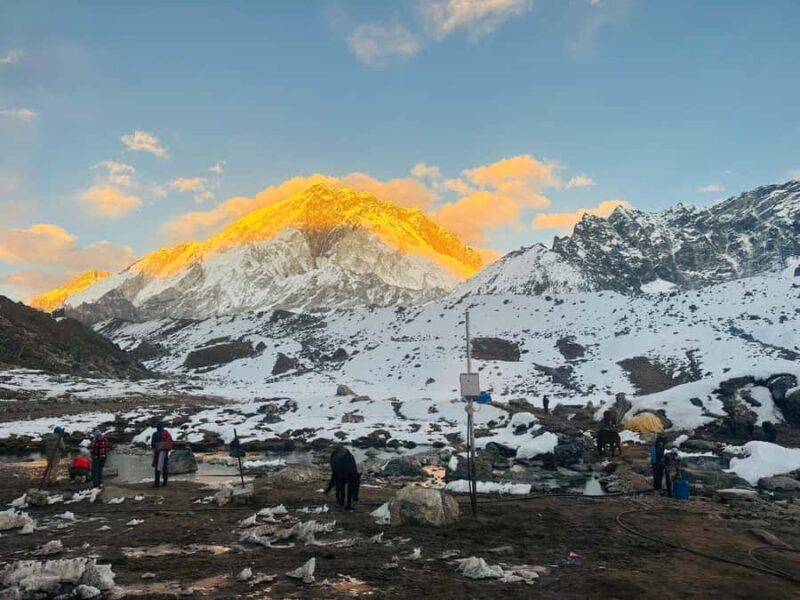 2 / 5
2 / 5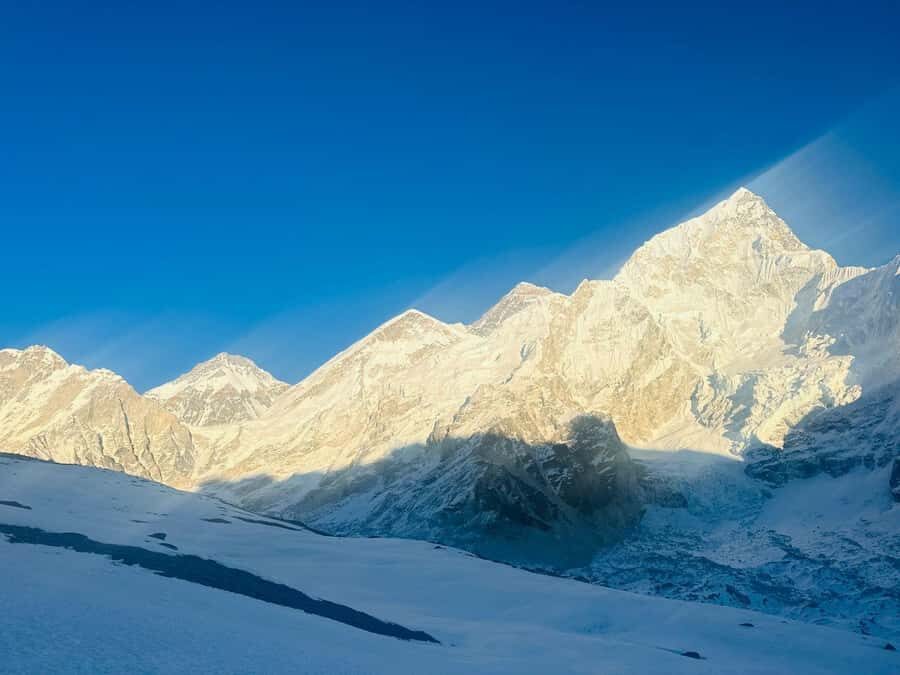 3 / 5
3 / 5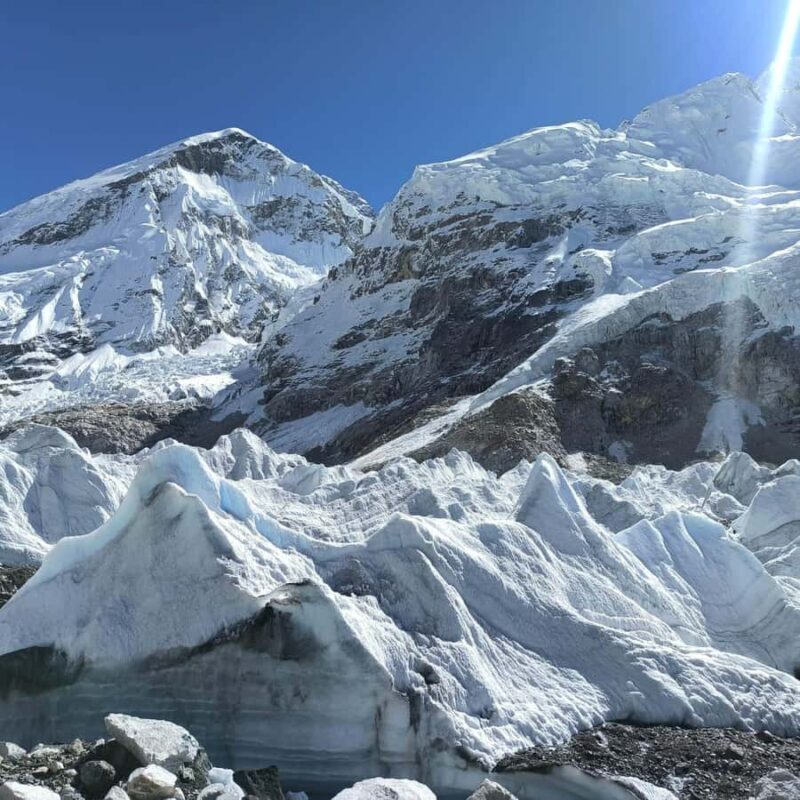 4 / 5
4 / 5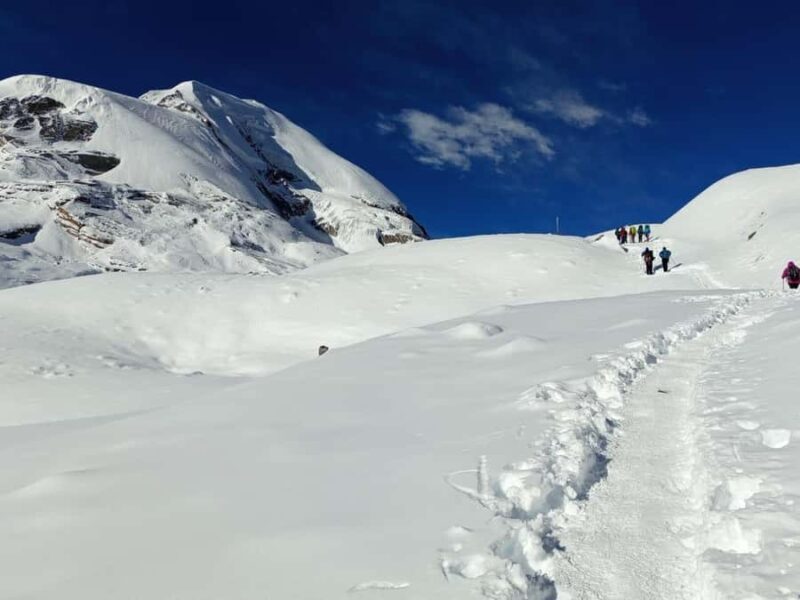 5 / 5
5 / 5- Authentic remote experience away from crowded trails
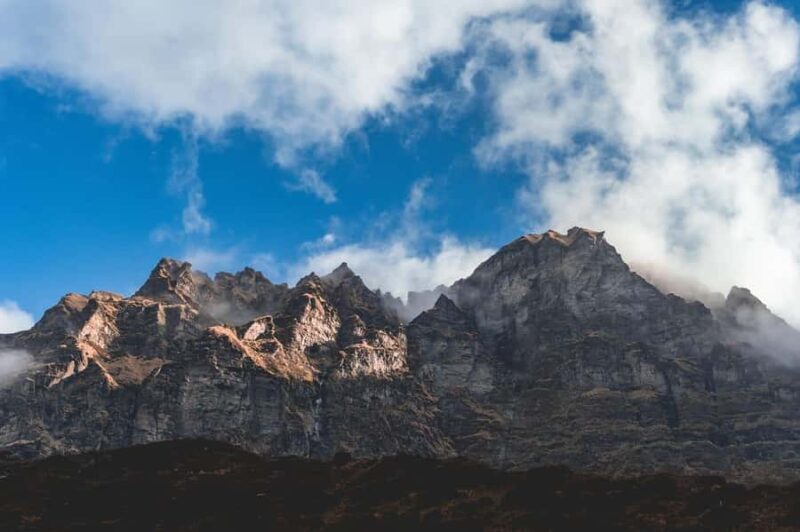
- Stunning panoramic views of Kanchanjunga, Jannu, Kabru, and Rathong peaks
- Cultural immersion in Limbu, Rai, and Sherpa villages
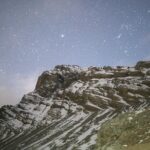
- Glacial landscapes and alpine forests that showcase unspoiled nature
- Challenging terrain requiring good fitness and acclimatization
- Flexible itinerary with opportunities for acclimatization and rest
👉 See our pick of the Discover 12 Great Airport Transfers In Kathmandu
An In-Depth Look at the Kanchenjunga Conservation Trek
You can also read our reviews of more hiking tours in Kathmandu
Setting the Scene: Starting from Kathmandu and Reaching the Trailhead
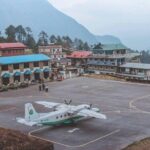
Your journey kicks off in Nepal’s bustling capital, Kathmandu, where a transfer to your hotel sets the stage for this adventure. The day is filled with anticipation, and you’ll meet your guide, who’s usually experienced with the region’s unique challenges. After a briefing, you fly from Kathmandu to Bhadrapur, a quick flight that offers stunning views of the Himalayas from above—an exciting start.
From Bhadrapur, you’ll embark on a scenic drive through eastern Nepal, passing lush hillsides and terraced farms. The drive to Ilam, famous for its tea plantations, might seem leisurely, but it’s a good chance to soak in the countryside. The next leg involves an off-road drive along the Tamor River to Sekathum, where the real trek begins.
The First Stages: Trekking through Forests and Small Villages
Your initial days are about acclimatization and gentle introductions to the landscape. The trail from Sekathum to Amjilosa is steep but rewarding, winding through dense forests that your guides say are home to a variety of Himalayan flora and fauna.
As you climb, waterfalls cascade down rocky slopes, and you pass through Tibetan-influenced settlements. Gyabla, your next stop, is a traditional village where you can get a sense of local life. Staying in these remote communities, you’ll notice the warmth of the people and their simple, welcoming way of life.
Ghunsa: The Cultural and Acclimatization Hub
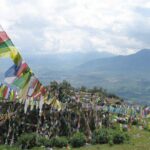
Reaching Ghunsa is a highlight, as it’s an important acclimatization point and a hub for trekkers. The Sherpa community here is proud of its traditions, and many houses display intricate prayer flags and Buddhist symbols. Guests often mention the importance of taking an extra day here for acclimatization, especially if you’re coming from lower altitudes.
More Great Tours NearbyApproaching the Glaciers: Kambachen and Lhonak
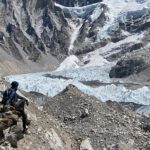
From Ghunsa, the trail gets more rugged. Trekking to Kambachen involves rocky paths and spectacular mountain scenery, with views of Himalayan glaciers in the distance. Continuing to Lhonak, you’ll find an expansive glacial valley, with the stark beauty of ice and rock dominating the landscape.
Here, the trek becomes more challenging, but the chance to visit the North Base Camp at Pang Pema (around 5,143 meters) offers a surreal experience. Multiple reviews praise the views from Pang Pema, with one describing it as “a jaw-dropping panorama of the Himalayas that leaves you quietly speechless.”

Crossing the High Passes and Reaching the South Base Camp
The trail takes you over Sele La Pass, a high-altitude crossing that offers sweeping views of the surrounding peaks. The ascent is tough, but the sense of achievement is immense once you reach the pass, which marks a significant milestone.
Descending into Tseram and then Ramche, you’ll explore the South Base Camp at Oktang, a quieter, less touristy alternative to other base camps. The landscape here is a stark contrast—vast, open, with glaciers and rugged terrain. Many trekkers appreciate the serenity and the feeling of being far from civilization.
Looping Back: The Return Through Forests and Villages
Retracing your steps, you’ll descend through lush forests and river valleys to Ghunsa, then continue southward toward lower-altitude villages like Yamphudin and Khebang. The trek offers a chance to reflect on the journey and enjoy the changing scenery.
This section is noteworthy for the diverse ethnic communities—Limbu and Rai cultures flourish in these villages, and many guests find the cultural exposure enriching. People often mention the warmth and hospitality of the locals, which adds a human dimension to the trek.
Returning to Kathmandu and Relaxing
After completing the trekking phase, you’ll drive back to Bhadrapur, fly to Kathmandu, and enjoy a leisure day. Many travelers use this time for sightseeing or unwinding before departure. The return flight offers a final glimpse of the Himalayan giants, leaving you with unforgettable memories.
Practical Insights and Tips
Transportation & Logistics: The journey involves a domestic flight from Kathmandu to Bhadrapur, followed by a long drive into the mountains. The off-road vehicle sections can be bumpy, so pack accordingly. During the trek, you’ll walk on rocky, sometimes uneven trails, often carrying a daypack.
Group Size & Guides: The tour is operated as a private group, meaning you’ll have personalized attention and a flexible schedule. Guides speak multiple languages, including English, Hindi, Korean, and Nepali, and are experienced in high-altitude trekking and safety protocols.
Weather & Timing: Weather conditions can impact the itinerary, especially at higher elevations. The best times tend to be during the pre-monsoon (spring) and post-monsoon (autumn) seasons, when skies are clearer. Flexibility is built into the schedule to accommodate weather delays.
Altitude & Acclimatization: This trek reaches over 5,000 meters at Pang Pema, so proper acclimatization days are built in. Many travelers mention the importance of staying hydrated and taking acclimatization seriously to avoid altitude sickness.
Cost & Value: While the trek isn’t cheap, its value is reflected in the remote nature, guided support, permits, and logistical arrangements. It’s a true wilderness experience that’s hard to replicate on a self-guided trip.
Authentic Experiences: What Sets This Trek Apart
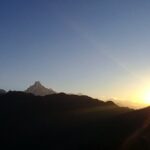
One of the most praised aspects, based on reviews, is the stunning mountain views that stay with you long after the trek ends. Seeing Kanchanjunga and surrounding peaks up close is a thrill that exceeds expectations. Several hikers mention that the views from Pang Pema are “jaw-dropping,” offering a sense of scale that is difficult to match.
The cultural encounters are equally memorable. Staying in traditional villages where locals still practice their customs provides insights into Himalayan life rarely experienced on busier routes. Guests often note the warmth of the community and the opportunity to learn about Limbu, Rai, and Sherpa traditions firsthand.
Challenges to Consider
The trek’s remote nature means long drive sections and rugged trails, which can test your patience and physical endurance. It isn’t suitable as a first high-altitude trek, especially without prior experience. Weather unpredictability might cause minor delays or adjustments, so travelers should be flexible and prepared for changing conditions.
Final Thoughts
The Kanchenjunga Conservation Trek is a rare chance to experience Nepal’s Himalayas away from the crowds, in an area that offers stunning natural beauty and authentic cultural interactions. It is best suited for adventurous trekkers seeking a physically demanding but deeply rewarding journey.
While the logistics and altitude make it a challenging option, the rewards—pristine landscapes, panoramic views, and genuine local hospitality—are unforgettable. If you want a trek that feels truly off the beaten path, this is an excellent choice.
FAQs
What is the main highlight of this trek?
The breathtaking views of Mt. Kanchanjunga and the surrounding peaks, especially from Pang Pema, are the main highlights. The remote scenery and peaceful villages also stand out.
How physically demanding is the trek?
It’s quite challenging, involving high-altitude walking over rugged trails and steep ascents. Previous high-altitude trekking experience is recommended.
Is acclimatization included?
Yes, there are designated rest days such as in Ghunsa to help adapt to altitude. The itinerary is designed to minimize altitude sickness risks, but travelers should stay hydrated and listen to their bodies.
Can I join as a solo traveler?
This trek operates as a private group, so it’s best suited for groups or couples, but solo travelers can join if they book as a private group.
What kind of terrain will I encounter?
Expect forest trails, rocky paths, glacier valleys, high mountain passes, and open alpine landscapes. Some sections involve driving on rough, off-road tracks.
Are permits included?
Yes, the tour package covers the necessary permits for the Kanchenjunga Conservation Area, which is essential for accessing this remote region.
How long is the flight back to Kathmandu?
The return flight from Bhadrapur to Kathmandu takes about an hour, offering a quick and scenic way back from the mountains.
In summary, the Kanchenjunga Conservation Trek offers an adventure filled with stunning vistas, cultural treasures, and the satisfaction of visiting a less-traveled part of the Himalayas. It’s a journey for those who seek genuine wilderness, are prepared for challenging terrain, and want to connect deeply with Nepal’s mountain communities.
You can check availability for your dates here: