Exploring Kyoto often means wandering through centuries-old temples and shrines, but this tour takes you beyond the usual sightseeing to uncover some lesser-known treasures with a focus on authentic experience. It’s a perfect blend of ancient architecture, spiritual rituals, and delicious local treats, all packed into just three hours.
What makes this experience stand out? First, the chance to explore Daitokuji’s tranquil grounds and see features not normally open to the public, like the Hatto (Dharma Hall) and the Kyozo (Sutra Library). Second, the visit to Imamiya Shrine offers a hands-on ritual—lifting the Ahokashi-san Stone—that feels surprisingly personal and meaningful. Lastly, the Aburi-mochi at a 400-year-old teahouse delivers a memorable taste of Kyoto’s culinary traditions.
A possible consideration? The tour involves quite a bit of walking, and the group size is limited to ten, which is great for intimacy but might not suit travelers who prefer larger, more casual group tours. It’s also focused on a winter visit, so bundling up is recommended.
This experience suits travelers who appreciate history, culture, and authentic local flavors, particularly those interested in spiritual sites and small-group guided insights.
- Key Points
- A Closer Look at the Experience
- Starting Point and Logistics
- Exploring Daitokuji
- Inside the Hatto and Kyozo
- Imamiya Shrine and the Wish Stone Ritual
- Local Tasting: Aburi-mochi
- The Practicalities of the Tour
- Duration and Group Size
- Cost and Value
- Weather and Preparation
- Accessibility
- Authentic Insights from Past Participants
- Who Is This Tour Best For?
- Summary
- FAQ
- The Best Of Kyoto!
- More Food & Drink Experiences in Kyoto
- More Tour Reviews in Kyoto
Key Points
 1 / 5
1 / 5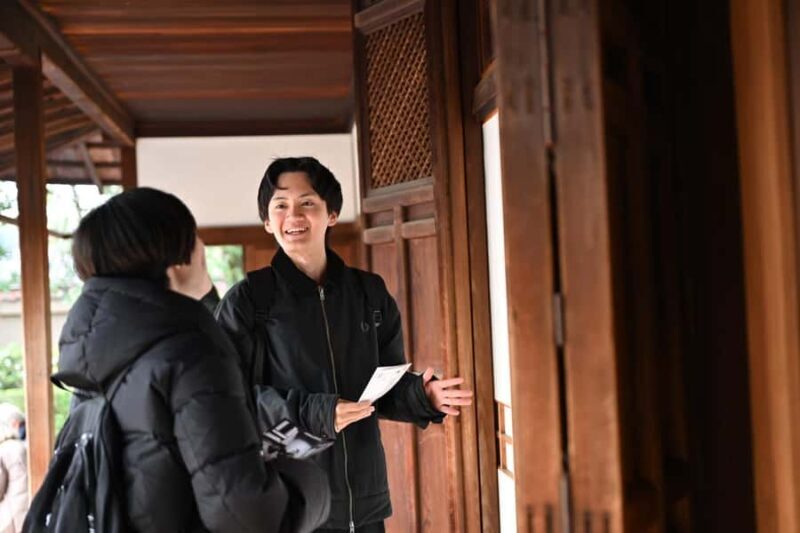 2 / 5
2 / 5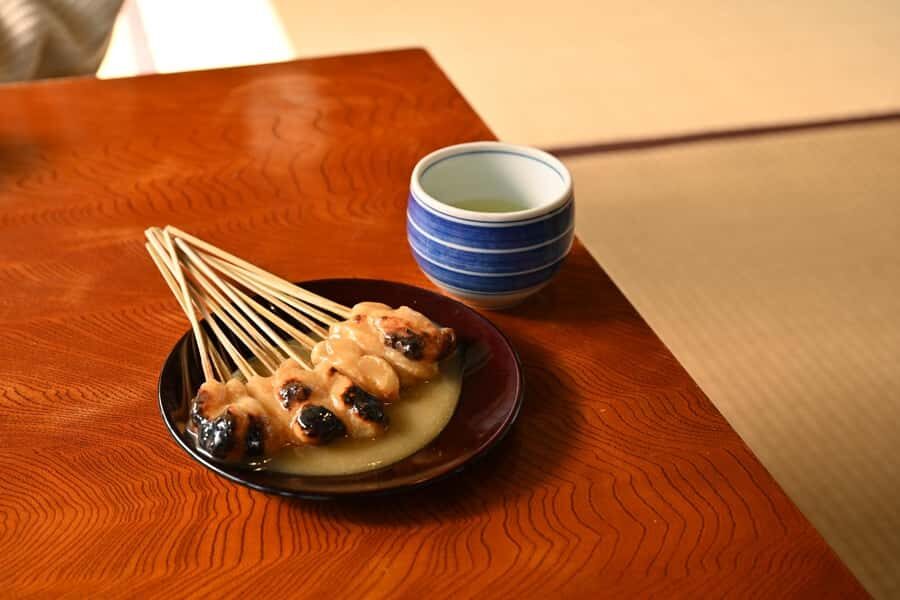 3 / 5
3 / 5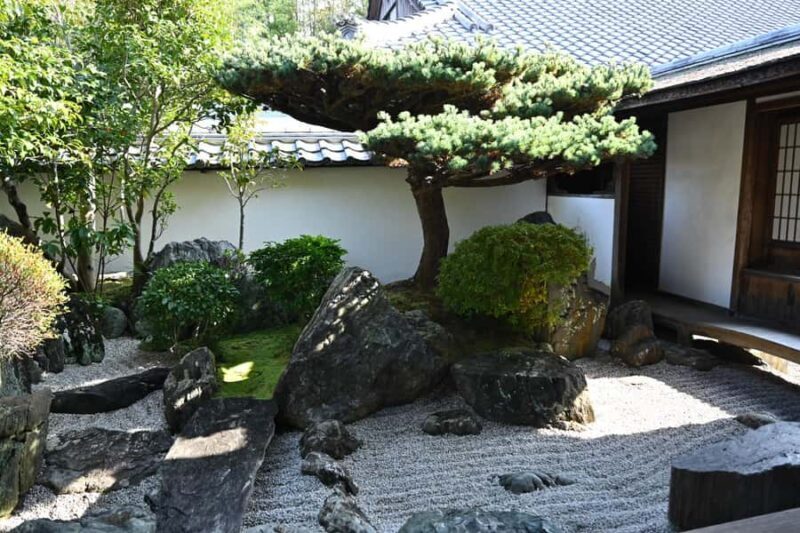 4 / 5
4 / 5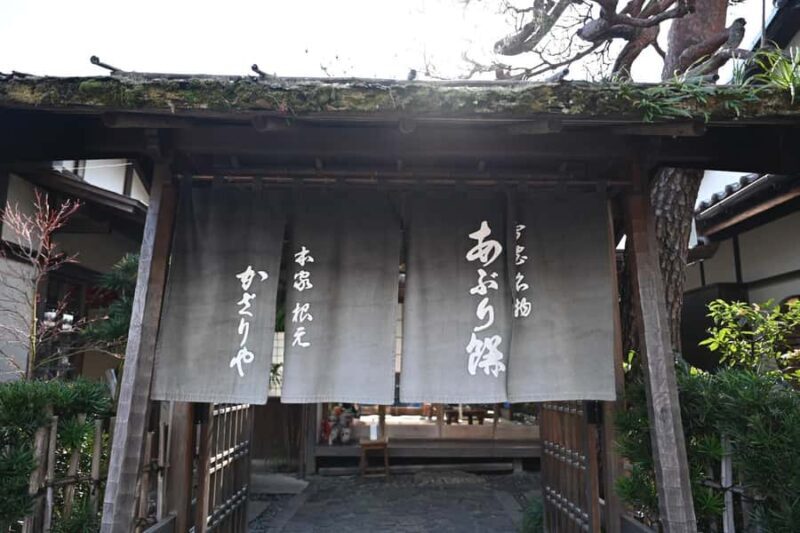 5 / 5
5 / 5- Authentic Hidden Gems: Special access to often-closed areas of Daitokuji, like the Hatto and Kyozo.
- Cultural Rituals: Hands-on wish divination at Imamiya Shrine offers a unique, personal touch.
- Historical Architecture: Daisen-in’s 500-year-old entrance and the dry landscape garden highlight Muromachi-period design.
- Culinary Experience: Savoring the famous Aburi-mochi at a centuries-old teahouse provides a true taste of Kyoto.
- Guided Insight: Knowledgeable guides, like those from Sharing Kyoto enrich each stop with detailed stories.
- Limited Group Size: Small groups ensure personalized attention and a more intimate experience.
👉 See our pick of the We Rank Kyoto’s 15 Top Tours & Experiences
A Closer Look at the Experience
You can also read our reviews of more food & drink experiences in Kyoto



Starting Point and Logistics
The tour begins at the Daitokuji Main Gate (So-mon), conveniently located about a 10-minute walk from the Daitokuji-mae bus stop. It’s a practical starting point, and the short walk already sets the tone for gentle exploration. The entire experience lasts approximately 3 hours, making it a manageable addition to a busy Kyoto itinerary.
Exploring Daitokuji
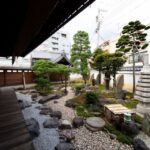
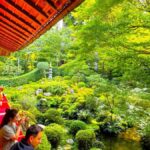
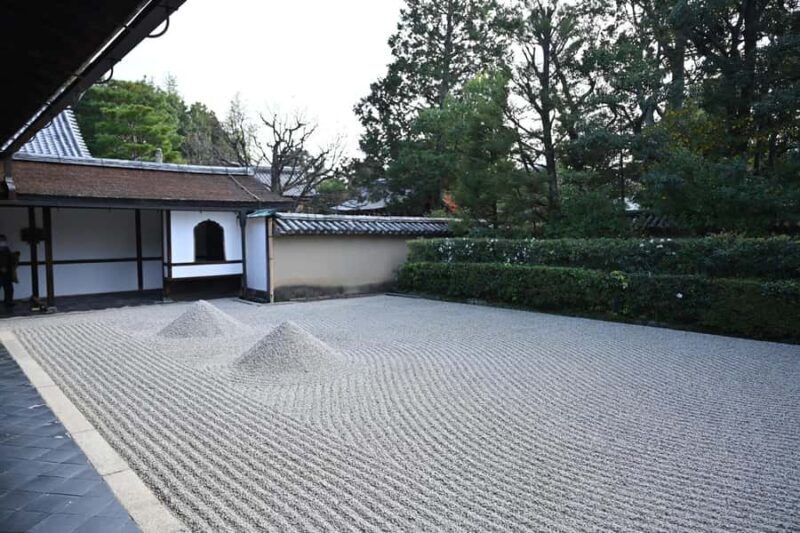
Daitokuji is a sprawling Zen temple complex founded in 1509, and it’s packed with highlights that reveal the meditative, artistic spirit of Zen Buddhism. We particularly loved the Daisen-in, which retains its original appearance after more than 500 years. The dry landscape garden (karesansui) here is a standout, showcasing the Muromachi period’s mastery in minimalist yet profound design.
What’s special about this part? The world of “ink wash painting” is expressed on a small scale but with incredible depth in this compact space. It’s a rare chance to see a historical temple’s core features without the usual crowds.
Inside the Hatto and Kyozo
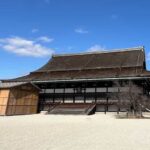
The Hatto and Kyozo are normally off-limits, so their inclusion is a real highlight. Inside the Hatto, you’ll experience unique acoustics where clapping your hands under the “Nakiryu” (Crying Dragon) ceiling creates echoes that seem to carry spiritual significance—something many visitors describe as mystical or even surreal.
The Kyozo, opened just for this tour, features the Octagonal Revolving Sutra Shelf, a mechanism that rotates Buddhist scriptures. It’s believed that turning the shelf once equates to reading all the scriptures inside, a fascinating concept that adds a playful yet reverent dimension to the visit.
More Great Tours NearbyImamiya Shrine and the Wish Stone Ritual
Next, the group heads to Imamiya Shrine, known for its role in protecting Kyoto from plagues and disasters. The Ahokashi-san Stone is a memorable aspect—here, you lift the stone to gauge its original weight, then stroke it while making a heartfelt wish. Lifting it again and feeling if it’s lighter is believed to predict the wish’s likelihood of coming true. Several reviews highlight how surprisingly engaging and personal this ritual feels, as if you’re participating in a local secret.

Local Tasting: Aburi-mochi
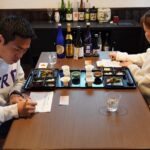
The final taste of the day is Aburi-mochi, grilled rice cakes brushed with a secret house sauce that balances sweetness and savory miso. This snack, served at a 400-year-old teahouse, offers a genuine Kyoto flavor and a perfect way to connect with local culinary traditions. The smoky aroma and rich taste make it an unforgettable treat, especially in winter when the warmth adds to the experience.
The Practicalities of the Tour
Duration and Group Size
At just 3 hours with a limit of ten participants, the tour offers an intimate atmosphere, allowing guides to provide personalized insights. The small group setting tends to foster a relaxed environment, perfect for asking questions and soaking in the details.
Cost and Value
While the exact price isn’t specified here, this tour’s focus on special access, expert guidance, and authentic tastings suggests it offers good value. The inclusion of typically restricted areas like the Hatto and Kyozo makes it stand out compared to standard temple visits. Plus, the hands-on ritual at Imamiya Shrine is an experience you won’t find in typical sightseeing.
Weather and Preparation
Since the tour takes place in winter, bringing warm clothing and comfortable shoes is essential. You’ll be walking quite a bit, often outdoors, so layers and sturdy footwear will ensure you stay comfortable.
Accessibility
Note that the tour isn’t suitable for wheelchair users or babies under one year, mainly due to the walking involved and the nature of the sites visited. Baby strollers are not allowed, so plan accordingly.
Authentic Insights from Past Participants
Multiple reviewers mention that the special access to the Hatto and Kyozo was a highlight, with one describing the Nakiryu ceiling acoustics as “surreal.” Others appreciated the personal ritual experience at Imamiya Shrine, noting it felt very “hands-on” and meaningful.
Some reviewers also point out that timing is important—arriving dressed warmly in winter makes the experience all the more enjoyable, especially during the outdoor walk and temple visits.
Who Is This Tour Best For?
This tour is ideal for history buffs and culture lovers who want more than just surface-level sights. It caters well to those interested in spiritual practices, architecture, and traditional cuisine. If you appreciate small-group experiences that emphasize authenticity and insider access, you’ll find this tour rewarding.
It’s less suitable if you prefer long, leisurely sightseeing with fewer physical demands or if you have mobility restrictions. But for curious travelers eager to explore Kyoto’s spiritual heart with a local touch, this tour offers a compelling mix of history, ritual, and flavor.
Summary
This guided tour in Kyoto offers a well-balanced blend of hidden temple treasures, engaging rituals, and delicious local snacks. Small-group access to normally restricted areas like Daitokuji’s Hatto and Kyozo, along with the chance to participate in a wish divination ritual, makes it a rare opportunity. The highlight is the combination of learning about Zen architecture and practices while enjoying authentic Kyoto flavors like Aburi-mochi.
While it’s a fairly short experience, the depth of insight and the intimacy of the small group make it highly valuable for those passionate about discovering Kyoto beyond the typical tourist spots. It’s especially suitable for curious, culturally-minded travelers who enjoy meaningful interactions and local experiences wrapped into a manageable time frame.
FAQ
Is this tour suitable for children?
The tour is not suitable for babies under 1 year or those in strollers due to walking and the nature of the sites visited.
What should I wear?
Warm clothing and comfortable shoes are recommended, especially as the tour takes place in winter and involves outdoor walking.
How long is the tour?
The tour lasts approximately 3 hours, making it an easy addition to your Kyoto itinerary without being overly tiring.
Does the tour include transportation?
No, the tour starts at the Daitokuji Main Gate, about a 10-minute walk from the bus stop “Daitokuji-mae.”
What makes the access to Hatto and Kyozo special?
These areas are usually closed to the public for training and rituals, so their inclusion offers a rare glimpse into temple life beyond tourist crowds.
How authentic is the tasting experience?
The Aburi-mochi served at a 400-year-old teahouse is a genuine Kyoto tradition, grilled over Bincho charcoal with a secret house sauce.
Can I join this tour if I have mobility issues?
No, the tour involves walking and is not suitable for wheelchair users or those with limited mobility.
What is the significance of the wish stone at Imamiya Shrine?
Lifting the Ahokashi-san Stone to gauge its weight and then stroking it while making a wish is believed to make your wish come true if it feels lighter afterward.
Is there any free cancellation?
Yes, you can cancel up to 24 hours in advance for a full refund, offering flexibility if your plans change.
This tour provides a thoughtful, engaging way to deepen your Kyoto experience, blending history, spirituality, and local flavor into a compact package that’s hard to beat.
You can check availability for your dates here: