Planning a trek to Everest Base Camp can seem daunting, but with the right guide and preparation, it turns into an unforgettable journey. We’ve reviewed a highly-rated 12-day trek offered by Trek Venture Nepal, which features expert local guides, cultural experiences, and spectacular mountain views. Whether you’re an avid hiker or a curious adventurer, this trek promises a mix of stunning scenery, authentic Sherpa culture, and a well-structured itinerary.
What stands out for us are the guides’ deep local knowledge, the thoughtful inclusion of cultural stops like Sherpa villages, and the overall value—especially considering all the logistics covered. That said, it’s important to remember this trek is moderately difficult, so good physical fitness and mental preparedness help ensure you enjoy every step.
One thing to consider is that some amenities, like Wi-Fi or attached bathrooms, are not included, which is typical for high-altitude trekking but worth noting if you prefer more comfort. This trip is best suited for those with moderate fitness levels who seek an authentic mountain experience combined with professional guidance and culture.
Key Points
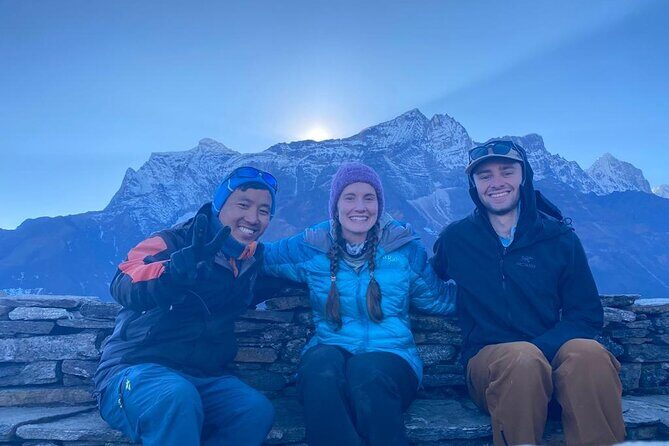
- Expert local guides make the difference, sharing insider knowledge and warmth.
- Cultural experiences like Sherpa folk songs and village visits add depth beyond just the mountain views.
- Value for money is high, with inclusive flights, permits, guidance, and basic accommodations.
- Flexible itinerary with options for acclimatization and iconic photo stops like Kala Patthar.
- Physical readiness is important, as the trek is moderate but involves several challenging days.
- Limited amenities in some areas mean packing smart and managing expectations for comfort.
👉 See our pick of the Discover 12 Great Airport Transfers In Kathmandu
An Authentic Everest Adventure
The Everest Base Camp trek we’re reviewing is more than just a walk through mountains; it’s a chance to connect with the culture of the Sherpa people, marvel at some of the most incredible mountain scenery on Earth, and enjoy the expertise of guides who call the Khumbu region home. For travelers wanting a balanced mix of adventure, culture, and value, this trek offers a solid package.
The trip is priced at $1,000 per person, which includes essential logistics like flights from Kathmandu, permits, guiding, accommodation (shared rooms), and some extras like seasonal fruits and a trek map. This cost, considering the logistics involved in reaching high-altitude regions, offers tremendous value for an experience of this caliber.
You can also read our reviews of more hiking tours in Kathmandu
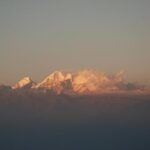
How the Trek Unfolds: A Day-by-Day Breakdown
Day 1: Kathmandu to Lukla and Phakding
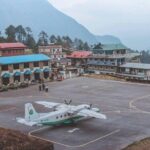
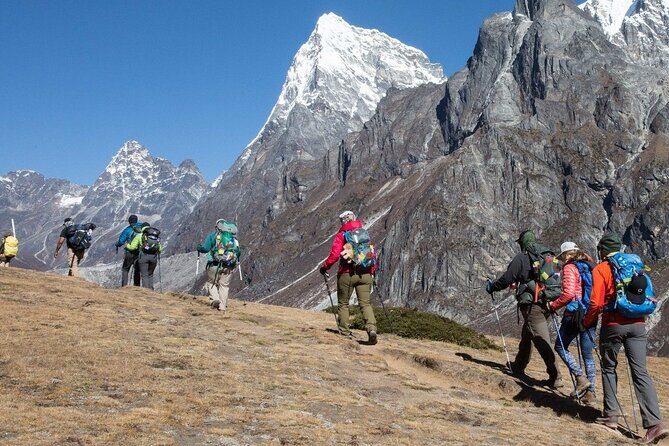
Your adventure begins early with a flight from Kathmandu to Lukla, a small airport famous for its short runway and breathtaking approach. Once in Lukla, you’ll meet your guide and start trekking on a trail that gradually descends to Phakding. Expect about six hours of walking through lush forests and river crossings. Though physically accessible, this first day sets the tone for the trek’s moderate difficulty and introduces you to the stunning natural surroundings.
Reviewers highlight the importance of a good guide here; one mentions that their guide, Sonam, was instrumental in helping them through difficult parts and sharing expert regional knowledge. Such guidance helps you appreciate not just the scenery but also the stories and traditions behind it.
Day 2: From Phakding to Namche Bazaar
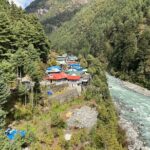
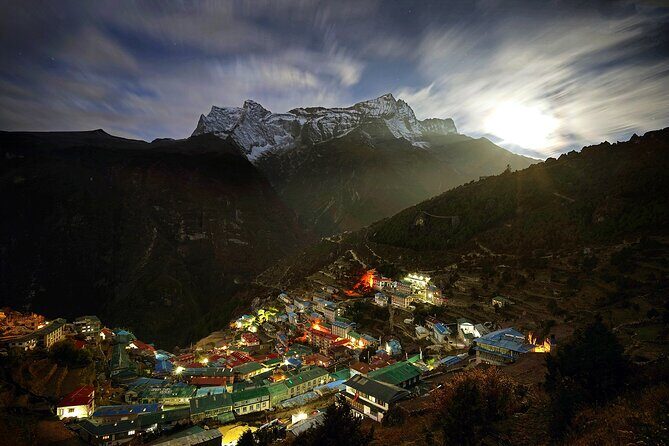
The journey continues through pine and rhododendron forests, crossing the Dudh Kosi River and passing through charming villages like Chumoa and Monjo. This section takes roughly nine hours, with some elevation gain. Namche Bazaar is the bustling trading hub of the Everest region, and you’ll find markets, ATMs, internet cafes, and a lively atmosphere.
One reviewer notes that spending time in Namche helps with acclimatization and provides a good chance to explore local shops and cafes. The town’s vibrant energy balances the physical effort with culture.
Day 3: Exploring Namche and the Everest Viewpoint
A lighter day allows time for optional exploration, including a hike to the Everest View Point at Sagarma. Here, you’ll get your first glimpse of Everest and surrounding peaks. Though the viewpoint’s entrance fee isn’t included, the walk around Namche gives a chance to soak in the town’s unique blend of tradition and modernity—something many appreciate after the initial days of trekking.
Day 4: Tengboche Monastery
From Namche, the trail ascends to Tengboche, home to the region’s largest monastery. The walk is relatively easy until Phunki Thanga, after which the terrain becomes steeper. Tengboche is a spiritual center with stunning mountain vistas and the monastery itself is a highlight. One reviewer mentions how the monastery’s peaceful atmosphere and the chance to see monks in prayer make this a memorable stop.
Day 5: To Dingboche
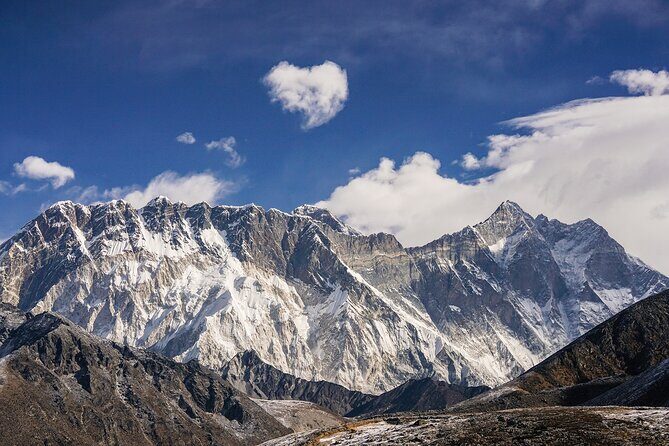
Descending through forests of birch, conifer, and rhododendrons, you’ll reach Debuche and continue to Dingboche. Expect breathtaking views of Everest, Lhotse, and Ama Dablam. The gradual ascent and downhill steps are manageable, but the high-altitude environment demands good acclimatization. Guests often remark on how beautiful the landscape is, especially the mountain panoramas from Dingboche.
Day 6: Chukhung – Acclimatization and Mountain Views
A crucial rest and acclimatization day, where you can climb a nearby ridge to see six of the world’s highest peaks including Lhotse, Makalu, and others. This stop helps your body adjust to altitude while offering some of the best mountain vistas of the trip. Reviewers appreciate this as a worthwhile break that enhances overall safety and enjoyment.
Day 7-8: Lobuche and Gorakshep
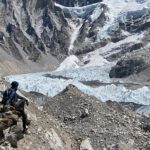
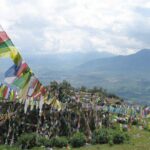
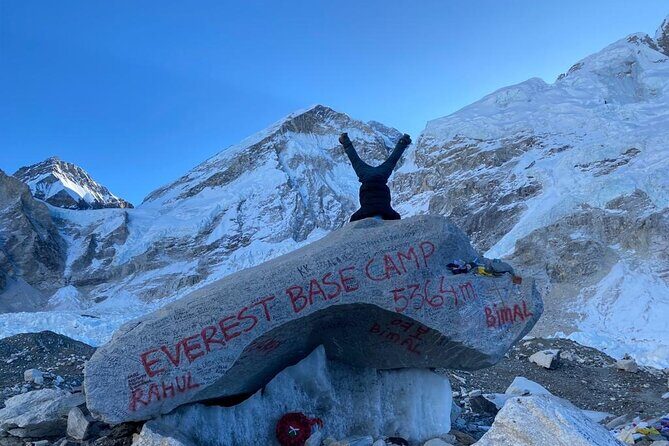
The trail gets more rugged, crossing boulder-strewn slopes and ascents like Chupki Lhara, with stunning mountain views and prayer flags fluttering in the wind. The trek to Gorakshep involves glacier paths and offers a close-up look at Everest’s glaciers. Reaching Gorakshep is a highlight, with the chance to see the melt patterns and ice formations. One reviewer details how traveling on glacier terrain is a unique experience, and the ascent to Everest Base Camp is the day’s climax.
Day 9: Kalapathar and Return
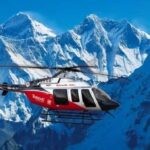
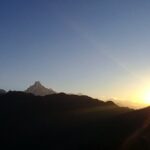
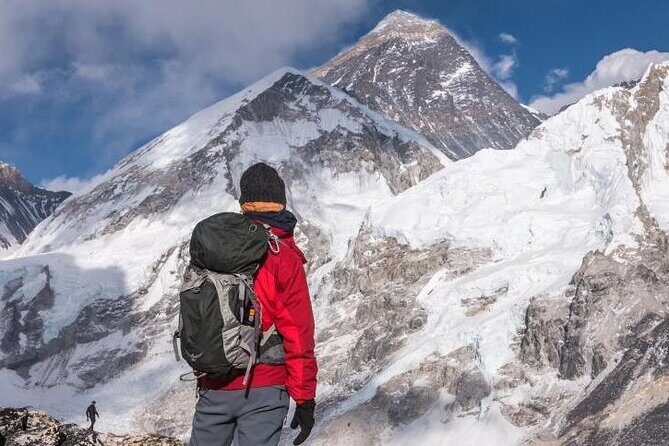
Early morning, a steep climb to Kala Patthar provides arguably the best panoramic view of Everest. The trail is challenging but rewarding, with icy winds and a sense of achievement. Many travelers fondly recall this as a peak moment, capturing iconic shots of Everest. After this, a helicopter landing or return to Gorakshep marks a turning point.
Days 10-11: Descending to Lukla
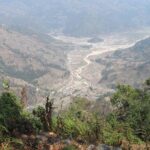
The trek downhill passes through rhododendron forests and over suspension bridges, with familiar villages along the Dudh Kosi River. The descent is physically easier but demands attention to footing and altitude changes. The return to Lukla signifies the end of your mountain adventure, and many say they feel a profound sense of accomplishment.
Day 12: Flight back to Kathmandu
A quick morning flight brings you back to Kathmandu, where you can relax, shop for souvenirs, or explore more of Nepal’s vibrant capital. The journey’s end leaves travelers with not just photos, but stories and memories that last a lifetime.
Authenticity and Cultural Connection
What makes this trek stand out is the guidance from local guides who are from the Khumbu region. One reviewer notes that guide Sonam’s expert regional knowledge and attentiveness helped them through tough parts and made the experience more meaningful. They also shared Sherpa folk songs and tales, enriching the cultural aspect of the trek.
The inclusion of a side trip to Sherpa villages offers a rare glimpse into local livelihoods, traditional music, and stories—elements that elevate this trek beyond just the mountain scenery. Such cultural insights make the experience more authentic and memorable.
The Practical Side: What to Expect
Transportation: Round-trip flights from Kathmandu are included, eliminating the hassle of land transport to Lukla, which is a significant benefit given the region’s rugged terrain. The flight itself is an adventure, with stunning aerial views of the mountains.
Guides and Permits: The presence of a professional trekking guide ensures safety and local insight while permits are included, streamlining logistics. The guides are well-known for their helpfulness, charm, and trustworthiness, according to reviews.
Accommodation and Amenities: Staying in shared rooms, travelers should expect simple but comfortable lodges. Facilities like Wi-Fi, attached bathrooms, or hot showers are not included, which is typical for high-altitude trekking but should be considered when packing.
Food and Water: While meals are not included in the tour price, seasonal fruits and boiled water are offered, and you can buy food along the route. Adequate hydration and light snacks are crucial, especially at higher altitudes.
Cost and Value: At $1,000, this trek offers comprehensive logistics—flights, permits, guiding—and cultural experiences at a reasonable price point. For many, the value lies in the convenience and authenticity of guides from the Khumbu region, as well as the cultural stops included.
Who Is This Trek Perfect For?
This trek is ideal for those with moderate physical fitness who want a guided, well-organized Everest experience. It suits travelers keen on culture, stunning mountain scenery, and don’t mind basic lodgings. The inclusion of cultural stops and expert guides makes it especially appealing for those wanting more than just a walk in the mountains.
It’s also suitable for families and adventure buddies who appreciate a structured itinerary with opportunities for acclimatization and iconic photo stops like Kala Patthar. However, participants should be prepared for several challenging days and manage expectations about amenities.

Final Thoughts
The Everest Base Camp trek offered by Trek Venture Nepal combines authentic local guidance, spectacular scenery, and cultural connection into a package that’s hard to beat at this price point. The guides’ knowledge, as highlighted in reviews, elevates the experience, allowing travelers to feel genuinely welcomed and informed. The inclusion of cultural elements like Sherpa songs and village visits adds depth, making it more than just a mountain walk.
For those ready to challenge themselves and embrace the beauty of the Himalayas, this trek provides a supportive, well-rounded, and memorable journey into one of the world’s most iconic landscapes. Its focus on authenticity and value makes it a top pick for anyone dreaming of Everest without the hassle of planning every detail themselves.
FAQ
What is included in the tour price?
The price covers round-trip flights from Kathmandu, trekking permits, a professional guide, shared accommodation, airport transfers, seasonal fruits, a trek map, a duffel bag, a first aid kit, and 1 liter of boiled water per day.
Are airport pickups and drops included?
Yes, airport pickup and drop-off are included as part of the package.
What kind of guide will I have?
You’ll be guided by local experts from the Khumbu region, known for their charm, helpfulness, and extensive regional knowledge. One reviewer praised guide Sonam for being attentive and knowledgeable.
Is this trek suitable for beginners?
While it’s considered moderately difficult, having good physical fitness helps. The guides’ support can also make challenging parts more manageable.
Are meals included?
Meals are not included in the tour price, but you’ll have access to seasonal fruits and boiled water. Food can be purchased at various points along the route.
What amenities can I expect in the lodges?
Basic accommodations with shared rooms are included, but amenities like Wi-Fi, hot showers, or attached bathrooms are not.
How long are the trekking days?
Most days range from 6 to 9 hours of trekking, with some days involving more elevation gain and rugged terrain. The longest day is around nine hours, but the pace is manageable with good guides.
Is there flexibility in the itinerary?
Yes, the itinerary includes acclimatization days and side trips, like visiting Sherpa villages and viewing points, to enhance your experience.
What is the best time to do this trek?
While not specified in the provided data, typically, the best months are pre- and post-monsoon seasons—spring (March to May) and autumn (September to November).
What if the weather is bad?
The tour requires good weather; if canceled due to poor conditions, you’ll be offered a different date or a full refund.
This Everest Base Camp trek offers a well-rounded, authentic experience that balances adventure, cultural insight, and value. With expert local guides and a thoughtful itinerary, it’s perfect for travelers ready to embrace the grandeur of the Himalayas.