Planning a trip to South Korea and want to experience something beyond the bustling city streets of Busan? A private tour of Gyeongju offers a fantastic way to see the best of this historic city, home to relics from the Silla dynasty that ruled Korea from the 5th to 7th centuries. This tailored experience, led by a licensed official guide, gives you a manageable, insightful look into Korea’s ancient roots, all in a comfortable and well-organized package.
What makes this tour stand out? First, the UNESCO World Heritage sites are the core focus, ensuring you see the most significant spots with some local context. Second, the private aspect means you can customize the tour to your interests and pace—no rushing with large groups. Third, the inclusion of local highlights like Gyochon Village and Woljeonggyo bridge adds cultural flavor you won’t find in a standard sightseeing bus.
However, a potential consideration is the English-speaking guide quality, which some reviewers noted could be clearer—if language is a concern, this is something to keep in mind. This tour is perfect for those who appreciate a combination of history, culture, and scenic beauty, especially if you’re eager to explore at a relaxed pace with expert insights.
- Key Points
- A Closer Look at the Gyeongju Tour Experience
- Bulguksa Temple: The Crown Jewel
- Woljeonggyo Bridge: A Symbol of Noble Life
- Gyeongju Gyochon Traditional Village: A Living Heritage
- Daereungwon Tomb Complex: Royal Resting Place
- Cheomseongdae Observatory: Stargazing in the 7th Century
- Donggung Palace and Wolji Pond: A Royal Retreat
- Practical Details: What You Should Know
- What Reviewers Say
- Who Should Book This Tour?
- Final Thoughts
- FAQ
- The Best Of Busan!
- More Guided Tours in Busan
- More Tours in Busan
- More Tour Reviews in Busan
Key Points
- Authentic UNESCO Sites: Visit Bulguksa Temple, Woljeonggyo Bridge, and other relics that define Korea’s ancient capital.
- Private, Customized Experience: Small group size (up to 15), with a licensed guide, allows personal attention and flexibility.
- Cultural and Historical Focus: Explore traditional villages and royal tombs for a well-rounded understanding of Gyeongju’s significance.
- Convenient Transfers: Includes hotel, port, and station pickups and drop-offs, making logistics smooth.
- Value for Money: At $225 per person, it’s a comprehensive way to see top sights with an expert guide.
- Some Language Barriers: One review pointed out that the guide’s English could be clearer, which might affect understanding some historical details.
👉 See our pick of the We Rank The 15 Best Tours In Busan
A Closer Look at the Gyeongju Tour Experience
This private tour packs quite a punch for anyone interested in Korea’s past. From the moment you’re picked up in an air-conditioned vehicle, you’re set for a day of exploration that balances iconic monuments with lesser-known gems. The maximum group size of 15 ensures a somewhat intimate atmosphere, allowing your guide to cater to your curiosity.
You can also read our reviews of more guided tours in Busan
Bulguksa Temple: The Crown Jewel
Your first stop is the Bulguksa Temple, designated as Historic Site No. 502 and a UNESCO World Heritage site. Built in 751, this temple was reconstructed after being damaged during Japanese invasions, but it still retains its awe-inspiring stone craftsmanship. The beautiful pagodas—Dabotap and Seokgatap—are excellent examples of stone architecture, showcasing the skills of ancient craftsmen.
Most visitors note that the temple’s grounds are serene and historically significant, with some reviewers mentioning that the structures display the high-level stonework typical of the Silla period. Expect about 70 minutes here, perfect for absorbing the atmosphere and taking photos. Entry is free, making it a highlight that offers both cultural and visual rewards without additional costs.
Woljeonggyo Bridge: A Symbol of Noble Life
Next, the tour takes you to Woljeonggyo Bridge, built during the Silla era as a passage for the elite. Recently restored in 2008, it’s a striking piece of Korea’s architectural past. Visitors can imagine the grandeur of the Silla court as they stroll across this historic bridge.
One reviewer shared that the story of a monk and a princess connected to this bridge adds a romantic layer to the site, making it more than just stones and timber. It’s a short stop, about 40 minutes, but one that captures the elegance of royal life in ancient Korea.
Gyeongju Gyochon Traditional Village: A Living Heritage
Your next destination is Gyochon Village, which once housed a university during the Silla dynasty. Today, it’s a well-preserved traditional village that offers a glimpse into Korea’s past through preserved hanok houses and local crafts. The highlight here might be Mr. Chui’s house, a charming spot that shows how noble families lived and worked.
We loved the way the village retains its historical charm while inviting visitors to wander through narrow alleys and enjoy local snacks. Spending around 80 minutes here, you’ll have time to soak up the atmosphere and take photos of traditional Korean architecture.
Daereungwon Tomb Complex: Royal Resting Place
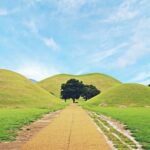
No visit to Gyeongju is complete without seeing the Daereungwon Tomb Complex, home to the royal tombs of Silla kings, queens, and nobility. With 23 tombs spread across a grassy park, it’s like wandering through an open-air museum. Reviewers mention that the tombs resemble small mounded structures, but each holds centuries of history.
While the entrance fee isn’t included, the site’s outdoor setting allows you to appreciate the scale and craftsmanship. Expect around 80 minutes to walk among the tombs, imagining the grandeur of the Silla royal family buried there.
You can also read our reviews of more private tours in Busan

Cheomseongdae Observatory: Stargazing in the 7th Century
Built in the 7th century, Cheomseongdae is Korea’s oldest surviving astronomical observatory and a UNESCO site. Its unique stone construction and precise design speak to advanced scientific knowledge in ancient Korea. Visitors often find it fascinating to see how early Koreans tracked the stars.
It’s a quick stop—about 50 minutes—but a memorable one, especially for those interested in science or traditional architecture. The site is free to visit, making it a cost-effective highlight.
Donggung Palace and Wolji Pond: A Royal Retreat
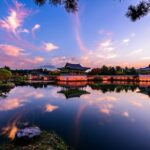
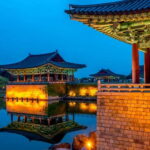
The tour finishes at Donggung Palace and Wolji Pond, built in 679 AD as a secondary palace for the Silla rulers. The site features a large pond, lush gardens, and iconic pavilions, perfect for understanding Silla’s luxurious lifestyle. Restorations in the 1980s have preserved the site’s beauty, and visitors today can stroll around and enjoy scenic views.
One reviewer noted that the site was used for important national events, and the tranquil pond offers a peaceful end to the busy day. Expect about 90 minutes here, with an entrance fee of around 3,000 won.
Practical Details: What You Should Know
Transportation: The entire tour runs in a private vehicle, which adds comfort and convenience—no waiting around for buses or dealing with crowds. The vehicle is air-conditioned, a welcome feature on hot days.
Guide: The tour is led by a licensed English/Chinese/Korean speaking guide. While reviews suggest the guide is knowledgeable, some pointed out that English clarity could improve, so if language is a concern, consider this when booking.
Duration & Timing: The tour lasts about 8 to 9 hours, usually starting in the morning and wrapping up in the late afternoon. This makes it a full-day experience, ideal for those wanting an in-depth cultural adventure.
Cost & Value: At $225 per person, the tour is priced to include expert guiding, transportation, and entry to key sites. While not cheap, the value comes from the convenience of a guided experience and access to UNESCO sites that might be challenging to visit independently.
Additional Costs: Not included are meal options, tips, and certain entrance fees like Cheonmachong and Wolji Pond (around 3,000 won each). Budgeting for these extras will enhance your experience.
What Reviewers Say
One reviewer pointed out that the tour covers the main attractions efficiently, but also mentioned that the guide’s English could be clearer, which might make it harder to grasp some of the historical details. Conversely, many appreciated the value and the scenic sites, praising the overall experience as beautiful and well-organized.
Another shared that the scenery is stunning, and the sites offer a true sense of Korea’s royal past. The experience is particularly suited for history buffs and those eager to see UNESCO Heritage sites with the comfort of a private guide.
Who Should Book This Tour?
This private Gyeongju tour is best suited for travelers who want a comprehensive, culturally immersive experience without the hassle of planning logistics. It’s ideal for history enthusiasts, families, or couples seeking a relaxed day exploring Korea’s royal history. If you enjoy learning from expert guides and want to see the most significant UNESCO sites, this tour will meet your expectations.
However, if you prefer a more flexible or spontaneous schedule, or if language barriers might be an issue, you might want to consider additional options or private guides with stronger language skills.
Final Thoughts
This Gyeongju private tour offers a balanced mix of history, architecture, and scenic beauty, all delivered in a comfortable, guided package. The inclusion of UNESCO heritage sites guarantees you’ll walk away with a deeper understanding of Korea’s ancient kingdom. The small-group setting allows for personalized attention, making this a worthwhile choice for those who enjoy cultural exploration with expert insights.
While the price might seem steep, the convenience, access, and quality of sites visited deliver good value—especially for first-time visitors eager to make the most of their time in Korea. If you’re looking for an engaging, educational, and scenic day, this tour offers a well-rounded experience.
FAQ
Is hotel pickup included?
Yes, the tour includes hotel pickup and drop-off, making logistics easy and hassle-free.
Can I visit UNESCO sites during this tour?
Absolutely. The tour focuses on UNESCO-listed sites like Bulguksa Temple and Cheomseongdae Observatory, ensuring you see Korea’s most important historical landmarks.
What is the group size?
The tour is limited to a maximum of 15 guests, providing a more personal experience compared to large group tours.
Are meals included?
No, lunch is not included, so plan to bring your own or explore local eateries during the day.
Are entrance fees included?
No, some sites like Cheonmachong Tomb and Wolji Pond have entrance fees (around 3,000 won each) that you’ll need to pay separately.
What languages does the guide speak?
The guide speaks English, Chinese, and Korean. Note that some reviewers found the English explanation could be clearer.
How long does the tour last?
The entire experience takes approximately 8 to 9 hours, making it a full-day activity.
Is this tour suitable for families or children?
Yes, it’s a family-friendly activity, especially for those interested in history and culture; just consider the walking involved.
In summary, for those eager to explore Korea’s ancient capital with the comfort of a private guide and access to UNESCO sites, this tour delivers a memorable, educational experience that balances cultural depth with scenic beauty.