- Pokhara: 7-Day Sikles and Namun La Pass Trek Review
- Key Points
- Overview and Practical Details
- Itinerary Breakdown and Highlights
- Day 1: Pokhara to Sikles (1,980 m)
- Day 2: Sikles to Tangting / Forest Camp
- Day 3: Forest Camp to Namun La Base Camp
- Day 4: Cross Namun La Pass (5,560 m) to Timang
- Day 5: Timang to Chame
- Day 6: Chame to Pisang
- Day 7: Pisang to Manang (3,540 m)
- What’s Included and What’s Not
- Packing and Preparation Tips
- Terrain and Experience Level
- Best Seasons and Important Notes
- Additional Information
- Authentic Insights from Reviewers
- The Sum Up
- FAQ
- The Best Of Kathmandu!
- More 7-Day Experiences in Kathmandu
- More Hiking & Trekking Tours in Kathmandu
- More Tour Reviews in Kathmandu
Pokhara: 7-Day Sikles and Namun La Pass Trek Review
Planning a trek in Nepal often involves balancing jaw-dropping scenery with authentic cultural encounters, and this 7-day trek from Pokhara to Sikles and Namun La Pass delivers on both fronts. While we haven’t personally trekked it, detailed reviews and the itinerary reveal a journey that combines challenging alpine passes, remote village stays, and stunning mountain vistas.
What we love most about this experience: it offers a real off-the-beaten-path adventure, immerses you in Gurung and Tibetan cultures, and rewards you with some of the most spectacular Himalayan views Nepal has to offer. That said, it’s not one for the faint-hearted, given its strenuous sections and altitude gains.
This trek is perfect for adventurous travelers who enjoy cultural diversity, breathtaking landscapes, and a bit of a challenge—especially those looking to explore less crowded trails before joining the main Annapurna circuit. If you’re physically fit, eager for authentic experiences, and prepared for remote accommodation, this trek could be a fantastic choice.
You can check availability for your dates here:
👉 See our pick of the Discover 12 Great Airport Transfers In Kathmandu
Key Points
- Cultural immersion: Experience Gurung villages and Tibetan-influenced communities.
- Spectacular views: Cross Namun La Pass for panoramic Himalayan scenery.
- Remote adventure: Stay in homestays, teahouses, and camps in less-traveled areas.
- Challenging terrain: Expect steep climbs and high-altitude walking.
- Flexible options: Choose between lower and upper trails in Pisang for better vistas.
- Value for the price: At $1,600, this includes accommodation, cultural experiences, and crossing challenging passes.
You can also read our reviews of more hiking tours in Kathmandu
Overview and Practical Details
This trek, organized by ONE HIMALAYAN ADVENTURES, offers a well-rounded experience of Nepal’s western Himalayas over 7 days. It’s priced at $1,600 per person, which covers lodging in local homestays, teahouses, and camping, as well as guided trekking through authentic Gurung and Tibetan villages. Given the inclusion of challenging passes and remote sections, the price reflects a balance of guided expertise, culture, and stunning scenery.
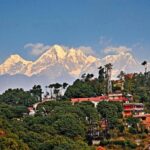
The adventure begins with a drive from Pokhara to Sikles, a traditional Gurung village perched at 1,980 meters. From there, the trail climbs through lush forests and small hamlets, offering a gentle start before getting into the more demanding sections. The total duration is manageable for those with good physical fitness, but the terrain can be steep and the altitude gain significant.
Itinerary Breakdown and Highlights
Day 1: Pokhara to Sikles (1,980 m)
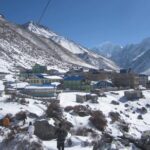
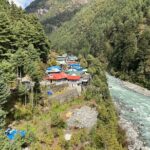
The journey kicks off with a roughly 45-minute drive from Pokhara—an easy start that sets the tone for the trip. Sikles is a traditional Gurung village that features stone-paved lanes and stunning mountain views, offering an immediate taste of Nepalese village life. Reviews mention the warmth of local homestays and the chance to explore locally built homes and farms that have been maintained for generations.
More Great Tours NearbyDay 2: Sikles to Tangting / Forest Camp
The route takes you through verdant forests and small villages, with a gradual ascent and descent. Expect peaceful surroundings and the chance to see local farming practices. Some trekkers note the trail’s serenity as a major perk, providing a break from busier tourist routes. Staying in teahouses or campgrounds allows for a flexible experience in this remote setting.
You can also read our reviews of more tours and experiences in Kathmandu
Day 3: Forest Camp to Namun La Base Camp
This is where the trek turns more rugged. Steep climbs lead into alpine terrain, surrounded by wild landscapes and fewer signs of civilization. Reaching the Namun La Base Camp, you’ll be in a high, open landscape that offers impressive views of surrounding peaks. Reviewers mention the steep ascent as physically demanding but rewarding for those seeking a true mountain adventure.
Day 4: Cross Namun La Pass (5,560 m) to Timang
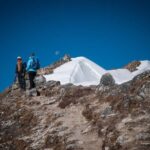
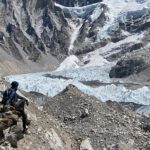
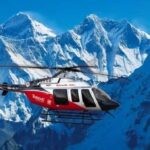
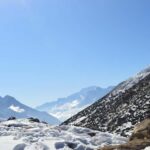
The trek’s highlight, crossing Namun La Pass, is an invigorating challenge. At 5,560 meters, this high Himalayan pass offers sweeping views in all directions—think snow-capped peaks, expansive valleys, and distant glaciers. Many describe the crossing as a “once-in-a-lifetime” experience, with some noting it as physically taxing but utterly unforgettable. After the pass, you descend into the district of Manang, an area known for its Tibetan-influenced culture and stunning high-altitude scenery.
Day 5: Timang to Chame
Joining the main Annapurna Circuit route, the walk follows the Marsyangdi River through pine forests and traditional villages. Chame, the district headquarters of Manang, offers a chance to relax and enjoy local amenities. Some reviews highlight the comfort of staying in teahouses here after days of more remote trekking.
Day 6: Chame to Pisang
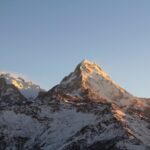
This section rewards trekkers with stunning views of Annapurna II and Pisang Peak. The route offers a choice between a lower trail and an upper trail—choosing the upper route provides better panoramic views, according to reviews. Expect a scenic walk with towering mountains on either side, and local villages where you can experience Tibetan-influenced architecture.
Day 7: Pisang to Manang (3,540 m)
A short but captivating walk takes you into Manang, famous for its Tibetan culture, cozy bakeries, and high-altitude scenery. Several travelers mention that Manang’s appeal lies in its unique atmosphere, blending mountain life with Tibetan traditions. The village also offers a chance to acclimatize before higher passes.
What’s Included and What’s Not
The tour’s price includes all accommodations—ranging from homestays to teahouses and camping—plus guided trekking through culturally rich villages and the crossing of Namun La Pass. The experience of staying in remote sections adds authenticity, but it’s worth noting that personal expenses, travel insurance, and alcohol are not covered.
Packing and Preparation Tips
Travelers should come prepared with warm clothing, good hiking shoes, sunscreen, and a sleeping bag. Given the altitude and challenging terrain, physical fitness is crucial. The itinerary involves steep climbs and high-altitude crossings, so acclimatization is essential. Remember, alcohol and drugs are not permitted on the trek for safety reasons.
Terrain and Experience Level
This trek balances cultural exploration with physical challenge. The climb to Namun La Pass is strenuous but manageable for fit hikers, with some reviews describing it as “challenging but doable.” The trail’s remote sections mean limited facilities, so self-sufficiency is valuable.
The trek is not suitable for people with mobility impairments, heart problems, respiratory issues, altitude sickness, or low fitness levels. The terrain demands good endurance, especially during steep climbs and high-altitude crossings.
Best Seasons and Important Notes
The most favorable times for this trek are March to May and September to November, when weather conditions are more stable and the landscape is at its most vibrant. The experience involves early mornings and potentially cold nights—packing appropriately is key.
It’s also worth noting that the accommodation in remote sections might be basic but cozy, adding to the authentic mountain vibe. The group sizes tend to be small, which allows for a more personalized experience.
Additional Information
- Languages spoken: English, Chinese, French, German
- Flexibility: You can reserve now and pay later, making planning easier
- Cancellation policy: Cancel up to 24 hours in advance for a full refund
Authentic Insights from Reviewers
One reviewer points out that “crossing the Namun La was the most intense moment but also the most rewarding,” emphasizing how the high pass offers breathtaking views and a real sense of achievement. Others mention that the homestays in Sikles and Timang provided a genuine glimpse into local life, far from commercialized trekking.
Several trekkers appreciated the professionalism of guides and porters, noting that “they knew exactly how to pace the group and kept everyone motivated,” which can make or break a challenging trek like this. Some also noted the value of the included accommodations, describing them as “authentic and comfortable enough for remote mountain villages.”
The Sum Up
This 7-day trek from Pokhara to Sikles and Namun La Pass offers a compelling mix of adventure, culture, and stunning scenery. It’s best suited for travelers who are physically prepared, eager to explore less crowded trails, and interested in authentic mountain villages and Himalayan views. The crossing of Namun La Pass stands out as a true highlight, providing a sense of accomplishment and awe-inspiring vistas.
While the trek demands good fitness and an adventurous spirit, the rewards are well worth it. From the warm, local homestays to the spectacular mountain scenery, this journey combines the thrill of a high-altitude adventure with meaningful cultural encounters. If you’re after an authentic, challenging, and visually spectacular trek in Nepal, this could be the experience for you.
FAQ
Is this trek suitable for beginners?
No, it’s quite strenuous and involves high-altitude crossings. You need good physical fitness and some trekking experience.
What’s the main highlight of this trek?
Crossing the Namun La Pass at 5,560 meters offers panoramic Himalayan views and a real sense of achievement.
How long is the drive from Pokhara to Sikles?
The drive takes about 45 minutes, making the start of the trek relatively accessible.
What kind of accommodations are included?
You’ll stay in homestays, teahouses, and camping, especially in remote sections, providing an authentic experience.
Are there any age restrictions?
The trek’s physical demands mean it’s best suited for those in good physical shape; it’s not recommended for people with mobility or health issues.
What should I pack?
Warm clothing, hiking shoes, sunscreen, a sleeping bag, and trekking gear are essential for comfort and safety.
When is the best time to do this trek?
The ideal seasons are March to May and September to November for stable weather and clear mountain views.
Is tipping required for guides and porters?
While not included, tipping is customary if you’re satisfied with their service—be prepared to tip your guide and porter.
Can I book this tour flexible with payment?
Yes, you can reserve now and pay later, offering flexibility in planning.
This trek offers a rare chance to experience Nepal’s remote Himalayan beauty, cultural richness, and high-altitude challenges—all wrapped into one unforgettable adventure.
You can check availability for your dates here: