Nagasaki: Oura Catholic Church and Peace Park Guided Tour — A Practical Look at History and Hope
Travelers seeking a meaningful glimpse into Nagasaki’s complex past and resilient spirit will find this guided tour offers a well-rounded experience. It’s a thoughtfully curated way to explore the city’s most significant sites without the hassle of planning logistics yourself. What draws us in are the tour’s focus on historical landmarks, the opportunity for authentic reflection, and the chance to understand Nagasaki’s peaceful future.
What we particularly appreciate is how the tour balances education with emotion—visiting iconic sites like the Oura Catholic Church, the Nagasaki Peace Park, and the Atomic Bomb Museum. The inclusion of Glover Garden adds a touch of Western history and architecture, offering a broader perspective. The tour’s price of $290 per person might seem like a good investment given the depth of experience and inclusions, but it’s worth considering how it compares to personalized private options.
One potential drawback is that the tour isn’t suitable for those with limited mobility or for visitors who prefer a more flexible pace. Also, since it’s a group experience, some travelers might find the set itinerary a bit structured for their taste. Still, for those interested in a rundown with a knowledgeable guide, this tour hits many highlights.
This experience suits history buffs, peace advocates, or travelers who want a structured, informative day that provides context beyond guidebook summaries. If you’re visiting Nagasaki and want to understand its profound historical wounds and hopeful future, this tour is a solid choice.
- Key Points
- Exploring Nagasaki’s Heritage in Depth
- Starting Point: The Open-Air Concert Hall
- Oura Catholic Church: Japan’s Oldest Wooden Church
- Nagasaki Peace Park: A Statue of Hope and Reflection
- The Atomic Bomb Museum: Understanding the Tragedy
- Optional: Glover Garden
- Practical Details and Tips for Tour Day
- Why This Tour Works for Different Travelers
- The Sum Up
- FAQ
- The Best Of Nagasaki!
- More Guided Tours in Nagasaki
- More Tours in Nagasaki
- More Tour Reviews in Nagasaki
Key Points
- Historical Significance: Focuses on Nagasaki’s Christian heritage and the impact of WWII.
- Authentic Sites: Visits include Japan’s oldest wooden church and the Peace Park’s symbolic sculpture.
- Educational: The Atomic Bomb Museum offers straightforward insights into the tragedy and recovery.
- Comfort & Convenience: Includes admissions and guided commentary, adding value for the price.
- Limited Accessibility: Not suitable for wheelchairs or those with mobility issues due to uneven surfaces.
- Weather Preparedness: Be ready for variable weather with appropriate clothing and sun protection.
👉 See our pick of the 15 Best Tours & Experiences In Nagasaki
Exploring Nagasaki’s Heritage in Depth
 1 / 4
1 / 4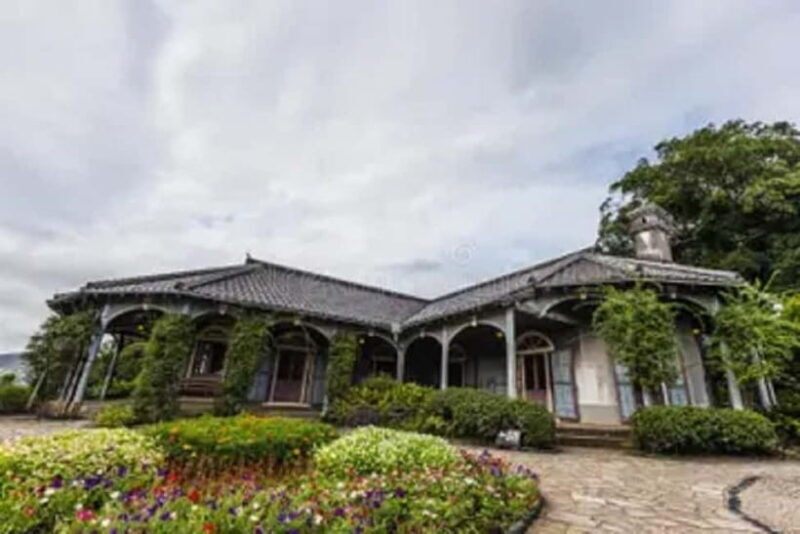 2 / 4
2 / 4 3 / 4
3 / 4 4 / 4
4 / 4This tour strikes a careful balance between educating visitors and providing a reflective experience. It’s designed for travelers who want more than just sightseeing; they’re after a meaningful understanding of Nagasaki’s layered history. Here’s a detailed look at what you can expect at each stop and why those moments matter.
You can also read our reviews of more guided tours in Nagasaki
Starting Point: The Open-Air Concert Hall
The gathering spot at the Open-air Concert Hall sets a relaxed tone for the day. Meeting here allows everyone to connect easily with the guide and fellow travelers. It’s a good spot to get oriented and receive a quick briefing before heading into the site visits. The tour usually begins in the morning, making it an ideal way to start your day exploring Nagasaki’s heartfelt stories.
Oura Catholic Church: Japan’s Oldest Wooden Church
Your first stop is the Oura Catholic Church, dating back to 1864. Recognized as Japan’s oldest surviving wooden church and a National Treasure, it’s a beautifully preserved Gothic structure built by French missionaries. Its significance goes beyond architecture; it’s a symbol of Nagasaki’s Christian heritage, which survived decades of suppression.
Inside, the church offers a peaceful atmosphere that contrasts with the tumult of history. Visitors often comment on its serenity and the way the wooden beams seem to tell silent stories of resilience. The dedication to the 26 Christian martyrs of Nagasaki makes it a poignant reminder of religious freedom’s struggles and triumphs.
Nagasaki Peace Park: A Statue of Hope and Reflection
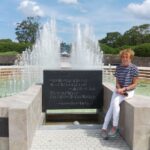
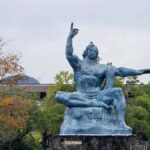
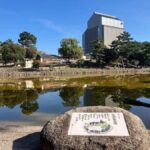
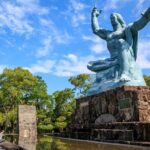
Next, the tour moves to the Nagasaki Peace Park. The park’s centerpiece is an elegant statue symbolizing divine love and mercy, with a right hand pointing to heaven and a left hand extended in peace. The face, gentle and contemplative, embodies neutrality—neither a god nor Buddha, instead a universal figure of prayer.
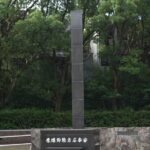
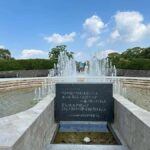
The statue coordinates with the surrounding park, which is filled with memorials and inscriptions commemorating the victims of the atomic bombing. As one review describes, the statue “wishes for the spirit of the atomic bomb victims and eternal peace,” creating a space for quiet reflection amid a landscape of solemn remembrance.
Visitors typically find the park deeply moving, especially when considering the scale of the tragedy—70,000 war victims—and the hope for future peace that it embodies. The peaceful ambiance and powerful symbolism make it a highlight, often noted as a profoundly emotional experience.
More Great Tours NearbyThe Atomic Bomb Museum: Understanding the Tragedy
The final major stop is the Atomic Bomb Museum, which provides a straightforward yet impactful account of the bombing’s history. Its exhibits cover the devastation, the recovery efforts, and the ongoing desire for nuclear disarmament.
The museum’s layout makes complex topics accessible, with photos, personal stories, and scientific explanations. Visitors often remark on how effectively it conveys both the horror and the resilience. It’s a reminder that Nagasaki’s scars are not just historical but ongoing, with a clear message that nuclear weapons should never be used again.
Optional: Glover Garden
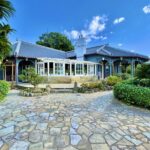
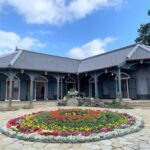
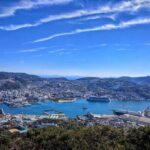
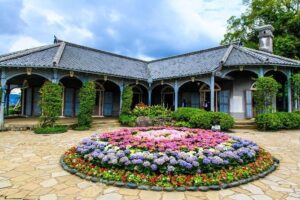
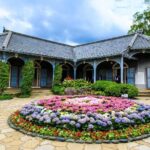
In some arrangements, the tour might include a visit to Glover Garden, a scenic park featuring Western-style buildings from the 19th century. While not part of the core itinerary, it’s a delightful add-on for those interested in architecture and Nagasaki’s international past. It offers stunning views of the harbor and a break from more somber sites.
Practical Details and Tips for Tour Day
Transport & Duration: The tour is well-paced, typically lasting several hours, with transportation included within the group setting. Given the walking involved—particularly over uneven surfaces and stairs—wear comfortable shoes.
Weather considerations: The itinerary is outdoors-heavy, so packing sunscreen, a hat, and water is advised. Rain gear might be necessary during certain seasons, so an umbrella could come in handy.
Group size & guide: Expect a small to medium-sized group, which allows for more personalized interaction. Guides usually speak both English and Japanese, providing insights that enrich the experience.
Cost & inclusions: At $290 per person, the price includes admission to Glover Garden, access to Oura Catholic Church, and entry to the Atomic Bomb Museum. This bundled pricing offers good value, especially when considering the depth of commentary and smooth logistics.
Limitations: The tour isn’t suitable for wheelchair users or those with mobility issues because of stairs and uneven terrain. Also, flash photography is prohibited inside museums, so be prepared to take mental snapshots instead.
Why This Tour Works for Different Travelers
This experience is particularly well-suited for those interested in history, peace, and authentic cultural insights. It’s ideal for travelers who appreciate guided commentary that contextualizes the sites rather than just passing through.
If you’re looking for a structured, informative day that touches on Nagasaki’s most poignant stories, this tour offers a comprehensive package. It’s also suitable for travelers who prefer a group setting — if you’re seeking a private, highly flexible experience, other options might be better.
The Sum Up
This Nagasaki tour combines meaningful sites, expert guidance, and a respectful tone to offer a memorable journey through the city’s past and hopes for the future. The inclusion of Japan’s oldest wooden church, the Peace Park’s symbolic sculpture, and the sobering Atomic Bomb Museum ensures you get a well-rounded understanding of Nagasaki’s story.
It’s best for history enthusiasts, peace advocates, and travelers who want an educational experience that respects the gravity of its themes. The value lies not only in the sites visited but also in the emotional and educational impact they leave behind.
If you’re prepared for some walking, weather variability, and a respectful, contemplative experience, this tour will deepen your appreciation for Nagasaki’s resilience and ongoing quest for peace.
FAQ
What is included in the tour?
Admission to Glover Garden, access to Oura Catholic Church, entry to the Atomic Bomb Museum, and a guided visit to Nagasaki Peace Park are included.
Does the tour involve a lot of walking?
Yes, expect to walk quite a bit, especially around outdoor sites with uneven surfaces and stairs. Comfortable shoes are a must.
Is transportation provided during the tour?
While not explicitly stated, the tour is organized by a guide with group movement, likely including transportation between sites within the schedule.
What should I bring?
Bring comfortable shoes, a hat, camera, sunscreen, water, and weather-appropriate clothing. Face masks are recommended or required.
Are there any restrictions?
Yes, the tour isn’t suitable for wheelchair users or those with mobility impairments due to uneven terrain and stairs. Baby strollers, handcarts, flash photography inside museums, alcohol, and drugs aren’t allowed.
How long does the tour last?
While not specified, tours of this nature usually last several hours, allowing ample time at each site.
Can I cancel if my plans change?
Yes, cancellations are accepted up to 24 hours in advance for a full refund, providing flexibility in your trip planning.
Is the tour offered in multiple languages?
Yes, the experience provider offers guides in both English and Japanese.
Who is this tour ideal for?
It’s perfect for those interested in history, peace, and cultural reflection, especially travelers who value guided insights and structured itineraries.
In short, this Nagasaki tour offers a respectful, comprehensive, and insightful way to connect with the city’s poignant stories. Whether you’re a history buff, a peace advocate, or simply curious about Nagasaki’s resilience, it’s a worthwhile accompaniment to your journey.
You can check availability for your dates here: