
Traveling to Japan and craving an authentic experience that connects you to ancient beliefs and stunning architecture? Then the Munakata Taisha Shrine Guided Tour in Fukuoka might be just what you need. This two-hour journey, led by a knowledgeable guide from DeepExperience, takes you through one of Japan’s most revered spiritual sites, a UNESCO World Heritage Site since 2017.
What makes this tour stand out? We love the chance to learn about the sacred history of the shrine, the ancient animistic culture that still influences Japanese spirituality, and the remarkable architecture that has survived centuries. Plus, the embedded museum offers a closer look at the shrine’s origins.
However, some might find the two-hour duration a bit tight if they prefer in-depth exploration—though, for many, it’s perfect as a concise cultural overview. This tour is ideal for those interested in Japanese history, religion, and architecture, especially travelers who value guided insights over wandering solo.
Key Points
 1 / 5
1 / 5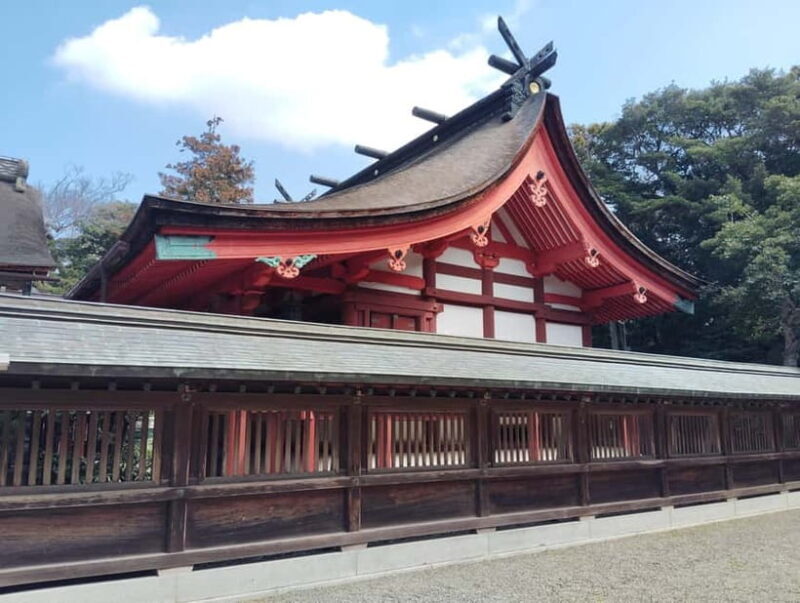 2 / 5
2 / 5 3 / 5
3 / 5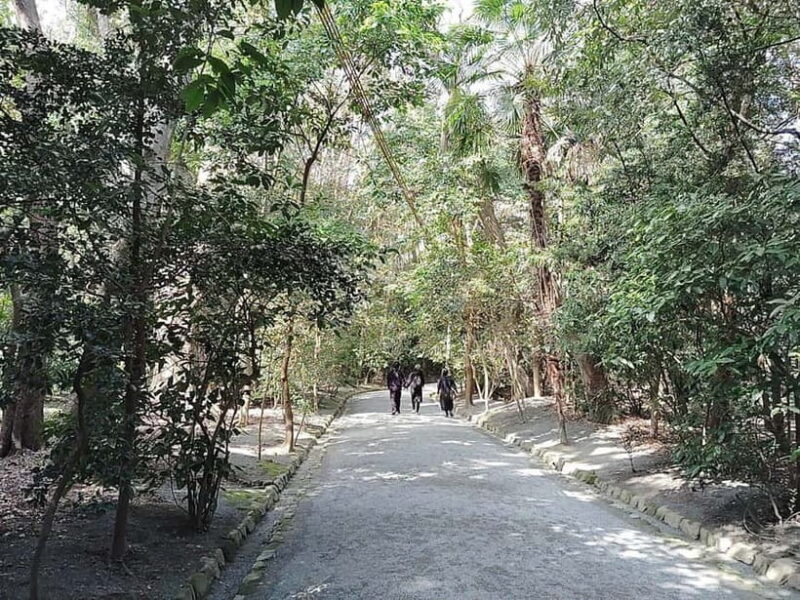 4 / 5
4 / 5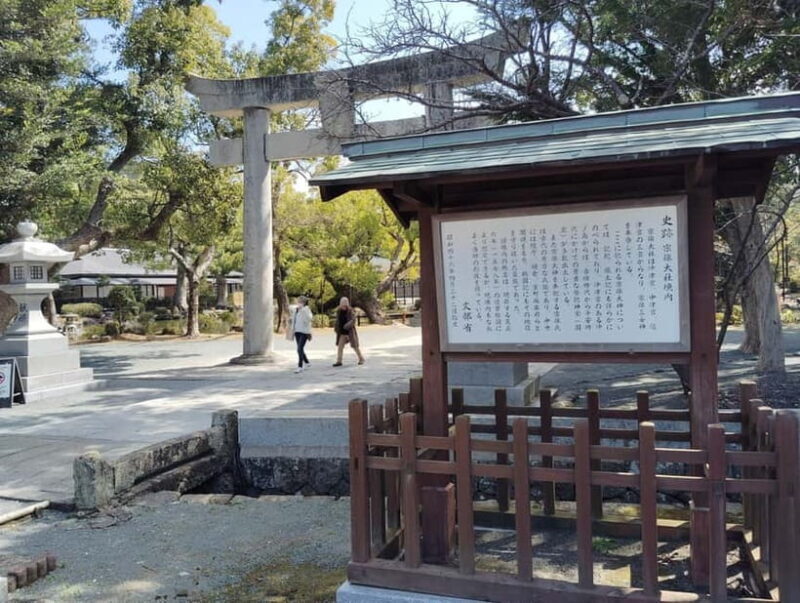 5 / 5
5 / 5- UNESCO World Heritage Site: The shrine’s recognition underscores its cultural importance.
- Authentic Rituals: Ancient ceremonies are still performed here, adding a living element to your visit.
- Architectural Charm: The shrine features traditional Japanese-style structures, dating back centuries.
- In-Depth Learning: The guide provides insights into Japanese beliefs, animism, and philosophical roots.
- Remote Shrines: Two sister shrines on nearby islands deepen the spiritual significance but are off-limits to visitors.
- Flexible Booking: Reserve now, pay later, with full refunds available if canceled 24 hours in advance.
A Closer Look at the Experience
The Fukuoka: Munakata Taisha Shrine Guided Tour offers a well-rounded introduction to one of Japan’s most revered spiritual sites, all within a manageable two-hour window. Starting at the second torii gate, your guide from DeepExperience will be holding a bright yellow sign for easy spotting. From there, the journey begins with a walk into the historic precincts, where the shrine’s ancient Japanese-style architecture immediately transports you back in time.
What makes this tour special? For many, it’s the chance to see the ritual spaces still used today. The shrine’s grounds are not just historic relics but living spaces where traditional ceremonies still take place, keeping the spiritual practices alive. As the guide explains, the faith surrounding Munakata Taisha is shrouded in mystery but continues to attract a large congregation, illustrating its ongoing relevance.
The shrine’s design reflects its animistic origins, with structures that evoke a sense of reverence toward nature and spirits. You might notice the wooden details and simple yet elegant architecture that echoes ancient Japanese aesthetics. The guide emphasizes the importance of the ritual spaces where present-day ceremonies occur, helping visitors appreciate how old beliefs still influence contemporary Japanese spirituality.
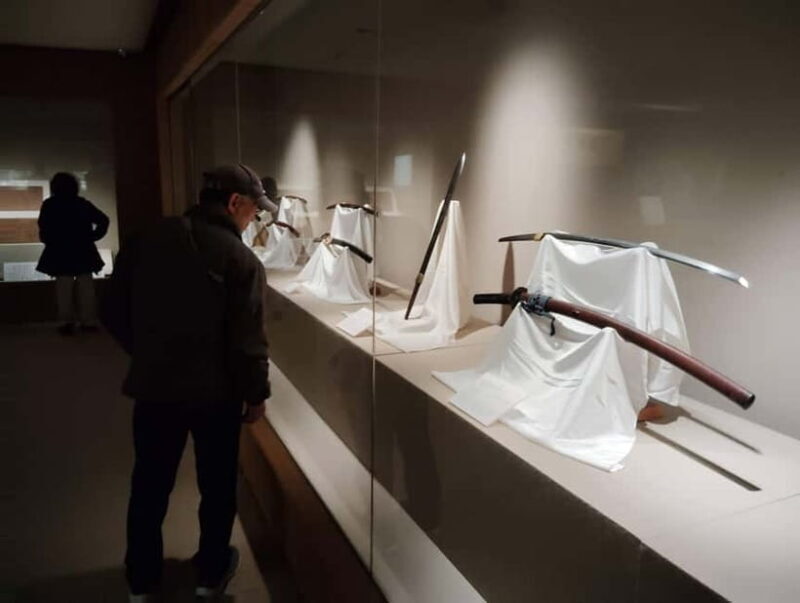
The museum attached to the shrine offers a curated collection of artifacts and historical displays. Here, you’ll gain an understanding of the belief systems that have shaped the shrine’s significance over the centuries. It’s an excellent spot for those interested in history and religion, providing context beyond the stunning visuals.
The remote island shrines
An intriguing aspect of the Munakata complex is its two sister shrines located on remote islands. These are off-limits to visitors except for priests, but knowing about their existence adds a layer of mystique to the site. The guide shares stories about these sacred locations, highlighting the depth of spiritual tradition that underpins the entire shrine network.
Practicalities and Value
For $73, this tour offers a solid value—considering entrance fees to cultural sites in Japan can often be more expensive—and the price includes both guided commentary and entry to the shrine and museum. The small-group format ensures a more personalized experience, allowing you to ask questions and engage deeply with the guide’s insights.
Transport and timing are straightforward: you meet at the second torii gate, and the tour concludes back at the same spot, making it easy to incorporate into a day exploring Fukuoka. The English-speaking guide ensures accessibility, and the option to reserve without immediate payment offers flexibility.
Authenticity and Insight
What sets this tour apart is the expert narration provided by guides familiar with the site’s spiritual and historical layers. One reviewer notes, “The guide explained the rituals in detail, making the experience feel very genuine,” which underscores the value of a guided tour over independent sightseeing here.
Plus, the ongoing rituals and the historic architecture provide a sense of connection to Japan’s ancient animistic roots, offering a spiritual dimension that many travelers find enriching. The shrine’s architecture is not just beautiful but illustrative of the foundations of Japanese philosophy rooted in nature worship and spiritual coexistence.
More Great Tours NearbyWho Should Consider This Tour?
This experience is perfect for those who want a guided introduction to Japan’s spiritual heritage without the hassle of planning complex logistics. If you’re interested in history, religion, and architecture, or simply want a meaningful cultural activity while in Fukuoka, this tour offers a compact but profound window into traditional Japanese beliefs.
It’s especially suitable for travelers who appreciate small-group environments, personalized insights, and the opportunity to learn from knowledgeable guides. Because the tour is only two hours, it fits well into a busy sightseeing schedule, making it an excellent choice for those wanting a meaningful cultural experience without consuming too much time.
Final Thoughts
The Munakata Taisha Shrine Guided Tour offers a rare chance to explore one of Japan’s most sacred sites with expert narration and a focus on authenticity. The mix of ancient rituals, remarkable architecture, and spiritual stories makes it a memorable addition to any Fukuoka itinerary.
While it may not explore every detail due to the limited duration, it provides a well-rounded, enlightening experience suited for history buffs, spiritual seekers, and architecture lovers alike. For just $73, you gain access to a UNESCO site, exclusive insights, and a deeper appreciation for Japan’s religious landscape.
If you’re eager to connect with Japan’s ancient animistic roots and see a living, breathing example of its spiritual culture, this tour is a valuable, insightful choice that respects the site’s significance while making it accessible.
FAQ
Is this tour suitable for children?
While not explicitly stated, the cultural and spiritual nature of the site suggests it’s suitable for older children interested in history and culture.
How long does the tour last?
It lasts approximately two hours, making it a manageable cultural activity in your day.
Do I need to prepare anything beforehand?
No special preparation is needed, but wearing comfortable shoes is recommended as you’ll walk around the shrine grounds.
Is the tour accessible for people with mobility issues?
The description doesn’t specify, so it’s best to inquire directly with DeepExperience for accessibility options.
Are the remote island shrines included?
No, the two shrine islands are off-limits to visitors except for priests—though their existence adds to the site’s mystique.
What language are the guides speaking?
Guides speak English, making the experience accessible for most international travelers.
Can I cancel the tour if my plans change?
Yes, full refunds are available if canceled at least 24 hours in advance.
Is the entrance fee included in the price?
Yes, the $73 covers both the guided tour and the entrance to the shrine and museum.
Will I learn about Japanese philosophy?
Yes, part of the guide’s commentary covers the foundations of Japanese philosophy linked to animistic practices.
Is this tour good for solo travelers?
Absolutely, the small-group setting fosters a friendly environment ideal for solo explorers who want insights and conversation.