Discovering the Wusun Ancient Trail: An Adventure into Xinjiang’s Natural and Cultural Heritage
Exploring northwest China’s rugged Tianshan Mountains on a 7-day trek offers a rare chance to walk along the historic Wusun Ancient Trail, a route with roots stretching back over 2,000 years. This journey takes travelers through snow-capped peaks, alpine meadows, and glacial rivers, all while highlighting the unique lifestyle of the Kazakh nomads.
What makes this experience stand out? We love the mix of breathtaking scenery, the opportunity to connect with Kazakh culture, and the chance to spend nights under a sky full of stars. However, the remote nature of the trek means you’ll need to be comfortable with camping and some physical exertion.
This trip is perfect for adventurous travelers who want more than just sightseeing—those looking to truly connect with nature and culture in a less-trodden part of China. It’s suited for active explorers, but not for families with young children or those with mobility issues.
Key Points
- Stunning natural scenery including snow-capped peaks and alpine meadows
- Cultural immersion with Kazakh nomads and their way of life
- Challenging terrain that requires good hiking shoes and stamina
- Comfortable support with professional guides, horses, and well-planned campsites
- Remote and authentic experience away from crowded tourist spots
- All-inclusive package with meals, gear, and transfers
👉 See our pick of the The Top 15 Tours In Asia
- Key Points
- An Overview of the Wusun Ancient Trail 7-Day Trek
- Day-by-Day Breakdown of the Itinerary
- Day 1: Arrival in Yining
- Day 2: Yining to Tekes and Qiongkushitai Valley
- Day 3: Ascending the Qiong Paddle and Descending into Kekesu Canyon
- Day 4: Into Kuokesu Valley and River Crossings
- Day 5: “Heaven” Lake and Rest Day
- Day 6: Crossing Akbulak Paddle and Descending to Bozkelik Valley
- Day 7: Final Trek to Mount Heiying and Departure
- What’s Included and What to Budget For
- The Experience of Camping in Remote Wilderness
- Transportation and Group Dynamics
- Guides and Local Knowledge
- Final Thoughts: Who Should Consider This Trek?
- FAQ
- The Best Of Asia!
- More 7-Day Experiences in Asia
- More Hiking & Trekking Tours in Asia
- More Tour Reviews in Asia
An Overview of the Wusun Ancient Trail 7-Day Trek
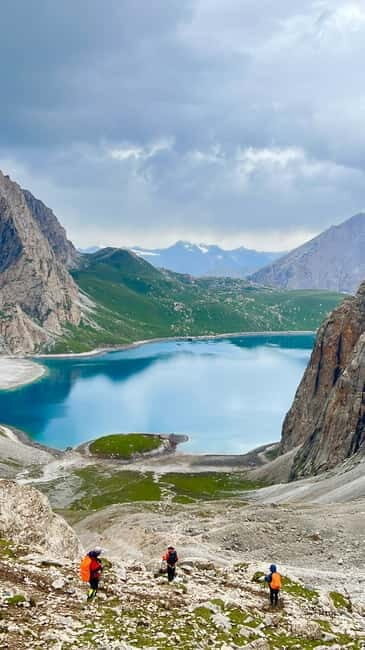
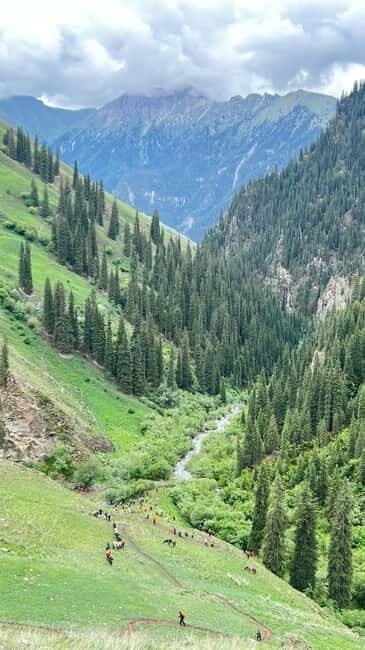
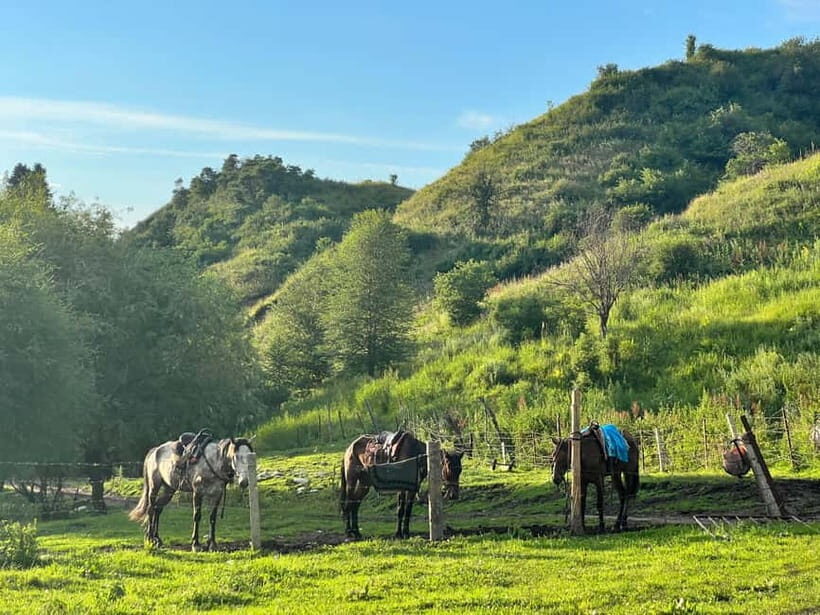
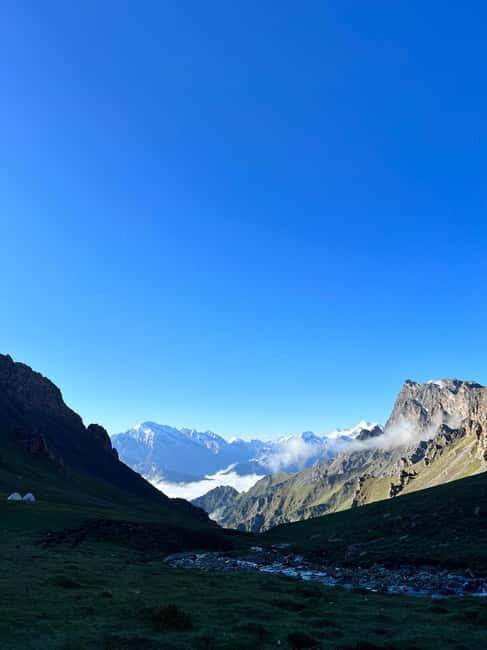
This expedition takes you into the heart of the Tianshan Mountains—a mountain range that acts as a natural barrier and cultural crossroads. Starting from Yining, in northwest Xinjiang, the route traces the path once traveled by Silk Road traders and the ancient Wusun people—ancestors of today’s Kazakhs.
The journey is thoughtfully designed by ShanTour, ensuring you experience the best natural vistas and cultural touchpoints while maintaining a comfortable and organized itinerary. A mix of hiking, camping, and cultural encounters makes it a compelling choice for those eager for authenticity and adventure.
You can also read our reviews of more hiking tours in Asia
Day-by-Day Breakdown of the Itinerary
Day 1: Arrival in Yining
The adventure begins with your arrival in Yining, a city that acts as a gateway into the region’s layered history and scenic beauty. After checking into a hotel, you’ll have free time to explore or prepare supplies. The guide will hold a briefing, giving vital tips on gear and what to expect.
Tip: Use this time to chat with your guide about the upcoming days—they’re locals and know the terrain well.
Day 2: Yining to Tekes and Qiongkushitai Valley
Travel by car from Yining to Tekes, a town known for its geometric Eight Trigram layout—a surprising sight in this remote area. After a hearty lunch, the convoy continues over the vast grasslands to Qiongkushitai Village, the starting point of the trek.
The first hike is manageable—about 8 km into the Wusun Trail, gaining around 500 meters of elevation. You’ll camp in the Qiongkushitai Valley, a peaceful spot surrounded by sweeping grasslands and distant peaks.
More Great Tours NearbyDay 3: Ascending the Qiong Paddle and Descending into Kekesu Canyon
Start the day with a climb to 3,750 meters at the Qiong Paddle, offering panoramic views of the snow-capped Tianshan. The landscape changes dramatically here as you descend into the Kekesu Canyon, a deep, dramatic gorge carved by glacial rivers.
This 20 km day involves some elevation gain but is balanced by stunning vistas—think rushing waters, rugged cliffs, and alpine flora. Camping here puts you right in the wilderness with easy access to starry nights.
You can also read our reviews of more tours and experiences in Asia
Day 4: Into Kuokesu Valley and River Crossings
Today, you follow the Kuokesu River, crossing a metal bridge and trekking through lush streams. The route features a gentle descent, leading you to a rustic wooden hut on the grassland. Expect to walk another 20 km, with a mix of flat and downhill sections.
A highlight is the opportunity to cross the river on foot, supported by the help of pack horses. The scenery remains pristine—ideal for photography and quiet reflection.
Day 5: “Heaven” Lake and Rest Day
The trek continues upstream along Bulake Creek to reach the “Heaven” Lake, a serene spot known for its incredible clarity and surrounding peaks. Arriving around noon, you’ll have the afternoon free: options include horse riding, relaxing by the lake, or simply soaking in the views.
This day offers a well-deserved break in the journey, allowing you to process the natural beauty around you.
Day 6: Crossing Akbulak Paddle and Descending to Bozkelik Valley
In the morning, you cross the Akbulak Paddle at 3,850 meters, a challenging but rewarding pass. The descent into the Bozkelik Valley involves crossing the Bo River multiple times—over 40 crossings, according to some reviews!
By evening, you’ll reach your camp along the river, surrounded by lush greenery and the sounds of flowing water. Expect to walk about 24 km, with significant elevation change, but the scenery makes every step worthwhile.
Day 7: Final Trek to Mount Heiying and Departure
The last day involves crossing the Bo River again, then climbing to Mount Heiying. After reaching the summit, you’ll head back by vehicle to Kuqa, where transportation options like trains or flights are available for your onward journey.
This final segment is roughly 8-9 hours of walking, but the sense of accomplishment is immense—you’re walking in the footsteps of ancient travelers.
What’s Included and What to Budget For
The tour offers a comprehensive package—professional guides, support teams with local Kazakh guides and horses, all meals, and camping gear. The private transfers from Yining to Qiongkushitai and from Mount Heiying to Kuqa help streamline logistics.
The support team’s use of well-designed campsites and careful itinerary planning means you’ll avoid common pitfalls like poorly chosen sites or inadequate supplies. Plus, the inclusion of emergency satellite phones and GPS adds peace of mind in remote areas.
While the price of $2,900 might seem steep, it covers nearly all essentials, making it easier to focus on the experience rather than logistics. Keep in mind that personal expenses, optional activities, or upgrades are not included, so budget accordingly.
The Experience of Camping in Remote Wilderness
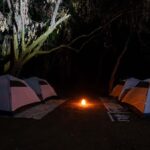
Camping on grasslands and mountain slopes means nights under a blanket of stars, with the Milky Way often visible. Many reviews mention the crisp mountain air, the sound of flowing rivers, and the spectacle of untouched nature. Camp facilities are basic but comfortable enough for a true outdoor experience.
Guests have praised the professional support team for their helpfulness and expertise, which makes camping in remote settings more manageable, especially for first-timers.
Transportation and Group Dynamics
Transportation from Yining to Tekes and Mount Heiying to Kuqa is handled via private vehicles, making the journey smoother than trying to DIY. The group size typically remains manageable, with a focus on safety and personal attention from guides.
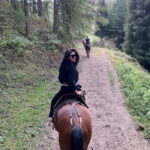
The use of pack horses for river crossings and supply transport adds a traditional touch, making the experience authentic and less physically demanding when it comes to carrying gear.
Guides and Local Knowledge
The guides are fluent in English and Chinese, with local Kazakh guides contributing invaluable cultural insights. Their familiarity with the terrain ensures you get the most out of each stop—whether pointing out rare flora or sharing stories about Kazakh nomad life.
Guests have appreciated the guides’ patience and willingness to accommodate individual needs, making the trek accessible for those with decent fitness levels.
Final Thoughts: Who Should Consider This Trek?
This 7-day trek is best suited for adventurous, physically capable travelers who crave authenticity and natural beauty. If you’re eager to explore a lesser-known part of China, connect with Kazakh culture, and challenge yourself physically, this trip will deliver in spades.
Those looking for a luxurious or highly comfortable experience might find camping and remote locations less appealing. Meanwhile, travelers with a keen interest in history and landscape photography will find the scenery especially rewarding.
While the price reflects the comprehensive support and exclusive access to this unspoiled environment, the value lies in the combination of natural spectacle, culture, and the sense of achievement.
FAQ
Is this tour suitable for children?
No, it is not recommended for children under 8 years due to the physical demands and remote nature of the trek.
What should I bring for this adventure?
Warm clothing, a hat, camera, hiking shoes, sunscreen, water, packed lunch, water shoes, and a sleeping bag are essential.
Are meals provided?
Yes, full meal service is included during the trek, with supplies transported by horses.
Can I cancel the tour?
Yes, you can cancel up to 24 hours in advance for a full refund.
What language do guides speak?
Guides speak English, Chinese, and local Kazakh languages, ensuring clear communication.
Is the accommodation in tents or fixed structures?
Camping in tents on designated sites is included; there are no fixed lodges along the route.
Are there any age restrictions?
Yes, the tour is not suitable for children under 8, pregnant women, or people with mobility or health issues.
What is the main highlight of this trip?
The combination of dramatic mountain scenery, crossing the historic Wusun Trail, and authentic Kazakh nomad encounters.
How physically demanding is the trek?
It involves hiking with some significant elevation gains and long distances but is manageable for those in good shape prepared for mountain terrain.
To sum it up, this trek offers a genuinely enriching blend of natural beauty, cultural discovery, and outdoor adventure. It’s ideal for travelers who want to go beyond the usual sightseeing and truly experience the raw, unspoiled wilderness of Xinjiang. Whether you’re an avid hiker, history buff, or culture seeker, this journey promises memories as vast and awe-inspiring as the mountains themselves.
You can check availability for your dates here: