Exploring Sri Lanka isn’t just about temples and lush landscapes — it’s also about experiencing the country’s deep-rooted culinary heritage. This hands-on cooking tour in Anuradhapura promises an authentic taste of Sri Lanka’s traditional methods, using age-old tools and techniques that have been passed down through generations. While it’s not a fancy restaurant experience, it offers genuine insight into village life and local food preparation.
What makes this tour particularly appealing? First, you get the chance to use traditional cooking equipment like mortar and pestle, grinding stones, and woven trays, which adds an immersive and tactile element. Second, the experience of cooking on a wood-fired stove with clay pots is both atmospheric and practical, giving you a real taste of how ancestors prepared meals. Third, the cultural stories shared along the way deepen your understanding of Sri Lankan history and food culture.
A potential consideration? The activity is quite hands-on and physical, so it’s best suited for those comfortable with a bit of manual effort and getting a little messy. Also, since spots are limited and booking isn’t immediate, planning ahead is wise.
This experience is ideal for travelers who love authentic cultural interactions, enjoy culinary adventures, and want to learn practical skills they can take home. It’s perfect whether you’re a home cook, a history buff, or simply curious about Sri Lankan life beyond the tourist spots.
- Key Points
- An In-Depth Look at the Anuradhapura Cooking Tour
- Arrival and Setting: A Rustic Introduction to Sri Lankan Village Life
- The Equipment: Ancient Tools with a Modern Twist
- Coconut Scraping and Village Skills
- Cooking on a Wood-Fired Stove
- Serving and Eating: Local Flavors and Stories
- Additional Artifacts and Tools
- Duration, Cost, and Practicalities
- What Past Participants Say
- Final Thoughts: Who Will Love This Experience?
- FAQ
- The Best Of Anuradhapura!
- More Cooking Classes in Anuradhapura
- More Tour Reviews in Anuradhapura
Key Points
Authentic cooking methods: Learn to cook using tools and techniques that have been used for centuries.
Cultural insights: Gain stories and context about Sri Lanka’s culinary history from local guides.
Hands-on experience: Engage directly in preparing ingredients, grinding spices, and cooking on a traditional stove.
Village setting: Enjoy a rustic, natural environment in a traditional village atmosphere.
Affordable price: At just $30, this offers great value for an immersive, educational experience.
Limited spots: Early booking is recommended due to small group sizes and high demand.
👉 See our pick of the 15 Of The Best Tours In Anuradhapura
An In-Depth Look at the Anuradhapura Cooking Tour
You can also read our reviews of more cooking classes in Anuradhapura
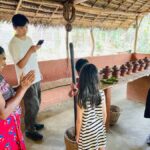
Arrival and Setting: A Rustic Introduction to Sri Lankan Village Life
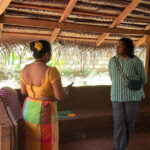
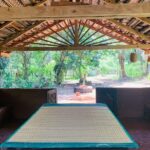
The tour begins at an authentic village setting where you’ll step into a large clay kitchen with a coconut-leaf roof, surrounded by greenery. This is not a polished tourist spot but an actual working kitchen where locals cook daily. The rustic charm immediately sets the tone, immersing you in the simplicity and authenticity of rural Sri Lanka.
Host guides from GK Immersions, who are experienced in sharing traditional techniques, welcome guests warmly. They tend to keep groups small, ensuring personalized attention and plenty of opportunities to ask questions or try equipment yourself.
The Equipment: Ancient Tools with a Modern Twist
One of the highlights is getting familiar with traditional Sri Lankan cooking tools. You’ll learn how to use a mortar and pestle to crush herbs and spices — an essential step for unlocking bold flavors. Many reviewers appreciated the “fun and meditative” aspect of grinding spices manually, which gives a real sense of connection to the process.
You’ll also get to try crushing grains on a grinding stone, which not only teaches about flavor extraction but also highlights how labor-intensive and skillful traditional cooking is. A common comment from past participants is that these tools give a much richer flavor profile than modern blenders or grinders.
Coconut Scraping and Village Skills
Another memorable part is scraping coconut with a hiramanaya. This simple yet satisfying task connects you to Sri Lanka’s coconut-centric cuisine, which features heavily in local dishes. One reviewer described it as “a fun kitchen secret that every Sri Lankan home cook knows,” emphasizing how this skill is both practical and cultural.
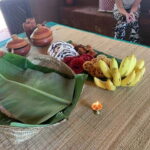
You’ll also see and practice using woven trays (Pan Wattiya) and winnowing baskets (Kulla), which villagers still use for sorting grains and rice. Observing and trying these tools adds a tactile, sensory dimension to the experience, emphasizing the resourcefulness of traditional village life.
More Great Tours NearbyCooking on a Wood-Fired Stove
Cooking on a wood-fired stove might be the most atmospheric part of the tour. The hosts demonstrate how to prepare a simple, flavorful meal using clay pots and coconut-shell firewood. Many find this method more rewarding than modern appliances — the smoky aroma of the fire and the tactile feedback of cooking with natural materials create an authentic atmosphere.
As the fire crackles, guides share stories of how these stoves have been used for generations in Sri Lanka’s Rajarata Kingdom, linking cuisine to history. Participants often comment that the process feels “like stepping back in time,” and many appreciate learning the practicalities of cooking over an open flame.


Serving and Eating: Local Flavors and Stories
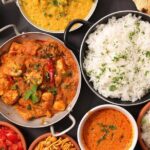
Once your dish is ready, you’ll serve it on woven trays and enjoy a meal that’s simple, full of flavor, and rooted in tradition. The guides share cultural stories and history about Sri Lankan food, helping you appreciate not just the flavors but also the stories behind each dish.
Additional Artifacts and Tools
The tour introduces other traditional items like Labu Ketaya — a dried gourd used as a natural water bottle, showcasing sustainable craftsmanship. Holding this eco-friendly container underscores Sri Lanka’s resourcefulness and respect for nature, themes woven throughout the experience.
Duration, Cost, and Practicalities
At $30 per person, this tour offers exceptional value considering the depth of engagement and cultural insight. It typically lasts around 2-3 hours, making it a manageable addition to your sightseeing schedule.
Guides are fluent in English and passionate about sharing their heritage, making the experience accessible and engaging. The activity ends back at the starting point, where you’ll likely leave with not only new cooking skills but also a deeper appreciation of Sri Lankan village life.
What Past Participants Say
Reviewers often praise the “authenticity” and “hands-on nature” of the experience, with many mentioning the joy of using traditional tools. One noted that “it’s not a tourist gimmick — it’s real life, and you can tell how much passion these guides have for sharing their culture.”
Some mention that the physicality of grinding and scraping can be tiring, but most agree the effort is worth it for the genuine connection to the food and its roots.
Final Thoughts: Who Will Love This Experience?
This traditional Sri Lankan cooking tour is perfect for travelers who seek more than just sightseeing — those who want to understand local culture through food. It’s ideal for people curious about practical skills, heritage, and authentic village life.
If you’re looking for a relaxed, guided experience that combines storytelling, craftsmanship, and delicious food, you’ll find this tour to be both enjoyable and educational. Keep in mind that it’s quite interactive and physical, so be prepared for some manual work.
For travelers on a budget, it offers great value, providing hands-on skills you can replicate at home, and a window into Sri Lanka’s culinary soul. Just remember to book early because spots are limited, ensuring a more personalized experience.
FAQ
How much does the tour cost?
The experience costs $30 per person, which covers all ingredients, use of traditional tools, guidance, and the cultural stories.
What should I wear?
Wear comfortable clothes suitable for cooking and possibly getting a little dirty, as you’ll be working with natural ingredients and tools.
Is this tour suitable for children?
Most likely yes, especially if children enjoy hands-on activities and don’t mind some manual work, but it’s best to check with the provider first.
What is included in the experience?
The tour includes a hands-on cooking experience, use of traditional tools, guidance from specialists, ingredients, and cultural stories about Sri Lankan cuisine.
Where does the tour start and end?
It begins at an authentic village setting with a clay kitchen and ends back at the same meeting point.
How long does it last?
The activity usually lasts around 2-3 hours, making it easy to fit into a day of sightseeing.
Can I book this experience in advance?
Yes, booking early is recommended as spots are limited, and you can reserve and pay later to keep your plans flexible.
Is the guide fluent in English?
Yes, the guides speak English and are enthusiastic about sharing their knowledge and culture.
Will I get to taste the food I cook?
Absolutely — you will enjoy a meal prepared on-site, which is often described as full of bold, authentic flavors.
Is this experience suitable for solo travelers or groups?
It works well for both solo travelers seeking cultural connection and groups wanting a shared, meaningful activity.
This tour in Anuradhapura offers a wonderful blend of cultural insight, practical skills, and authentic flavor — a true taste of Sri Lanka’s culinary soul that’s worth every minute and rupee.
You can check availability for your dates here: