
- Exploring the Birgel Watermill: A Genuine Look at an Authentic Eifel Experience
- Key Points
- Discovering the Birgel Watermill
- Location and Setting
- The Mills and Their Stories
- The Baking Tradition
- The Schnapps Distillery
- Regional Tastes and Hospitality
- Practicalities and Tips
- The Value of the Experience
- Who Should Consider This Tour?
- FAQ
- More Tour Reviews in Birgel
Exploring the Birgel Watermill: A Genuine Look at an Authentic Eifel Experience
If you’re visiting the Rhineland-Palatinate region and want to step back into a world where craftsmanship and tradition shaped daily life, the guided tour of the Birgel Watermill offers an engaging peek into history. This isn’t just a sightseeing stop; it’s a chance to see real, working mills, taste regional produce, and appreciate how water power once fueled local industry.
Our review highlights three things we love about this experience: the variety of mills you get to see — from flour to mustard to oil, the opportunity to taste fresh, homemade products, and the chance to learn about old-fashioned craftsmanship from passionate guides. One potential consideration is the tour’s focus on German, which might limit understanding for non-German speakers, although guides are often engaging and knowledgeable.
This tour suits history buffs, families eager for hands-on learning, and anyone curious about traditional food production or rural industry. It’s perfect for those who appreciate authentic local culture and enjoy interactive, educational experiences in scenic settings.
You can check availability for your dates here:Key Points
- Authentic working mills: See four fully functional mills, including a 13th-century flour mill.
- Hands-on learning: Discover how grain, mustard, and oil are traditionally processed.
- Tasting opportunities: Sample mustard, oil, schnapps, bread, and flour during the tour.
- Historic significance: Learn about the evolution of water-powered milling, including a hydroelectric upgrade in 1917.
- Family-friendly: Suitable for children and groups, with options for tailored experiences.
- Relaxed pace: The 75-minute guided tour offers a clear, manageable introduction to the site.
You can also read our reviews of more tours and experiences in Birgel.

Discovering the Birgel Watermill
The Birgel Watermill in the Vulkaneifel is more than just an old building; it’s a lively place where history, craftsmanship, and hospitality come together in a picturesque rural setting. This experience offers not just a view of historical machinery but also a chance to understand how water power was harnessed to produce everyday essentials like flour, mustard, and oil.
Location and Setting
Set in the scenic landscape of the Vulkaneifel, the watermill benefits from the area’s volcanic backdrop and lush surroundings. The grounds are beautifully maintained, with the restored mills sitting gracefully amid nature, making the entire experience feel both educational and peaceful. The site is accessible for wheelchairs, ensuring that everyone can enjoy the tour.
The Mills and Their Stories
On the tour, you’ll visit four different mills, each with its own story and function:
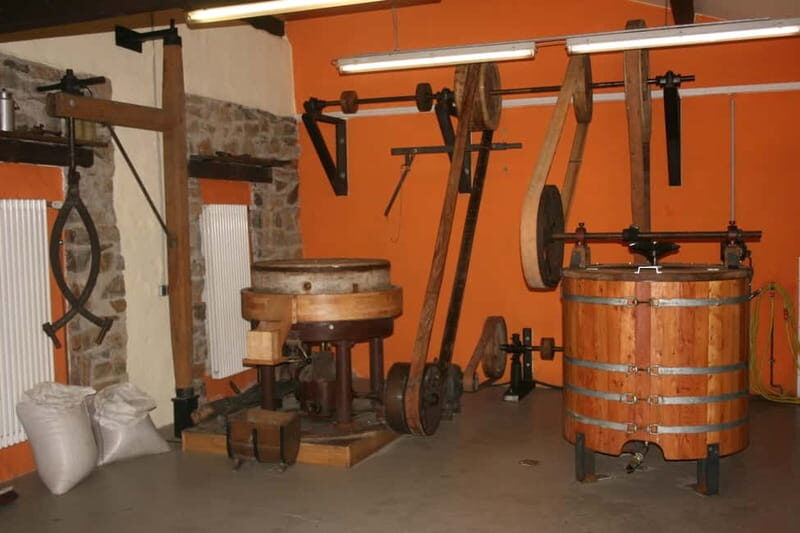
- The Flour Mill: Dating back to the 13th century, this mill was modernized in 1917 with a hydroelectric turbine — making it the largest in the Daun district. As you observe the milling process, you’ll understand how water was used to power the machinery, a vital component in pre-electric times. Visitors have noted that the guide explains the milling process clearly, making it easy to follow even for those unfamiliar with traditional machinery.
- Mustard Mill: Discover how mustard seeds are ground and blended into regional specialties. This part of the tour often surprises visitors as they see the process firsthand and learn about the local traditions of mustard making. Some reviewers mention the mustard tasting as a real highlight, giving a flavorful appreciation of this often-overlooked condiment.
- Oil Mill: This mill showcases how oil is pressed from seeds or nuts, again illustrating water’s role in powering the machinery. Visitors appreciate seeing the process from raw seed to finished oil, which they can then sample.
- Sawmill: The guided tour also features a sawmill, demonstrating how timber was traditionally processed using water-driven saws. It’s a lovely, nostalgic reminder of rural craftsmanship, often described as “impressive” by visitors.
The Baking Tradition
One of the standout features of the Birgel Watermill experience is the bakery, where sourdough bread is baked in a traditional stone oven. Visitors often comment on the authenticity of the process, which involves recipes passed down through generations. The smell of freshly baked bread creates a warm, inviting atmosphere, and the bread’s texture and flavor reflect genuine craftsmanship. It’s a treat for those who love fresh, handmade bread and appreciate the slow art of baking with sourdough.
The Schnapps Distillery
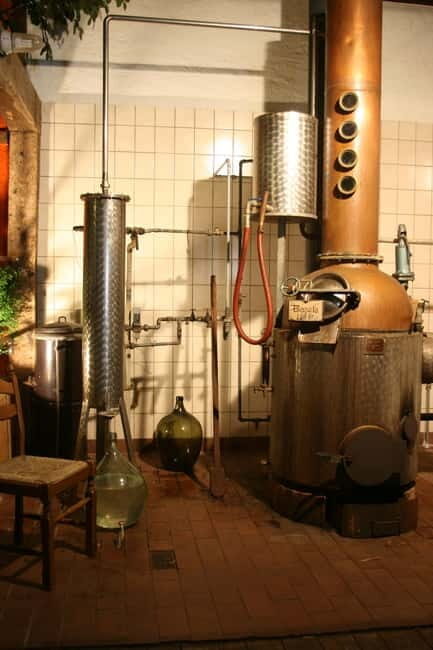
Another highlight is the on-site schnapps distillery, which was a passion project for head miller Erwin. Visitors can join a distillation course, learn about the process, and taste the schnapps produced. Reviewers often find the tasting session particularly enjoyable, as the spirits have a true regional character, and the guide shares fascinating insights into the traditional distillation methods.
Regional Tastes and Hospitality
After the educational part of the tour, you can visit the mill’s restaurant to enjoy regional specialties like freshly baked bread, mustard, or home-brewed beer. While these are self-pay, many find the prices reasonable considering the quality and authenticity of the food. The relaxed atmosphere makes it a perfect spot to unwind and reflect on what you’ve learned.
Practicalities and Tips
The 75-minute guided tour is accessible and runs at various times — it’s advisable to check availability beforehand. The group size tends to be manageable, allowing for personalized attention, and guides speak German fluently and engagingly. The site is fully ground-level, making it suitable for wheelchair users. Since the noise of the mills is brief, it won’t be disruptive for sensitive visitors.
If you want to extend your experience, you might enjoy a stop at the nearby beer garden or Wirtshaus zum Sägewerk for a relaxed meal or drink. For bigger groups, especially those interested in beer, a brewery tour can be arranged, offering a more in-depth look at regional brewing traditions.
The Value of the Experience
While the tour’s ticket price covers the guided visit and product tastings, the true value lies in the authentic insights and hands-on demonstrations. Seeing four different mills in operation, learning about traditional methods, and sampling regional products in one place offers a comprehensive cultural snapshot. The inclusion of a bread-baking demonstration and schnapps tasting adds a sensory dimension to the learning, making it memorable.
Compared with other cultural or museum visits in the region, the Birgel Watermill offers a more dynamic, live experience. It’s especially good for those with a curious mind and a taste for traditional food and craft. The fact that the site is maintained so well and that the guides are enthusiastic about sharing their knowledge makes this a worthwhile stop.
Who Should Consider This Tour?
This experience is ideal for travelers interested in history, food, and craft — particularly those who enjoy seeing craftsmanship in action. Families with children will find it engaging and educational; the manageable tour duration makes it accessible for most ages. It also suits groups celebrating special occasions or looking for a unique team-building activity rooted in tradition.
If you’re seeking a scenic, informative, and tasty outing in the Vulkaneifel, the Birgel Watermill strikes a great balance of authenticity and entertainment. It offers a genuine taste of rural life, with plenty of opportunities to learn, taste, and relax.
FAQ
Is the tour suitable for wheelchair users?
Yes, the entire experience is at ground level and wheelchair accessible, making it inclusive for all visitors.
How long does the tour last?
The guided walk lasts approximately 75 minutes, giving enough time to see the mills and learn about their history without feeling rushed.
Are the guides speaking in English?
The tour is primarily conducted in German, but guides are knowledgeable and engaging. It’s advisable to check for availability if you prefer an English-speaking guide.
Can I taste the products during the tour?
Absolutely. You will have the chance to taste mustard, oil, schnapps, bread, and flour during the guided visit, all included in the experience.
Is it possible to enjoy regional meals on-site?
Yes, after the tour, you can visit the mill restaurant for regional specialties like freshly baked bread or local mustard. Meals are self-paying.
Do I need to reserve in advance?
Yes, booking ahead is recommended, especially during busy seasons or for specific times. You can reserve now and pay later, offering flexibility.
What is the best time to visit?
The tours are scheduled at various times; checking availability and booking in advance ensures you don’t miss out. The site is beautiful year-round, but spring and summer offer the loveliest scenery.
To sum it up, the guided tour of the Birgel Watermill offers a well-rounded, authentic look into traditional water-powered milling, combined with tastings and insights that bring history to life. It’s a thoughtful experience for curious travelers, families, or anyone wanting to connect with regional crafts and heritage in a scenic, relaxed setting. Whether you’re a history lover or a foodie, this tour provides a meaningful and enjoyable way to spend part of your time in the Vulkaneifel.
You can check availability for your dates here: