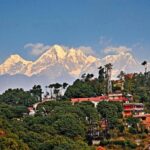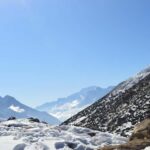
Travelers who love challenging hikes, remote scenery, and rich cultural experiences will find the Manaslu Circuit Trek a compelling choice. Touted as one of the best treks in Nepal, it offers a less crowded alternative to the popular Annapurna Circuit, with equally stunning vistas and a sense of pioneering adventure. From lush lowland terraces to icy mountain passes, this journey promises a mix of physical challenge and authentic Himalayan charm.
What makes this trek particularly appealing? We’ve noted three standout aspects: first, the expert guides who bring local knowledge and camaraderie; second, the spectacular mountain scenery—including views of peaks like Manaslu (8,163m) and Annapurna II (7,937m); and third, the culture in villages influenced heavily by Tibetan and Buddhist traditions.
One potential consideration is the price point, which at $1,081 per person, reflects a good value considering all included services. However, it’s important to remember that the trek demands physical fitness and acclimatization days. Ideal for seasoned trekkers, this experience is best suited for those craving solitude, natural beauty, and a touch of Nepalese culture away from the crowds.
- Key Points
- Starting Point: Soti Khola and the Journey Begins
- Day 2 & 3: Into the Wilds & Crossing Bridges
- Days 4-6: Entering the Heart of Tibetan Influence
- Days 7-9: Into the Nubri Valley and High Altitude
- High-Altitude Days: Samdo & Beyond
- The Climax: Larkya La Pass and Downhill to Bimthang
- Final Days & Return to Kathmandu
- The Overall Value and Experience
- Practical Considerations
- The Best Of Kathmandu!
- More Hiking & Trekking Tours in Kathmandu
- More Tour Reviews in Kathmandu
Key Points
- Authentic Remote Experience: Far from the busier trails, with fewer trekkers, offering a sense of discovery.
- Expert Guides & Support: Guides like Dilman and KP are praised for their knowledge, flexibility, and friendly approach.
- Stunning Mountain Views: Spectacular vistas of Himalayan giants, including Mount Manaslu and Annapurna II.
- Cultural Encounters: Visiting Tibetan-influenced villages, gompas, and monasteries enriches the trek.
- Physical Challenge & Altitude acclimatization: Elevated passes like Larkya La (5,160m) demand preparation and patience.
- Value for Money: The cost includes transportation, all fees, and meals, offering a comprehensive package.
The Manaslu Circuit Trek is a bucket-list adventure for those who want to see Nepal beyond the crowds. Covering approximately 14 days, it combines physical endurance with cultural exploration and offers some of the most spectacular mountain scenery you can find in the Himalayas. Let’s take a closer look at what makes this trek worth considering—and what potential drawbacks to keep in mind.
👉 See our pick of the Discover 12 Great Airport Transfers In Kathmandu
Starting Point: Soti Khola and the Journey Begins
Your trek kicks off from Soti Khola, accessible via a long but scenic drive from Kathmandu. Most travelers arrive by bus, jeep, or private vehicle, with the latter providing more comfort and flexibility. The initial days are spent winding through terraced rice paddies, sal forests, and along rushing rivers. These early stages are relatively moderate, offering time to acclimate and get your legs moving.
As you leave the lowlands, the trail winds up through villages inhabited mostly by Gurung and Ghale peoples. The ride to Soti Khola is bumpy—reviewers mention dusty roads and the importance of a comfortable ride, especially if you’re traveling with kids or seeking ease after a long flight.
You can also read our reviews of more hiking tours in Kathmandu
Day 2 & 3: Into the Wilds & Crossing Bridges
By day 2, you’ll already be feeling the wilderness as you trek from Maccha Khola to Machhakhola. The route crosses waterfalls, rivers, and high cliffs, giving you a taste of the dramatic terrain ahead. Expect to see mule trains, a common sight on this route, and be sure to stay alert near the trail edges—reviewers advise standing on the hillside when mules pass to avoid slips.
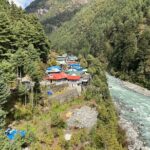
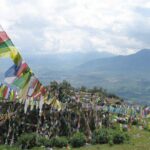
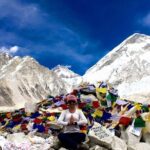
On day 3, you’ll continue along the Buri Gandaki River, passing through lush forests and Gurung villages. Crossing suspension bridges over the river and stopping at hot springs in Tatopani are highlights. This day is a mix of scenic walking and cultural exposure, especially as you pass prayer flags, gompas, and locals praying at river edges.
Days 4-6: Entering the Heart of Tibetan Influence
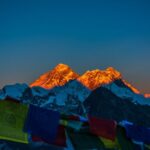
As we progress, the trail becomes more Tibetan-influenced, with many villages like Namrung and Lho showcasing traditional dress, mani walls, and Buddhist monasteries. The views of Mount Manaslu become more prominent from Lho, where many trekkers note the awe-inspiring sight of the mountain towering overhead.
The trail through landslide zones requires extra care, but the scenery compensates—dense pine, fir, and rhododendron forests, along with traditional Tibetan architecture. One reviewer mentioned that Namrung has a boutique hotel with excellent coffee and Wi-Fi, an unexpected luxury in this remote environment.
Days 7-9: Into the Nubri Valley and High Altitude
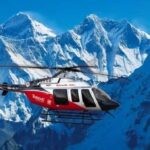
The trek then reaches Sama Gaun, a large village with a monastery, health post, and even a heliport—a sign of the increasing altitude and infrastructure. Here, the mountain views are replaced by yak pastures and alpine meadows, giving a different flavor to the landscape.
At this stage, acclimatization is critical. Reviewers speak highly of the support from guides like Dilman and KP, who help with hydration, pacing, and altitude sickness support. Optional hikes to Birendra Tal (a lake) or Pungyen Gompa are popular for acclimatization.
From Sama Gaun, a short hike takes you to Manaslu Base Camp at 4,400m, which is perfect for adjusting to the thin air while soaking in mountain views and taking photos of glaciers and peaks.
High-Altitude Days: Samdo & Beyond
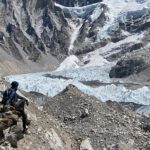
The days in Samdo involve exploring yak pastures, the Tibetan border, and distant glaciers. The trek to Samdo Peak offers views of Tibet and the Samdo Glacier, which reviewers describe as breathtaking. This part of the trek showcases the stark beauty of Himalayan highlands and the livelihood of Tibetan-inspired communities.
The key here is patience and gradual ascent, with some travelers noting that these days at altitude are exactly what makes the trek adventurous and rewarding. Guides like Pemba and KP are praised for their calm, knowledgeable, and flexible approach—many reviewers mention how their guides managed weather changes and altitude issues with ease.
The Climax: Larkya La Pass and Downhill to Bimthang
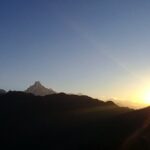
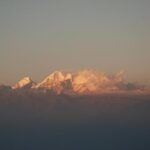
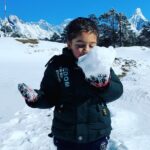
The highlight—and most physically demanding part—is crossing Larkya La at 5,160 meters. The early morning start is crucial to beat weather and ensure safety, as snow or bad weather can make the pass more challenging. The ascent is steep, but the views from the pass are absolutely worth it: Annapurna II, Himlung, Kang Guru, and more peaks line the horizon.
Descending from the pass, the trail passes icefalls and rugged mountains before reaching Bimthang, a picturesque village where many reviewers feel a sense of accomplishment and awe. The downhill days are physically taxing but rewarding, with lush forests and waterfalls signaling the nearing end of your adventure.
Final Days & Return to Kathmandu
From Bimthang, the trek descends through alpine forests, fields, and villages until reaching Karche, where you’ll have a final meal before the long walk or jeep ride back to Kathmandu. The journey back is about 10 hours, so comfortable transportation options like private jeeps are recommended for a smoother return.
The Overall Value and Experience
Priced at $1,081 per person, this package covers transportation, all fees, and meals, making it a comprehensive deal. The inclusion of meals—breakfast, lunch, and dinner—along with pickup services, allows trekkers to focus on the experience without worrying about logistics. Reviewers consistently highlight the quality of guides like Dilman, KP, and Pemba, who are praised for their enthusiasm, flexibility, and deep local knowledge.
You’ll love the way guides share insights into Buddhist traditions, Tibetan influences, and local customs, enriching your understanding of the region. Their ability to adapt to weather and altitude issues, along with their friendly approach, makes the journey smoother and more enjoyable.
Practical Considerations
While the trek is well-loved, it is physically demanding, with some days exceeding 10 hours of walking. It’s suited for experienced trekkers who have a good level of fitness and are prepared for high-altitude conditions. The remote nature of the trail means facilities are basic—expect simple teahouses, limited Wi-Fi, and a focus on communal meals.
The weather variability—snow, rain, or clear skies—can impact your plans, especially near the pass, so flexibility is key. Also, the trek’s cost reflects its all-inclusive nature, but travelers should budget for personal expenses outside the package, such as hotel stays in Kathmandu or optional side trips.
This trek is ideal for seasoned hikers looking for a less crowded trail with authentic cultural encounters. If you enjoy mountain panoramas and are comfortable with high-altitude trekking, you’ll find this route both challenging and deeply rewarding. It’s also perfect for those wanting to explore Tibetan-influenced villages and experience Nepal’s more remote corners.
If you prefer more luxury or are new to high-altitude trekking, you might want to prepare thoroughly or consider guided support with experienced guides, which this tour provides.
The Manaslu Circuit Trek offers a rare blend of dramatic scenery, cultural richness, and adventure. It’s a journey that pushes your limits while rewarding you with some of the most breathtaking views and authentic Himalayan encounters in Nepal. The knowledgeable guides, good value, and remote charm make this trek an excellent choice for those seeking something more than the typical tourist trail.
Whether you’re chasing the thrill of the high passes or seeking a deeper connection with Nepalese culture, this trek will leave you with unforgettable memories. Preparedness, patience, and a sense of adventure are the only ingredients you’ll need to enjoy this extraordinary journey.
How long is the Manaslu Circuit Trek?
It typically lasts around 14 days, including travel, acclimatization, and the trek itself.
What’s the cost of the tour?
The price per person is $1,081, which covers transportation, all fees, meals, and guided support.
Is it suitable for beginners?
No, this trek requires a good level of physical fitness and prior trekking experience due to high altitude and rugged terrain.
Are meals included?
Yes, breakfast, lunch, and dinner are included over the 14 days, allowing you to enjoy local cuisine and sustain your energy.
What makes guides like Dilman and KP stand out?
They are praised for their knowledge, flexibility, friendliness, and ability to handle altitude and weather challenges with calm professionalism.
Can I expect good scenery?
Absolutely. You’ll see mountains like Manaslu, Annapurna II, Himlung, and Kang Guru, along with glaciers, lakes, and traditional villages.
What about transportation?
You’ll be picked up from Tribhuvan Airport in Kathmandu, and most travel to Soti Khola is by bus, jeep, or private vehicle.
Is there Wi-Fi available?
Some villages, like Namrung, have Wi-Fi and cafes, but expect limited connectivity in remote areas.
What should I pack?
Layered clothing, sturdy trekking shoes, sun protection, and altitude medication if needed. Your guides will advise on essentials.
Can I customize the itinerary?
The tour is private, so flexibility is available—your guides may make adjustments based on weather, fitness, and preferences.
In essence, if you’re looking for a challenging, authentic, and culturally immersive Himalayan trek, the Manaslu Circuit offers an experience that’s tough to beat. Prepare well, choose experienced guides, and get ready for a mountain adventure that will stay with you for years.