
Embarking on the Everest Base Camp trek is already a bucket-list staple, but taking the route via Jiri adds a truly special flavor to the journey. This version, offered by AM Travels and Tours, promises a slower, more scenic introduction to Nepal’s breathtaking landscapes and Sherpa culture, with a detailed itinerary designed for those seeking a deeper connection with the mountains and local villages.
What makes this trek stand out? First, the scenic route via Jiri offers lush forests, terraced fields, and authentic Sherpa villages that you won’t find on the more common Lukla approach. Second, the expert Sherpa guides bring a wealth of local knowledge, sharing stories and traditions that enrich your understanding of the region. Third, the careful culture—visiting monasteries, stupas, and local markets—adds a meaningful layer to the experience.
One consideration: the longer travel time and the 18-day duration mean this trek isn’t for everyone—especially those with limited time or less physical stamina. It’s best suited for travelers who love immersive, off-the-beaten-path experiences and are prepared for some serious walking. This tour is ideal for adventure seekers who want a genuine taste of Himalayan life beyond the usual tourist routes.
- Key Points
- Day 1-2: Kathmandu to Jiri – The Scenic Drive and Trek Start
- Days 3-4: Into the Sherpa Villages and Mountain Views
- Rest Day in Junbesi: Acclimatization and Cultural Exploration
- Days 5-7: Descending through Villages to the Foot of Everest
- Days 8-10: Namche Bazaar – The Sherpa Hub
- Days 11-12: Tengboche and Dingboche
- Days 13-14: Lobuche and the Glacial Moraine
- Days 15-16: Everest Base Camp and Kala Patthar
- Days 17-18: Return Through Lukla to Kathmandu
- What This Tour Offers for Value
- Who Would Love This Trek?
- Final Thoughts
- FAQ
- More Hiking & Trekking Tours in Kathmandu
- More Tour Reviews in Kathmandu
- Still browsing? Here are more Kathmandu experiences we've covered recently
Key Points
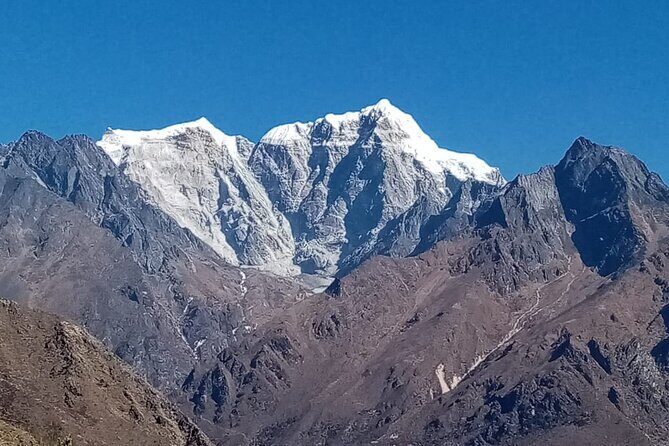
- Unique Scenic Route: Starting from Jiri offers a more gradual, picturesque approach to Everest, passing through forests and villages.
- Authentic Cultural Encounters: Visit monasteries, interact with Sherpa communities, and experience local traditions firsthand.
- Expert Local Guides: Sherpa guides not only navigate the trails but share personal stories and insights about the region.
- Thorough Acclimatization: Multiple rest days at key points help your body adjust to high altitudes, reducing the risk of altitude sickness.
- Comprehensive Inclusions: Accommodation, permits, flights, and transfers are included, making planning easier.
- Potential for Long Days: Expect 6-8 hours of walking most days, which demands good physical fitness.
Day 1-2: Kathmandu to Jiri – The Scenic Drive and Trek Start
Your adventure begins with a 7-8 hour drive from Kathmandu to Jiri, a quiet town often called the “Switzerland of Nepal” for its scenic views. This drive is a highlight in itself, offering glimpses of Nepalese rural life, terraced fields, and distant Himalayan peaks. We loved the way the journey slowly shifts your focus from city hustle to mountain serenity.
Once in Jiri, the trek officially kicks off with a walk through lush forests, crossing suspension bridges, and passing through small villages inhabited by Rai and Sherpa communities. The fresh forest air, the sound of flowing streams, and the chance to spot local wildlife make these days memorable.
Love being outdoors? Check out these other hiking spots we've covered in Kathmandu
Days 3-4: Into the Sherpa Villages and Mountain Views
These days involve steady ascents through rhododendron and magnolia forests, leading up to Lamjura Pass at 3,530 meters. Here, the panoramic mountain views are breathtaking—think snow-capped peaks and sweeping valleys. Descending into Sete, you’ll encounter a quieter, more traditional side of Nepal.
Arriving in Junbesi, a charming Sherpa village known for its hospitality and monasteries, is a highlight. The guides mentioned that the community here is remarkably welcoming, and many travelers appreciate the opportunity to learn about Sherpa culture beyond tourist-heavy areas. Expect gentle walks, local conversations, and possibly a visit to the Monastery or the Sherpa hospital.
Rest Day in Junbesi: Acclimatization and Cultural Exploration
This break day is vital for altitude adjustment. It’s also a chance to relax, stroll around the village, visit monasteries, and interact with locals and monks. The guides emphasize that taking these rest days reduces the risk of altitude sickness, which is a common concern on higher treks.
Days 5-7: Descending through Villages to the Foot of Everest
From Junbesi, the trail takes you past terraced farms and small Sherpa villages like Nunthala and Bupsa. Crossing rivers and walking through oak and rhododendron forests, you’ll enjoy spectacular views of Himalayan peaks. These days are physically demanding but rewarding—most travelers find the scenery constantly inspiring.
As you approach Phakding, the trail becomes more populated with trekkers, but there’s still plenty of authentic mountain life to witness. Everyone we spoke with who has done this route appreciated the chance to see rural Nepal away from the crowds.
Days 8-10: Namche Bazaar – The Sherpa Hub
Crossing multiple suspension bridges over the Dudh Kosi River, you’ll hike into Namche Bazaar, the bustling Sherpa trading center. This is a significant rest and acclimatization day, with options to hike to the Everest View Hotel or visit the Sherpa Cultural Museum.
Reviewers mentioned that guides are excellent at helping travelers acclimate and preparing for the higher altitudes ahead. The town’s lively markets, cafes, and view of Everest make it a favorite spot.
- 4 UNESCO World Heritage Site Tour Nepal
- Kathmandu: Private Sightseeing Tour
- Kathmandu: Private/Group 4 UNESCO World Heritage With Lunch
- Kathmandu: 7 UNESCO Sites Private or Group Tour With Lunch
- Kathmandu: Private/Group Tour to 7 UNESCO Sites With Lunch
- Kathmandu: Local Led Cooking Class: Dal Bhat & Momo Making
Days 11-12: Tengboche and Dingboche
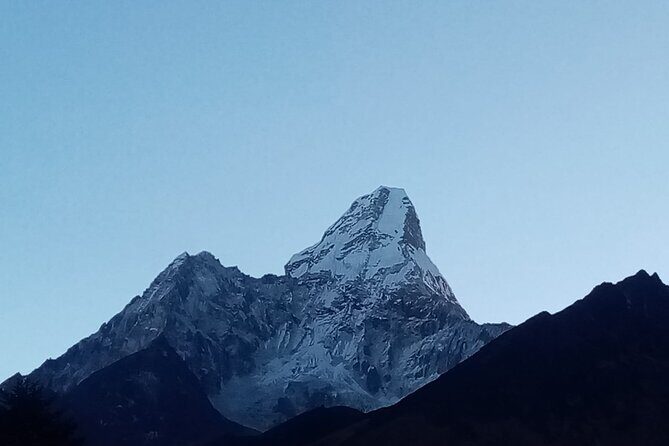
The trek through rhododendron forests to Tengboche offers glimpses of Himalayan wildlife and stunning mountain scenery. The monastery here, with its panoramic views of Everest and Ama Dablam, is a highlight.
The following days at Dingboche serve as additional rest and acclimatization, with hikes to Nagarjun Hill giving spectacular views of numerous peaks like Makalu and Cholatse. The guides noted that Dingboche’s high-altitude environment is perfect for preparing your body for the final push.
Days 13-14: Lobuche and the Glacial Moraine
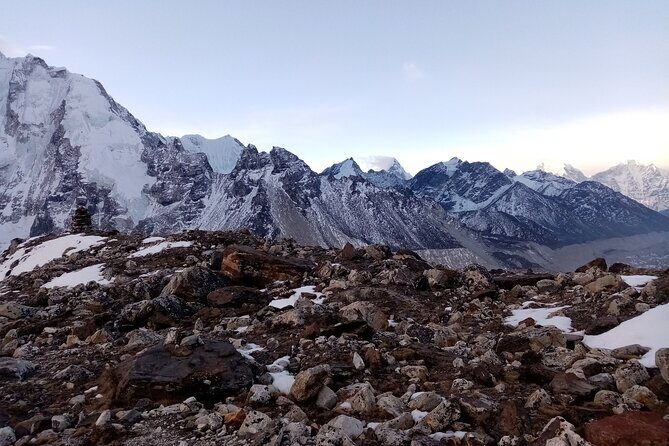
Trekking along the Khumbu Glacier’s moraine, you’ll pass memorials for climbers lost on Everest—a sobering but profoundly moving experience. The views of Nuptse and Pumori are spectacular, and most travelers appreciate the sense of being close to Everest’s heart.
Days 15-16: Everest Base Camp and Kala Patthar
The ultimate goal is Everest Base Camp, reached after a trek to Gorak Shep. Walking into this famous spot, you’ll feel the weight of countless mountaineering stories. The guides stress the importance of a careful pace and acclimatization.
The early morning hike to Kala Patthar for sunrise views of Everest is often called a once-in-a-lifetime moment, with glowing peaks and mountain shadows. The reviews highlight that guides are attentive and helpful in making this climb safe and memorable.
Days 17-18: Return Through Lukla to Kathmandu
Descending back through Pangboche and Tengboche, you’ll make your way to Lukla, the gateway airport for Everest treks. The trek is emotional, with many travelers feeling a mix of exhaustion and accomplishment.
Flying from Lukla to Kathmandu is a highlight, offering a bird’s-eye view of the Himalayas. The final day is free for sightseeing or relaxing in Kathmandu before departure.
What This Tour Offers for Value
At $1,580 per person, this trek provides a significant amount of value considering what’s included: all necessary permits, flights, accommodation in teahouses, and expert Sherpa guides. The cost reflects a comprehensive experience that balances adventure, culture, and logistical convenience—especially important in a remote region like Everest.
The guided nature of the tour means you won’t need to worry about logistics or navigation, making it suitable for those less familiar with trekking or international travel. Plus, the small group size (private tour) offers personalized attention and flexibility.
Who Would Love This Trek?
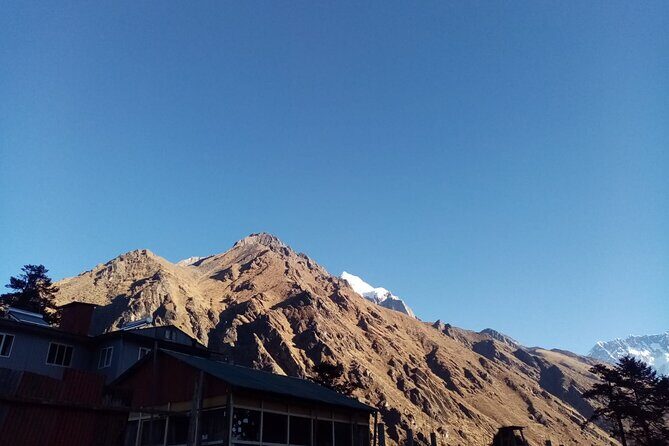
This journey is perfect for travelers seeking a less crowded, more authentic Himalayan experience. Hikers with decent fitness levels will find the daily distances manageable, especially with multiple acclimatization days built in.
It’s also well suited for those interested in cultural interactions—visiting monasteries, interacting with Sherpa communities, and learning about local traditions—beyond just reaching Everest. It’s a great choice for adventurous travelers wanting a slower, more scenic route that offers a deeper connection with the land and its people.
Final Thoughts
This Everest Base Camp route via Jiri offers an enriching alternative to the more common Lukla approach. The combination of stunning scenery, authentic cultural encounters, and expert guidance makes it a compelling choice for travelers who want to go beyond the standard trail.
While the 18-day duration requires commitment and a good level of fitness, the rewards—beautiful landscapes, immersive cultural experiences, and the sense of achievement—are well worth it. The tour’s thoughtful inclusion of rest days and comprehensive logistics ensures a smooth journey, even in challenging high-altitude environments.
If you’re craving a trek that balances adventure with cultural appreciation, and you’re eager to experience the Himalayas in a more intimate way, this Jiri route could be your ideal trek.
FAQ
Is this tour suitable for beginners?
While it’s accessible for travelers with good physical fitness, the overall length and altitude mean some trekking experience or preparation is recommended. The rest days help acclimate, but consistent stamina is key.
Are meals included?
The tour includes accommodation and flights, but personal expenses and meals are not included in the price. You’ll find teahouses along the route offering local Nepali cuisine.
What is the ideal time to do this trek?
Though not specified, most Himalaya treks are best from pre-monsoon (spring) or autumn when the weather is clearer and temperatures are milder.
How is transportation organized?
Transportation includes a shared bus from Kathmandu to Jiri and a flight from Lukla back to Kathmandu. The rest of the journey is on foot, with guides navigating the trails.
What level of physical fitness do I need?
A strong fitness level is necessary, especially since the trek involves 6-8 hour walking days and high-altitude climbs. Prepare with cardio and hiking in advance.
Is this a group or private tour?
This is a private tour, ensuring a personalized experience tailored to your group.
Are permits and permits handled?
Yes, trekking permits and a TIMS card are included, which simplifies the process for you.
What about guide experience?
Your guide will be an experienced Sherpa with deep knowledge of the region, local stories, and safety protocols, making your journey informative and secure.
Can I customize this trek?
Since it’s a private tour, there’s potential for some customization—discuss with the provider to tailor the experience further.
This Everest Base Camp trek via Jiri is a well-rounded choice for those seeking a genuine Himalayan adventure, with all the logistical details taken care of and a focus on authentic experiences. If you’re ready for a challenge and eager to see the Himalayas from a less traveled path, this could be your next unforgettable journey.
More Hiking & Trekking Tours in Kathmandu
More Tour Reviews in Kathmandu
Still browsing? Here are more Kathmandu experiences we've covered recently
- Discover 12 Great Airport Transfers In Kathmandu
- 14 Best Tours In Kathmandu
- Which Kathmandu Tours & Experiences To Choose? Our Best 12 Picks
- 5 days Pokhara City Private Tour from Kathmandu
- Kathmandu: Everest Base Camp Helicopter Tour with Breakfast
- Kathmandu to Lukla one way Flight Ticket
- 1 Day Shivapuri Hiking from Kathmandu
- Poon Hill Trek – 5 Day / 4 Night (ex Kathmandu) – Daily Departure
- 11 days Panorama Panchase Homestay Trek
- 2 Days Seven Heritage and Nagarkot Sunrise Tour
- Kathmandu: Khumai Danda Trek with Meals and Guide
- Kathmandu City Tour