
- Introduction
- Key Points
- The Overall Experience
- How the Itinerary Unfolds
- Day 1: Lukla Arrival and Trek to Phakding
- Day 2: Journey to Namche Bazaar
- Day 3: Rest and Acclimatization in Namche
- Day 4: Trek to Tengboche
- Day 5-6: Descend and Rest in Dingboche
- Day 7-8: Challenging Ascent to Lobuche and Gorak Shep
- Day 9: Iconic Sunrise from Kala Patthar
- Day 10-11: Return Trek to Namche and Lukla
- Day 12: Flight Back to Kathmandu
- Practical Aspects and Value
- Food and Accommodation
- Support and Safety
- Additional Perks
- Final Thoughts
- FAQs
- Final Word
- More Hiking & Trekking Tours in Kathmandu
- More Tour Reviews in Kathmandu
- Still browsing? Here are more Kathmandu experiences we've covered recently
Introduction
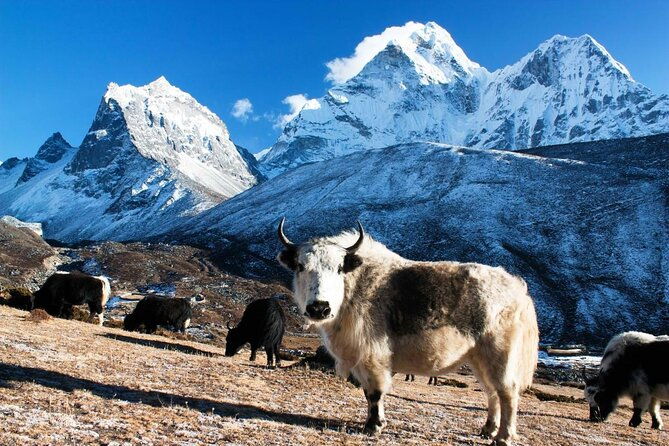
If you’ve ever dreamed of standing at the foot of the world’s highest mountain, this 12-day Everest Base Camp trek promises an experience packed with breathtaking vistas, Sherpa hospitality, and the thrill of reaching 5,545 meters at Kalapatthar. This particular tour has garnered glowing feedback, boasting a perfect 5-star rating from 50 travelers and a 100% recommendation rate – that’s no small feat.
We especially love how accessible this trek appears for a range of travelers, including seniors and beginners, thanks to the well-planned itinerary and supportive guides. The balance of awe-inspiring views, culture, and manageable pacing makes it stand out. One thing to keep in mind is that this trek involves high altitudes, which requires proper acclimatization and physical readiness.
Ultimately, this tour suits those seeking an authentic Himalayan adventure without the need for extreme mountaineering experience — ideal for nature lovers, culture enthusiasts, and anyone up for a challenging yet rewarding journey.
Key Points
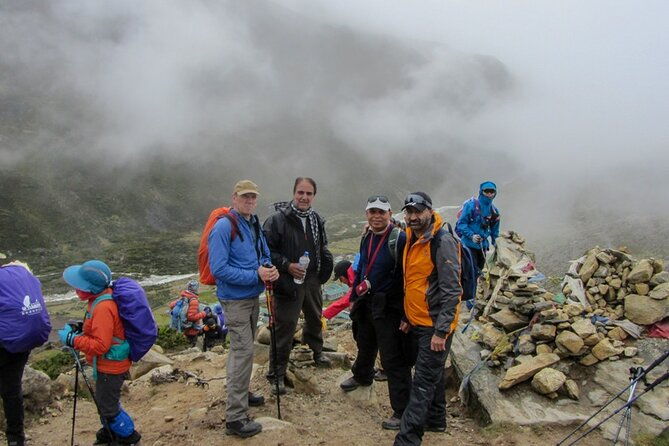
- Excellent value for money at just $500 per person, including flights, accommodations, and expert guiding.
- Highly trained guides and porters ensure safety, comfort, and local insight at every step.
- The itinerary includes rest days and acclimatization, helping prevent altitude sickness.
- Stunning panoramic views of Everest and neighboring peaks, especially from Kala Patthar.
- Supportive Sherpa villages offer a glimpse into Himalayan life and warm hospitality.
- The trek’s logistics are well-organized, making for a smooth, stress-free experience.
Love being outdoors? Check out these other hiking spots we've covered in Kathmandu
The Overall Experience
This Everest Base Camp trek offers a well-rounded mix of adventure, cultural exposure, and natural beauty. For many travelers, the highlight isn’t just reaching the base camp but experiencing the journey — the changing scenery, the friendly villages, and the sense of camaraderie among trekkers.
The tour is priced at $500 per person, which, considering it covers domestic flights, accommodations, meals, expert guides, permits, and equipment, makes it a solid deal. The affordability paired with high-quality service makes it particularly attractive for first-timers and those wary of hidden costs.
What sets this tour apart is its emphasis on comfort and safety while maintaining an authentic Himalayan experience. Reviewers consistently praise guides like Gopal and TN for their knowledge, friendliness, and responsiveness — often citing how they went above and beyond to ensure everyone felt secure at high altitudes.
How the Itinerary Unfolds
Day 1: Lukla Arrival and Trek to Phakding
Starting at Tenzing-Hillary Airport, the flight to Lukla is often described as an adventure in itself — a 45-minute ride that offers a sneak peek of the rugged terrain ahead. The first leg of trekking to Phakding is relatively gentle, following the Dudhkoshi River and passing through traditional villages such as Chheplung and Thado Koshi.
Travelers often comment on the charm of these mountain villages and the opportunity to observe Himalayan lifestyles firsthand. Plus, the initial day is perfect for easing into the trek, with no strenuous climbs planned.
Day 2: Journey to Namche Bazaar
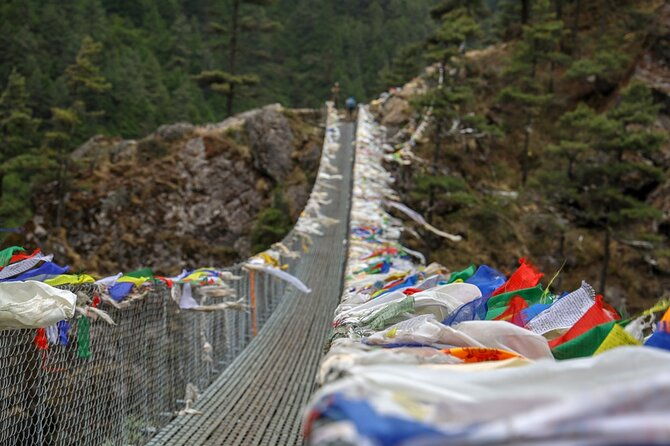
The longest day involves crossing suspension bridges and passing through pine and rhododendron forests. The highlight is crossing the Hillary Bridge, followed by the steep ascent into Namche Bazaar, the cultural and trading hub of the Everest region.
Reviewers note that the walk is quite moderate, with stunning views of peaks like Thamserku along the way. The key here is the elevation gain — which can be a challenge but is balanced by the welcoming atmosphere of Namche, and the chance to stock up on supplies before higher altitudes.
- 4 UNESCO World Heritage Site Tour Nepal
- Kathmandu: Private Sightseeing Tour
- Kathmandu: Private/Group 4 UNESCO World Heritage With Lunch
- Kathmandu: 7 UNESCO Sites Private or Group Tour With Lunch
- Kathmandu: Private/Group Tour to 7 UNESCO Sites With Lunch
- Kathmandu: Local Led Cooking Class: Dal Bhat & Momo Making
Day 3: Rest and Acclimatization in Namche
This rest day is crucial for adjusting to the altitude. Most travelers spend it exploring Namche’s Sherpa Museum, learning about local traditions, and enjoying panoramic mountain vistas from the Everest View Hotel.
Reviewers highlight how well-organized this day is for acclimatization, often mentioning the helpfulness of guides in recommending local hikes like visiting Syangboche airstrip — an excellent spot for photos. The consensus is that this day helps prevent altitude sickness, making the rest of the trek more enjoyable.
Day 4: Trek to Tengboche
The trail steeply climbs through lush rhododendron forests, culminating at the Tengboche Monastery. The monastery itself is a must-see, especially when Tenzing Norgay’s connection to the area is mentioned — a real highlight for history buffs.
Guests often describe the ascent as tough but rewarding, with stunning mountain views that make every step worthwhile. The monastery offers a peaceful place to soak in the spiritual atmosphere and take in the surrounding peaks.
Day 5-6: Descend and Rest in Dingboche
The route descends into small villages like Pangboche and Shomare, crossing Imja Khola and enjoying views of Ama Dablam. The second rest day in Dingboche allows for further acclimatization, with many reviewers recommending hikes to nearby hills for panoramic shots and to ease altitude effects.
This part of the trek is appreciated for its quiet beauty and the chance to connect with local life and ancient monasteries.
Day 7-8: Challenging Ascent to Lobuche and Gorak Shep
The terrain becomes more icy and rugged. The ascent to Lobuche involves crossing Dughla and the Khumbu Glacier, with shrines dedicated to mountaineers like Rob Hall and Scott Fischer. Many travelers find this section physically demanding but spiritually meaningful.
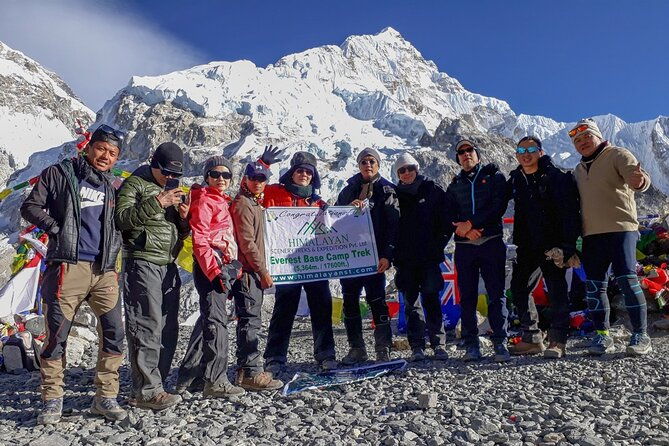
The day’s climax is reaching Gorakshep and then the Everest Base Camp, described as a surreal moment standing amidst glacial rocks and hearing stories from climbers who’ve attempted Everest.
Day 9: Iconic Sunrise from Kala Patthar
This is a highlight for many — an early morning hike to Kala Patthar offers arguably the best Everest view. Reviewers mention that the steep climb is taxing but worth every step when the sun rises over Everest, Nuptse, and Pumori.
The sense of achievement when standing at this vantage point is palpable, with many saying it’s the most breathtaking part of the journey.
Day 10-11: Return Trek to Namche and Lukla
Descending through familiar villages, the return leg is often described as easier, with the altitude decreasing and the scenery familiar but no less beautiful. Many travelers appreciate the chance to revisit local shops, stock up on souvenirs, and reflect on their journey.
The final stage into Lukla is emotional, as the realization that the adventure is nearing completion sinks in. The warmth of the Nepali hospitality remains a constant, with guides and porters often receiving heartfelt tips and gratitude.
Day 12: Flight Back to Kathmandu
The last flight offers a last glimpse of the Himalayas before descending into Kathmandu. The flight is often described as scenic and exhilarating. Once back in the city, travelers can enjoy free time, exploring markets or relaxing after their trek. A trip achievement certificate caps off the experience, serving as a tangible reminder of their Himalayan feat.
Practical Aspects and Value
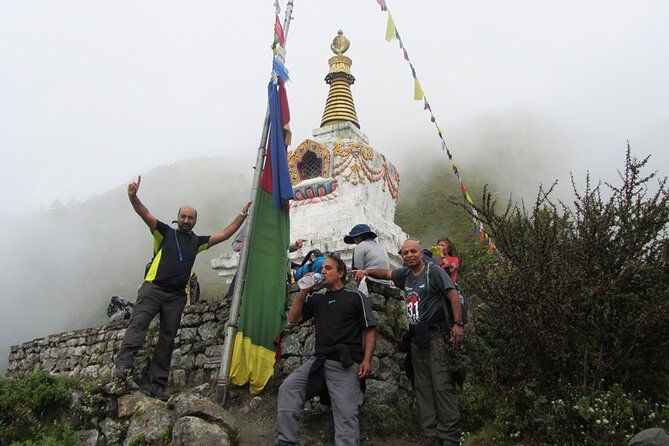
This tour strikes a balance between affordability and quality. For $500 per person, you receive domestic flights, meals, accommodations, expert guides, permits, and necessary equipment — a bundle that many reviewers confirm is excellent value. Several mention how the guides, such as Gopal and TN, are extremely knowledgeable and attentive, often going above expectations to ensure safety and comfort.
Transportation is straightforward, with pick-up from Kathmandu and flights included, removing logistical headaches. The group size is capped at 20, fostering a friendly atmosphere but still allowing for personalized attention.
The itinerary’s structure — with rest days and acclimatization hikes — shows thoughtful planning, which reviewers widely appreciate. The lodges are comfortable and well-located for mountain viewing, and food options are generally praised as tasty and hearty, important at high altitudes.
Food and Accommodation
Most reviews note that the food is delicious, providing energy and comfort during tough days. The lodges offer twin-sharing rooms, giving a social and cozy vibe. Guides supply trekking poles, maps, and gear, further enhancing convenience.
Support and Safety
The inclusion of first aid kits, pulse oximeters, and oxygen saturation checks highlights a focus on health and safety. Guides like Gopal and TN are experienced and personable, often cited for their helpfulness and local knowledge.
Additional Perks
The tour includes extras like a trekking map, a trekking hat, duffel bag, and a certificate of achievement, which add value to the experience. Walkie-talkies help keep the group connected, especially in difficult terrain.
Final Thoughts
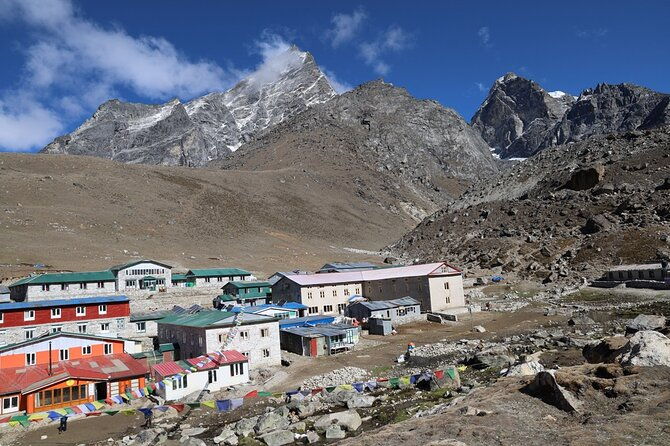
This 12-day Everest Base Camp trek offers a compelling mix of scenery, culture, and adventure at a reasonable price point. It’s a well-organized expedition that caters to various fitness levels, thanks to built-in acclimatization days and supportive guides.
Many reviewers have highlighted the professionalism of Himalayan Scenery Treks and Expedition, especially the guides’ expertise and friendliness. The experience of reaching Kala Patthar and standing at Everest’s foot is truly unforgettable, often described as a once-in-a-lifetime moment.
This tour is best suited for those who are physically fit or willing to train beforehand, love mountain scenery, and want a culturally enriching journey. Even beginners can enjoy this trek with proper preparation and a positive attitude.
FAQs
Is this trek suitable for beginners?
Yes, the itinerary includes rest days and acclimatization, making it manageable for those new to high-altitude trekking, provided you have moderate fitness.
Are flights included?
Yes, the tour includes domestic flights from Kathmandu to Lukla and back, helping save time and reduce travel fatigue.
What kind of accommodation is provided?
Twin-sharing lodge rooms are provided along the trek, offering basic but comfortable accommodations with hot meals.
How much does the trek cost?
Per person, the price is $500, which includes flights, meals, permits, guide services, and equipment — a very good deal for such an experience.
Are tips included?
No, tips are not included, but reviewers recommend tipping guides and porters based on service quality to show appreciation.
What is the best season to do this trek?
Most of the reviews mention favorable conditions lasting about eight months, typically spring and autumn being the most popular.
Is altitude sickness a concern?
With planned acclimatization days and support from guides, the risk is minimized, but travelers should be prepared to listen to their bodies and hydrate well.
What should I pack?
You’ll get a trekking hat, duffel bag, and poles included, but bring layered clothing, sturdy boots, and personal essentials for high-altitude comfort.
Do I need travel insurance?
Personal travel insurance is not included, so it’s advisable to have coverage that includes high-altitude trekking and emergency evacuation.
Final Word
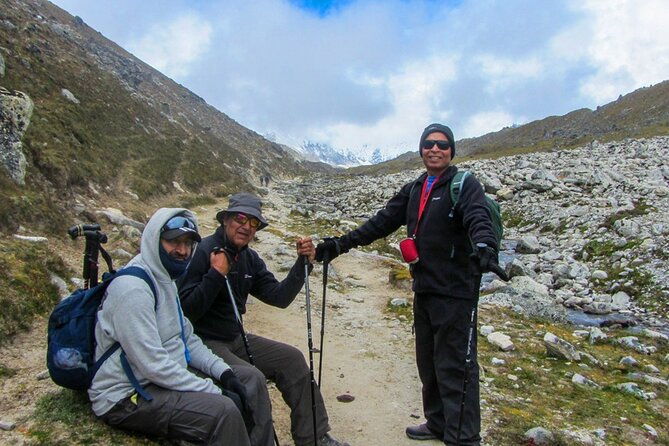
The 12-day Everest Base Camp trek is a thoughtfully crafted adventure that combines stunning scenery, cultural richness, and expert guidance at an accessible price. Whether you’re a seasoned trekker or a first-timer with a sense of adventure, this journey offers the kind of memories that stay with you forever. Expect breathtaking views, warm Sherpa hospitality, and a sense of accomplishment that will make every step worth it. Perfect for explorers eager to see the world’s roof up close, this trek blends challenge with the reward of witnessing the majestic Himalayas firsthand.
More Hiking & Trekking Tours in Kathmandu
More Tour Reviews in Kathmandu
Still browsing? Here are more Kathmandu experiences we've covered recently
- Discover 12 Great Airport Transfers In Kathmandu
- 14 Best Tours In Kathmandu
- Which Kathmandu Tours & Experiences To Choose? Our Best 12 Picks
- 5 days Pokhara City Private Tour from Kathmandu
- Kathmandu: Everest Base Camp Helicopter Tour with Breakfast
- Kathmandu to Lukla one way Flight Ticket
- 1 Day Shivapuri Hiking from Kathmandu
- Poon Hill Trek – 5 Day / 4 Night (ex Kathmandu) – Daily Departure
- 11 days Panorama Panchase Homestay Trek
- 2 Days Seven Heritage and Nagarkot Sunrise Tour
- Kathmandu: Khumai Danda Trek with Meals and Guide
- Kathmandu City Tour