If you’ve ever dreamed of standing beneath the towering presence of Mount Everest, this 12-day guided trek offers a comprehensive and well-balanced way to make that dream come true. While I haven’t personally bagged Everest myself, I’ve reviewed countless trekkings, and this one ticks many boxes—from breathtaking scenery to cultural authenticity and good value.
What stands out most about this experience is the stunning panoramic views from Kala Patthar, the chance to explore Sherpa villages rich in tradition, and the opportunity to step foot at Everest Base Camp itself. Plus, the inclusion of Lukla flights simplifies travel logistics and saves energy for trekking rather than navigating difficult roads. That said, the overall pace is moderate, so it’s better suited for those who are reasonably fit and enjoy multi-day walks.
A potential consideration is the altitude—two acclimatization days are built into the itinerary to help prevent mountain sickness, but this is still physically demanding. If you’re someone who’s sensitive to high elevations or has limited trekking experience, it’s worth preparing accordingly. This tour is perfect for adventure travelers who want a comprehensive, guided experience with reliable logistics and a focus on authentic Himalayan culture.
This experience made our article of The Top 13 Lukla Tours & Experiences.
- Key Points
- The Journey Begins: From Kathmandu to Lukla
- Walking the Path: Key Stops and Highlights
- Namche Bazaar (3,450m)
- Acclimatization and Cultural Exploration
- Tengboche Monastery (3,870m)
- Dingboche and Lobuche (4,410m & 4,940m)
- The Climax: Everest Base Camp and Kalapatthar
- Everest Base Camp (5,364m)
- Kalapatthar (5,545m)
- The Return Journey: Descending Through Iconic Villages
- Practical Details and What You’ll Love
- Value for Money
- Logistics and Group Size
- Food and Accommodation
- Physical Preparation
- FAQs
- Final Thoughts
- The Best Of Lukla!
- More Hiking & Trekking Tours in Lukla
- More Guided Tours in Lukla
- More Tour Reviews in Lukla
- Not for you? Here's more nearby things to do in Lukla we have reviewed
Key Points
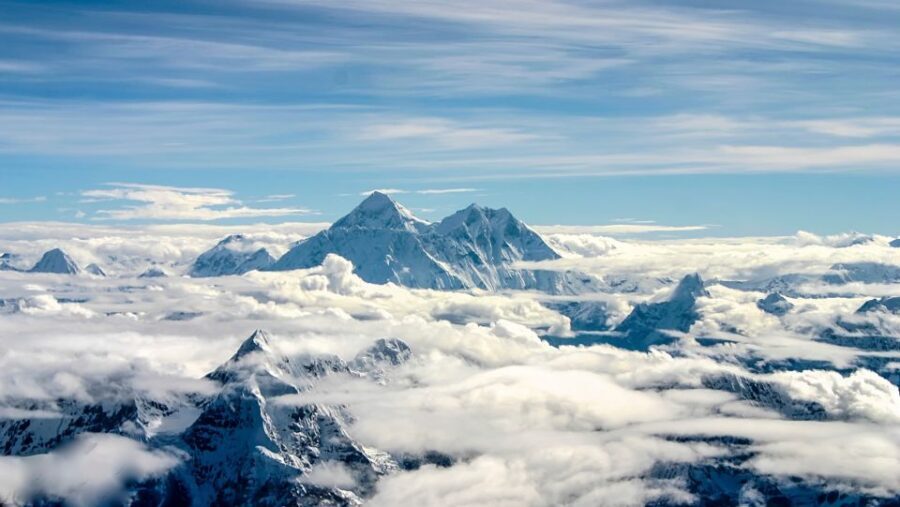
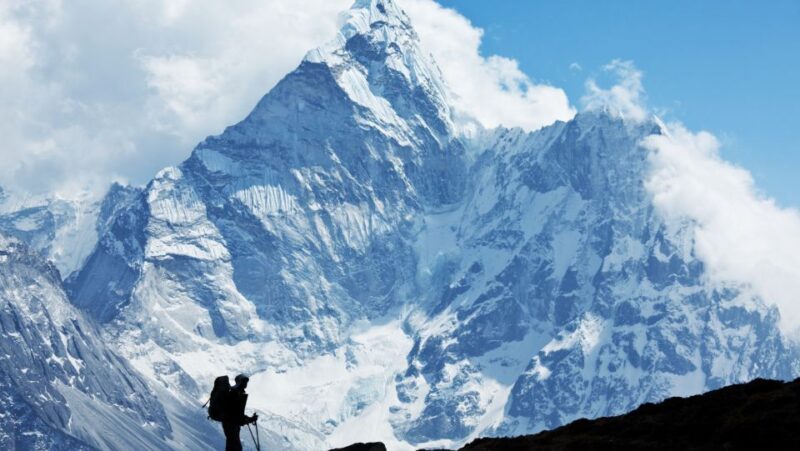
- Stunning Views: Expect incredible panoramas of Everest, Ama Dablam, and Lhotse from multiple vantage points, especially Kala Patthar.
- Cultural Encounters: Walk through Sherpa villages, visit monasteries like Tengboche, and experience local customs.
- Well-Organized Logistics: Flights from Kathmandu to Lukla and back are included, reducing travel stress.
- Acclimatization Days: Designed to help prevent altitude sickness with strategic rest and exploration.
- Inclusive Package: Food, permits, guides, porters, and accommodations are covered, offering good value.
- Physical Challenge: The trek involves sustained walking at high altitude; fitness is recommended.
👉 See our pick of the The Top 13 Lukla Tours & Experiences
The Journey Begins: From Kathmandu to Lukla
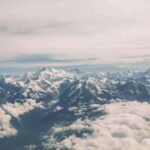
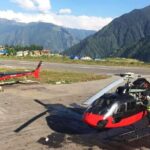
The adventure kicks off with a short flight from Kathmandu to Lukla, often considered one of the most exhilarating parts of this journey. The tiny aircraft swoops over the Himalayan foothills, giving you your first glimpse of the rugged terrain ahead. Many travelers mention that the Lukla airport itself is an experience—small, busy, and surrounded by dramatic mountain scenery.
Once in Lukla, you meet your guide and fellow trekkers before setting off on foot. The initial trek to Phakding takes around four hours, passing through lush pine forests, crossing suspension bridges, and occasionally pausing to admire the views of snow-capped peaks. The village of Phakding is your first taste of Sherpa hospitality, with cozy teahouses offering simple but hearty food. Many reviews highlight how smoothly this first day sets the tone—moderate, scenic, and full of anticipation.
You can also read our reviews of more guided tours in Lukla
Walking the Path: Key Stops and Highlights
Namche Bazaar (3,450m)
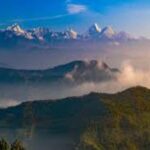
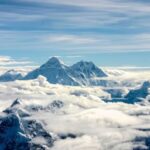
The first major waypoint is Namche Bazaar, a bustling hub for trekkers with lively markets, bakeries, and panoramic views. The ascent involves crossing the Larja Bridge, where many are struck by the sight of Mt. Everest peeking through the clouds.
Trekkers are encouraged to take it slow here—rest and acclimatize—before exploring the area. Visitors often comment on the vibrant atmosphere and the chance to sample local Sherpa dishes. This town serves as your first real taste of Himalayan culture and a great spot for resting after a day of walking.
Acclimatization and Cultural Exploration
The guide emphasizes acclimatization, with a day spent exploring Khunde and Khumjung villages. This approach helps prevent altitude sickness and allows you to soak in the culture. Reviews praise guides for their attentiveness and advice, with some stating, “It’s a clever way to get used to the altitude without losing your breath entirely.”
More Great Tours NearbyTengboche Monastery (3,870m)
A highlight is the visit to Tengboche Monastery, an iconic spiritual site perched above the valley. The panoramic backdrop of Everest, Ama Dablam, and Nuptse makes this a favorite photo stop. Many trekkers appreciate the peaceful atmosphere and the chance to witness monks performing prayers.
You can also read our reviews of more hiking tours in Lukla

Dingboche and Lobuche (4,410m & 4,940m)
As you ascend, the landscape transitions to more barren, rocky terrain, with stunning vistas along the Lobuche River. Dingboche is another key acclimatization spot, with some reviews describing it as a “charming village with cozy teahouses.”
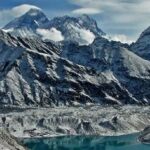
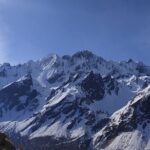
Lobuche serves as a vital stop before the final push to Gorkashep and Everest Base Camp. The trail here offers views of Lhotse and Nuptse and underscores the vastness of the Himalayas.
The Climax: Everest Base Camp and Kalapatthar
Everest Base Camp (5,364m)
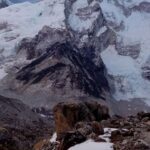
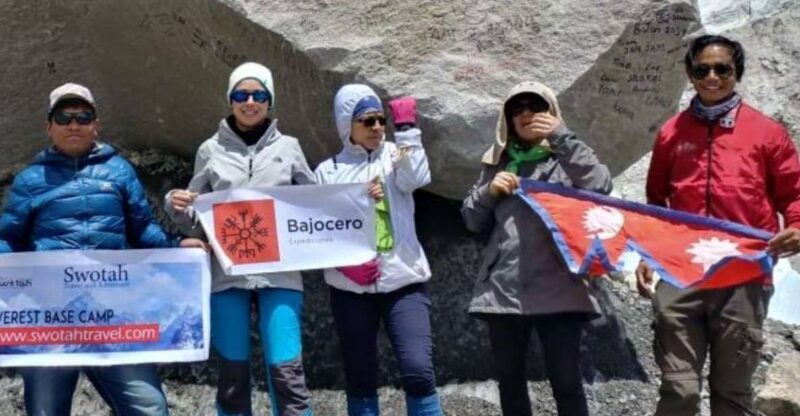
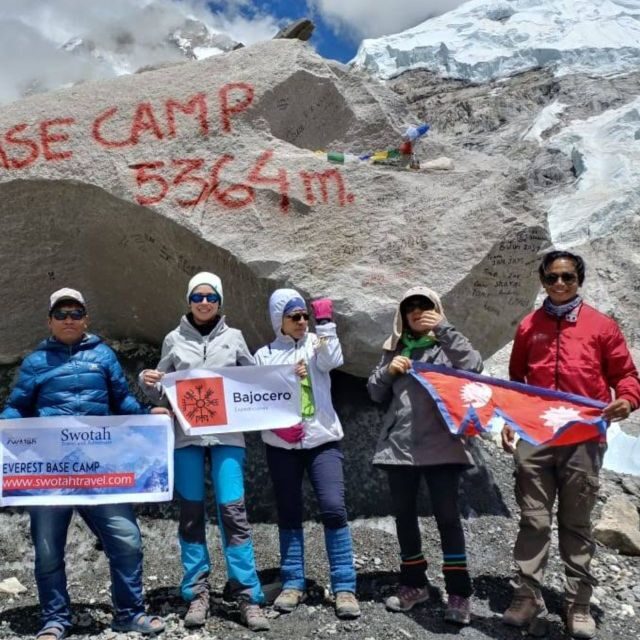
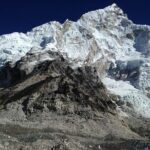
Reaching Everest Base Camp is a momentous achievement, and many travelers describe it as surreal—standing in front of the Khumbu glacier with the towering summit of Everest nearby. The camp itself is a patchwork of colorful tents and climber activity. While it’s not a scenic spot, the sense of accomplishment and the views of the mountain’s face are unforgettable.
Kalapatthar (5,545m)
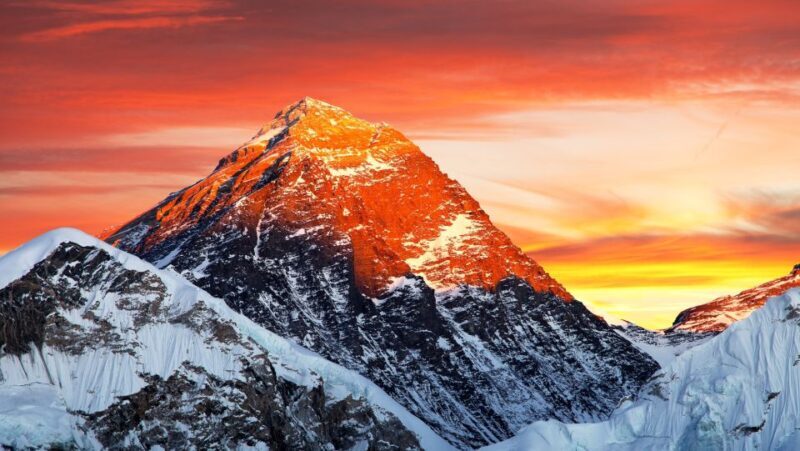
The early morning trek to Kalapatthar is often rated as the most rewarding part of the journey. The climb takes several hours but is absolutely worth it for the breathtaking sunrise over Everest. The views from Kalapatthar are arguably the best you’ll get in a day, with all the Himalayan giants laid out before you.
Many reviews emphasize the importance of proper pacing and warm clothing for this ascent. Guides typically recommend starting early to catch the sunrise, and many travelers describe the experience as “humbling” and “life-changing.”
The Return Journey: Descending Through Iconic Villages
Descending back to Namche and Lukla is a chance to enjoy different perspectives of the landscape and reflect on the journey. The trek back is familiar but no less scenic, with the added bonus of spotting wildlife and enjoying more cultural encounters.
Many reviewers mention how emotional it feels to retrace your steps, appreciating the scenery and the sense of achievement. The return to Lukla is often celebrated with a relaxed evening, sharing stories over local dishes.
Practical Details and What You’ll Love
Value for Money
At $199 per person, this package offers excellent value. It covers airport transfers, all permits, flights, accommodations, food, and guiding services. The inclusion of a duffel bag and sleeping bag further simplifies packing, and the guide’s expertise ensures safety and local insights.
While the price might seem modest compared to some luxury treks, reviews highlight that the quality of food, lodges, and support staff remain high, making it a well-rounded offering.
Logistics and Group Size
The trek is typically conducted with a small group, ensuring personalized attention and a more intimate experience. The Lukla flights are scheduled early mornings, so expect some early starts. The entire journey is paced to accommodate acclimatization, with plenty of stops for photos and rest.
Food and Accommodation
trekkers report that the teahouses serve simple but tasty meals—dal bhat (lentils and rice) is a staple, along with local snacks and hot drinks. Some reviews mention that hot showers are available at certain lodges, greatly appreciated after a long day.
Physical Preparation
This trek is physically demanding, especially at higher elevations. While many reviews note that the guides are attentive to pacing, having a good fitness level will help you enjoy the experience fully. Trekkers recommend training with hikes or cardio sessions beforehand.
FAQs
Is this trek suitable for beginners? The trek involves multiple days of walking at high altitude, so some level of fitness and comfort with walking is required. The included acclimatization days help, but beginners should prepare accordingly.
What’s included in the price? The package covers airport transfers, permits, flights, food during the trek, accommodations, guides, porters (for groups of at least three), and necessary equipment.
Are flights from Kathmandu to Lukla reliable? The flights are included and are a key part of the experience, but they can sometimes be delayed due to weather. Flexibility in planning is advisable.
Will I have Wi-Fi or mobile service? While some lodges offer Wi-Fi, connectivity can be limited or unreliable at higher elevations. Expect a digital detox.
How challenging is the altitude? There are two acclimatization days, but altitude sickness can still affect some travelers. Staying hydrated and pacing yourself are crucial.
Is the food nutritious and sufficient? Yes, many reviews praise the hearty, filling meals that keep trekkers energized. Options are generally available to suit dietary needs.
What gear do I need? Comfortable hiking shoes, thermal clothing, and layers for changing weather are essential. The tour provides a duffel bag and sleeping bag, but bring your own essentials.
Can I customize the itinerary? It’s generally fixed, but guides are experienced and can advise on pacing and optional side trips.
When is the best time to do this trek? The best seasons are spring (March-May) and autumn (September-November), offering clear skies and moderate temperatures.
Final Thoughts
This 12-day guided Everest Base Camp trek offers an excellent blend of stunning scenery, culture, and logistical convenience. The inclusion of Lukla flights reduces travel hassle, enabling you to focus on the journey and the views.
You’ll love the opportunity to stand beneath some of the world’s tallest peaks, visit ancient monasteries, and experience Sherpa hospitality firsthand. The trek’s moderate pace, combined with acclimatization days, makes it accessible for most reasonably fit travelers, though altitude awareness remains important.
Considering the price, the comprehensive package delivers impressive value—covering nearly everything you need for a memorable Himalayan adventure. It’s especially suited for those who want a guided, well-organized experience without sacrificing authenticity or scenic grandeur.
In short, if your goal is a well-supported trek with iconic highlights and fewer logistical headaches, this Everest Base Camp adventure is a compelling choice.
Note: Always check current conditions and weather before booking, and prepare for high-altitude trekking with appropriate gear and fitness routines.
📍 This experience made our list of the 13 best Tours & Experiences in Lukla